Lace pancakes with boiling water
Origin of the recipe
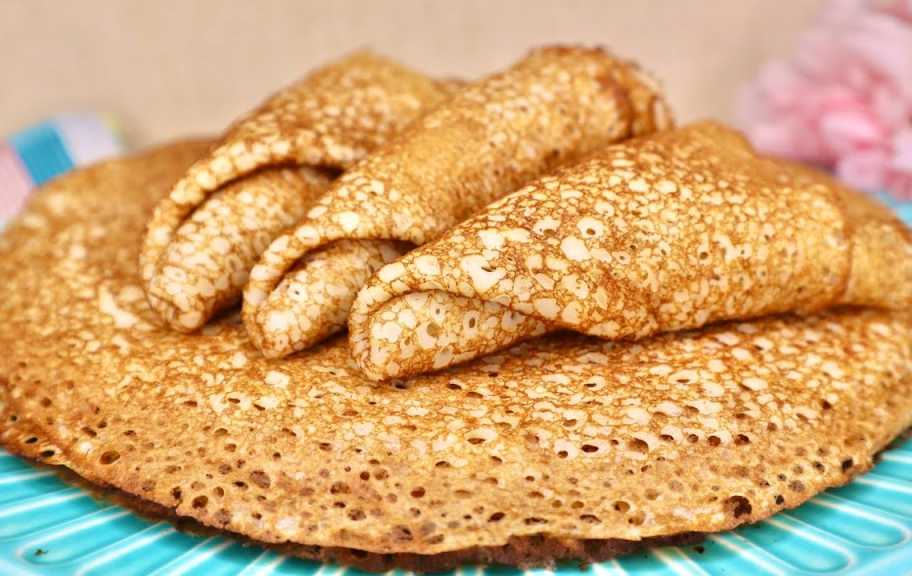
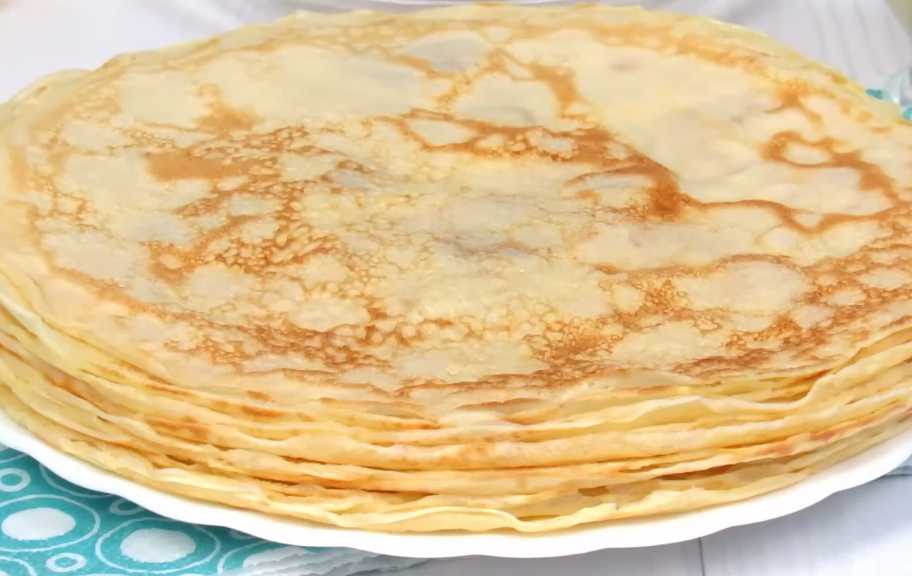
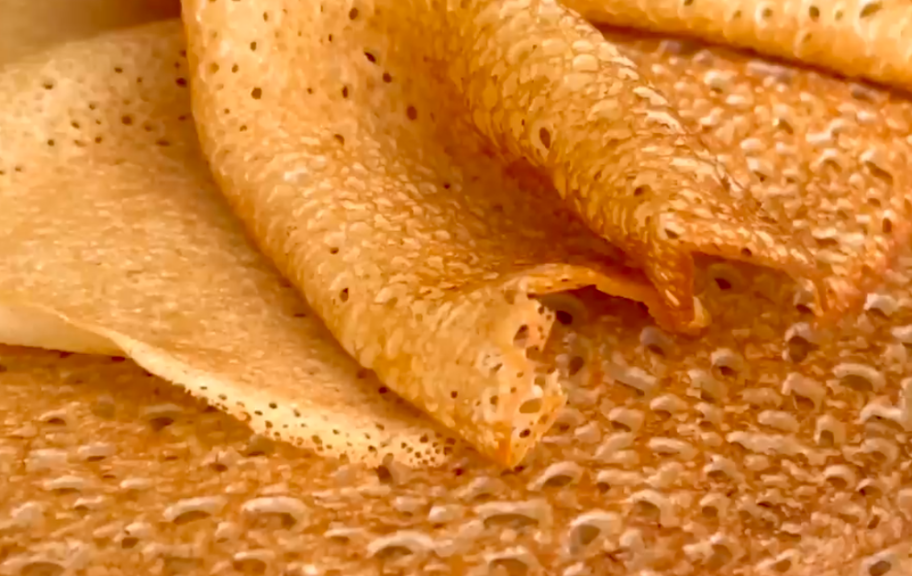
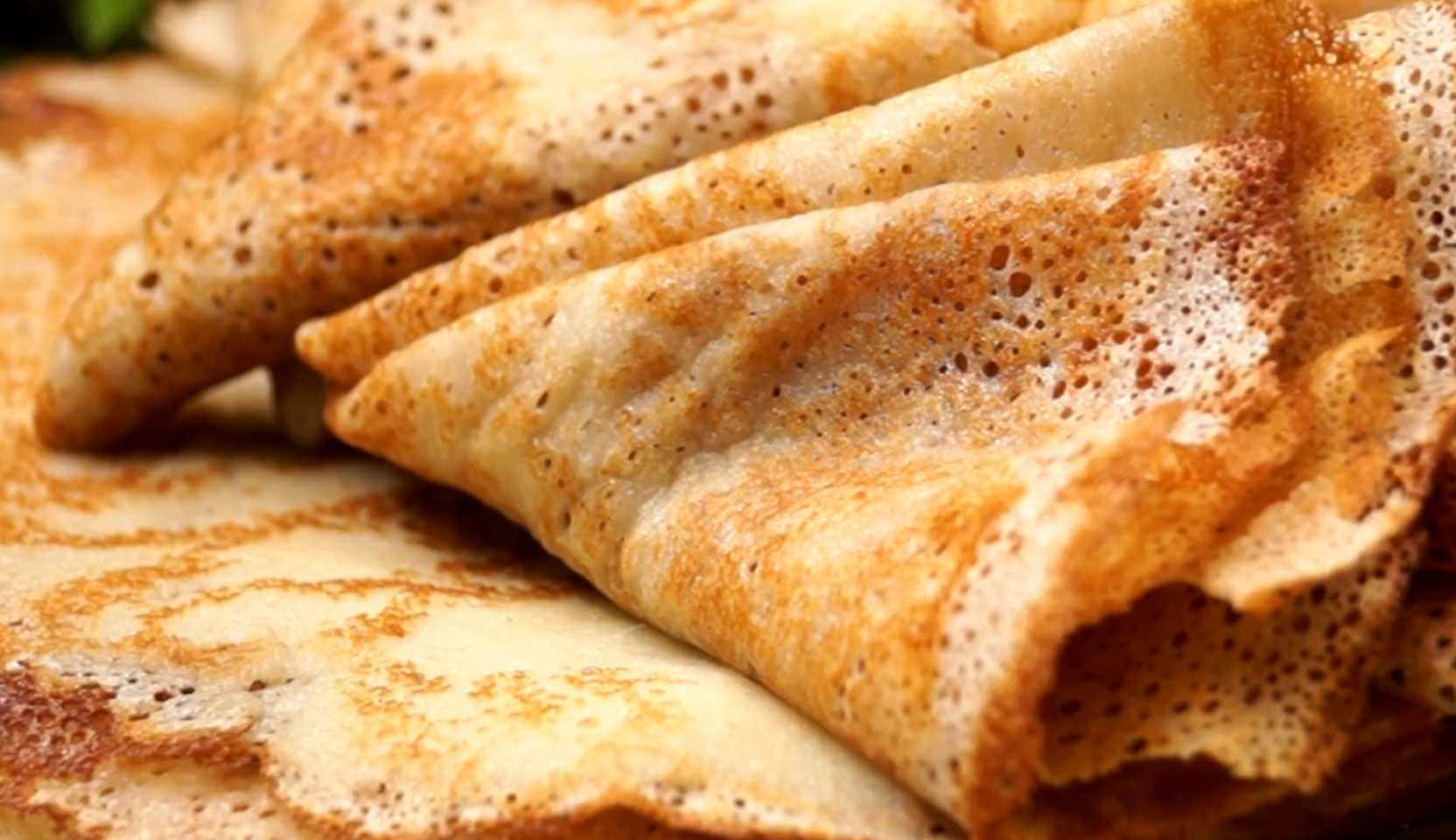
Classic thin pancakes made with boiling water are a time-tested recipe in Russian home cooking, known since the 19th century. Boiling water, when poured into the flour, partially cooks it, making the dough more uniform and elastic, and preventing lumps. This method allowed for quick preparation of pancakes without the need for lengthy rising (unlike yeast-based pancakes). The resulting pancakes were thin, with characteristic "holes" and a light, velvety texture. Today, this recipe remains popular for its simplicity, affordability, and versatility—it's perfect for both sweet and savory fillings.
What do you need for cooking?
Ingredients
-
Milk
-
Boiling water
-
Salt
-
Sugar
-
Flour
-
Eggs
-
Vegetable oil
Kitchen utensils
- Spoon
- Whisk
- shoulder blade
- Sieve
- deep bowl
- Non-stick frying pan
Step-by-step recipe:
Step 1:
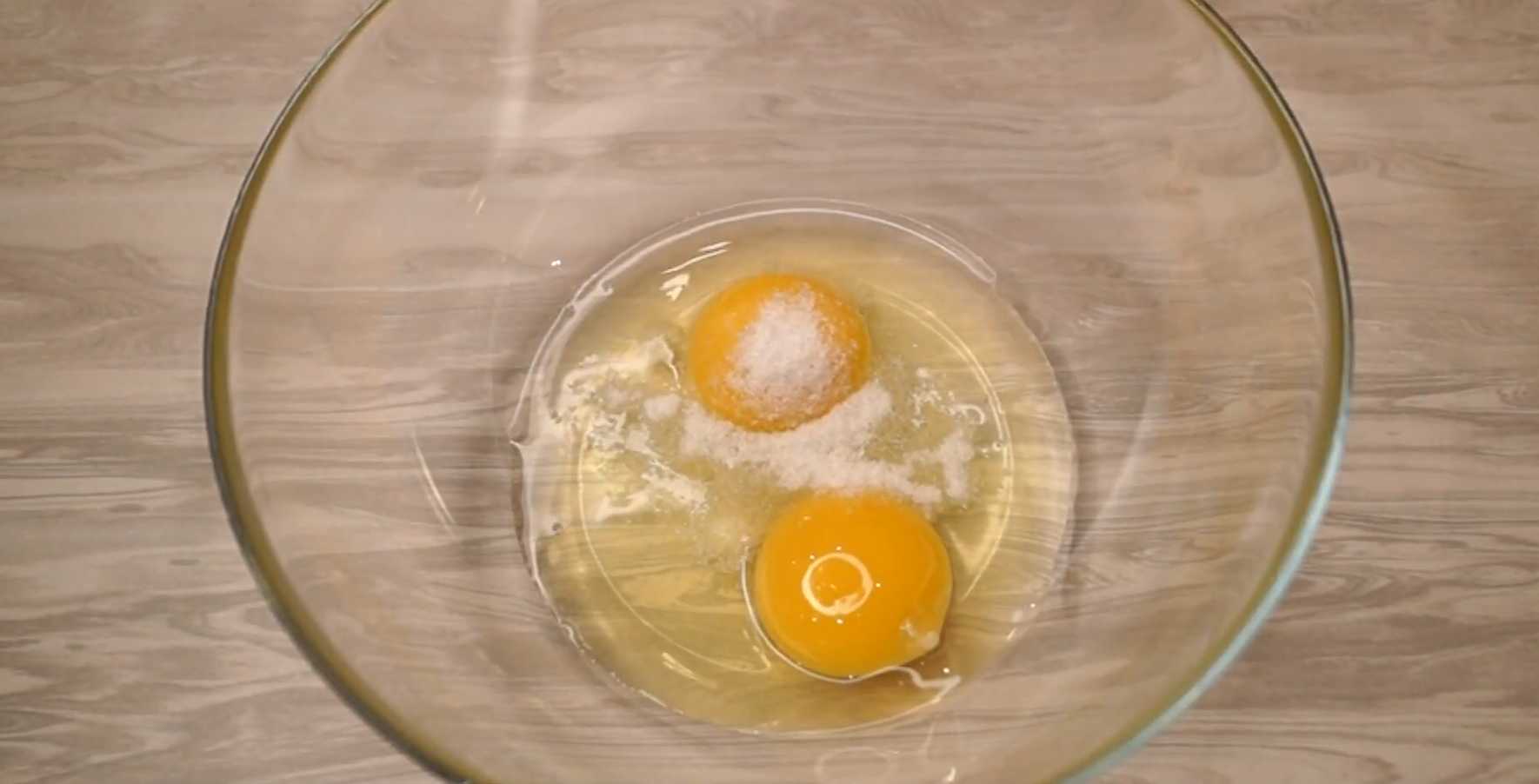 Break the eggs into a bowl, add sugar and salt, then beat with a whisk until smooth.
Step 2:
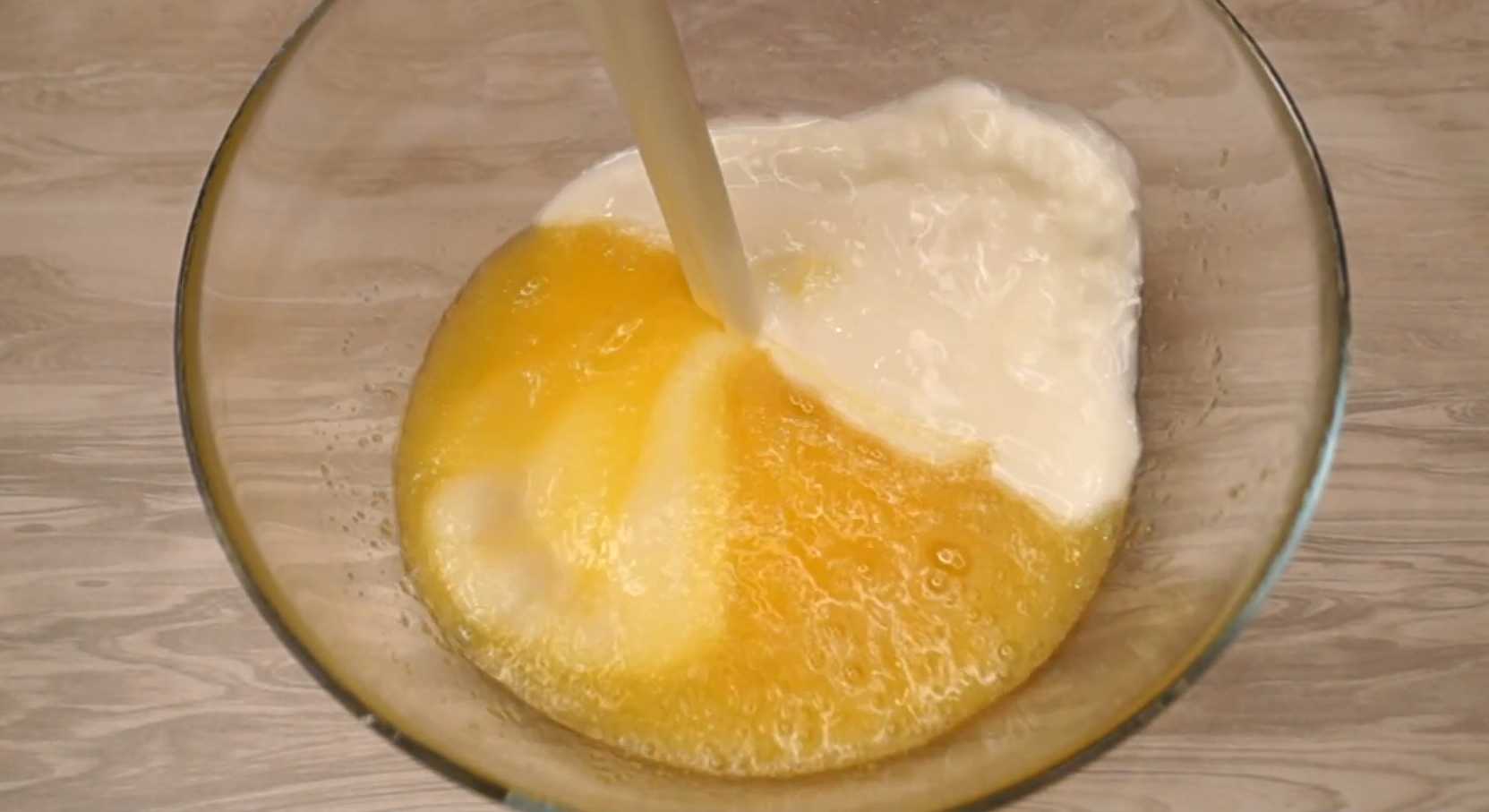 Gradually pour in the milk, continuing to whisk – the dough should become smooth and lump-free.
Step 3:
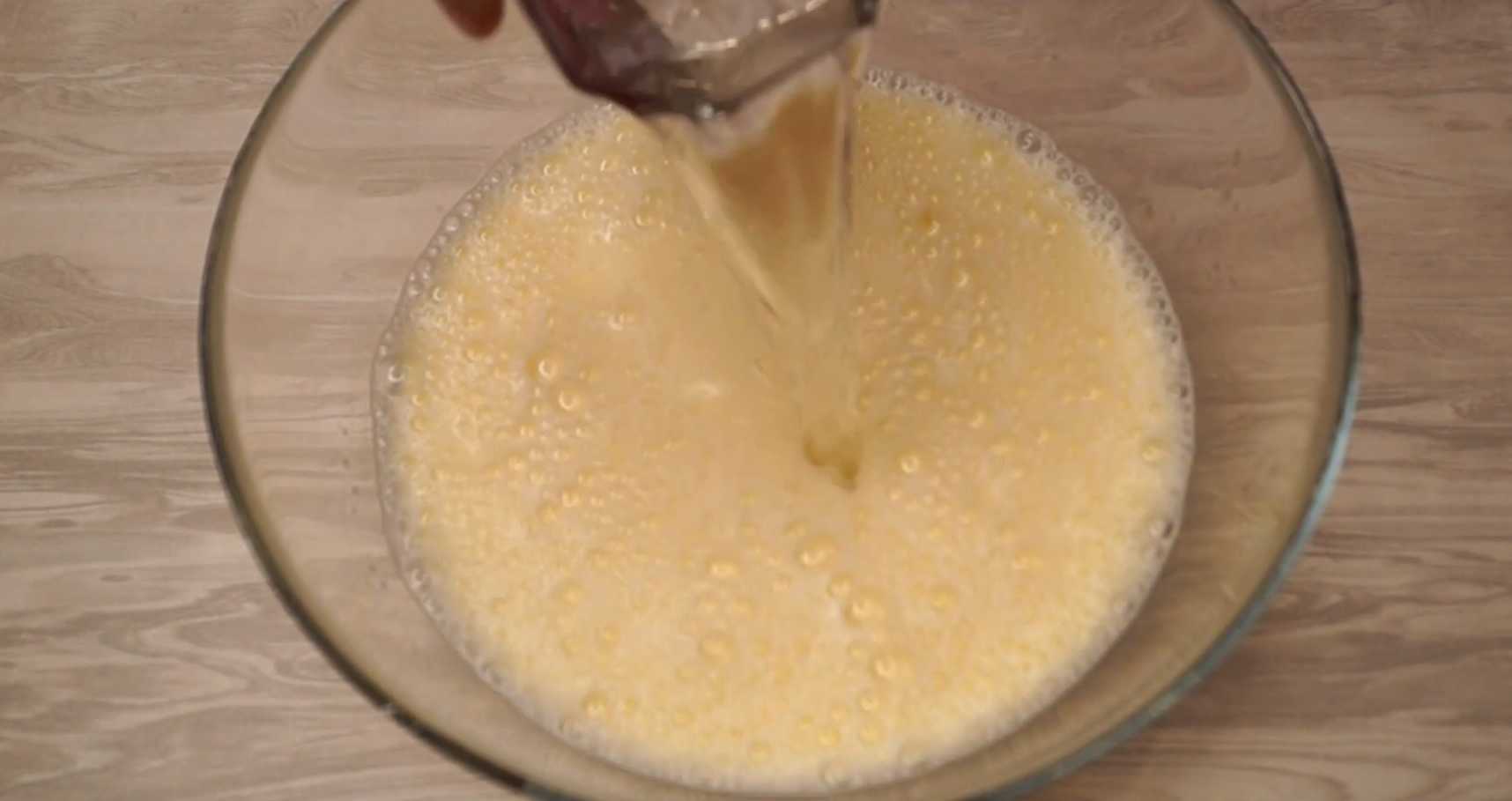 Pour in boiling water and stir gently – the dough will become bubbly and light.
Step 4:
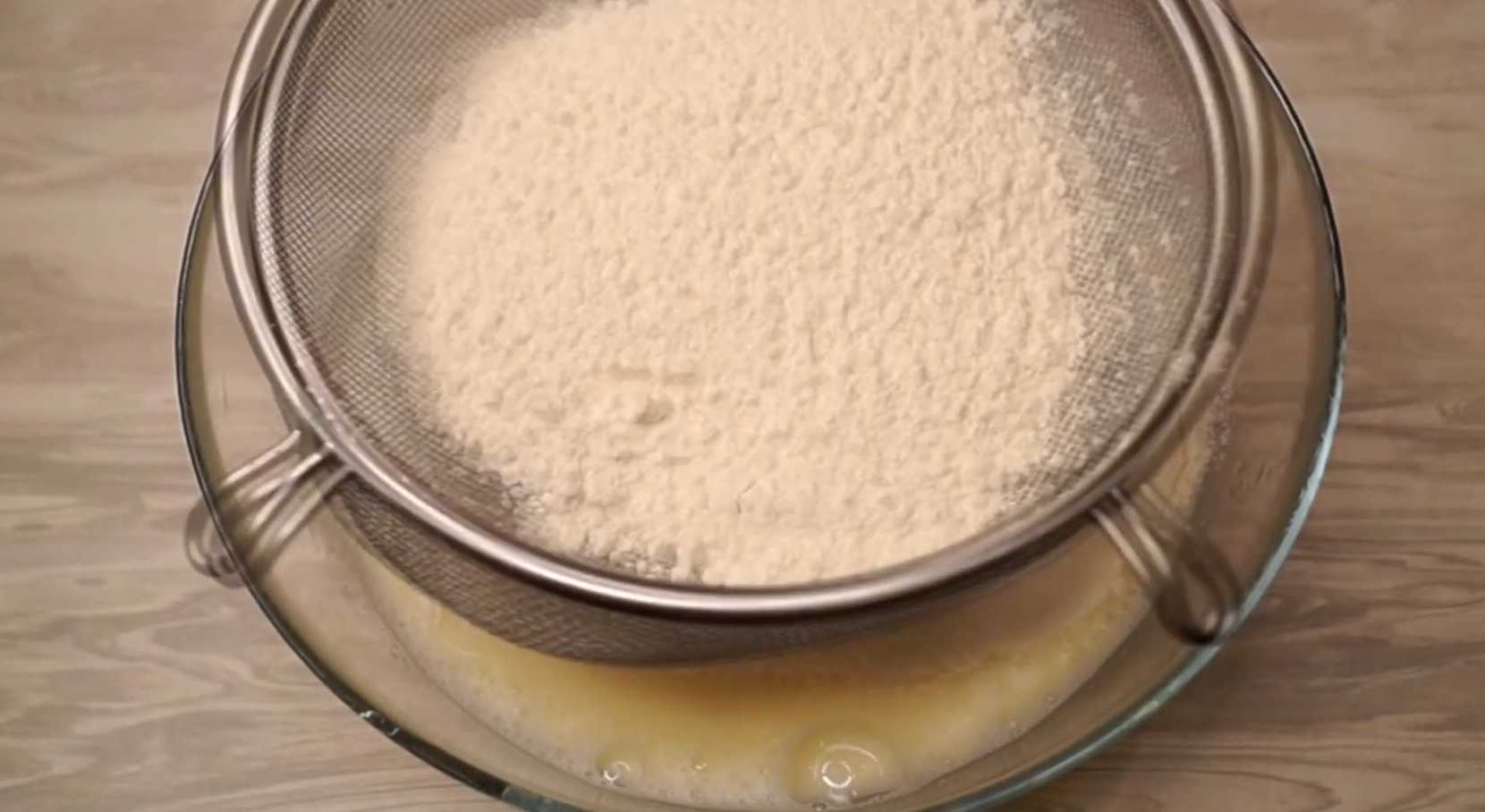 Sift the flour into the dough and mix until it becomes smooth – it should be liquid, like sour cream.
Step 5:
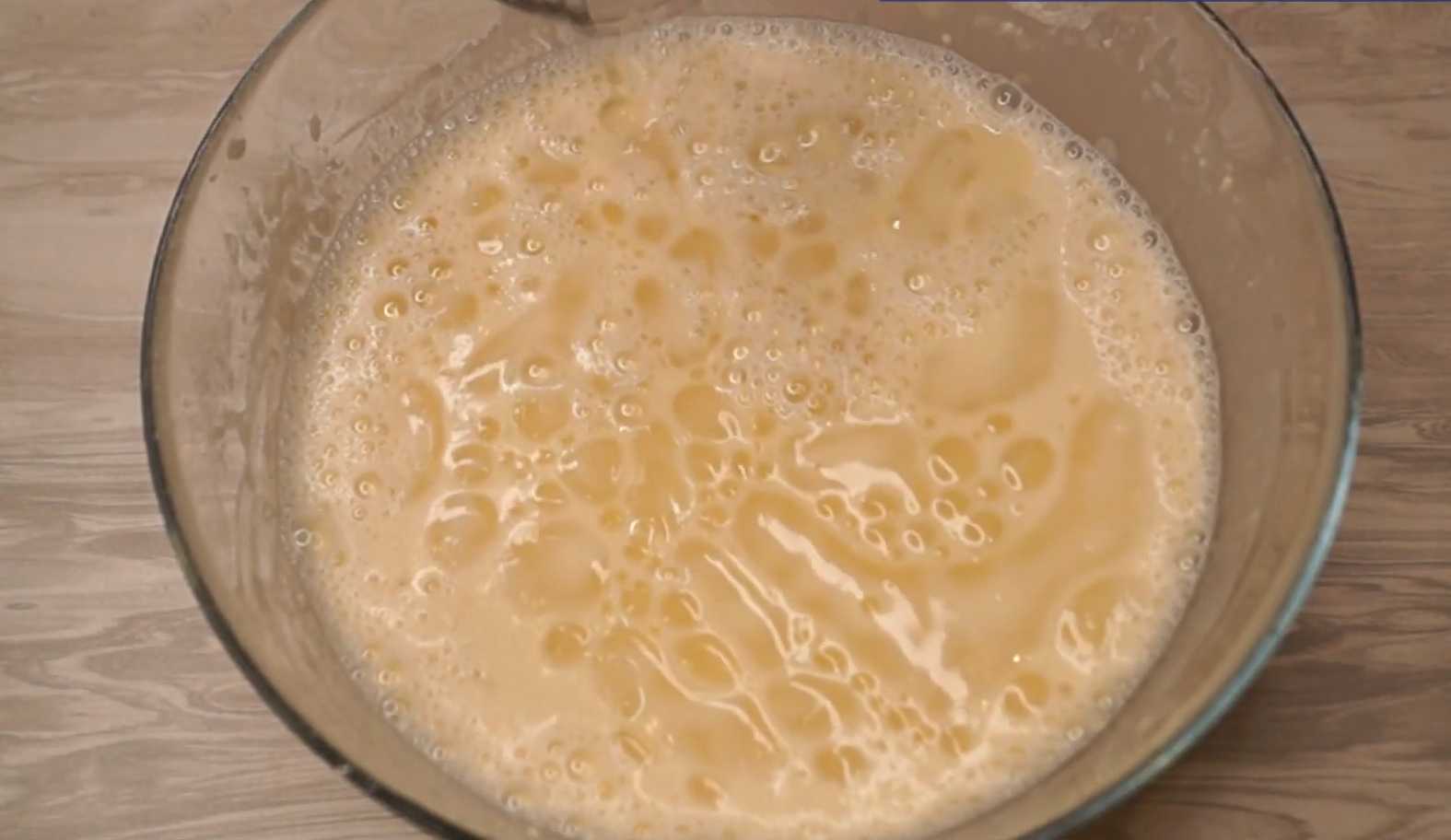 Add vegetable oil and mix well again – this will make the pancakes more airy.
Step 6:
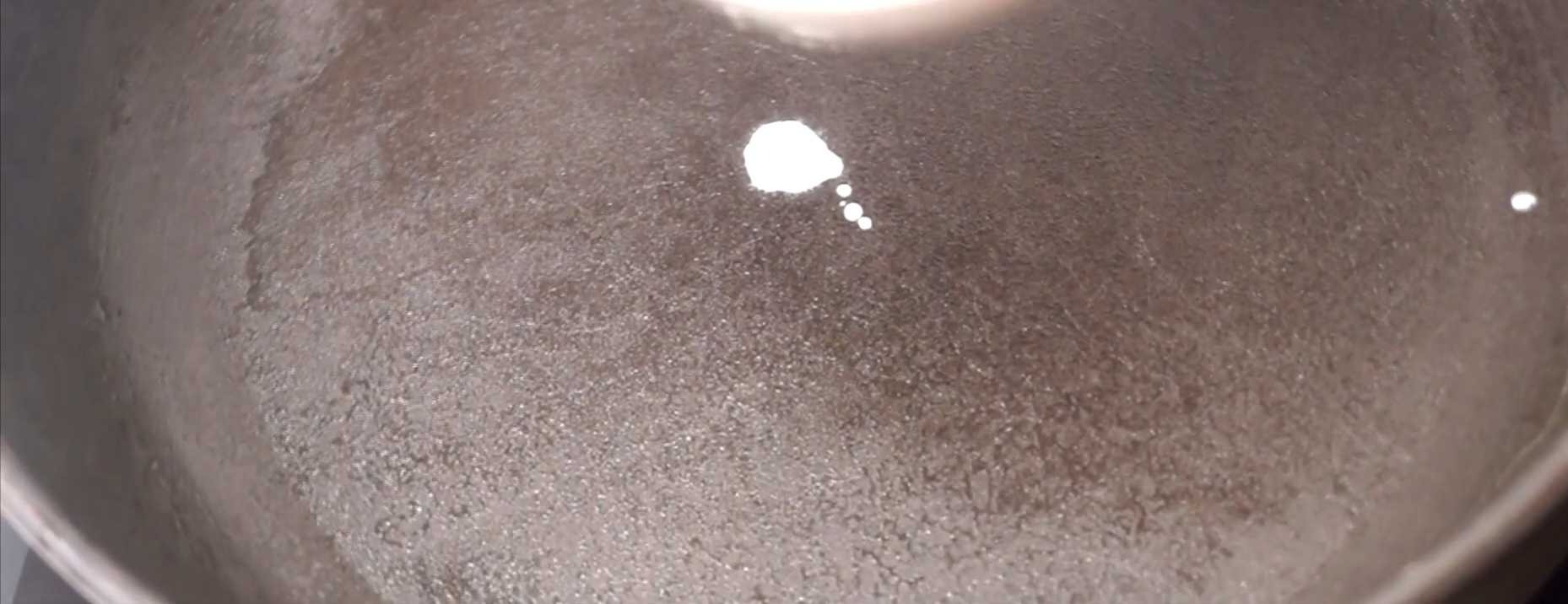 Heat a frying pan over medium heat and coat it with a thin layer of oil.
Step 7:
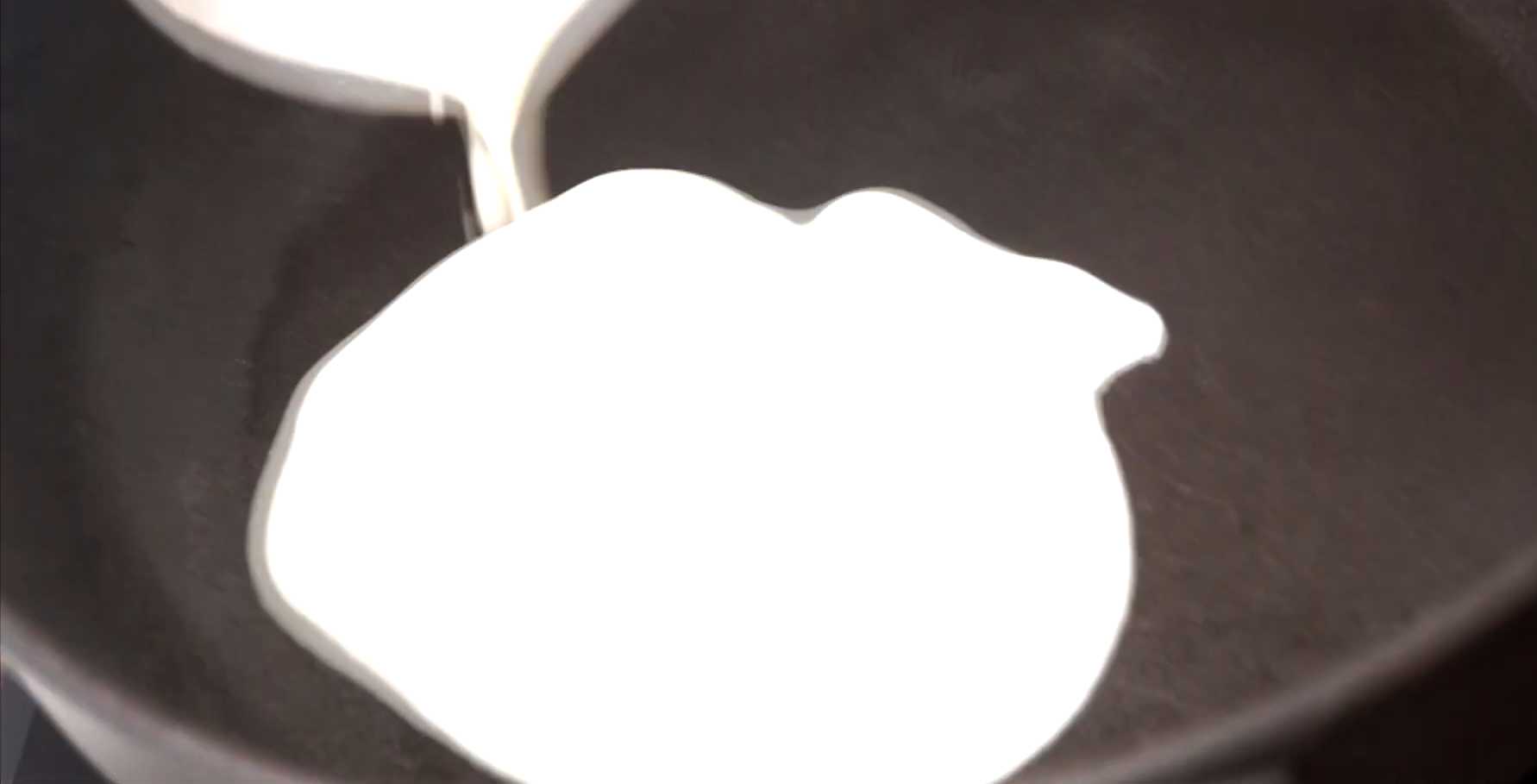 Pour a portion of the batter into the pan and spread it evenly, tilting the pan slightly.
Step 8:
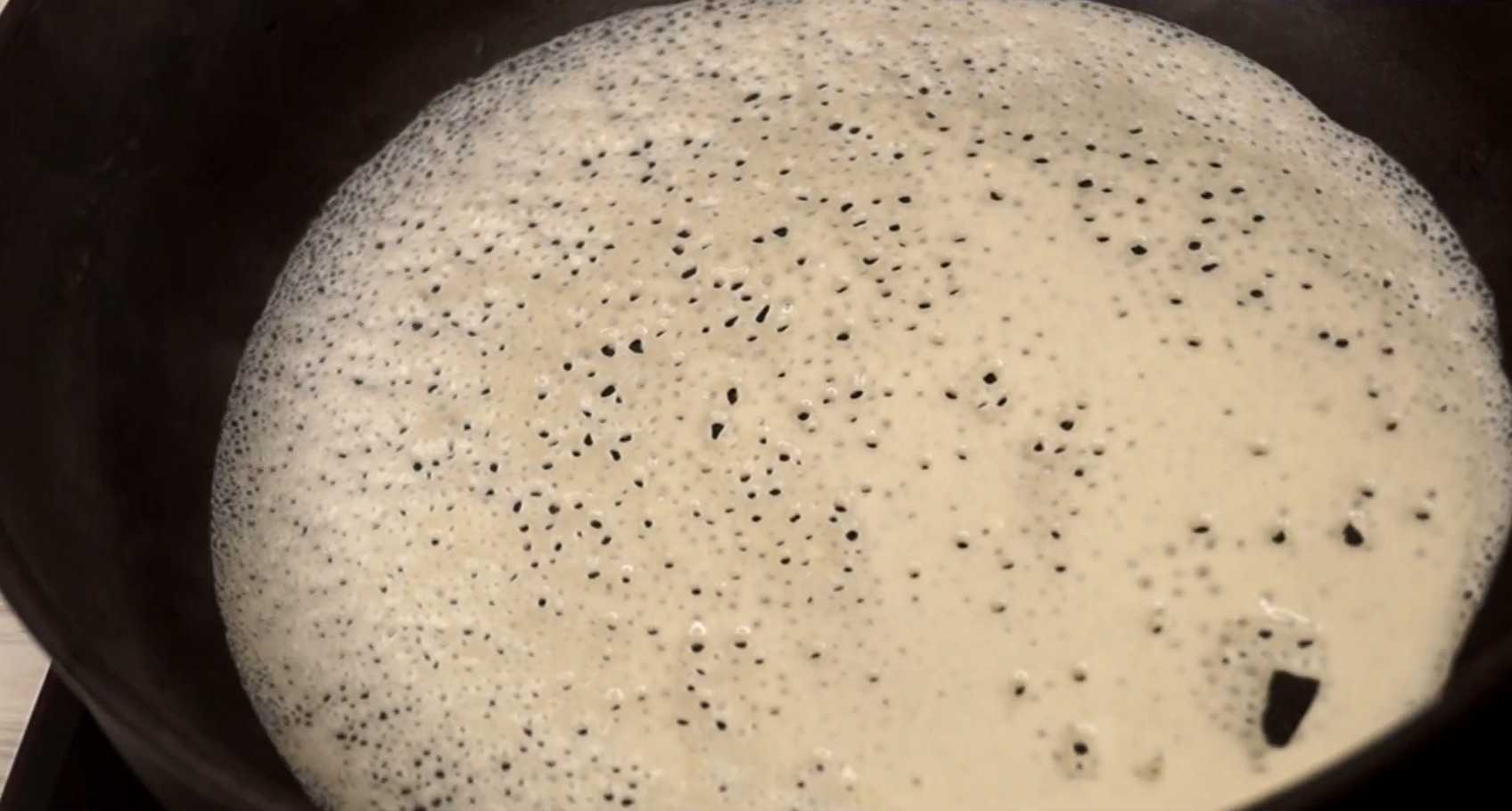 Fry the pancake until the surface is bubbly and matte.
Step 9:
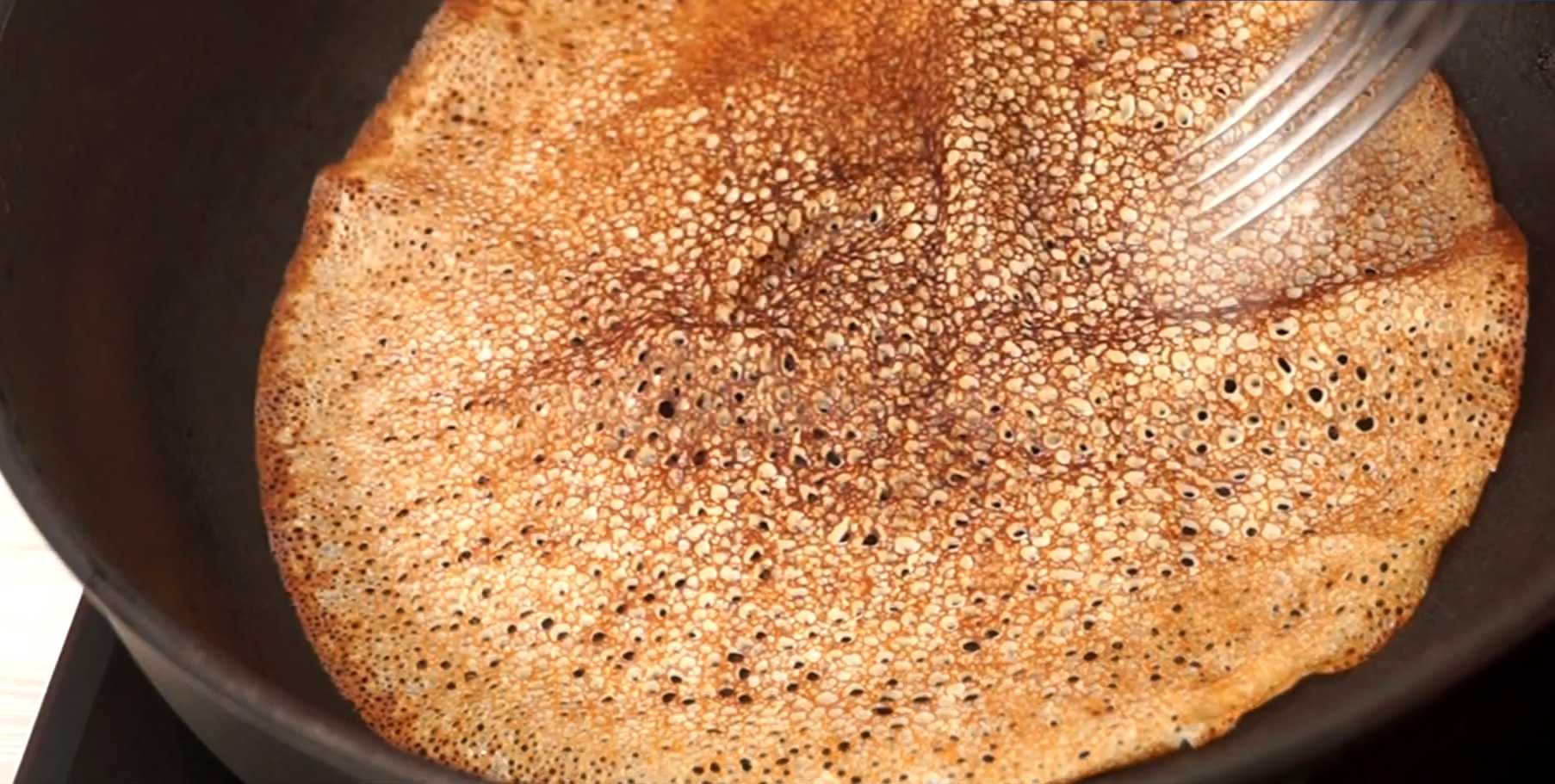 Carefully flip the pancake over with a wooden spatula and fry the other side until golden brown.
Step 10:
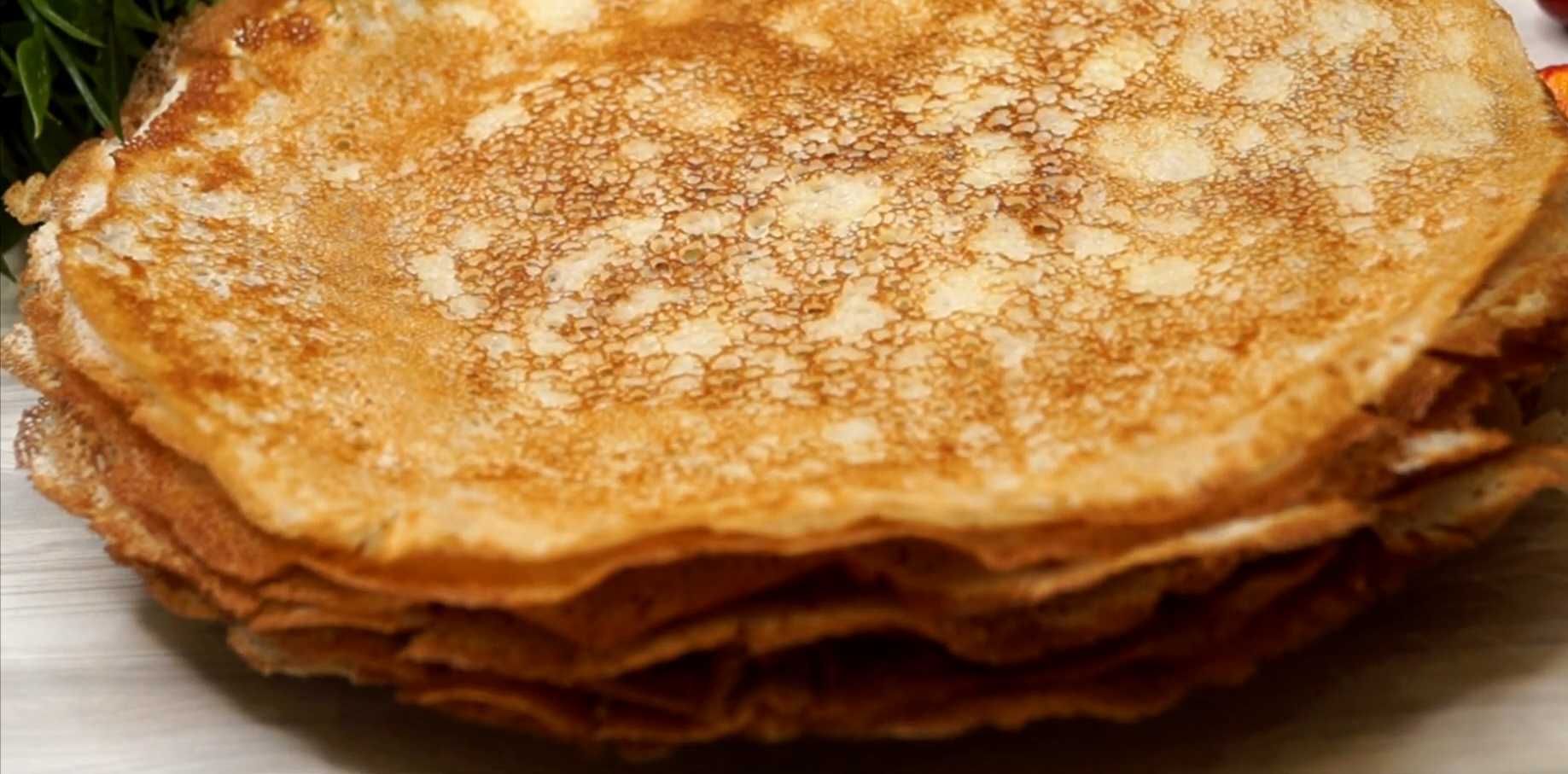 Place the finished pancake on a plate, covering it with a towel to keep it soft.
Step 11:
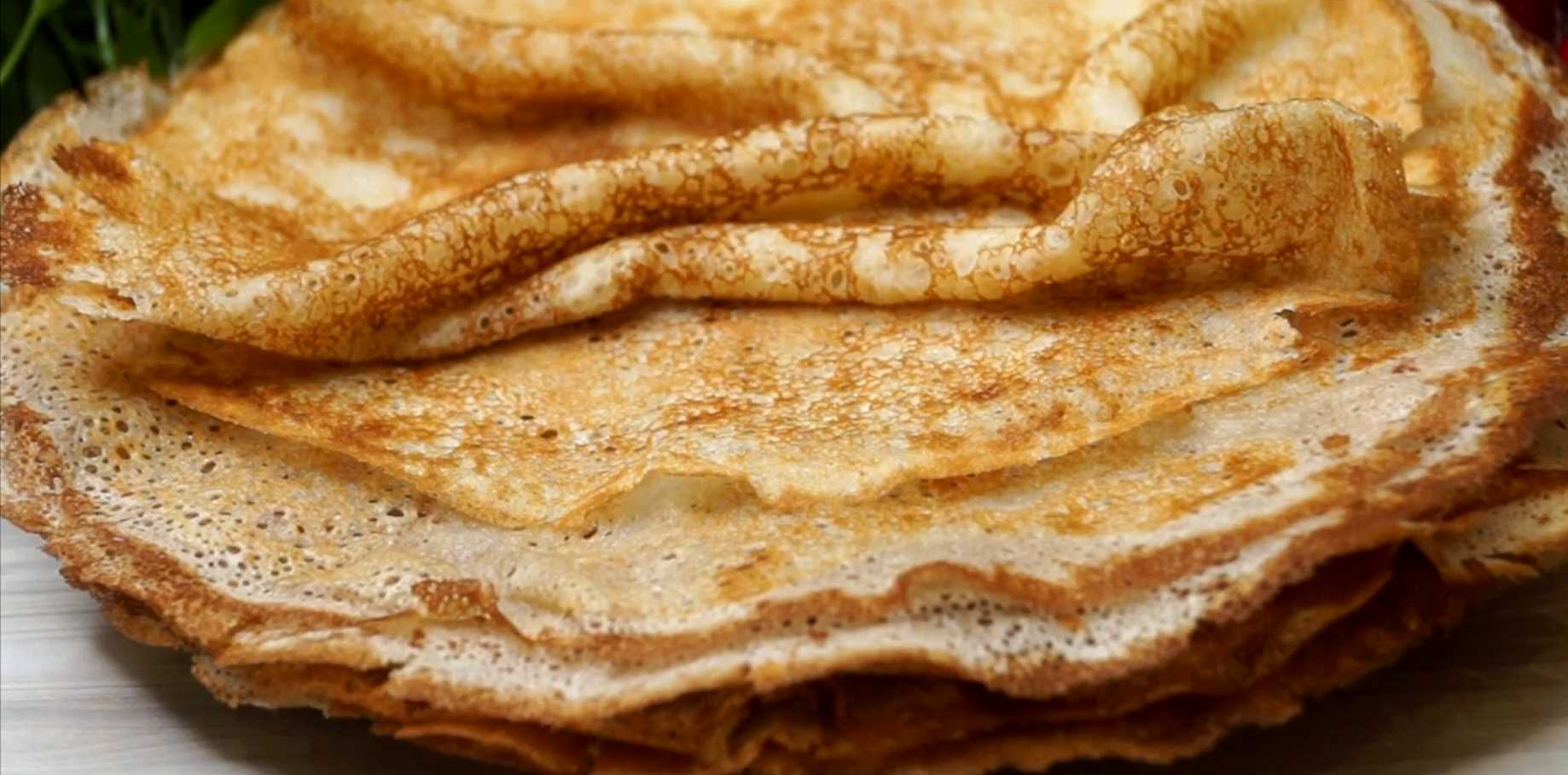 Repeat steps 6-10 until you run out of dough.
Step 12:
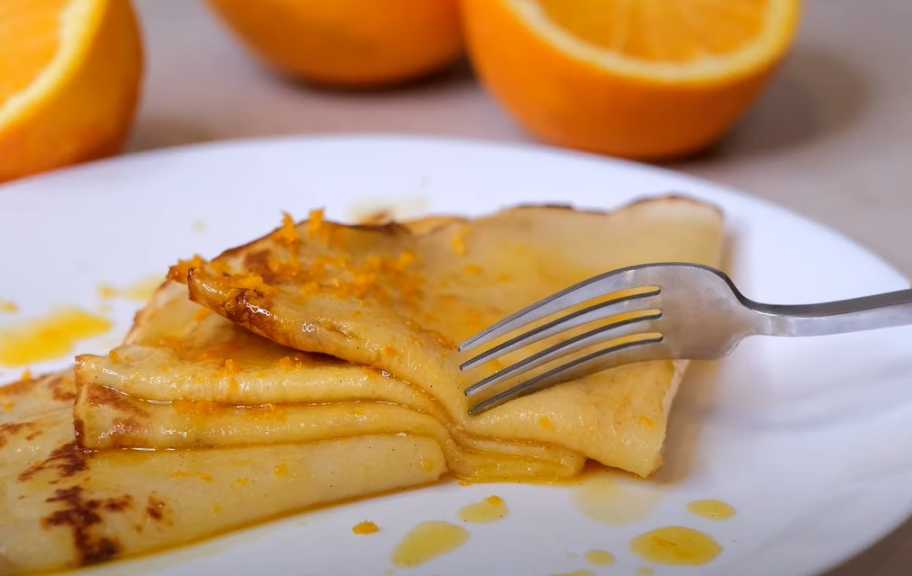
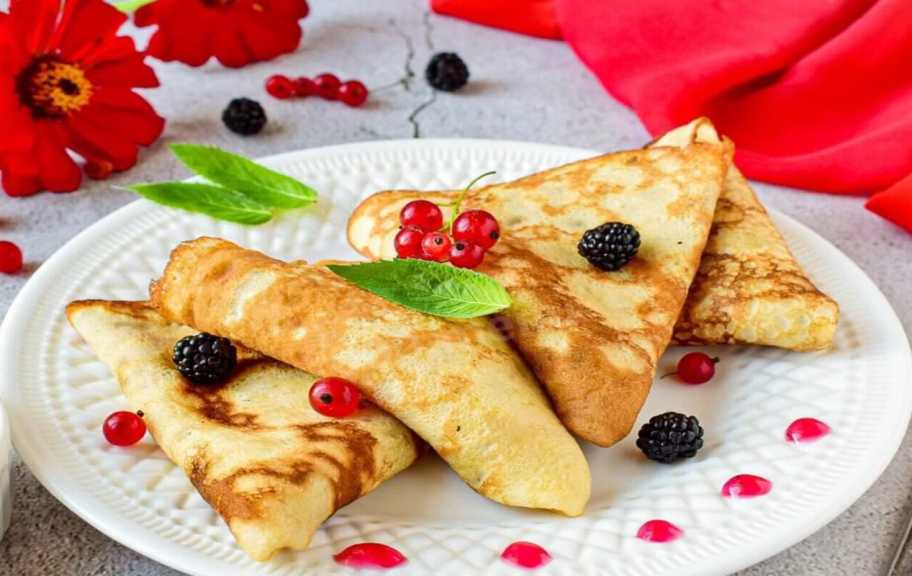
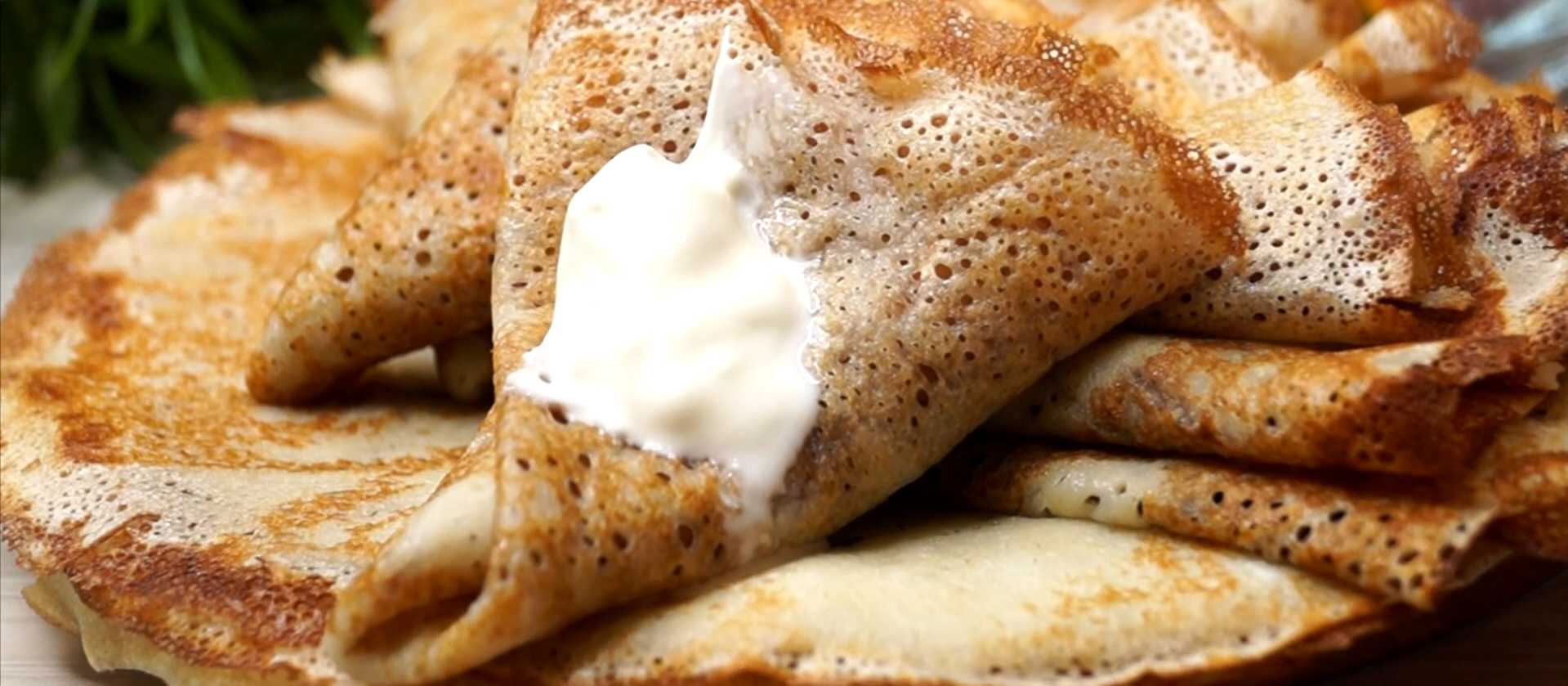 Serve the pancakes hot, with sour cream, jam, or any other filling of your choice.
Cooking tips:
Pour boiling water gradually, stirring constantly. Adding hot water too quickly can cause lumps—pour in a thin stream, whisking vigorously.
Use warm milk (or water) if the recipe calls for it. Although boiling water is the base, any additional liquids should be warm to avoid disturbing the dough's structure.
Don't skip the resting stage. Let the dough rest for 10–15 minutes after mixing—this will improve elasticity and make the pancakes thinner and smoother.
Add a little vegetable oil to the finished batter. It will prevent it from sticking to the pan and give the pancakes a light shine and softness.
Fry in a well-heated, but not overheated, frying pan. Medium heat is ideal. Too much heat will prevent the batter from spreading, and the pancakes will turn out thick and uneven.
Cover the finished pancakes with a towel. This will keep them soft and elastic, preventing them from drying out and ensuring they roll up perfectly with any filling.