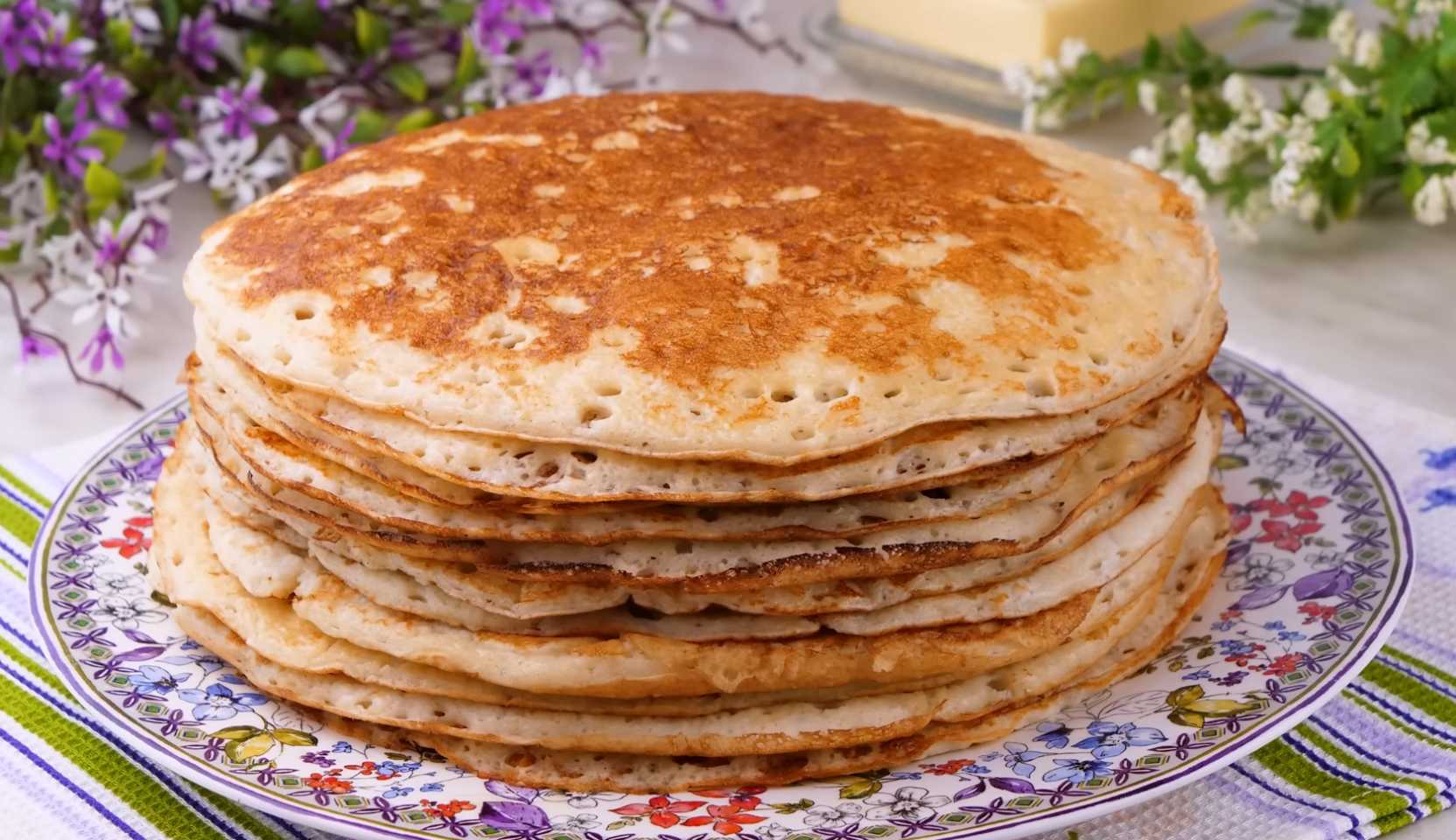
Millet pancakes
Origin of the recipe
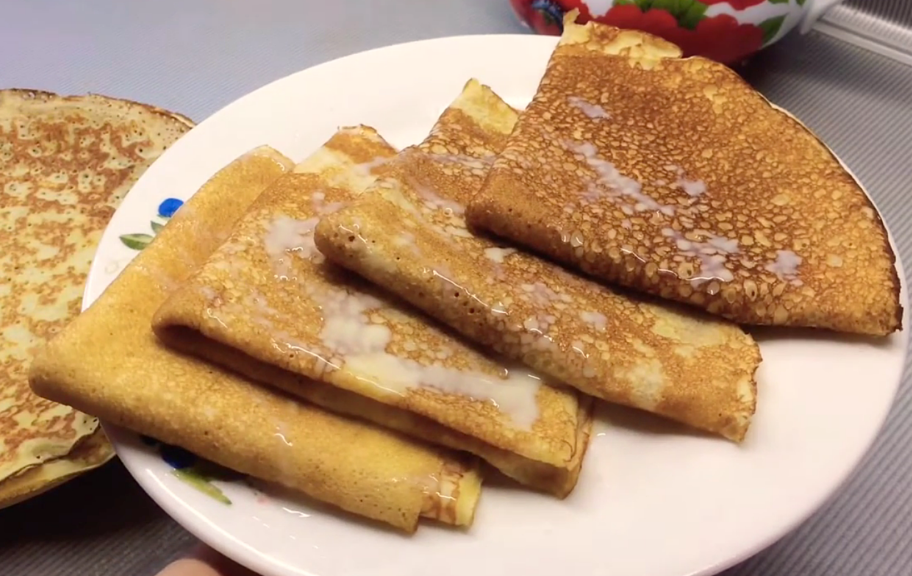
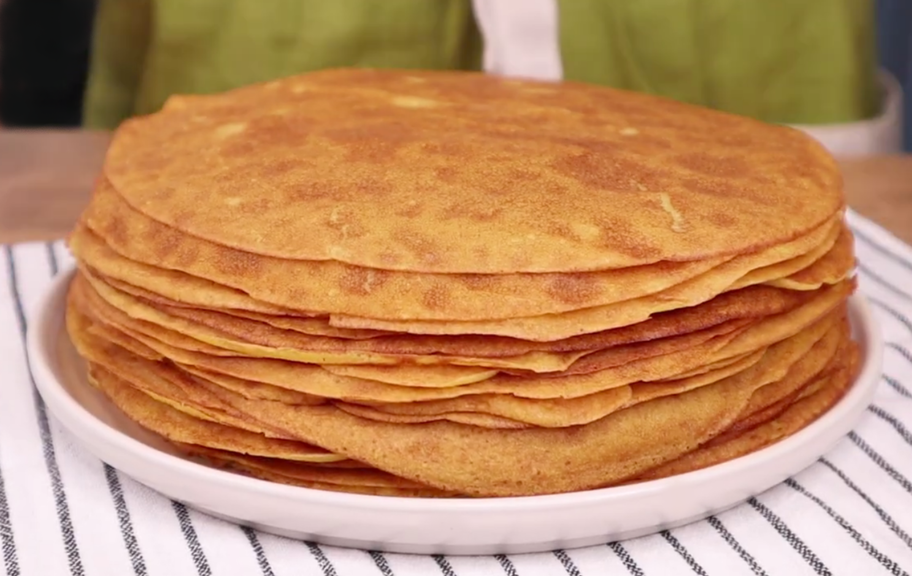
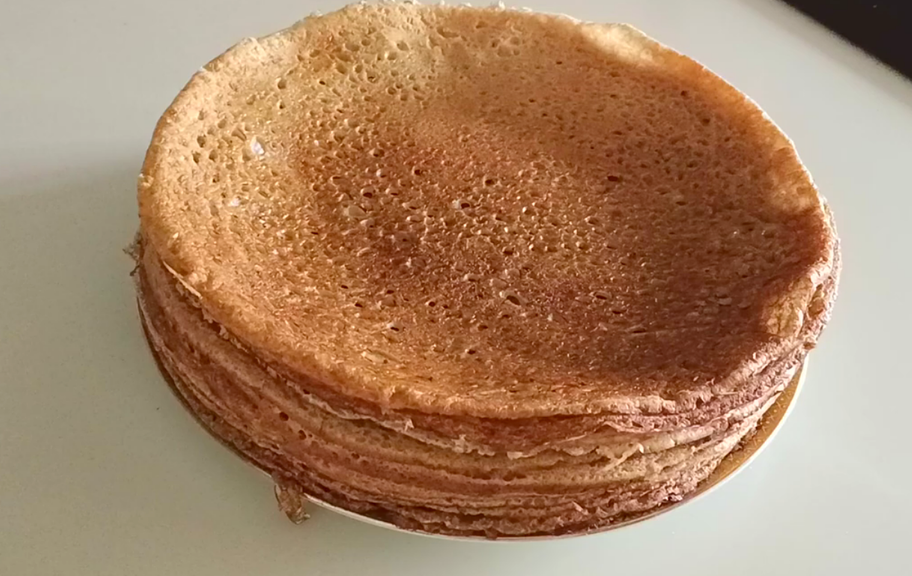
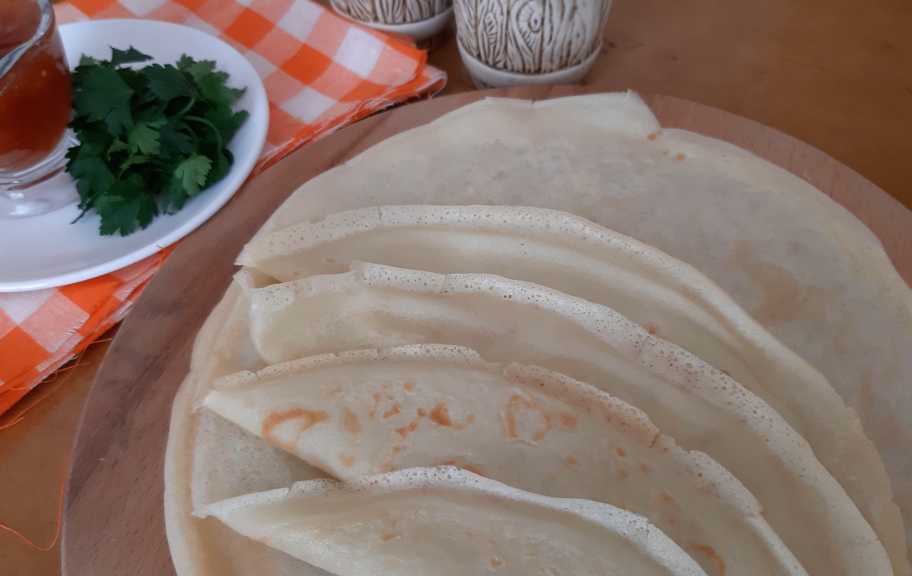
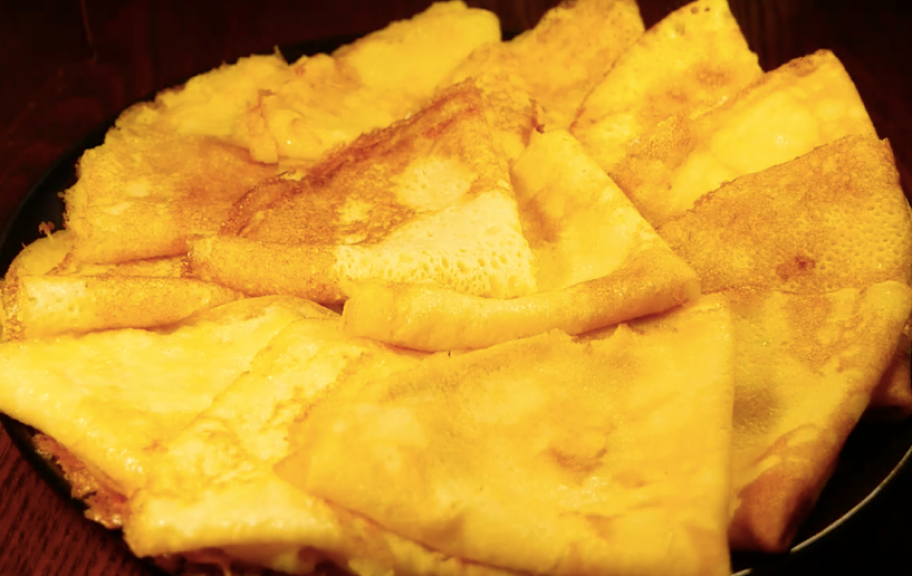
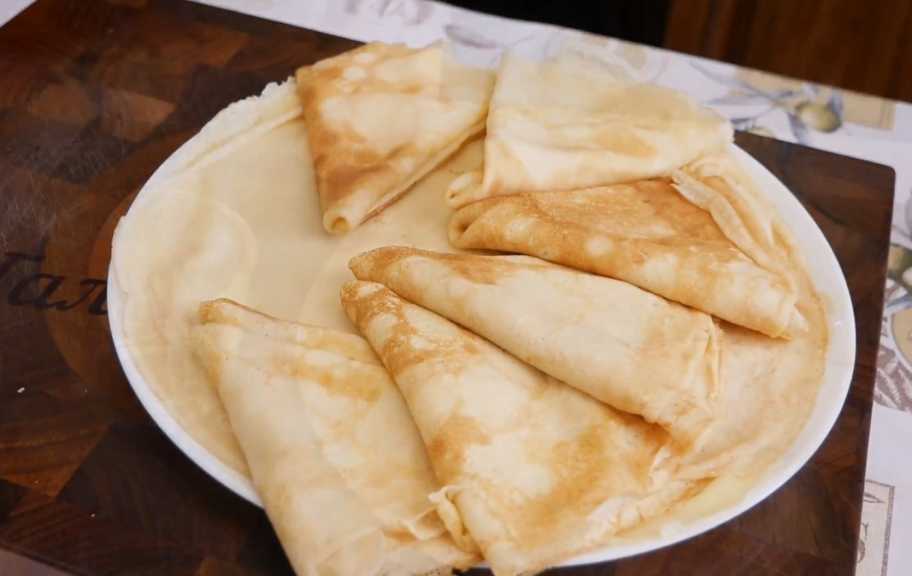
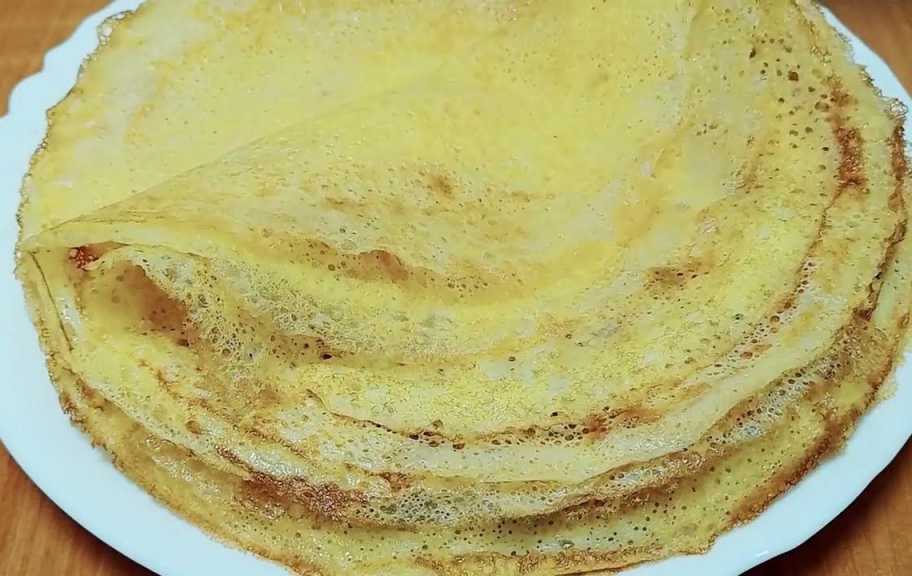
Millet porridge pancakes are a practical dish of Russian peasant cuisine, originating as a way to use up leftovers from the previous day's porridge and avoid food waste. Millet, one of the oldest grains in Rus', has been prized for centuries for its nutritional value, affordability, and long-lasting satiating properties. In pre-revolutionary villages, it was often boiled in water or milk and served as a stand-alone dish, but over time, it began to be added to the batter for pancakes and crepes—especially during fasting days or periods of austerity. These pancakes were dense, slightly crumbly, with a characteristic golden hue and a subtle nutty aroma. During Soviet times, the recipe survived in rural areas and among families adhering to a traditional diet. Today, millet porridge pancakes are experiencing a resurgence thanks to interest in "forgotten" grains, gluten-free, and natural products. They are served with honey and berries, or with stewed vegetables or mushrooms, depending on preference.
What do you need for cooking?
Ingredients
-
Millet
-
Water
-
Milk
-
Flour
-
Eggs
-
Sugar
-
Salt
-
Dry yeast
-
Vegetable oil
-
Butter
Kitchen utensils
- Whisk
- Plate
- shoulder blade
- deep bowl
- Non-stick frying pan
Step-by-step recipe:
Step 1:
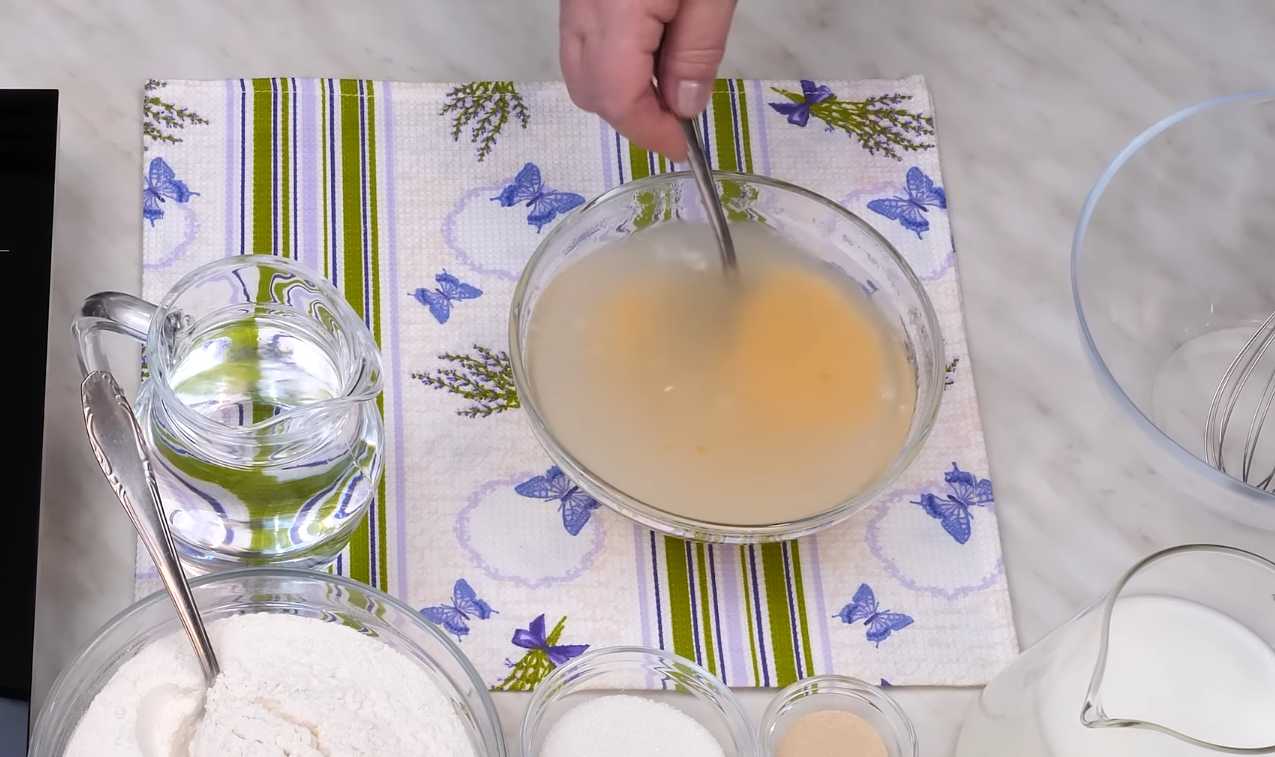 Rinse the millet under running water, pouring it in and draining the cloudy water several times.
Step 2:
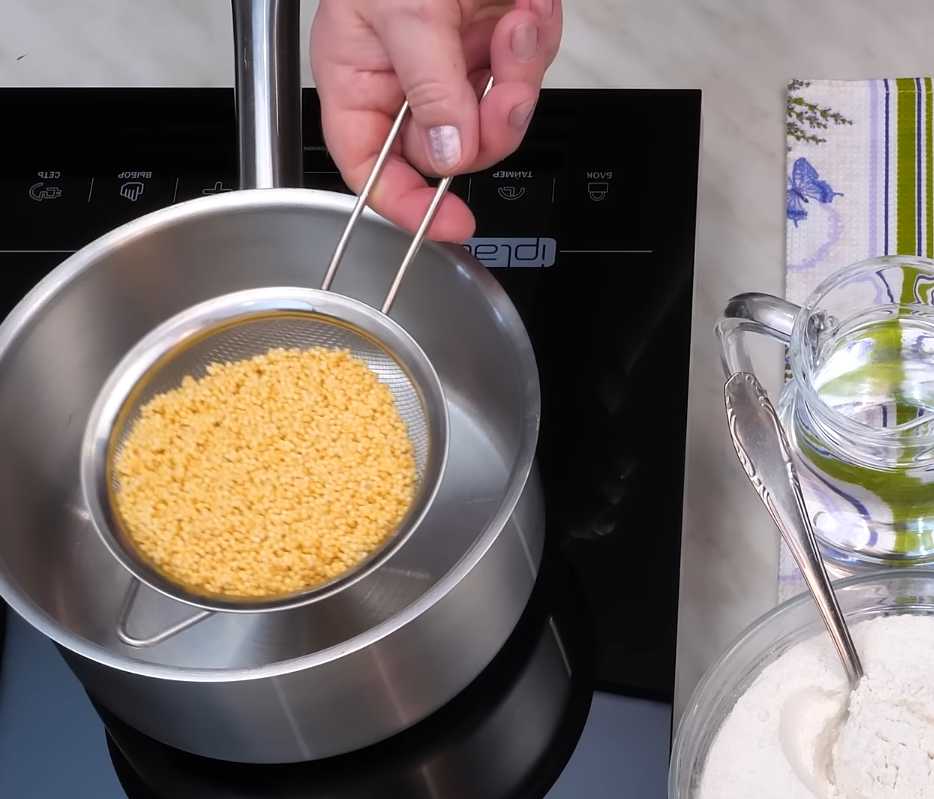 Place the cereal in a colander and let the excess liquid drain.
Step 3:
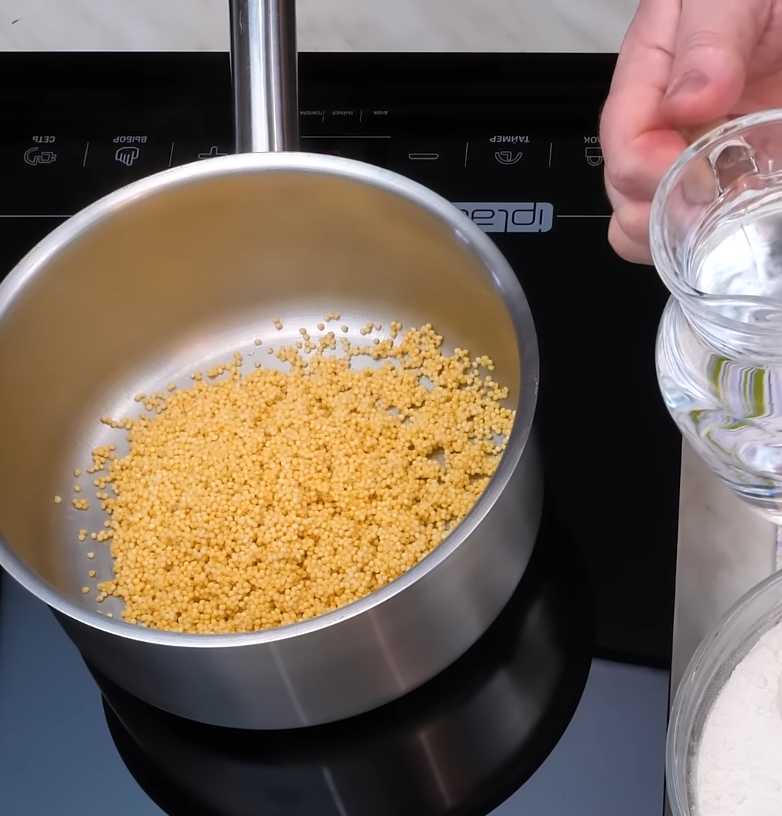 Place the washed millet into a saucepan and cover with fresh water.
Step 4:
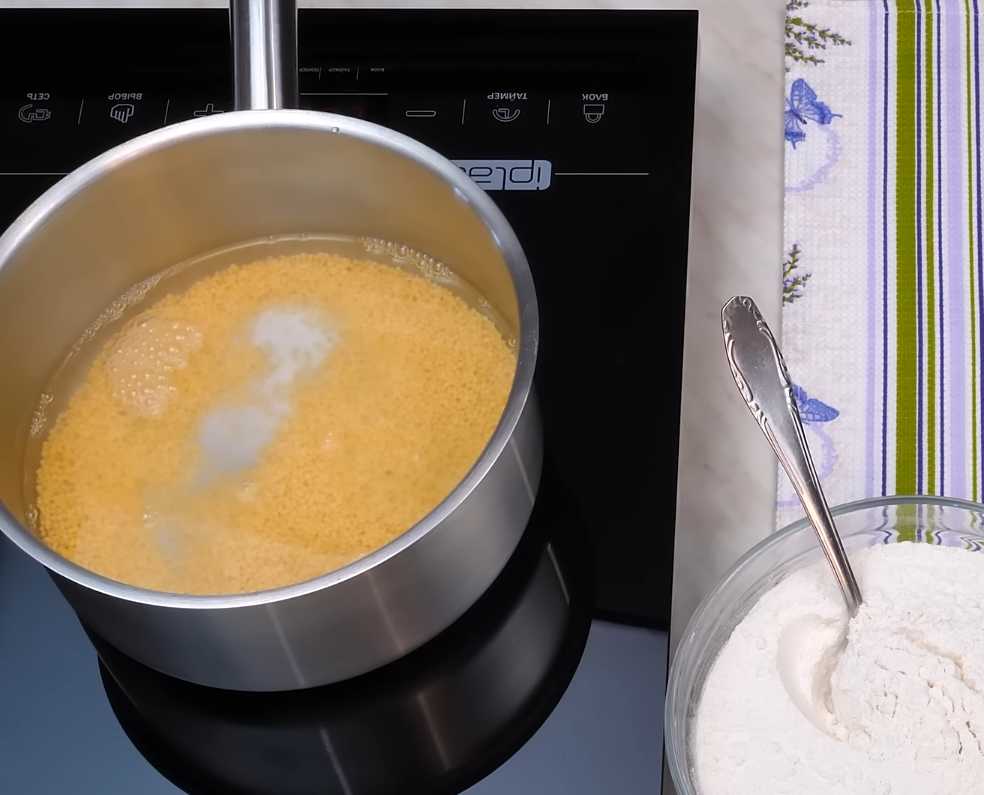 Place over medium heat and bring to a boil.
Step 5:
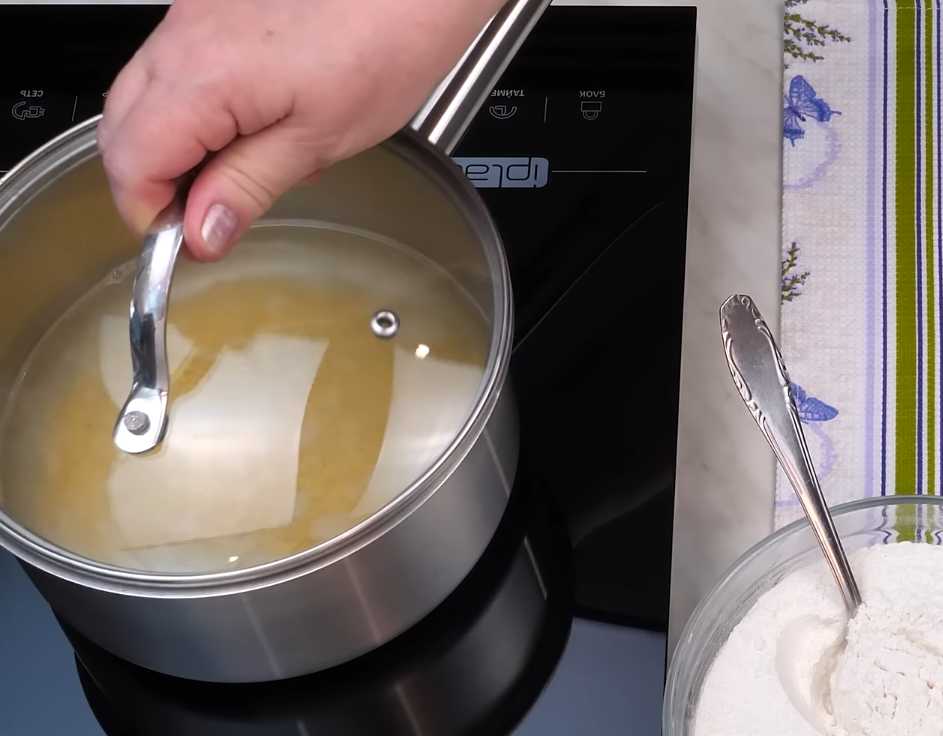 Reduce heat and simmer for 20–25 minutes until tender, stirring occasionally.
Step 6:
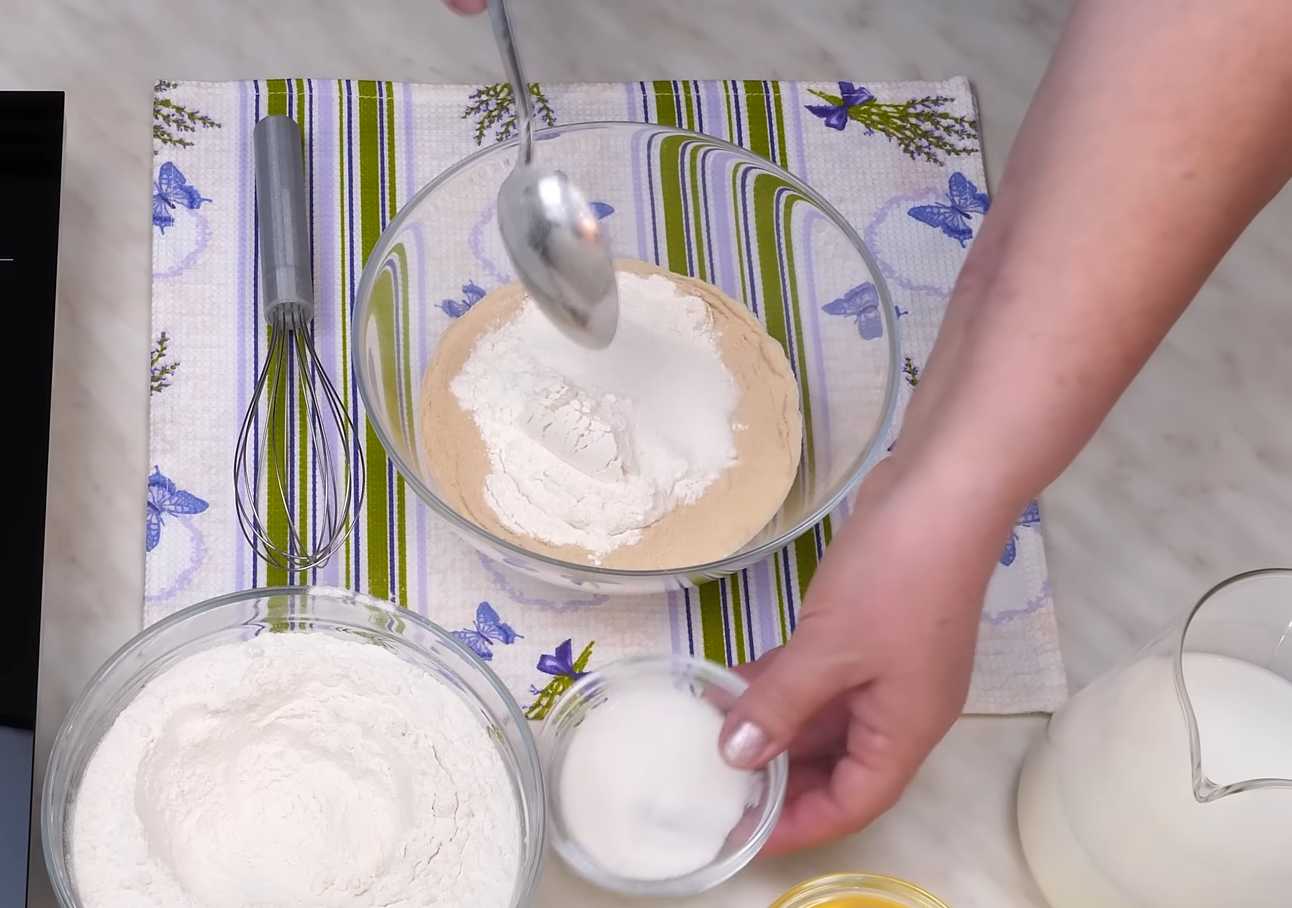 Pour warm milk into a bowl, add dry yeast, 3 tablespoons of flour and another 1 tablespoon of sugar.
Step 7:
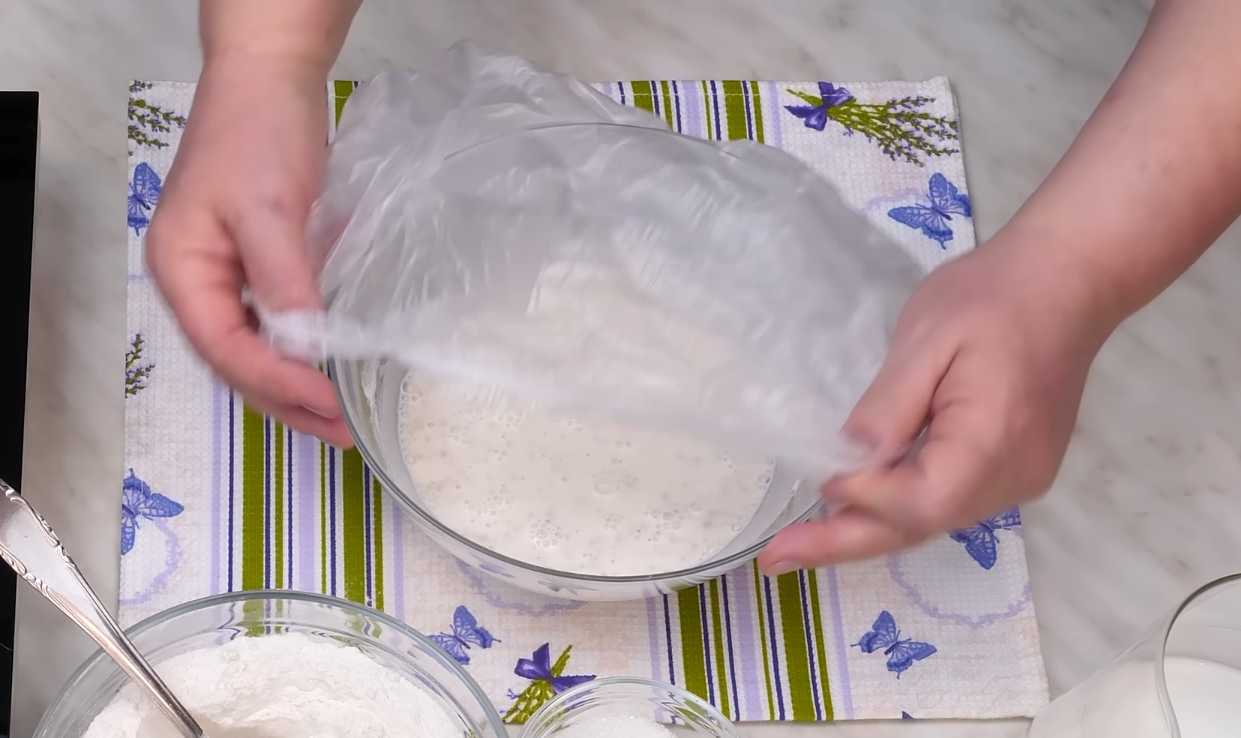 Mix thoroughly and leave the dough in a warm place for 10-15 minutes until bubbles appear.
Step 8:
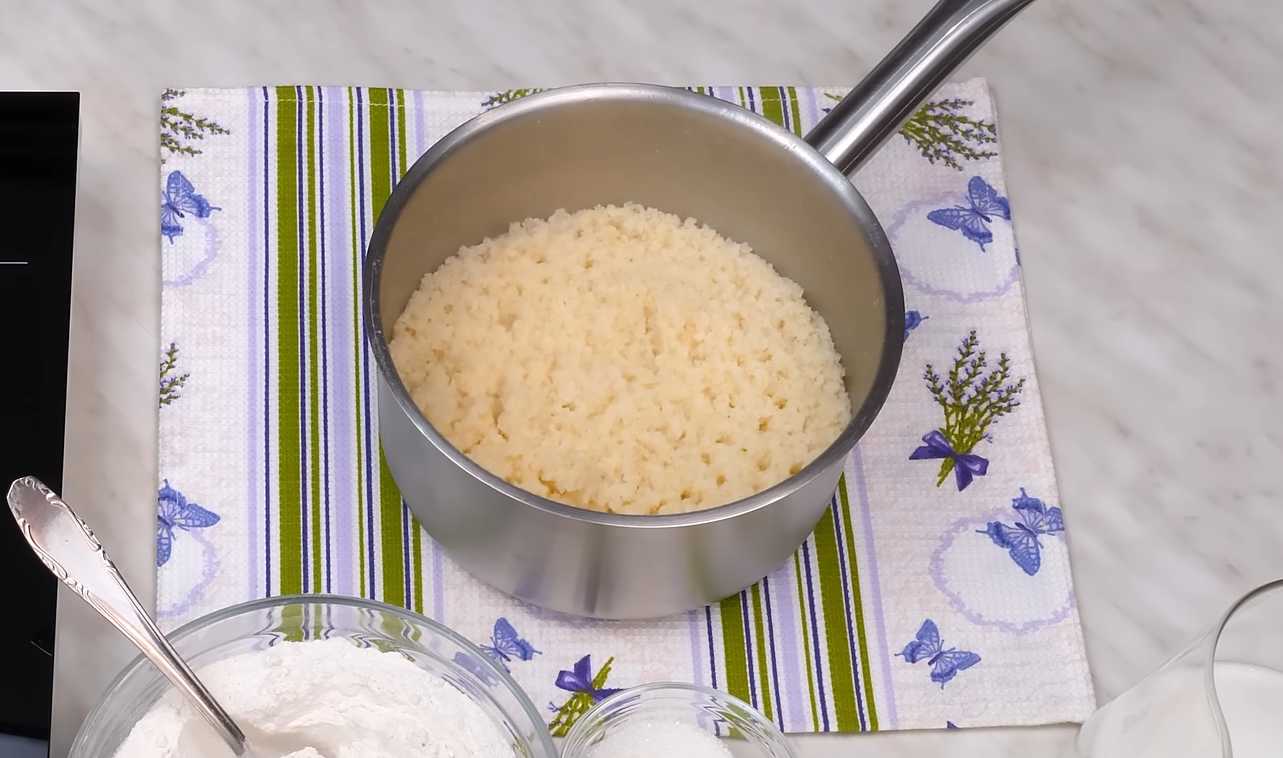 Remove the finished millet porridge from the heat and cool slightly.
Step 9:
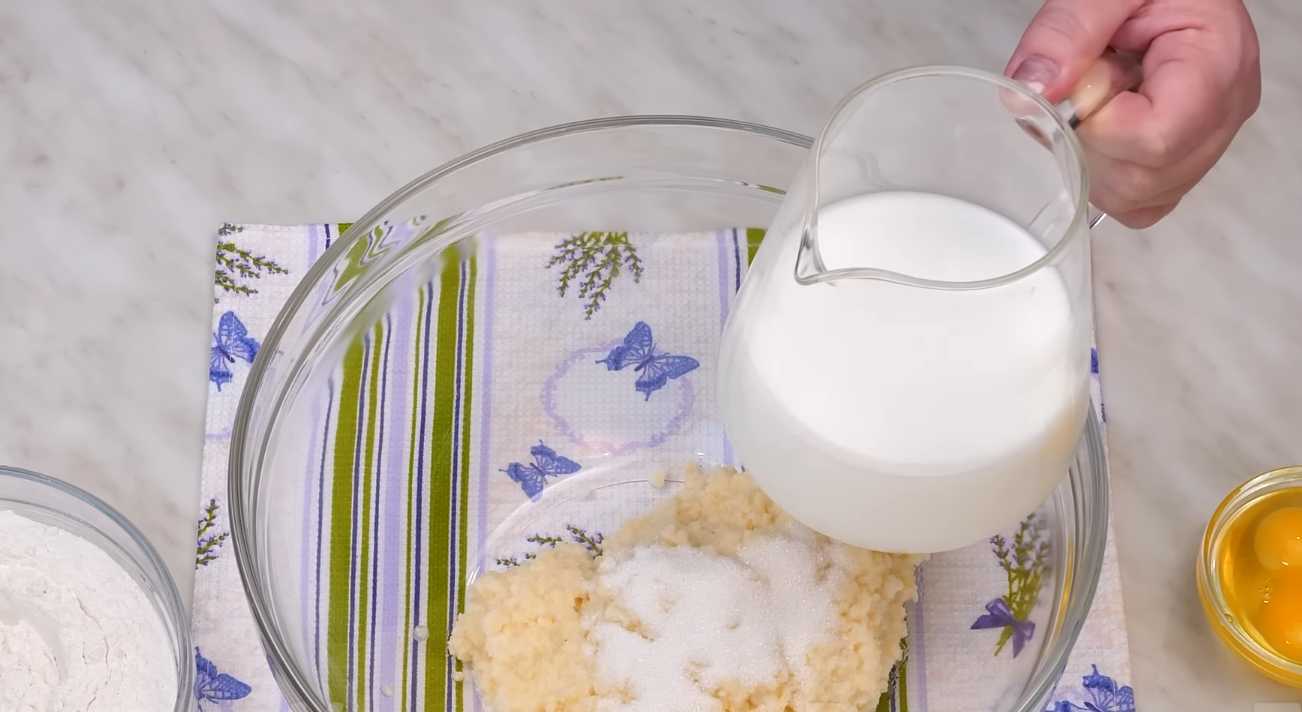 Transfer it to a clean bowl, add salt, 1 tbsp. sugar and some milk.
Step 10:
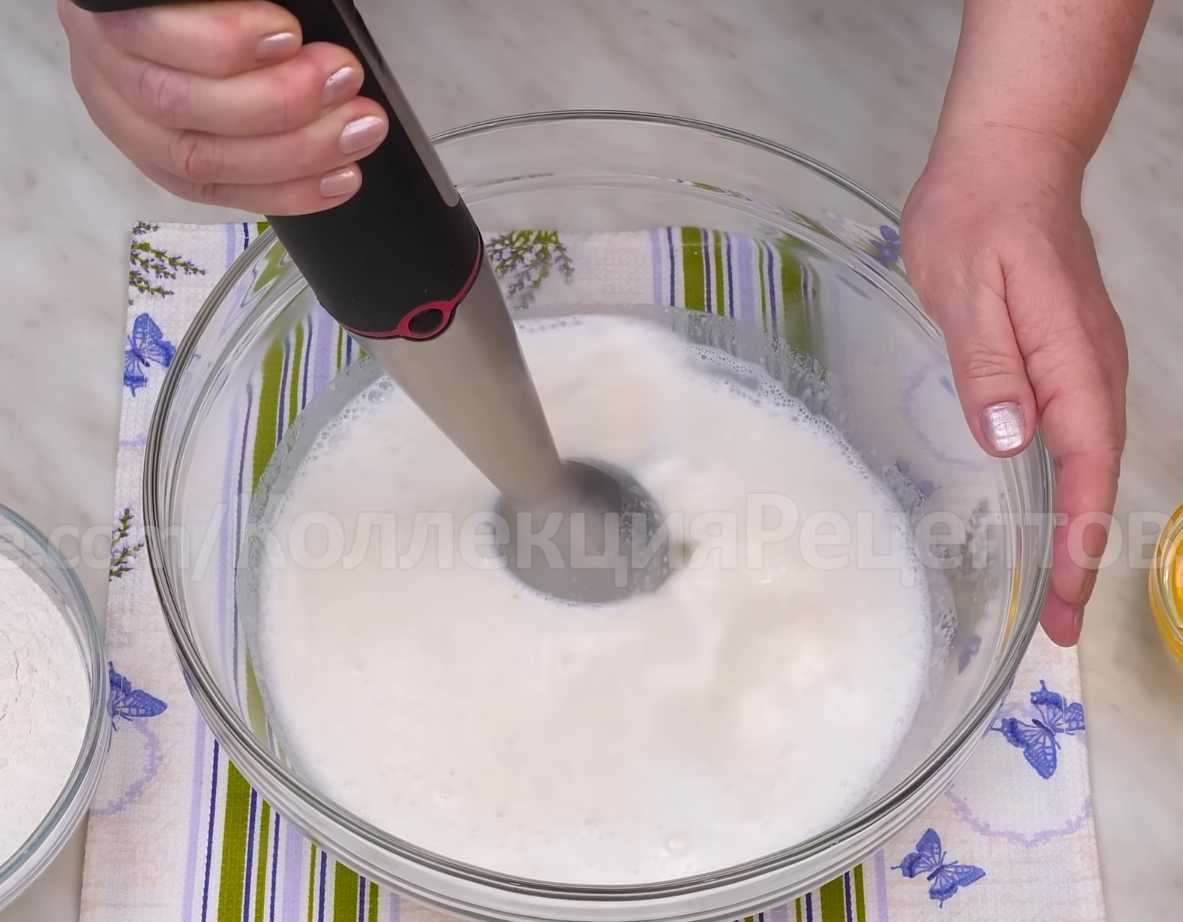 Beat until smooth and homogeneous.
Step 11:
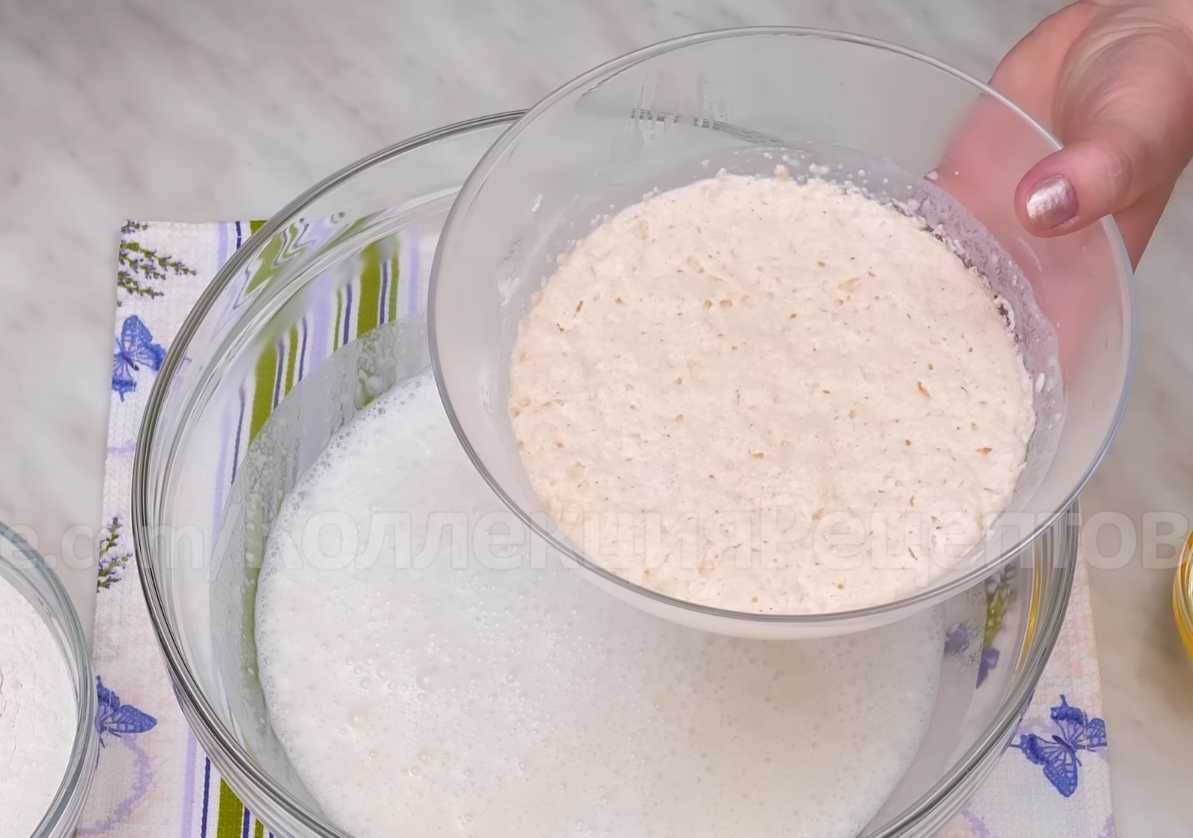 Add the activated dough and stir.
Step 12:
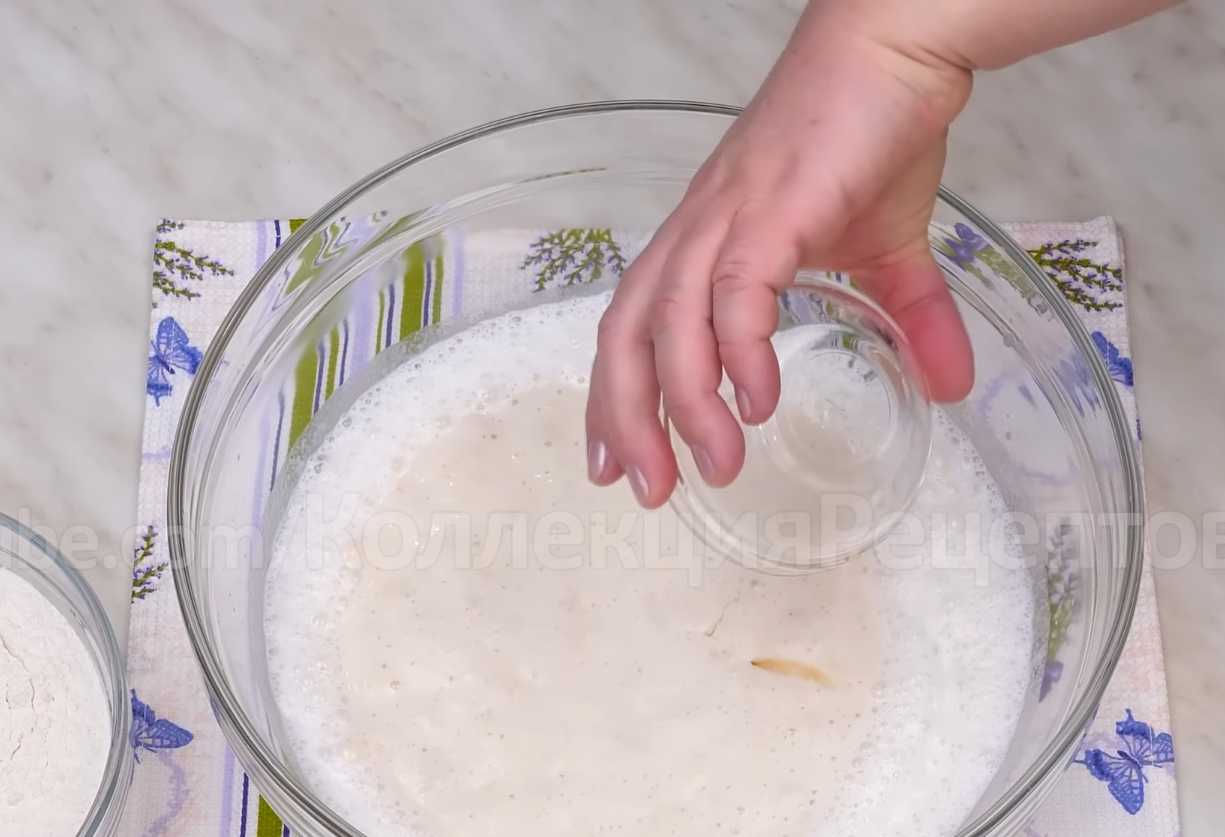 Add the eggs and combine the ingredients well again.
Step 13:
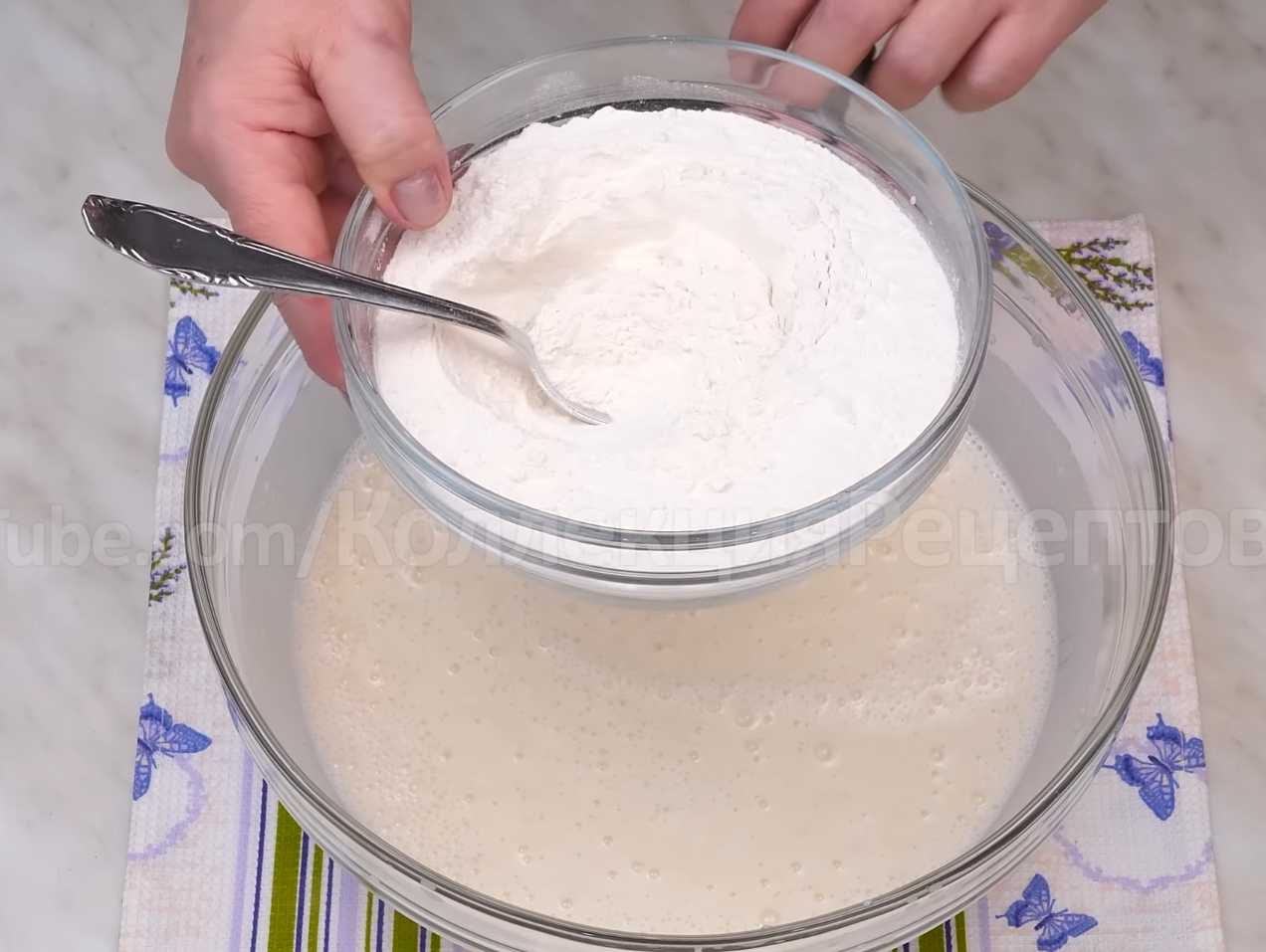 Gradually add the remaining flour, stirring constantly to prevent lumps from forming.
Step 14:
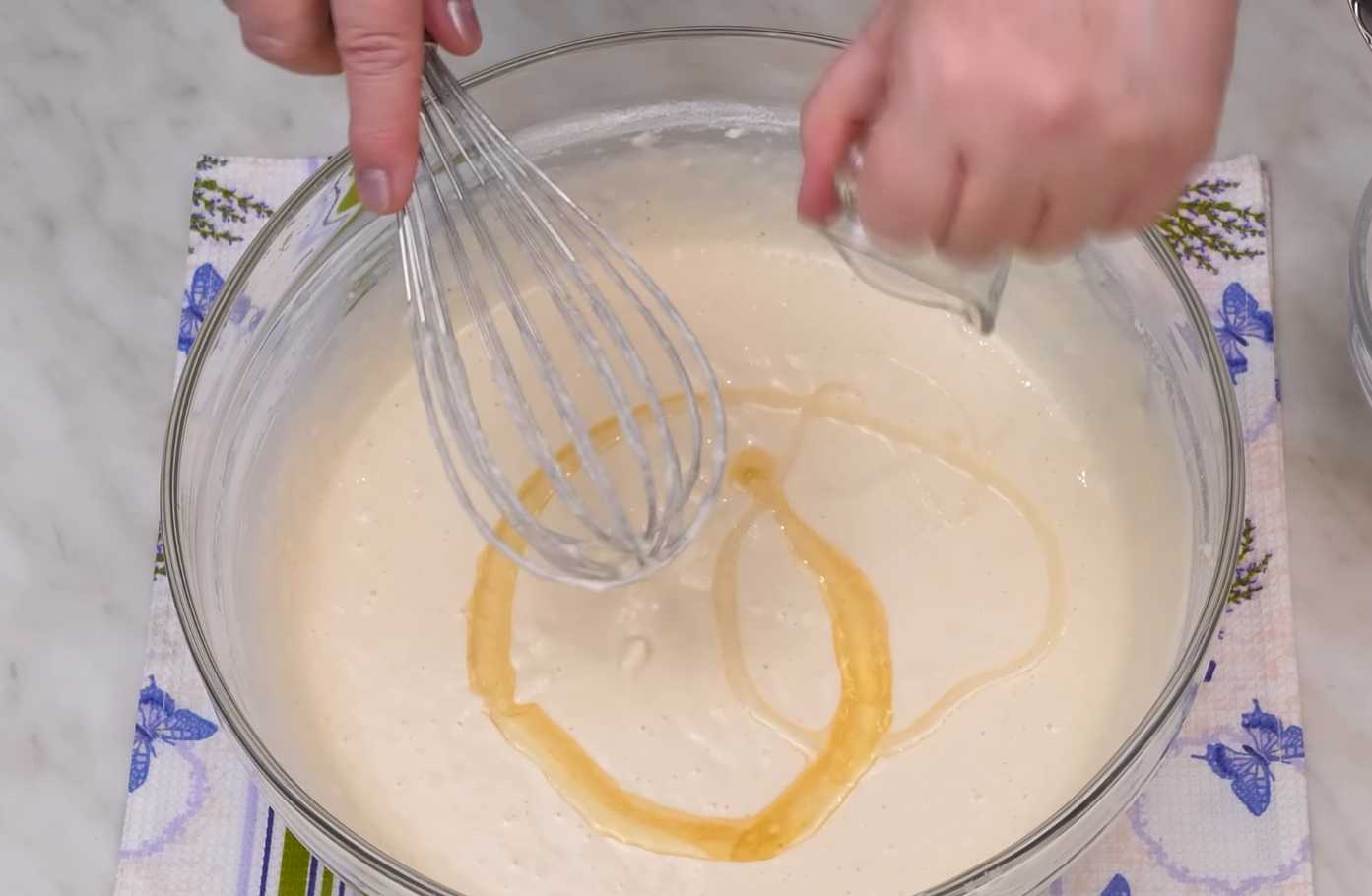 Pour in vegetable oil and knead a soft, elastic dough.
Step 15:
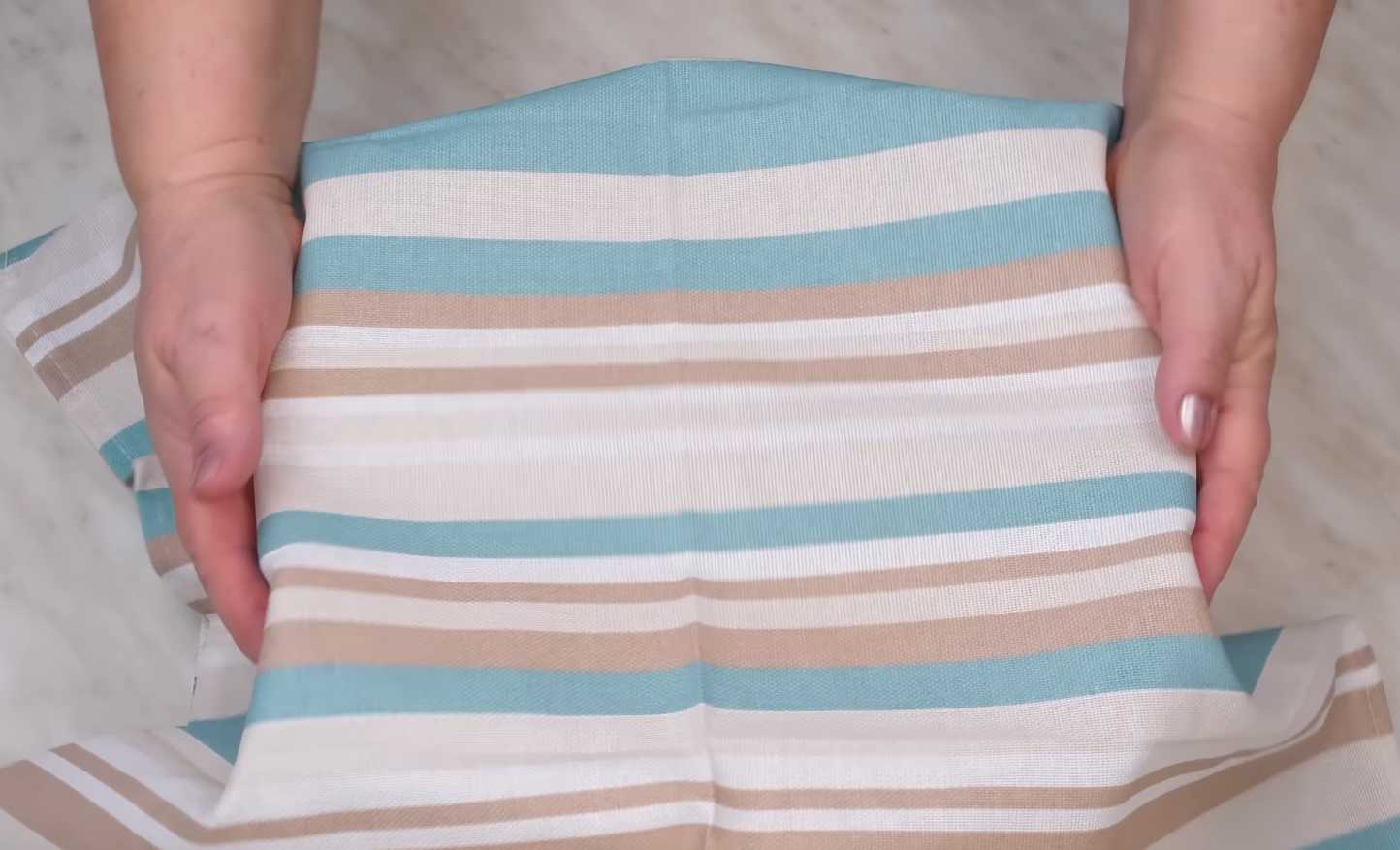 Cover the bowl with a towel and let the dough rest for 15–20 minutes.
Step 16:
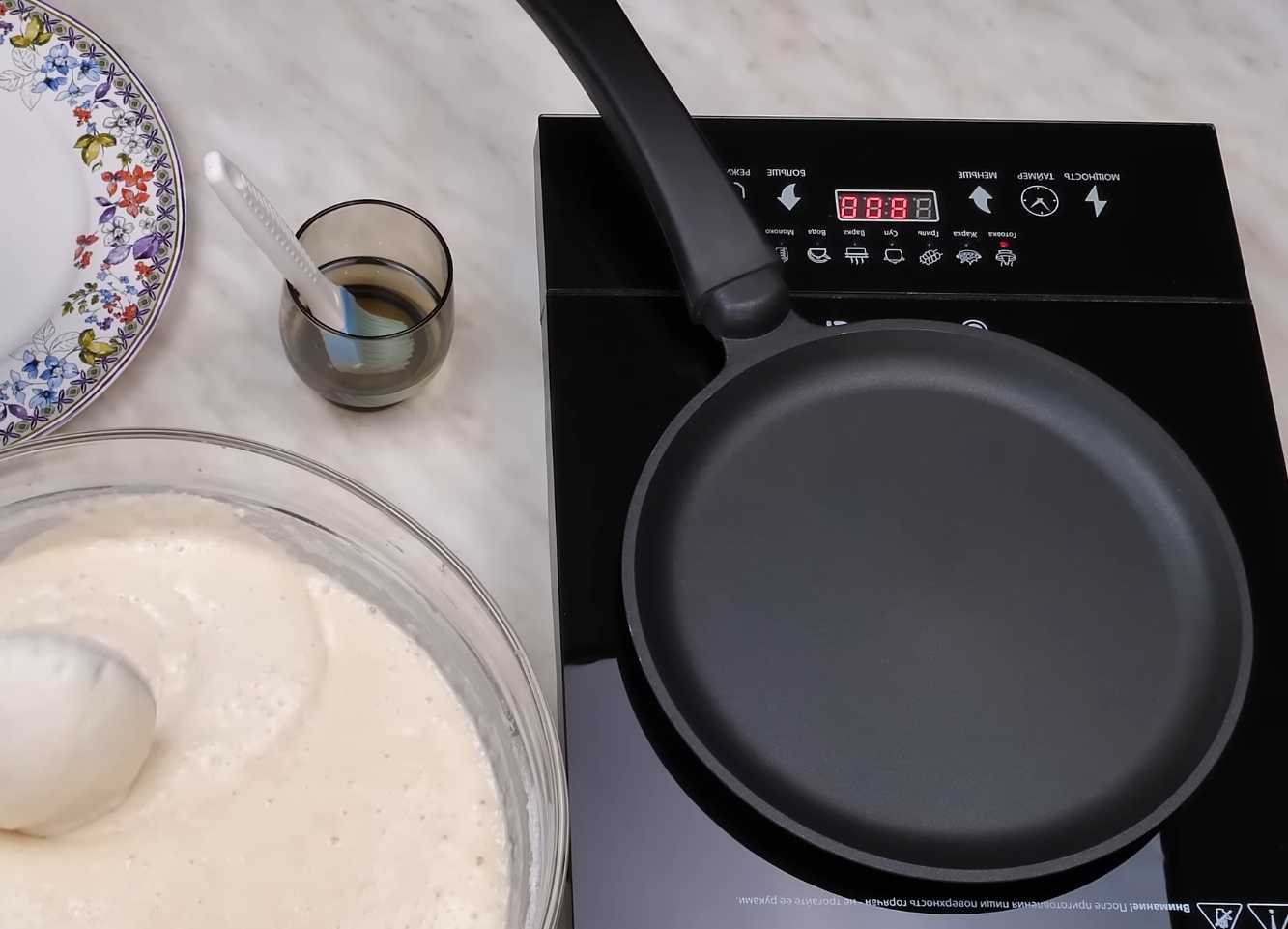 Heat a frying pan and lightly grease it with oil.
Step 17:
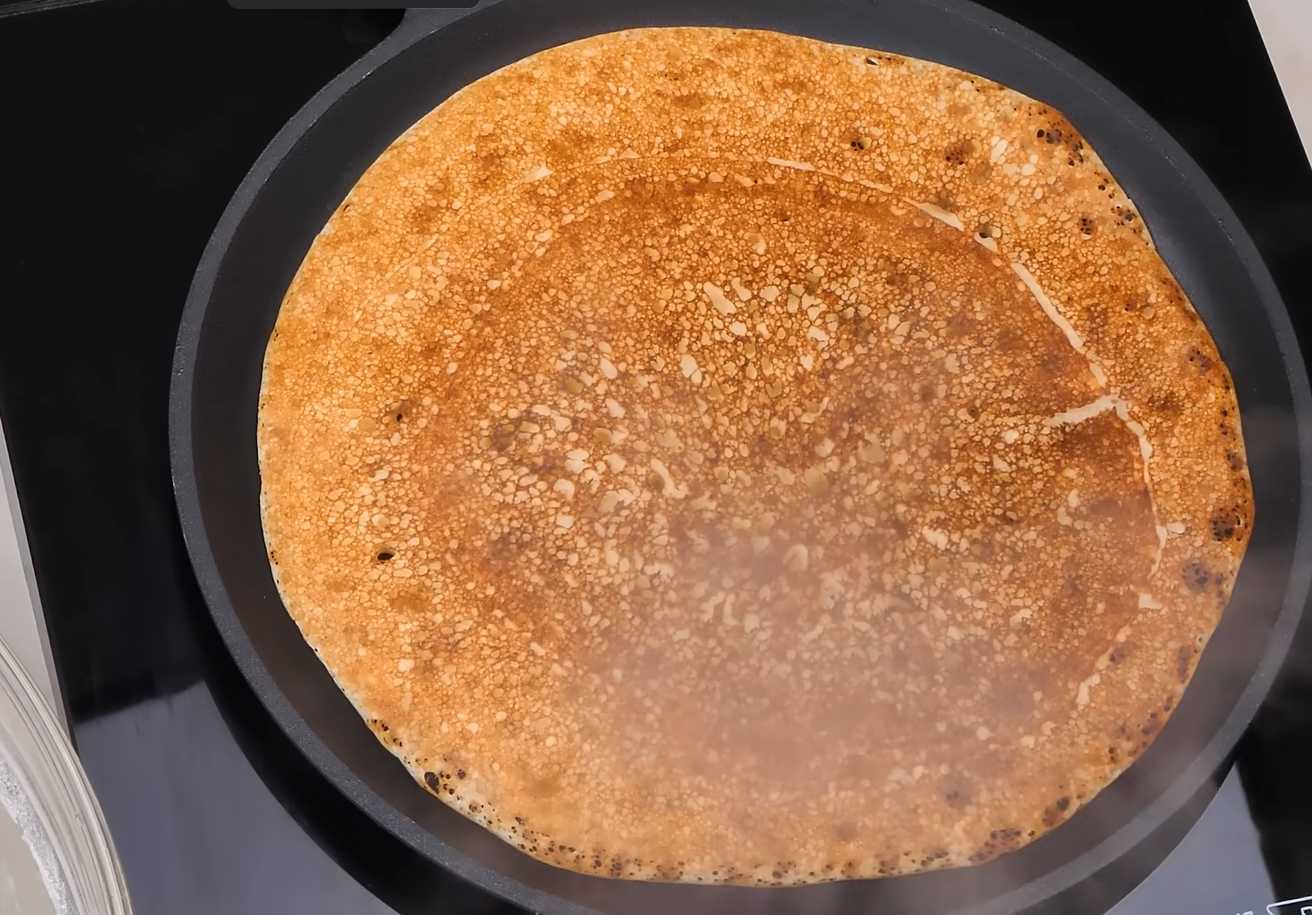 Pour the batter in portions, forming round pancakes, and fry on both sides until golden brown.
Step 18:
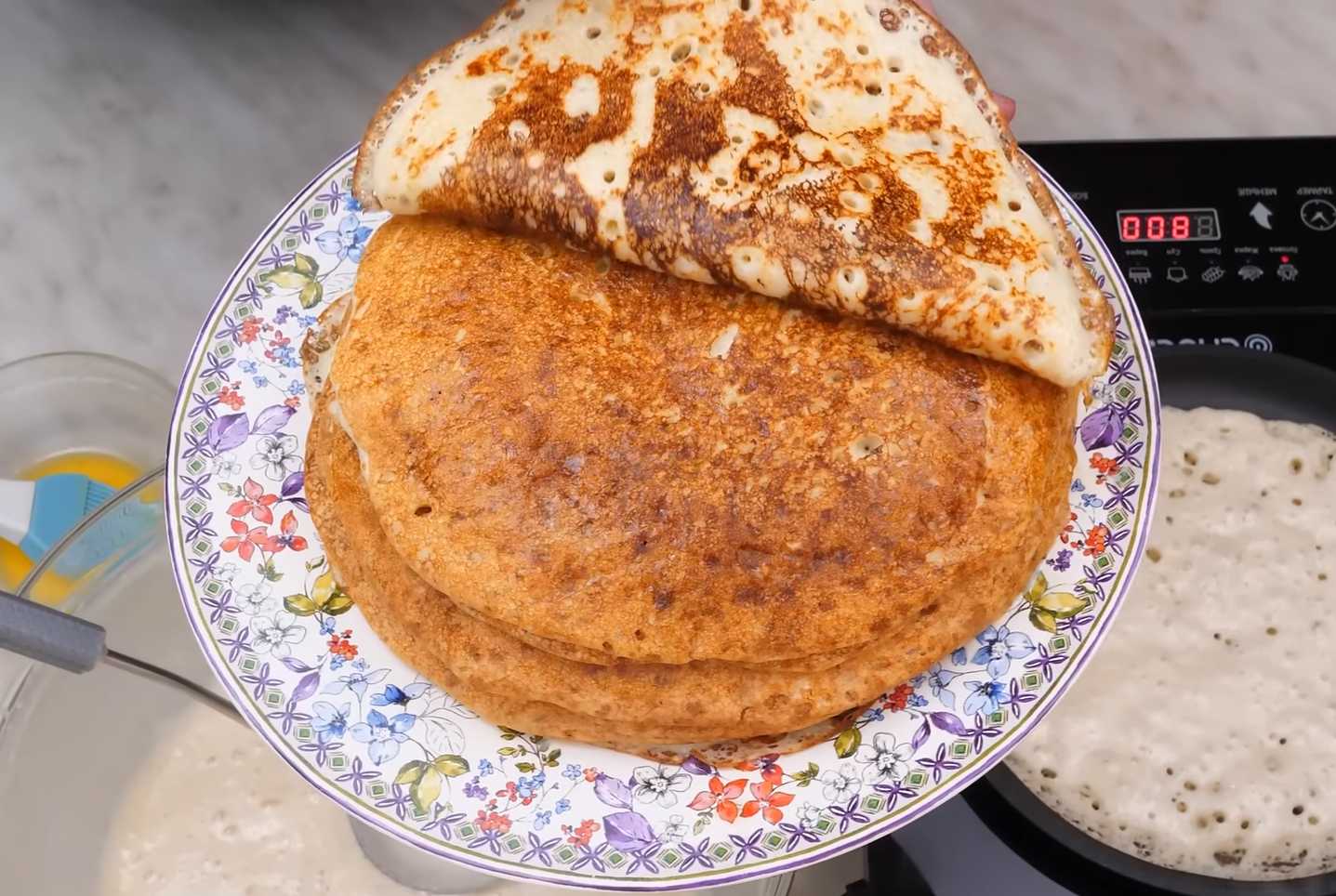 Place the finished pancakes on a plate, covering them to keep them warm.
Step 19:
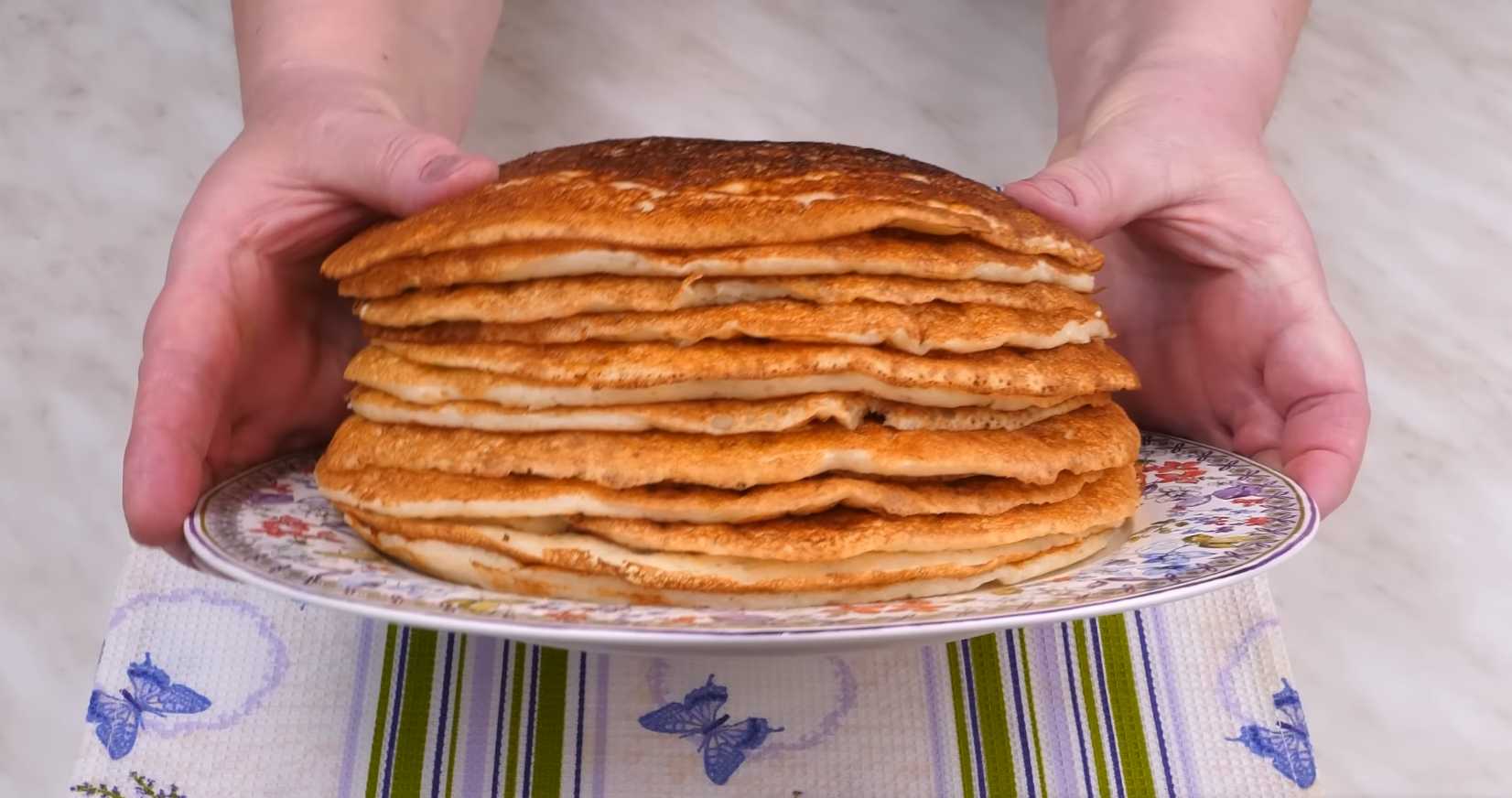 Serve warm with sour cream, honey or your favorite sauce.
Cooking tips:
Use cooled, crumbly millet porridge. It's best to cook it in advance in water or milk (unsweetened) to prevent it from becoming sticky—excess moisture will ruin the dough's structure.
Rinse the millet thoroughly before cooking. This will remove any bitterness and sliminess that can ruin the taste of the finished pancakes.
Blend the porridge (optional). For a smoother texture, lightly mash the warm porridge with a fork or blend it in a blender—this will help it distribute more evenly throughout the batter.
Sift the flour and let the batter rest for 10–15 minutes. This will improve the consistency and make the pancakes softer.
Fry over medium heat with a little oil. Millet pancakes are slightly denser than regular ones, so they need a little more time to cook through without burning the outside.
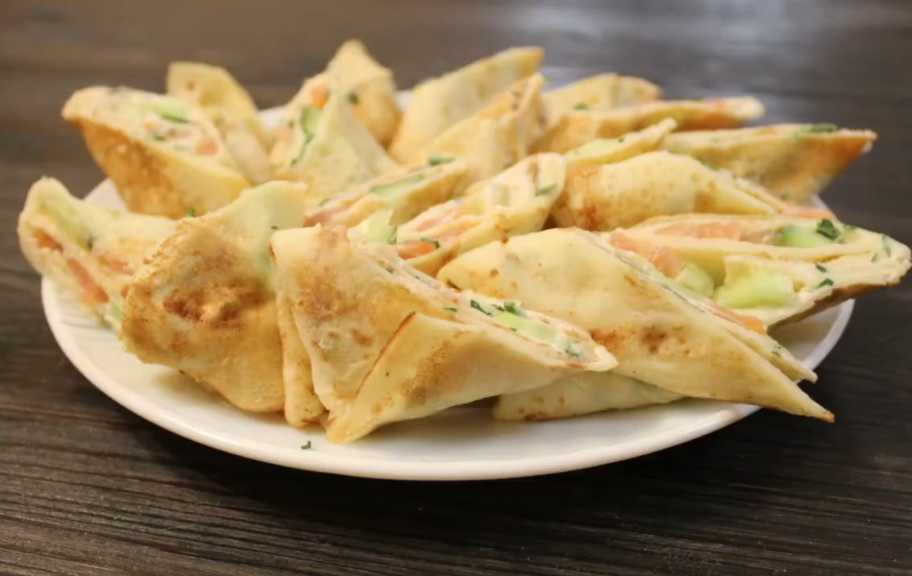
Serve warm with suitable accompaniments. They pair well with honey, melted butter, or berries for a sweet version, or with sour cream, mushrooms, or stewed cabbage if the pancakes were made without sugar as a main course.