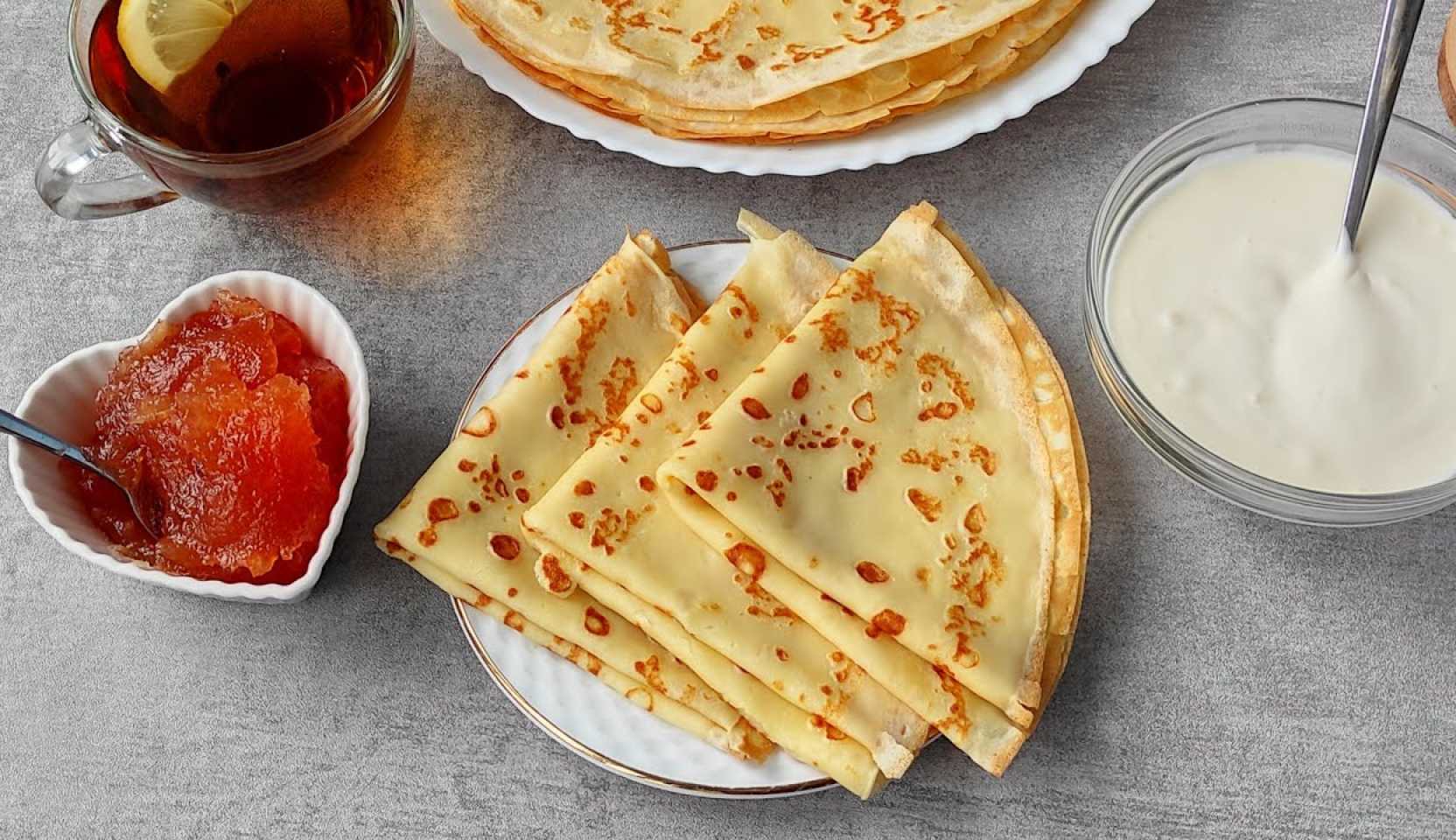
Pancakes with cream
Origin of the recipe
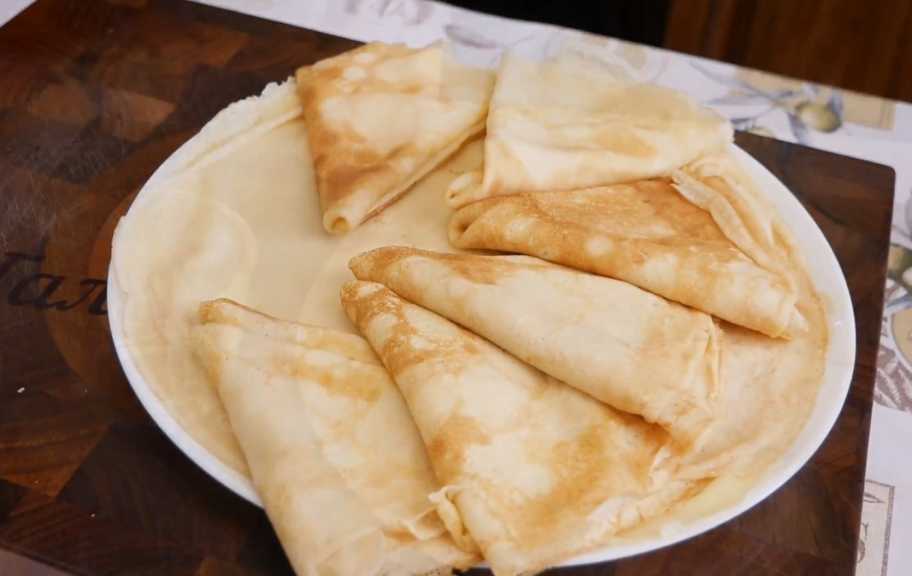
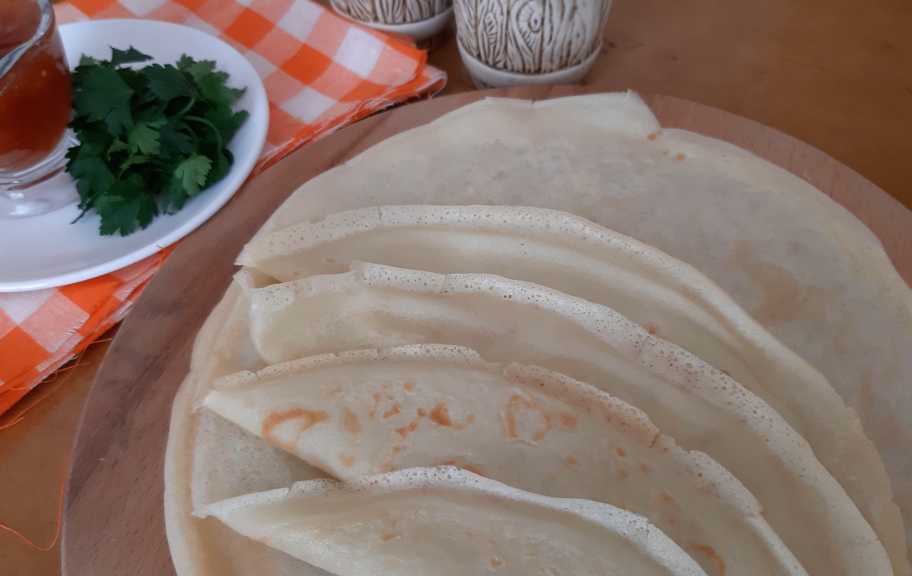
Cream pancakes are an exquisite variation of a classic Russian recipe that originated in the homes of wealthy city dwellers and noble estates in the 19th century. Cream imparted a special tenderness, velvety texture, and rich flavor to the dough, turning simple pancakes into a delicacy. They were served for breakfast or with tea with honey, berries, jam, or even caviar. Today, this recipe remains a symbol of generosity and hospitality—it's often prepared for Maslenitsa or other family celebrations when something especially delicious and unusual is desired. Cream pancakes are softer than regular pancakes, with a thin, golden crust and a light, creamy aroma.
What do you need for cooking?
Ingredients
-
Milk
-
Cream
-
Sugar
-
Eggs
-
Flour
-
Salt
Kitchen utensils
- Whisk
- shoulder blade
- deep bowl
- Non-stick frying pan
Step-by-step recipe:
Step 1:
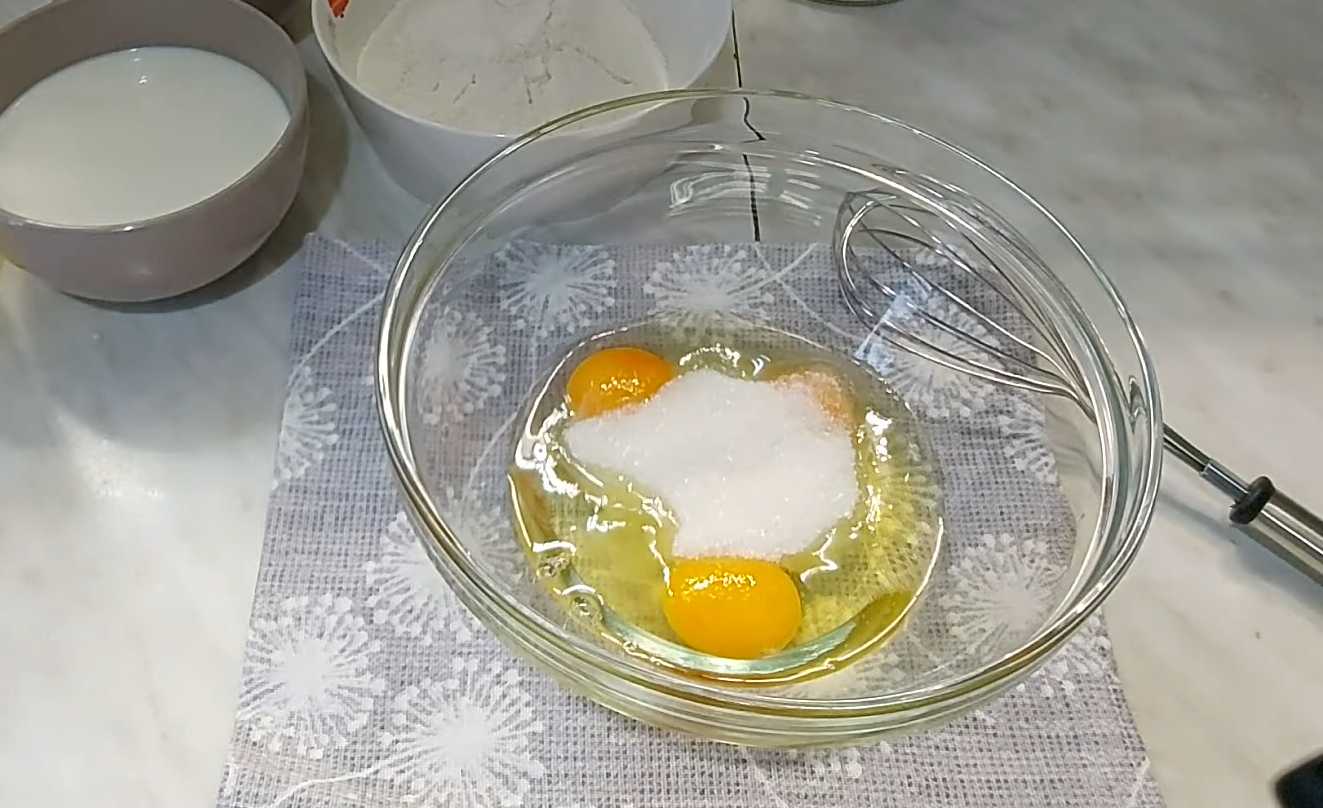 Break eggs into a bowl, add salt, sugar and beat well with a whisk until smooth.
Step 2:
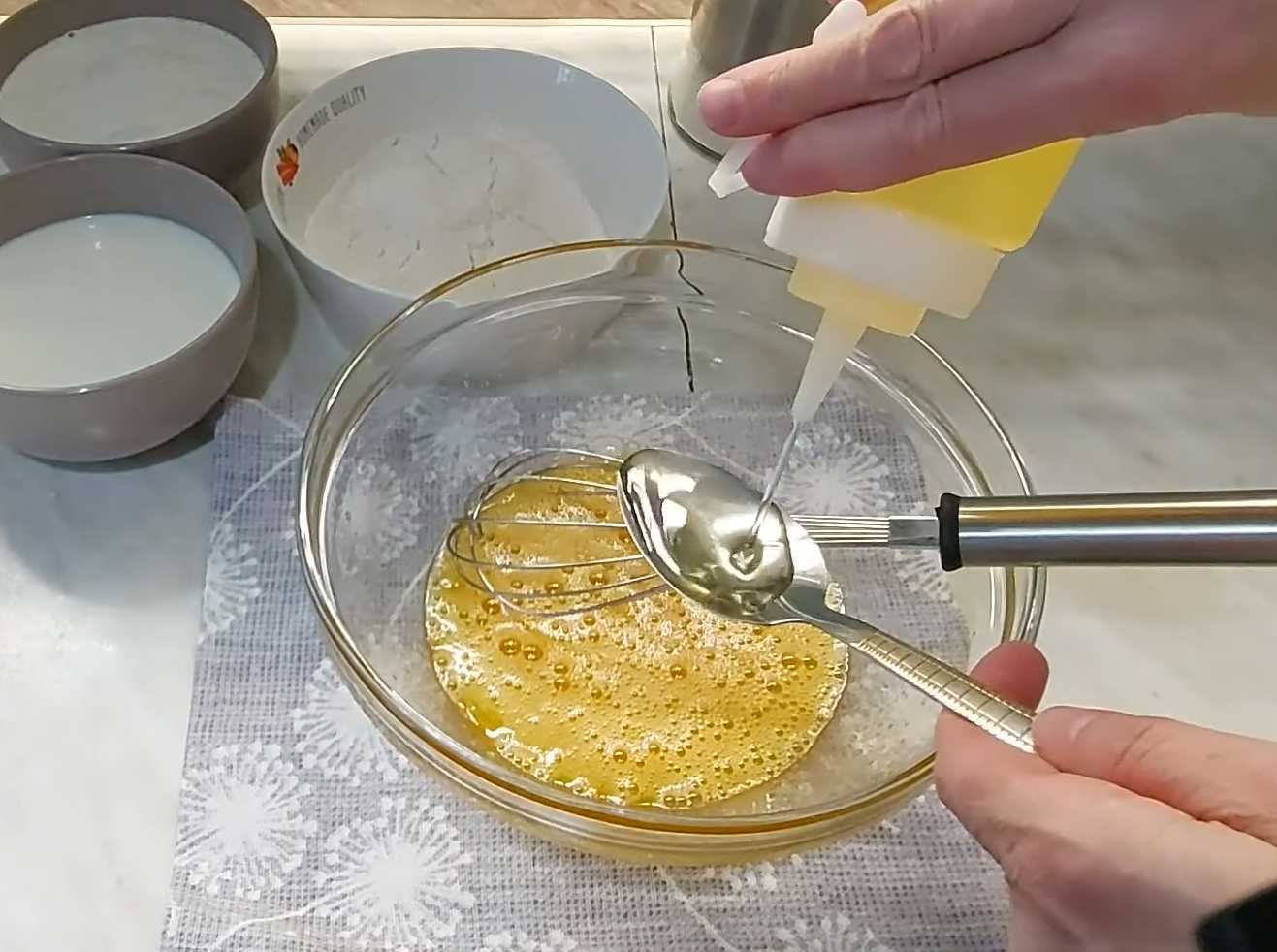 Add vegetable oil and mix well again.
Step 3:
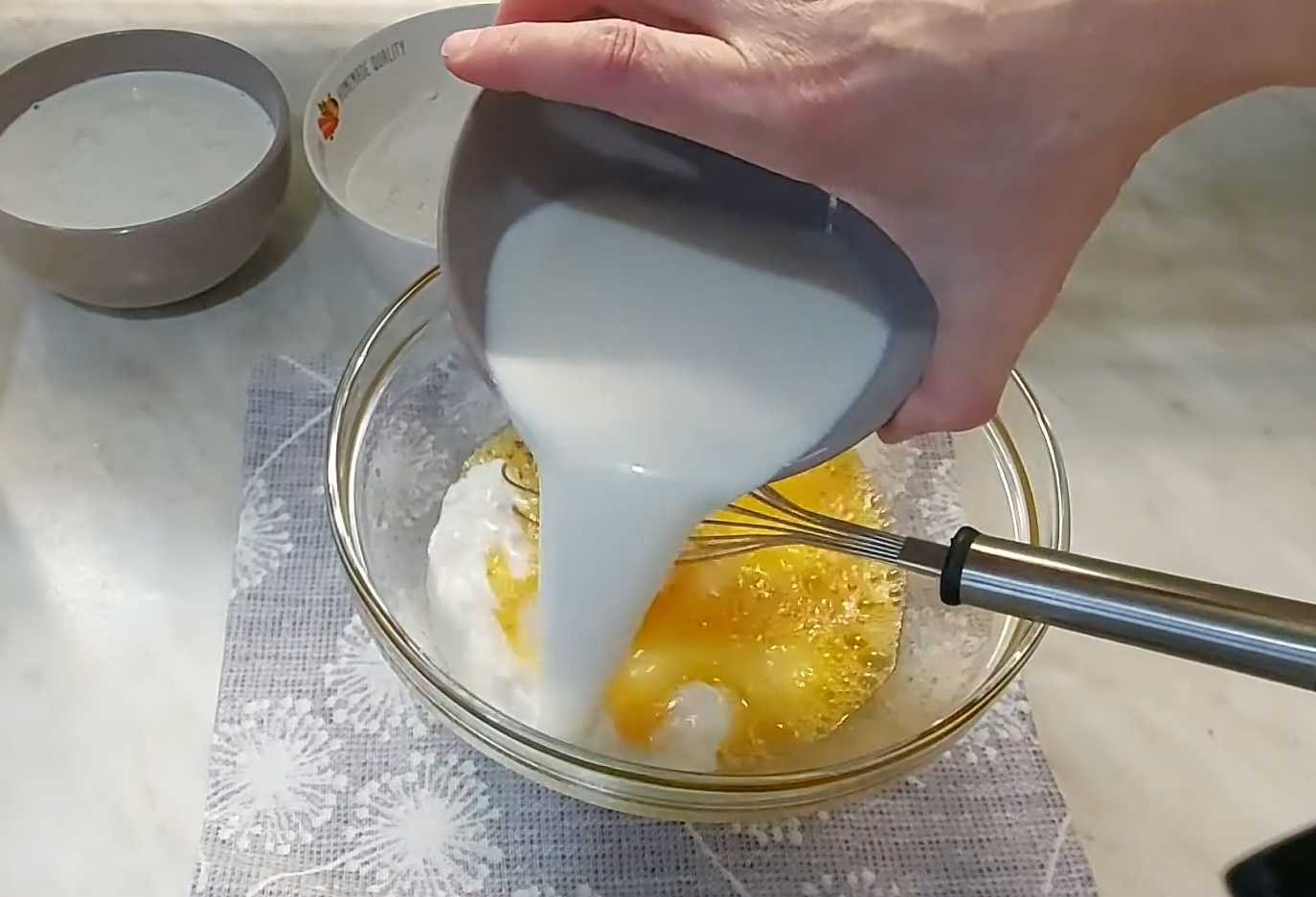 Add some milk and stir.
Step 4:
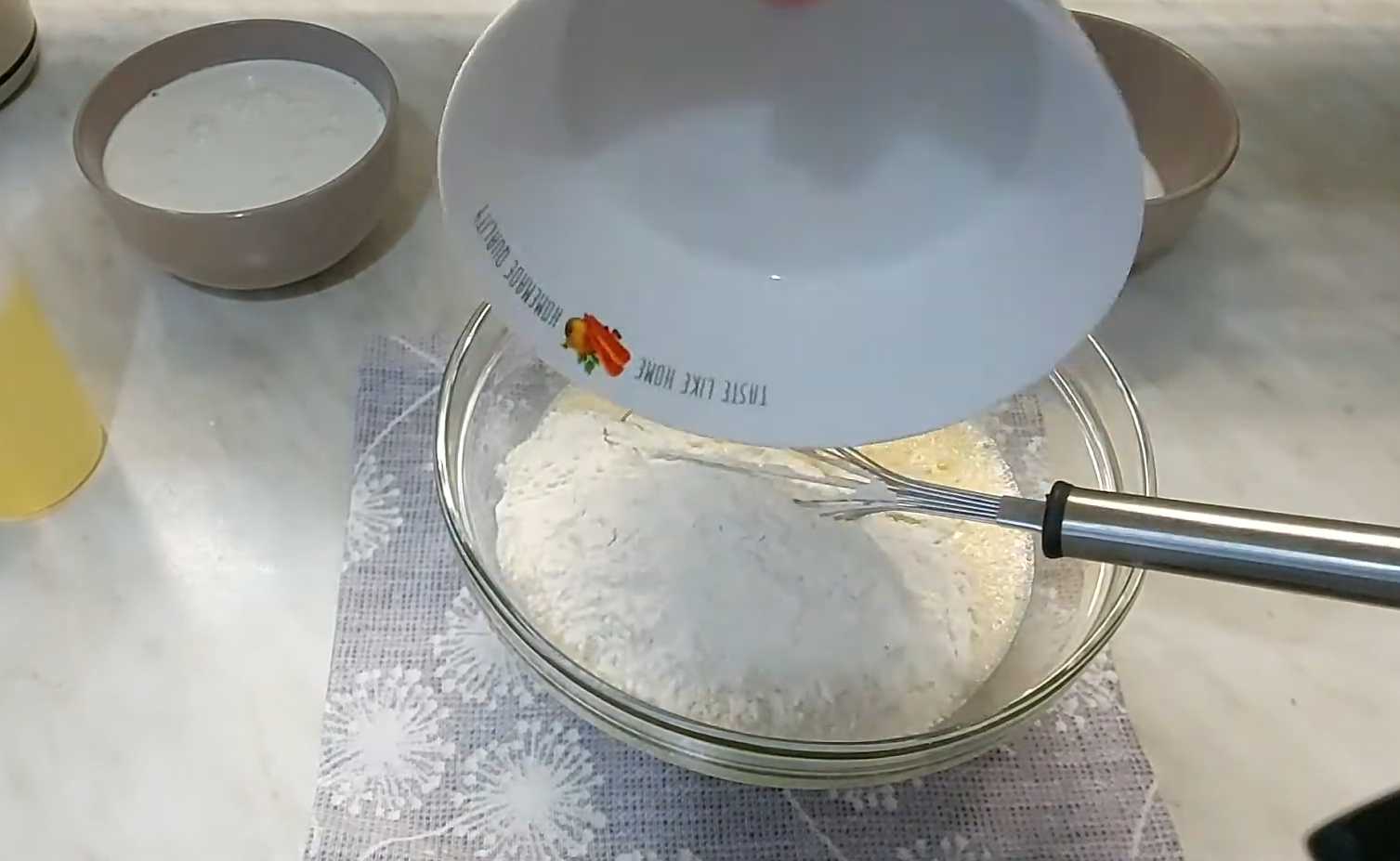 Gradually add the flour, sifting it through a sieve to avoid lumps. Whisk until smooth.
Step 5:
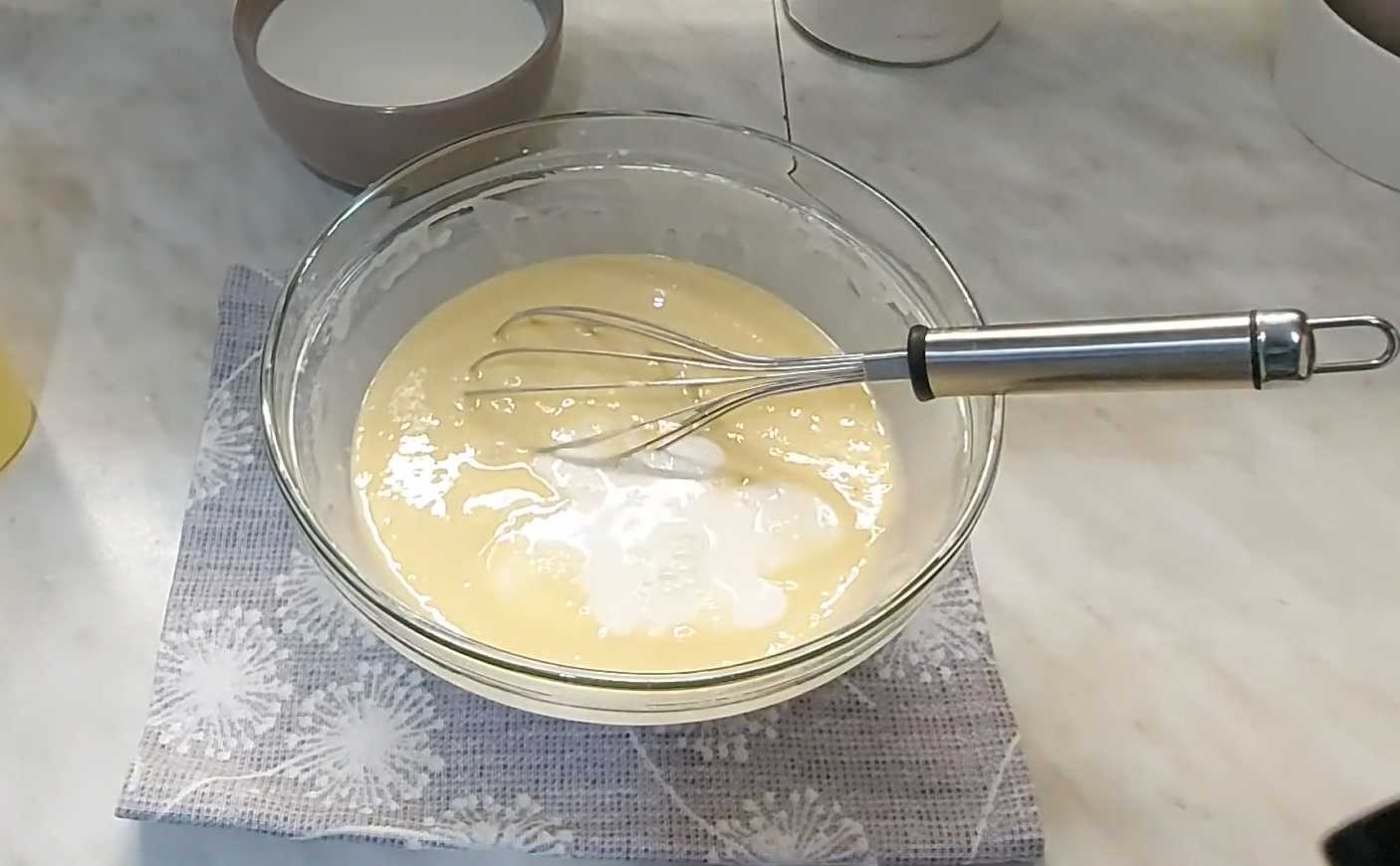 Add the remaining milk and cream and whisk gently to avoid lumps.
Step 6:
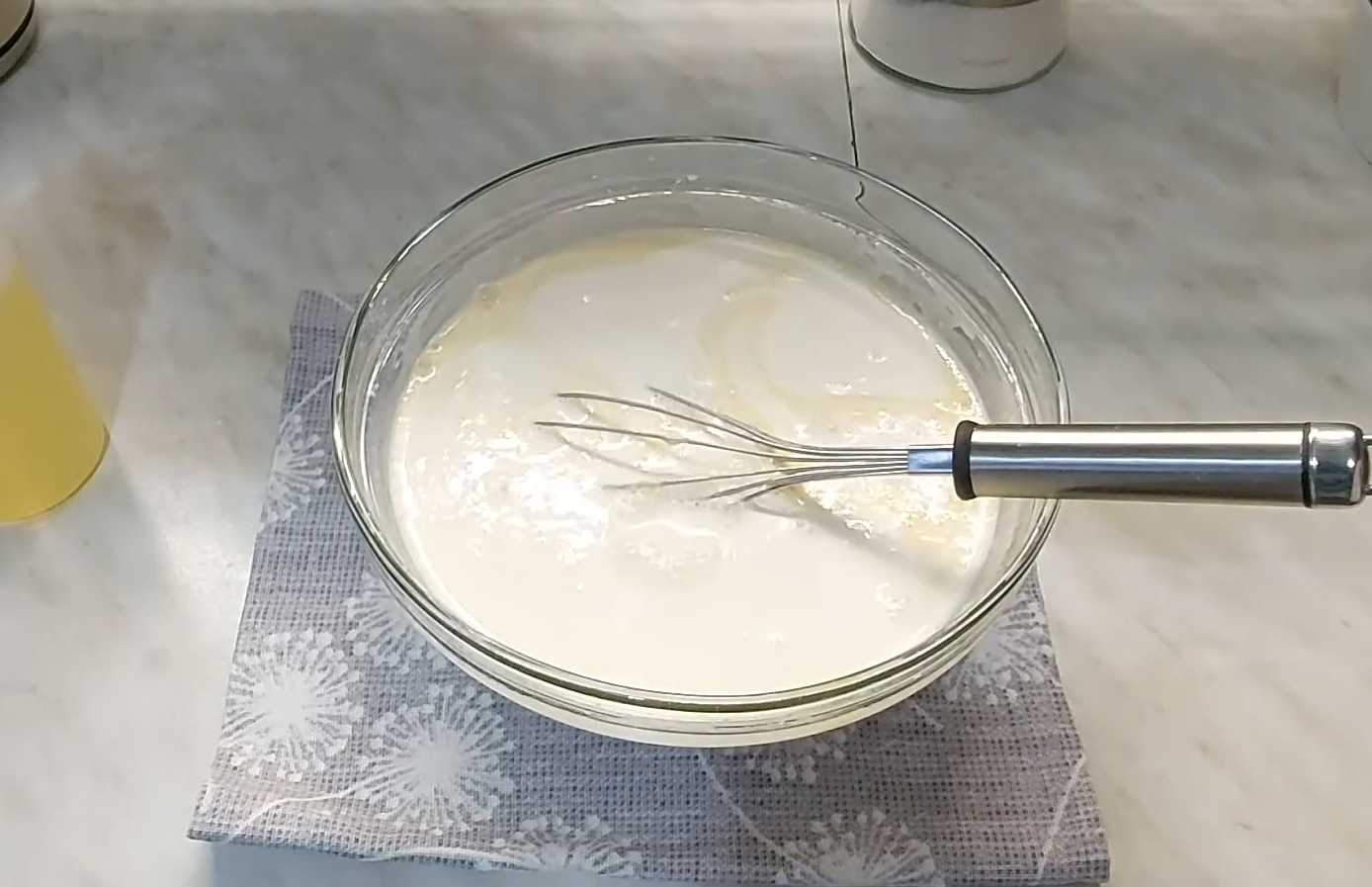 Let the dough rest for 10–15 minutes before baking – this will improve its structure.
Step 7:
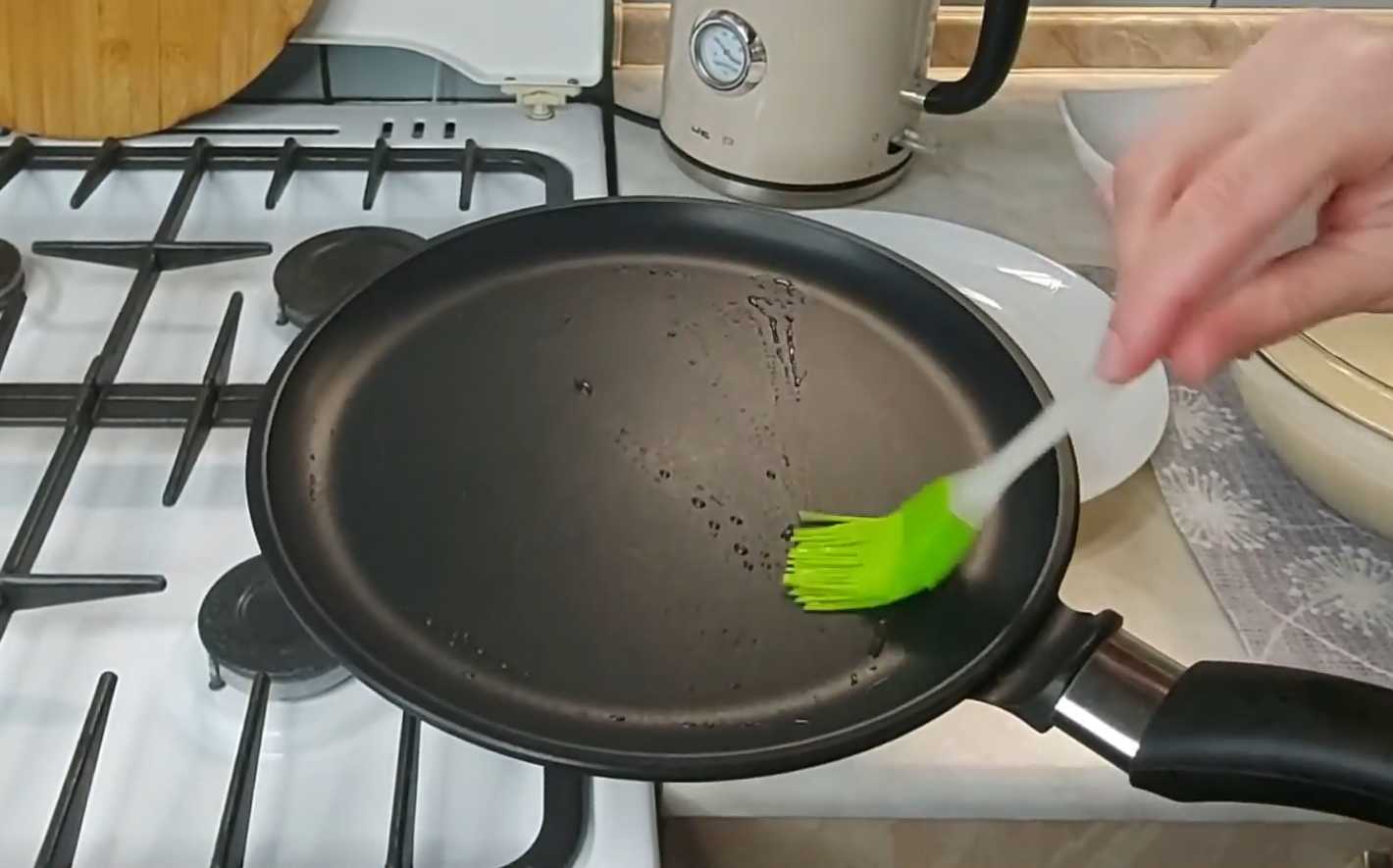 Heat a frying pan over medium heat and brush it with a little oil.
Step 8:
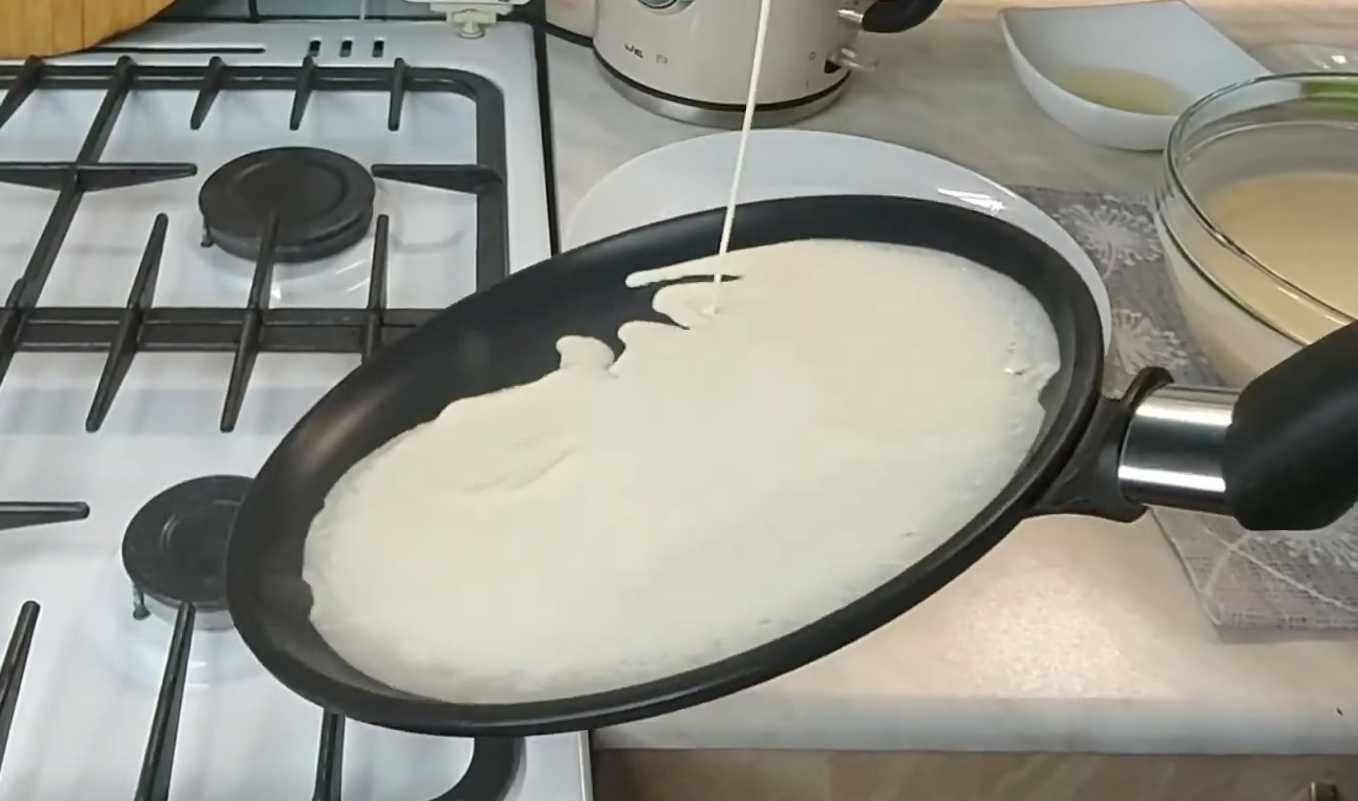 Pour a portion of the batter into the pan and distribute it evenly, tilting the pan slightly.
Step 9:
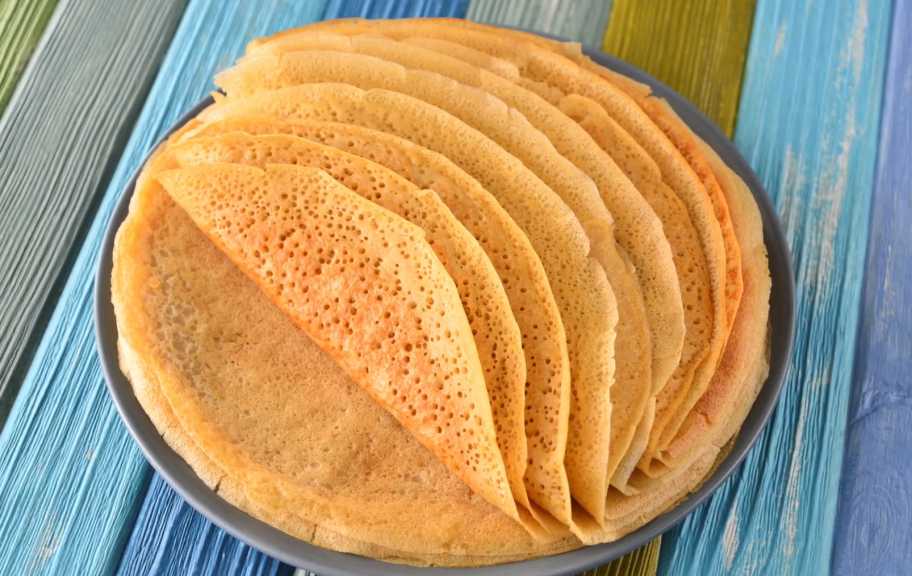
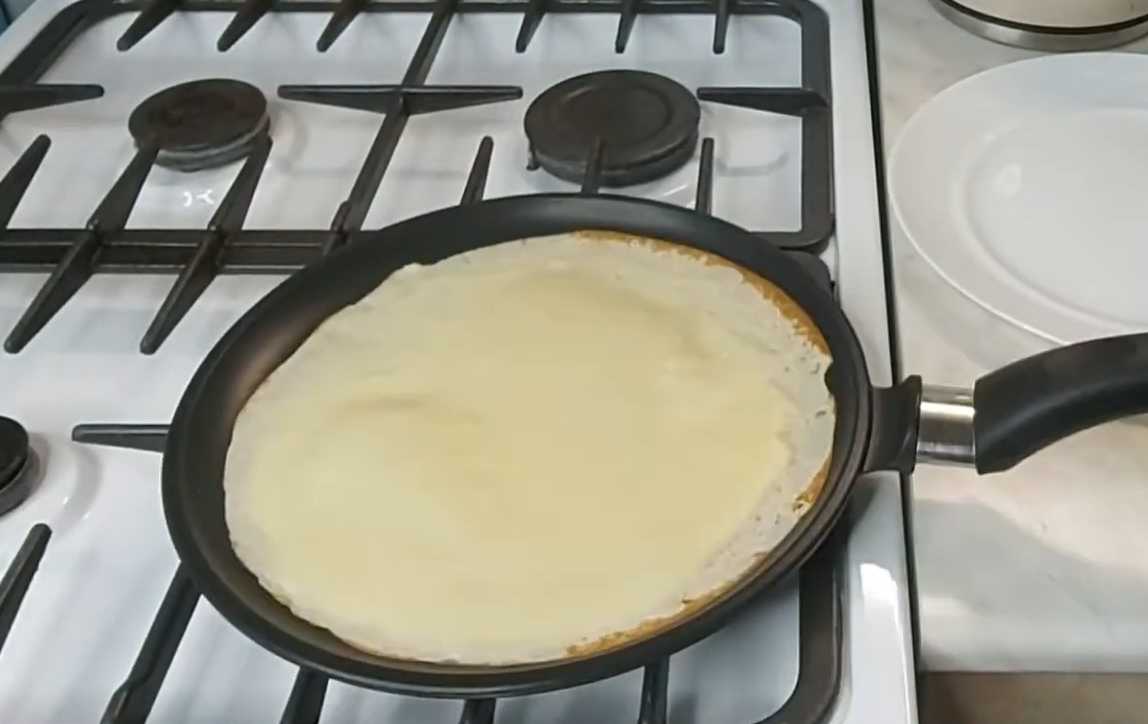 Fry the pancake until the surface is bubbly and matte.
Step 10:
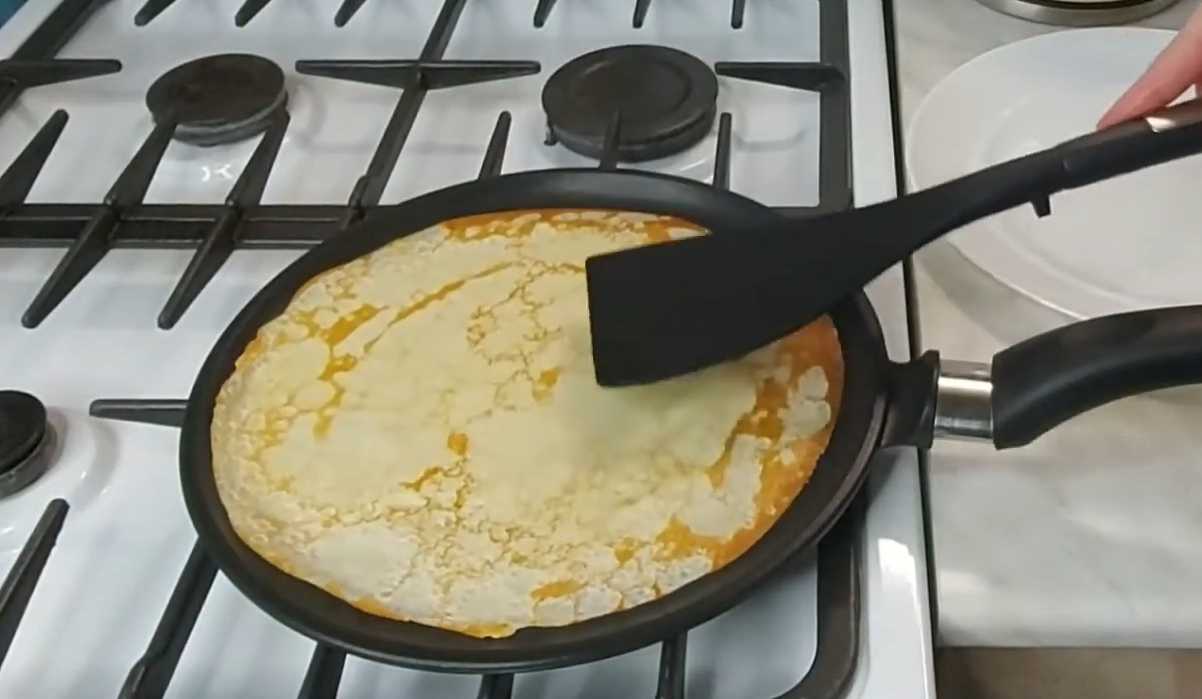 Carefully flip the pancake with a spatula and fry the other side until golden brown.
Step 11:
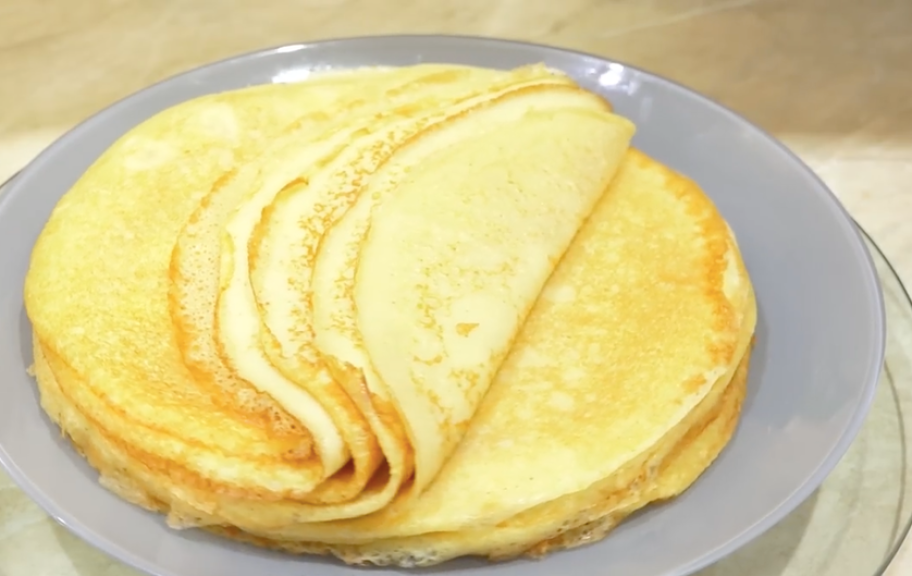
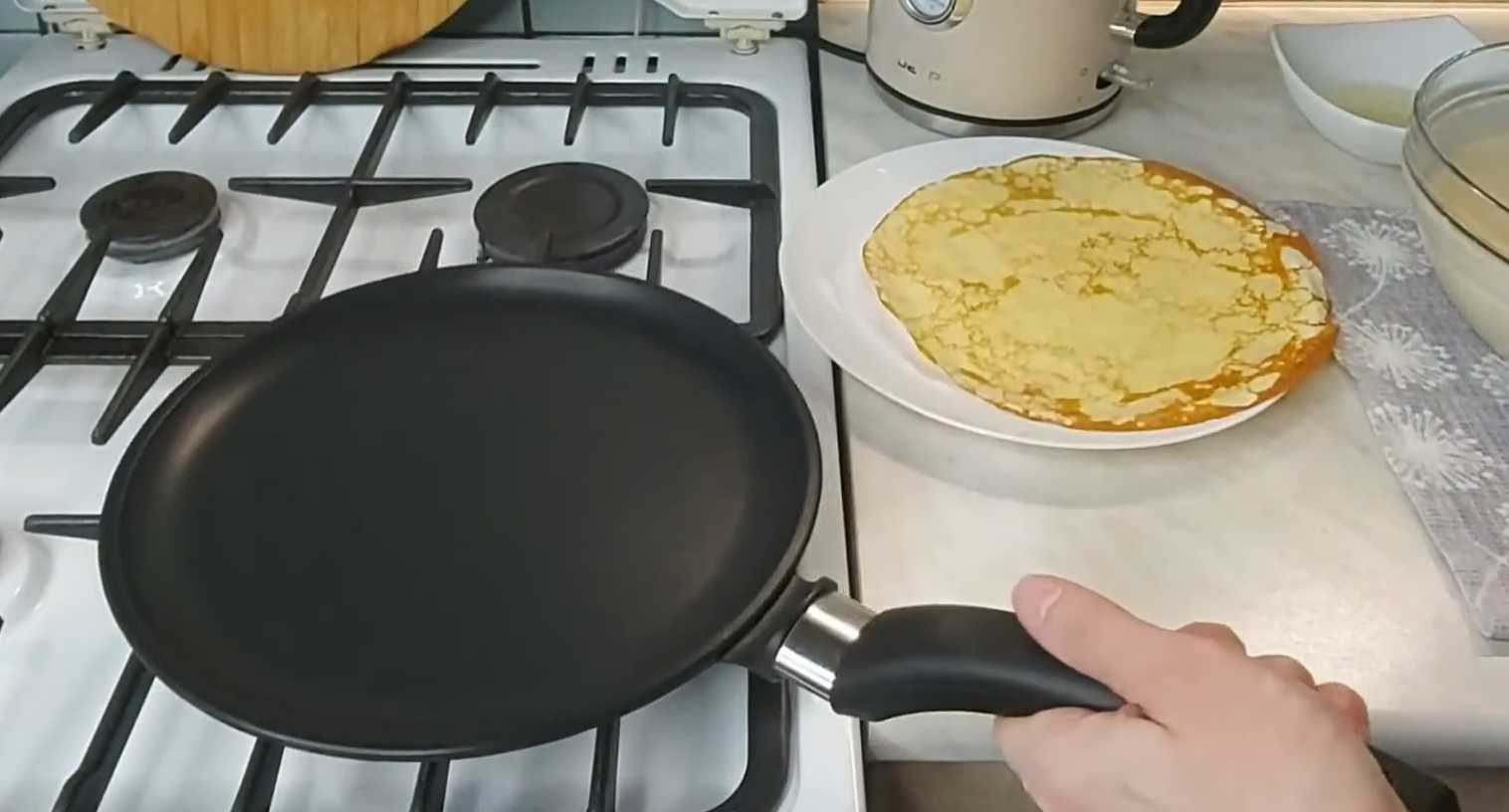 Place the finished pancake on a plate, covering it with a towel to keep it soft.
Step 12:
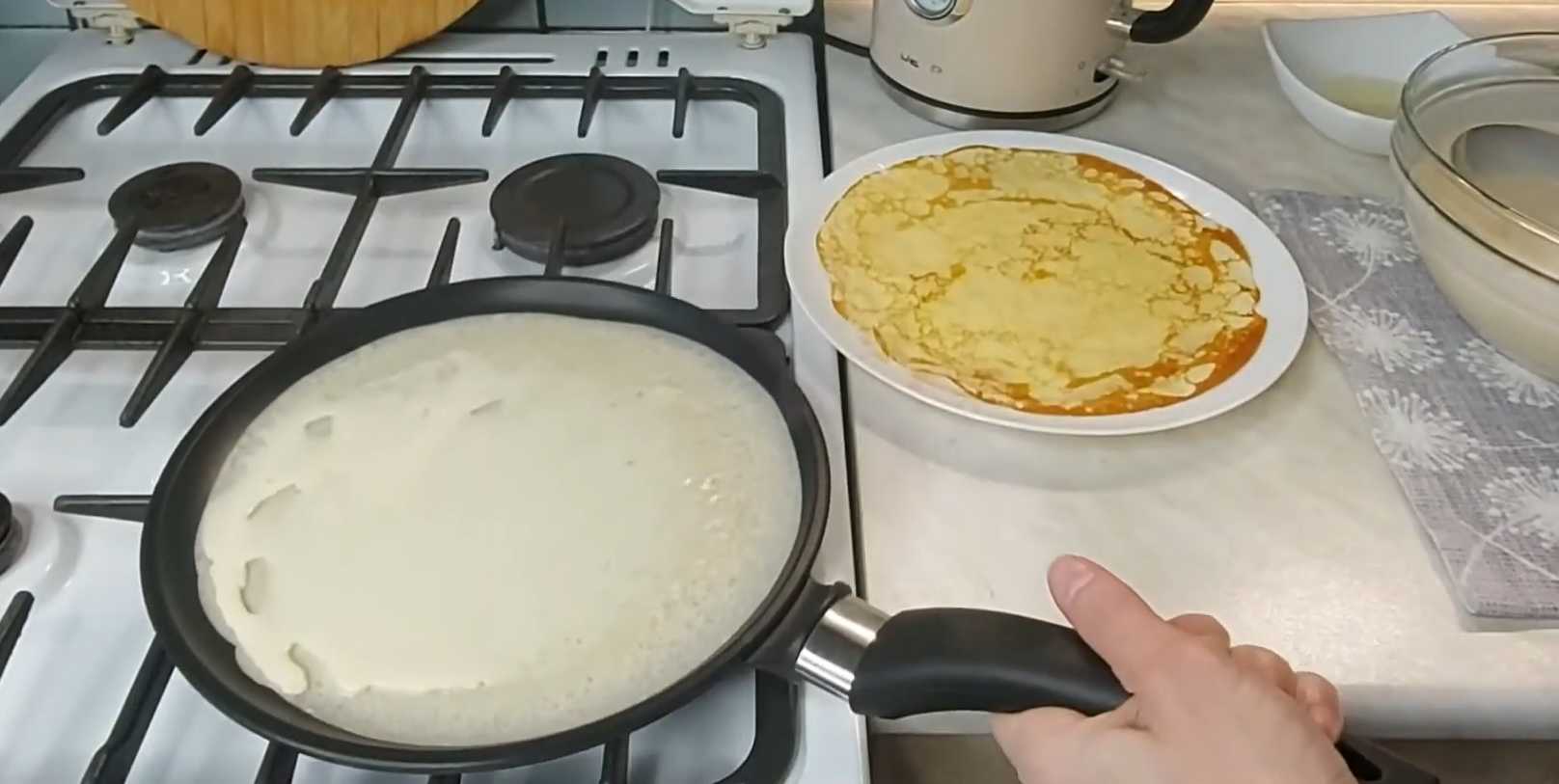 Repeat steps 5-9 until you run out of dough.
Step 13:
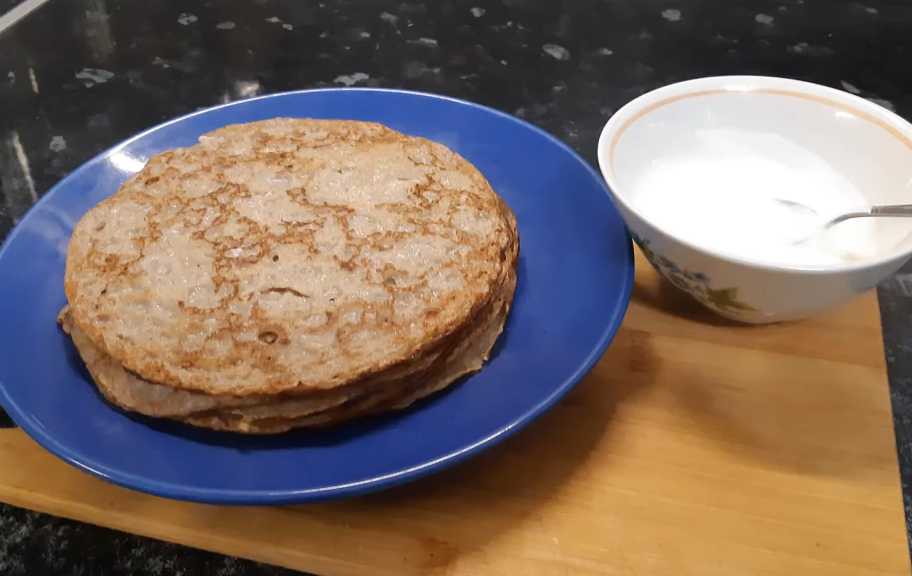
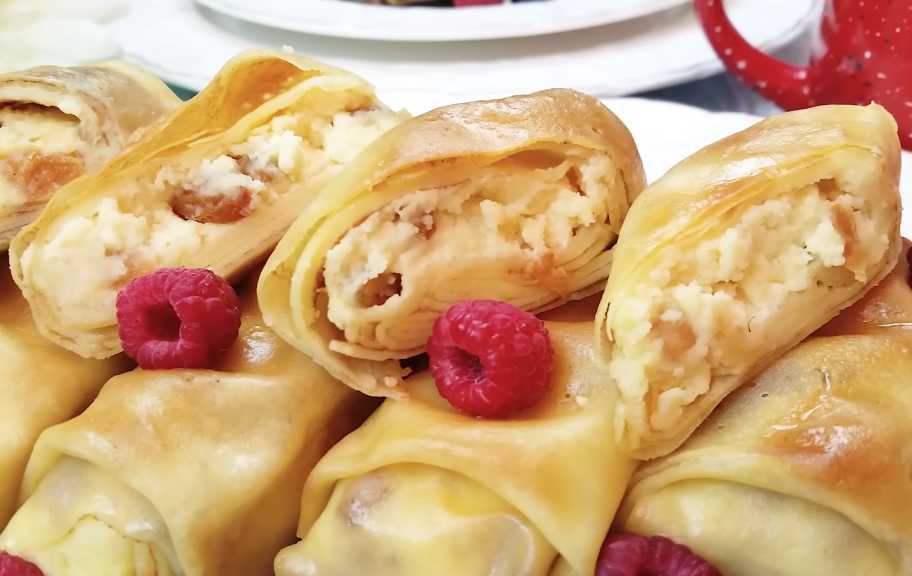
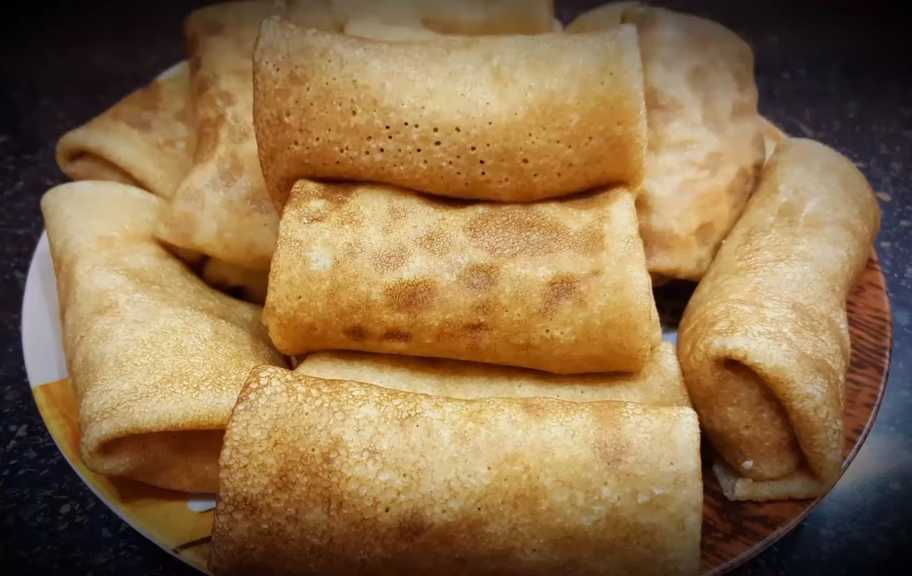
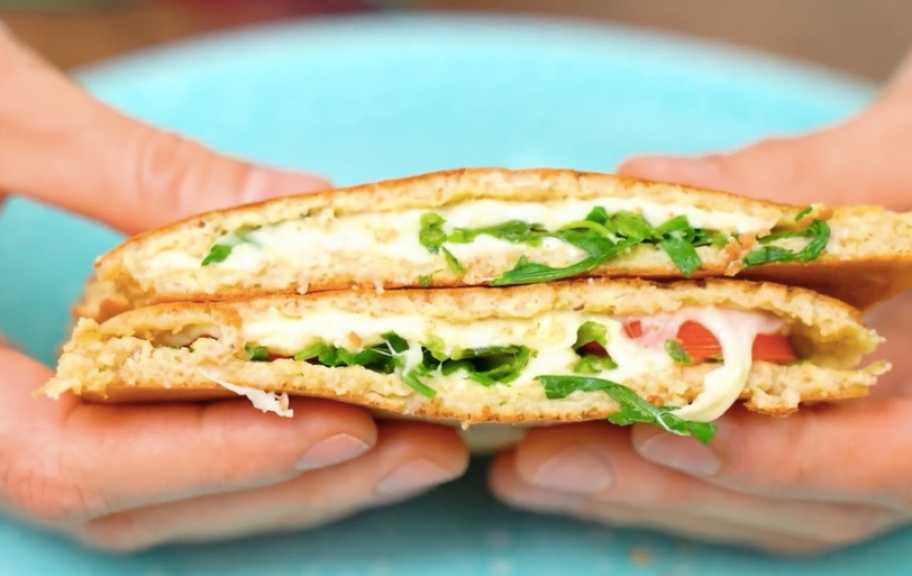
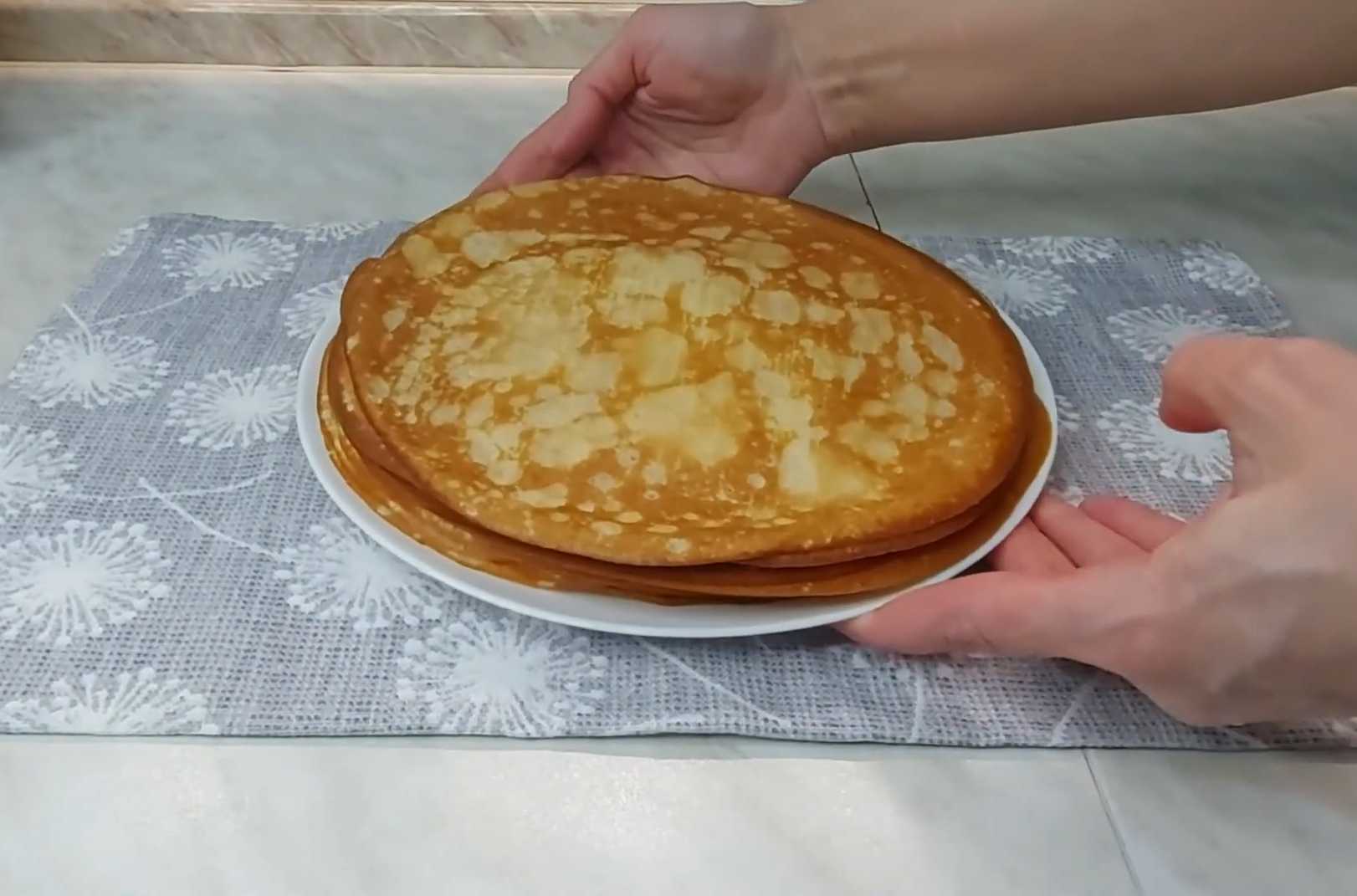 Serve the pancakes warm with sour cream, honey or any other filling of your choice.
Cooking tips:
Don't overheat the pan. Too much heat will cause the pancake to burn on the outside and remain raw on the inside. Medium heat is ideal.
Spread the batter evenly. After pouring a portion of the batter, immediately tilt and rotate the pan to ensure the batter spreads in a thin and even layer over the entire surface.
Use the right spatula. Choose a thin, flexible spatula with rounded edges. It will easily slide under the pancake without damaging it.
Flip confidently. When the pancake is done, quickly and firmly lift it with a spatula and carefully flip it over.
Keep cooked pancakes warm. Stack the finished pancakes on a plate and cover with a napkin or lid to keep them warm and soft.
Don't forget to rest the batter. Let it rest for at least 15–20 minutes before frying. This will allow the flour to fully absorb the liquid, resulting in more elastic pancakes that won't tear.