Pancakes with dry yeast and milk
Origin of the recipe
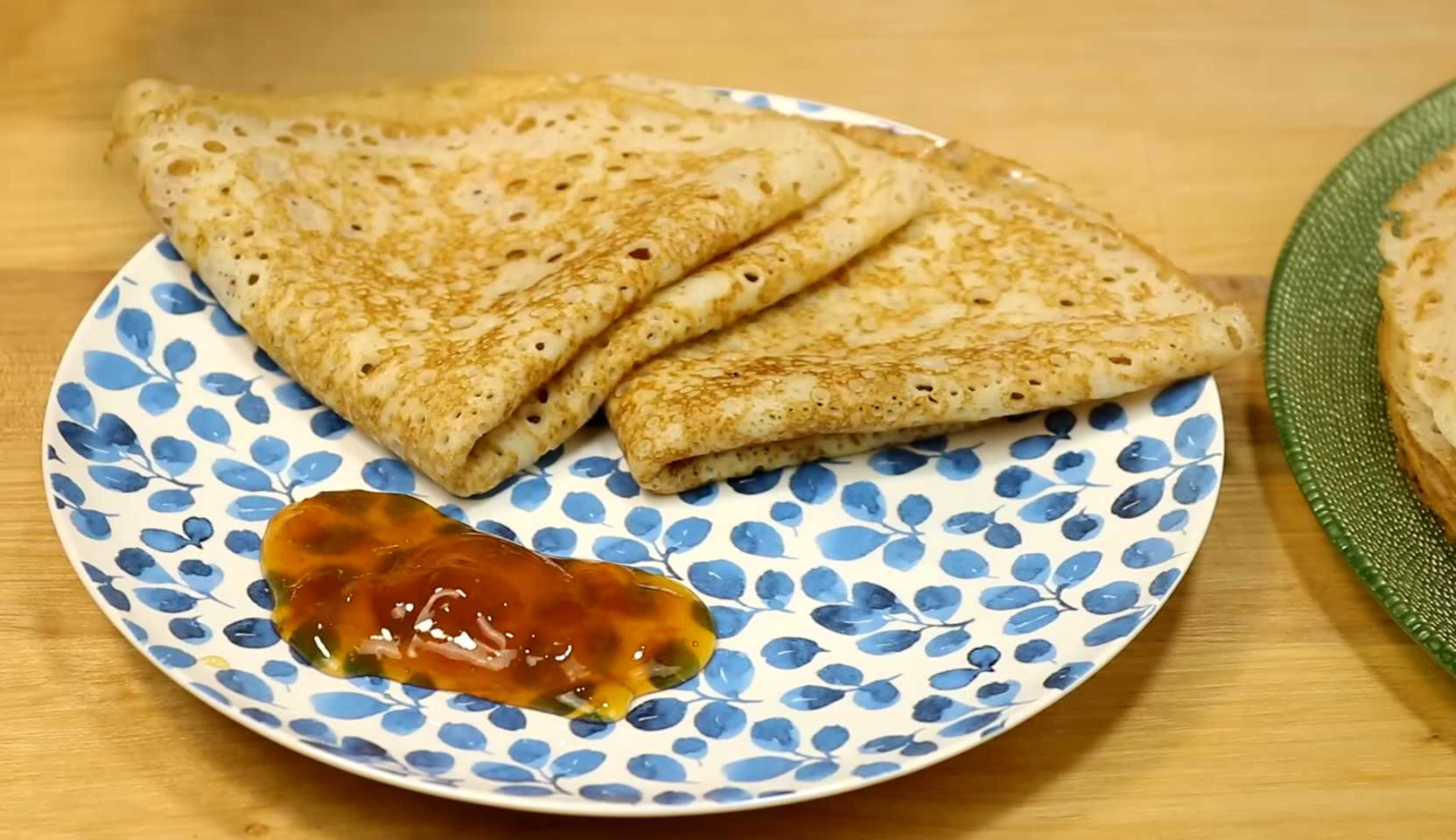
Yeast-based pancakes are one of the oldest types of Russian pancakes, originally made with sourdough or kvass. With the spread of industrial yeast in the 19th century, the recipe became simpler: instead of labor-intensive sourdough, housewives began using brewer's yeast, and later, dry yeast. Milk as a base came to urban cuisine later, replacing traditional water or sour milk and giving pancakes a soft and delicate flavor. These pancakes have always been prized for their filling properties and ability to stay soft for a long time—they were baked in large batches for Maslenitsa, on weekends, or as a holiday treat. Today, yeast-based pancakes with milk combine the warmth of home cooking with the convenience of modern ingredients, remaining a favorite dish for the whole family.
What do you need for cooking?
Ingredients
-
Milk
-
Eggs
-
Flour
-
Sugar
-
Salt
-
Dry yeast
-
Vegetable oil
Kitchen utensils
- Bowl
- Spoon
- Whisk
- Plate
- shoulder blade
- Non-stick frying pan
Step-by-step recipe:
Step 1:
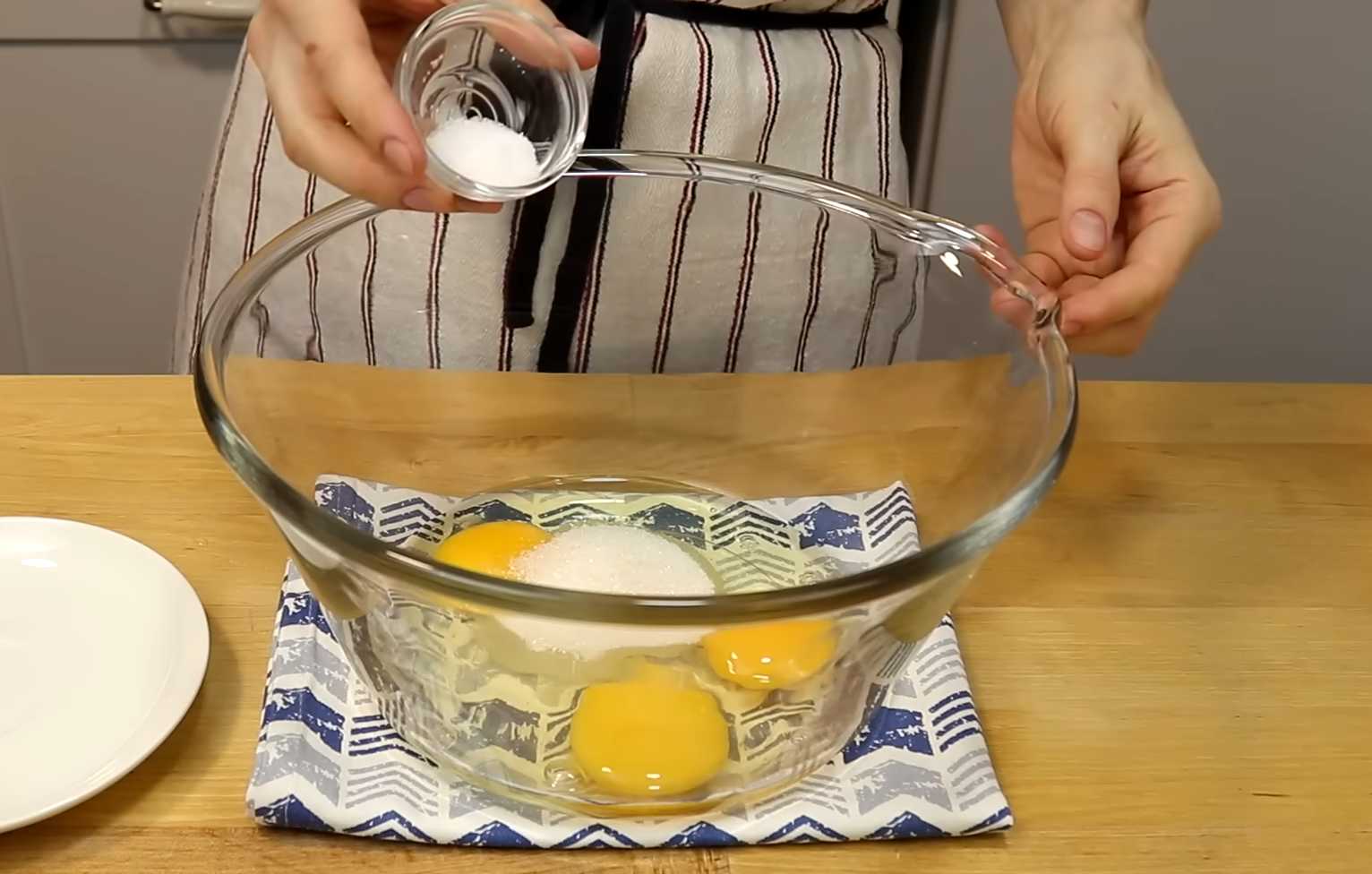 Break the eggs into a bowl, add sugar and a pinch of salt, then whisk until smooth and slightly fluffy.
Step 2:
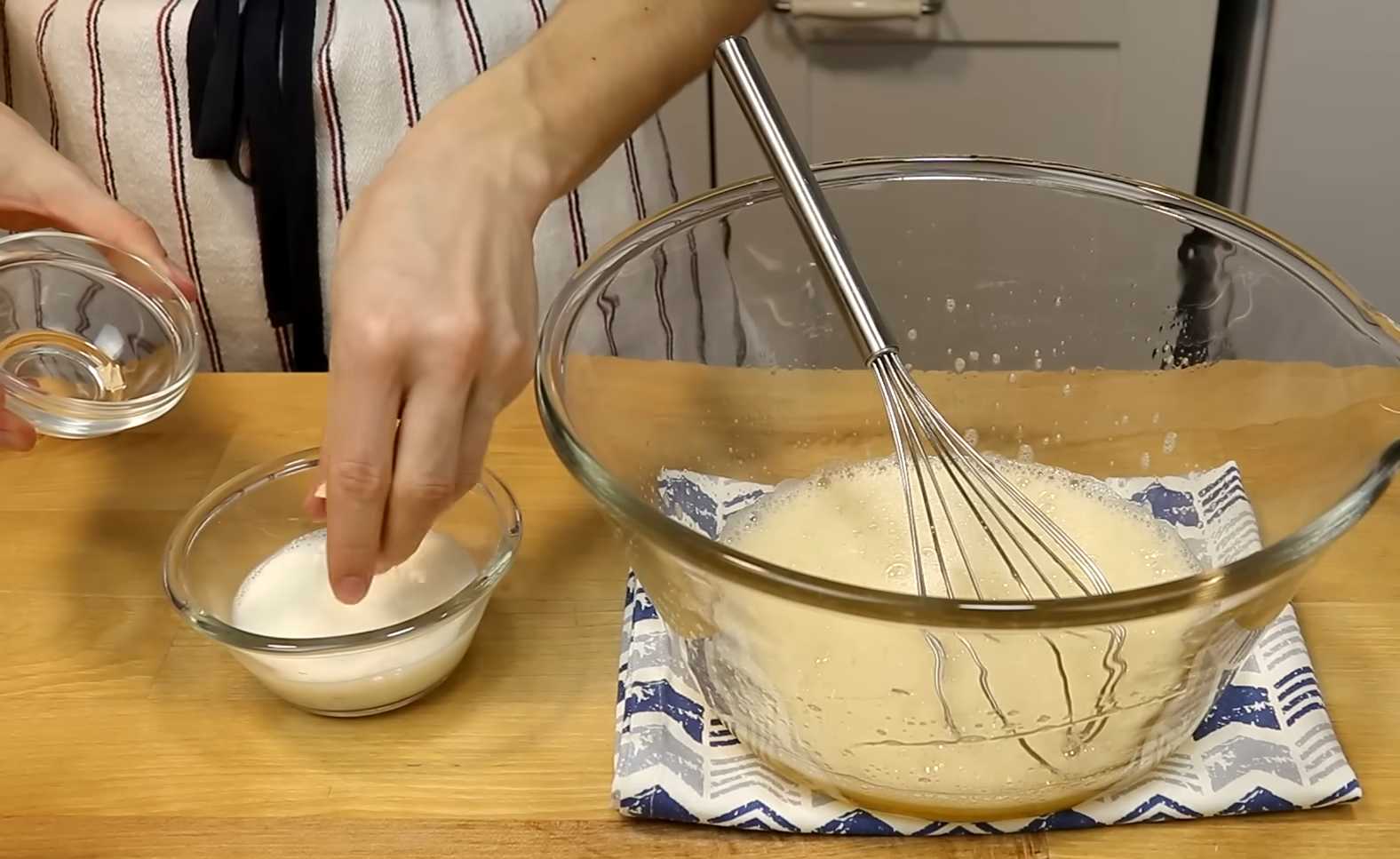 Dissolve dry yeast in a small amount of warm milk (35–40 °C) and leave for 5–10 minutes to activate.
Step 3:
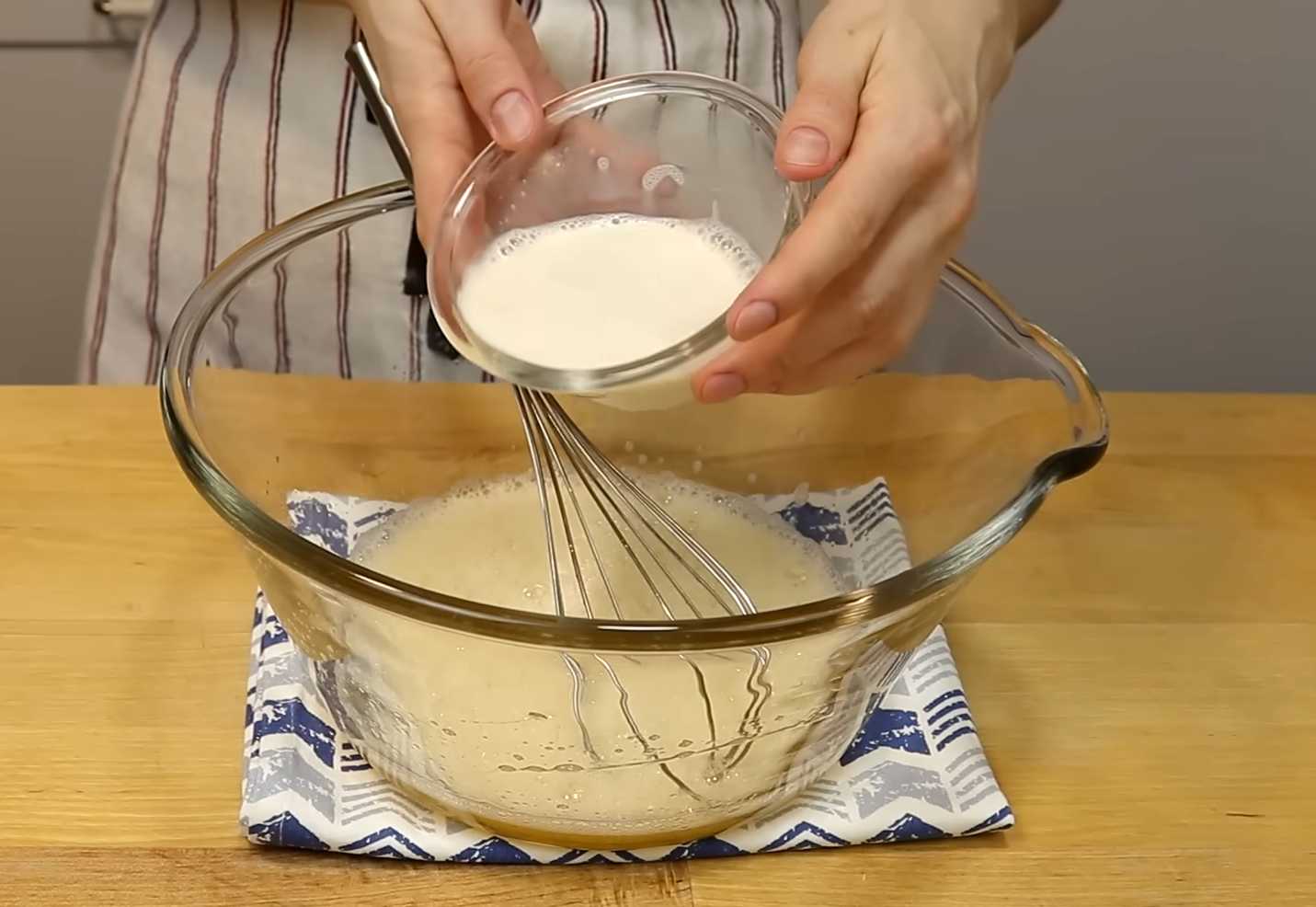 Gradually pour the milk and yeast into the egg mixture, continuing to whisk until the dough is smooth and lump-free.
Step 4:
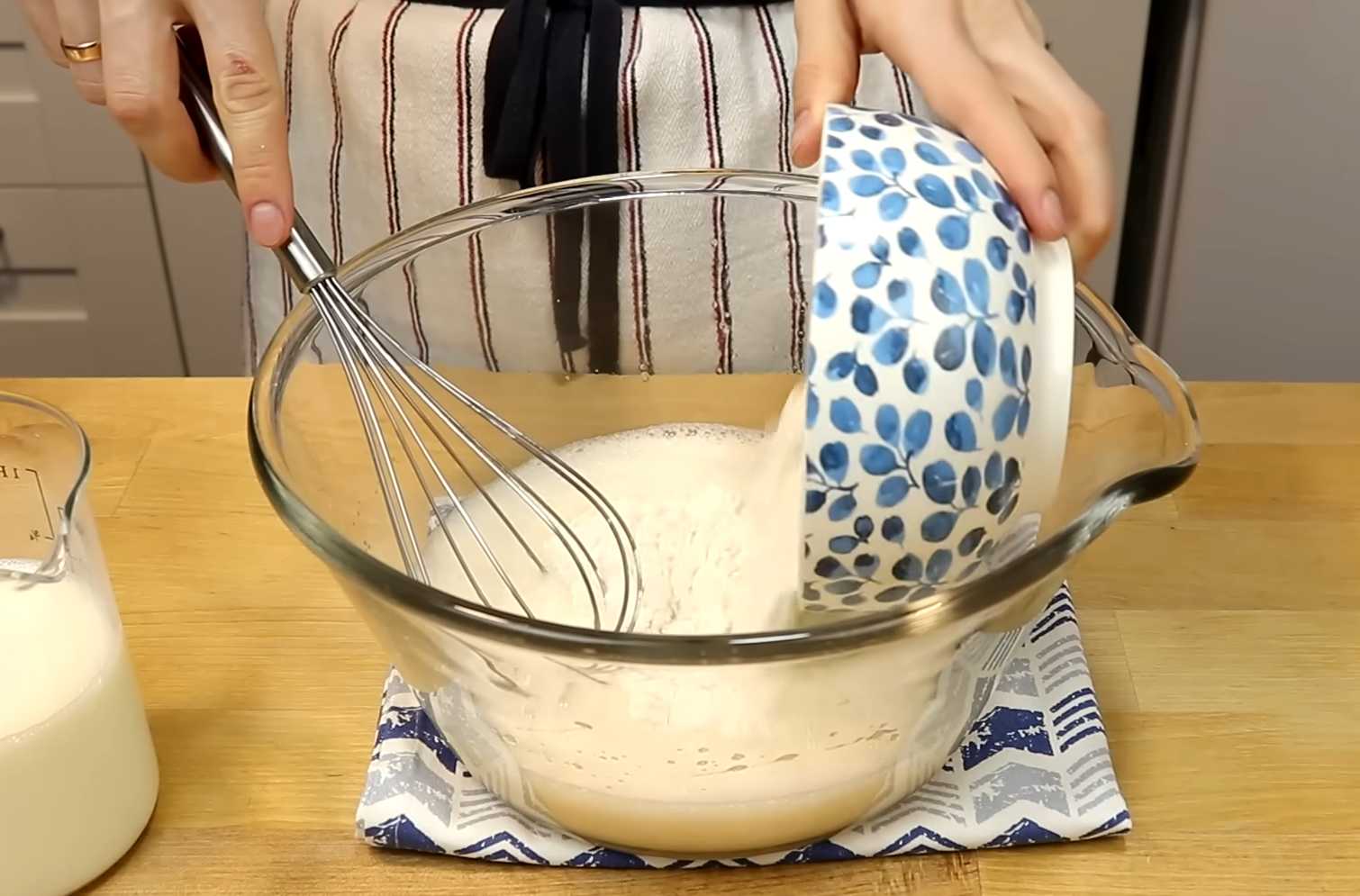 Sift the flour directly into the liquid and mix thoroughly until it reaches the consistency of thin sour cream.
Step 5:
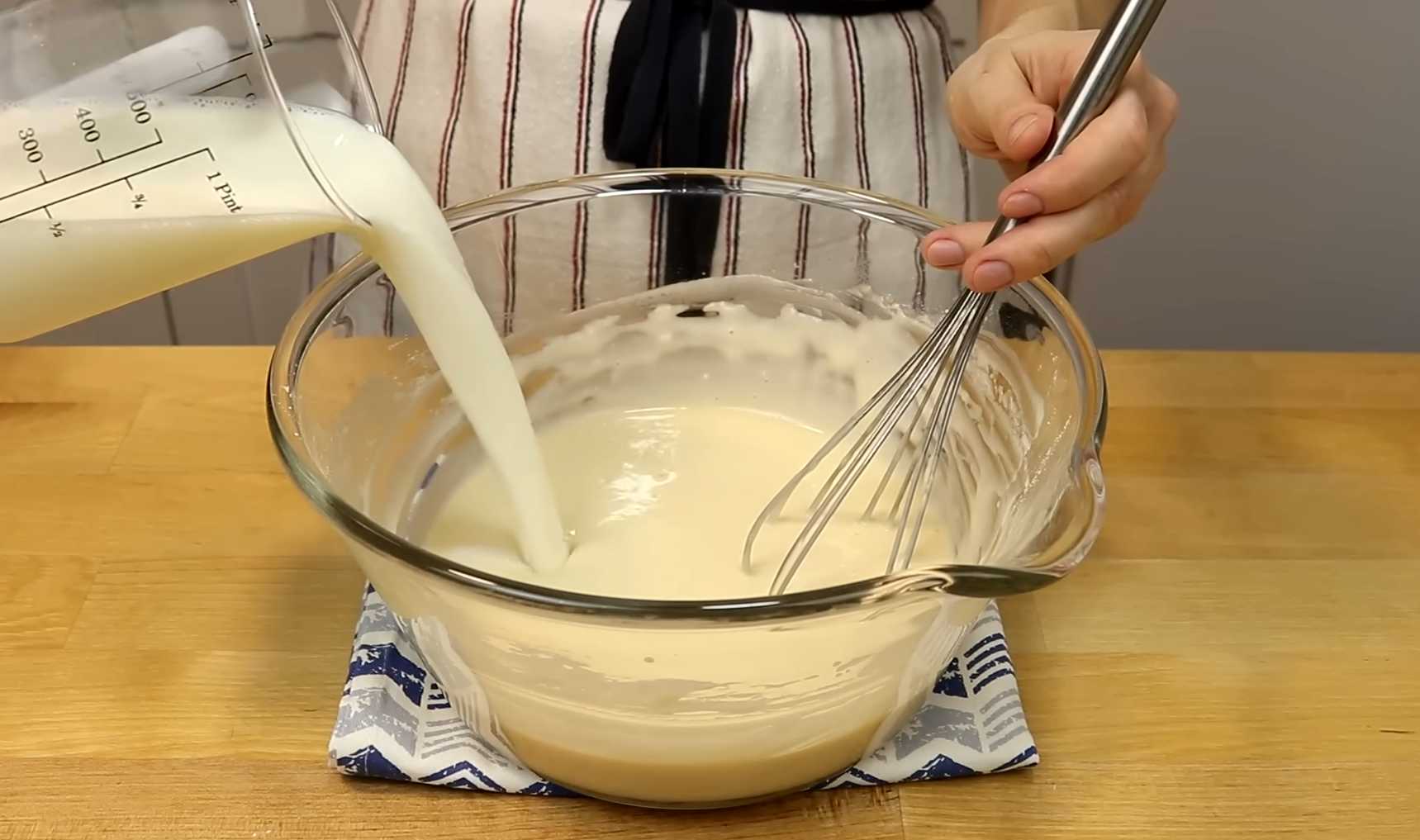 Add the remaining milk and stir well again.
Step 6:
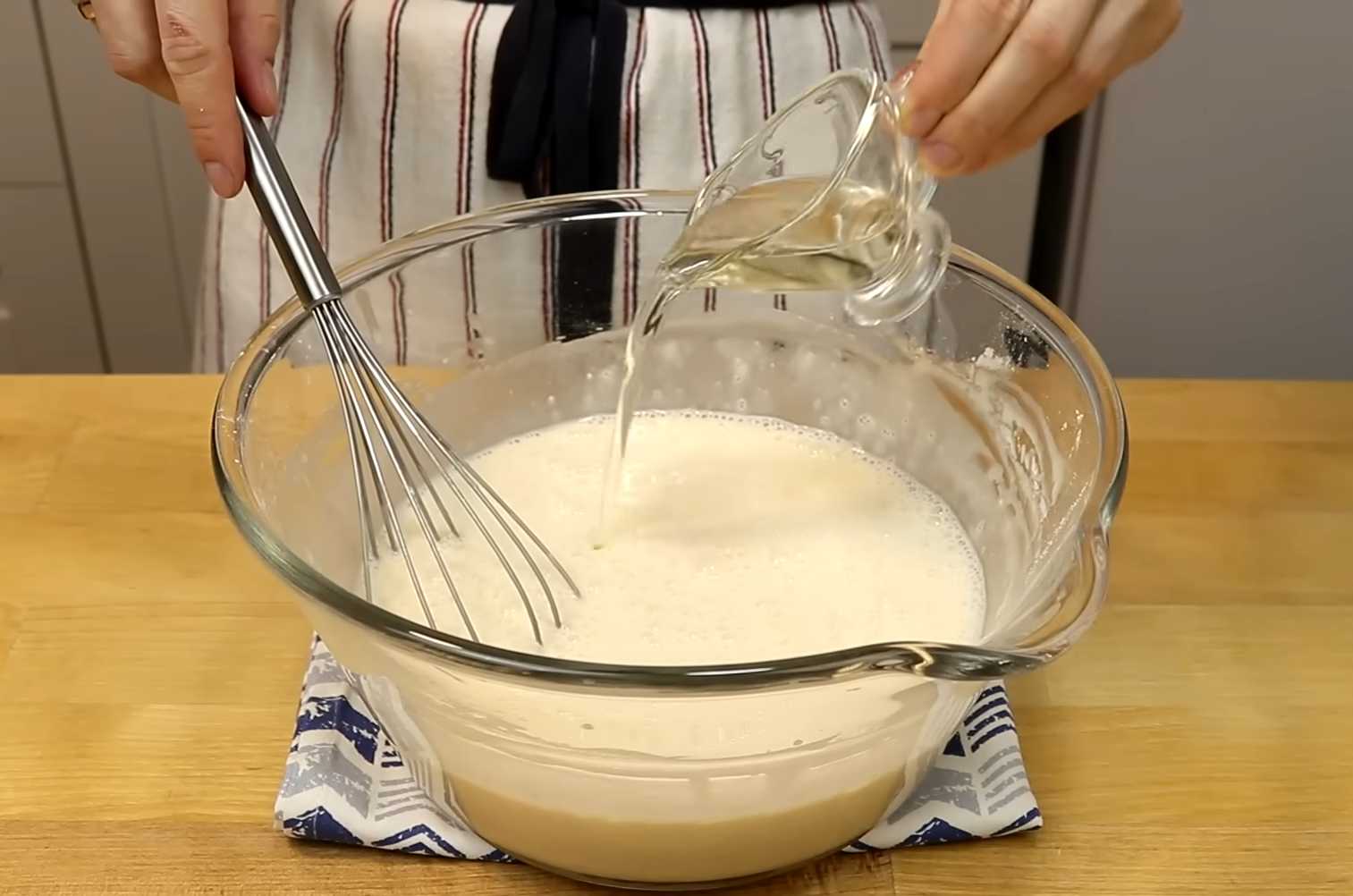 Pour in the vegetable oil and stir gently – it will make the pancakes softer and prevent them from sticking.
Step 7:
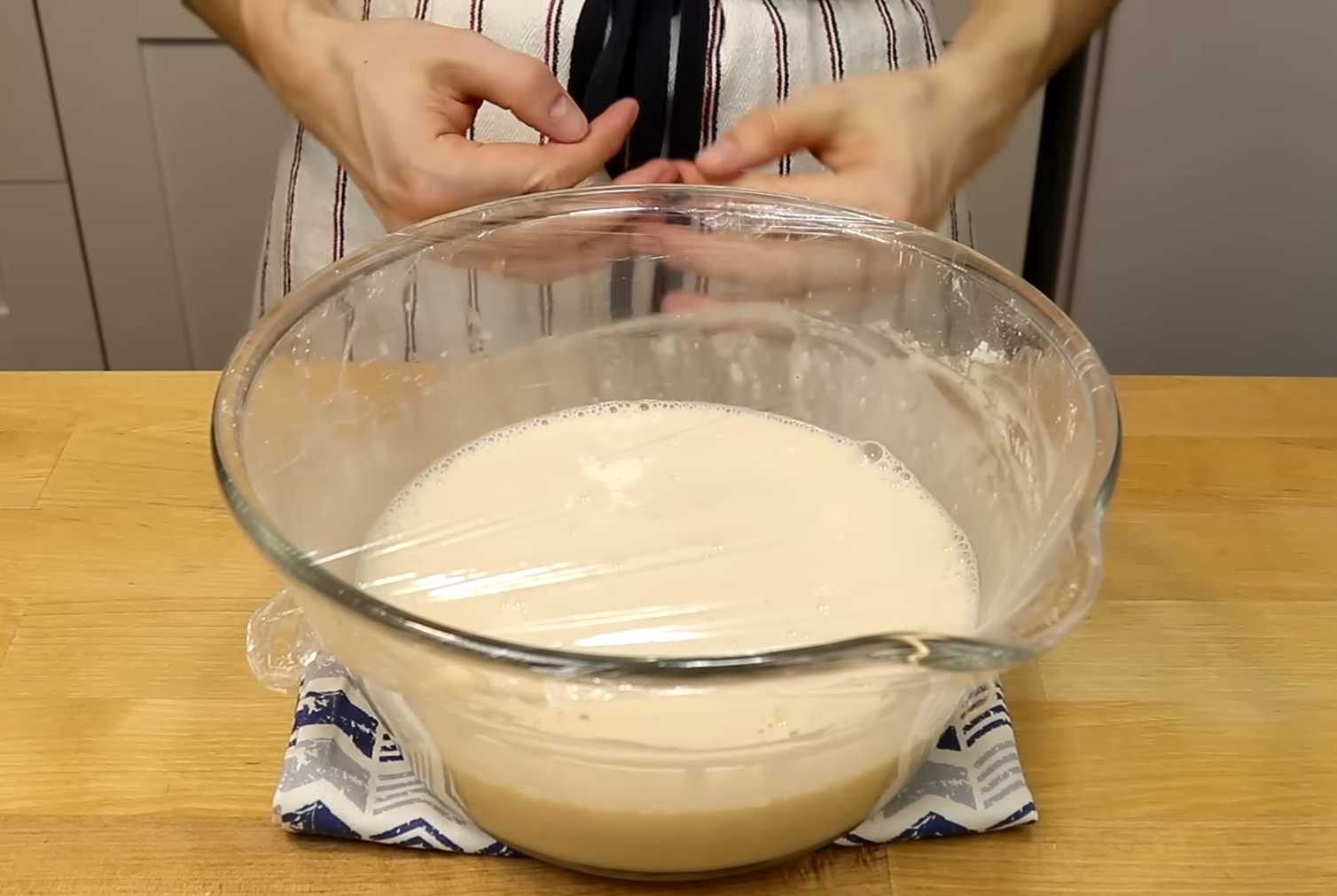 Cover the bowl with cling film or a towel and leave the dough in a warm place for 40-60 minutes until it rises and doubles in volume.
Step 8:
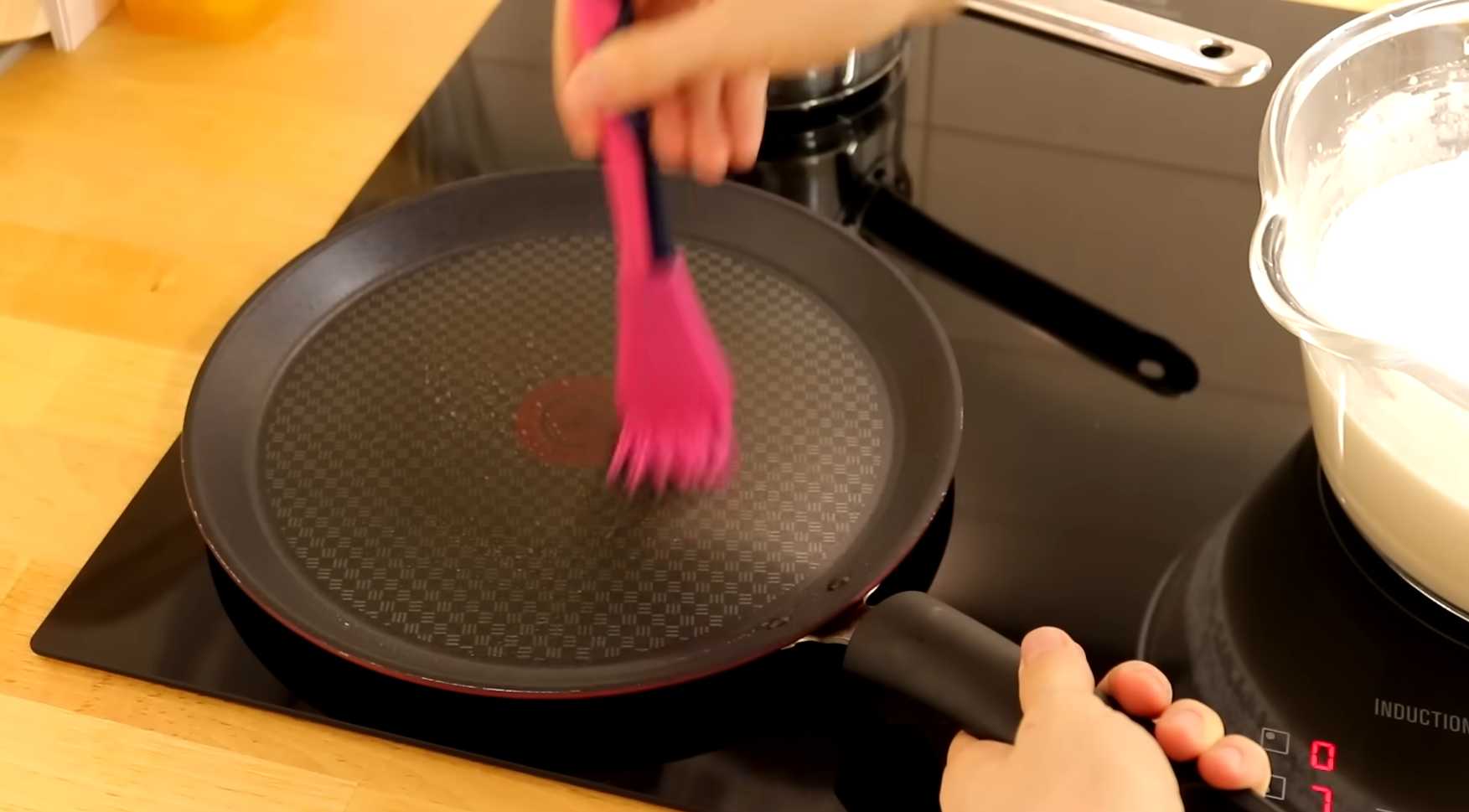 Heat a frying pan over medium heat and lightly coat it with a thin layer of vegetable oil.
Step 9:
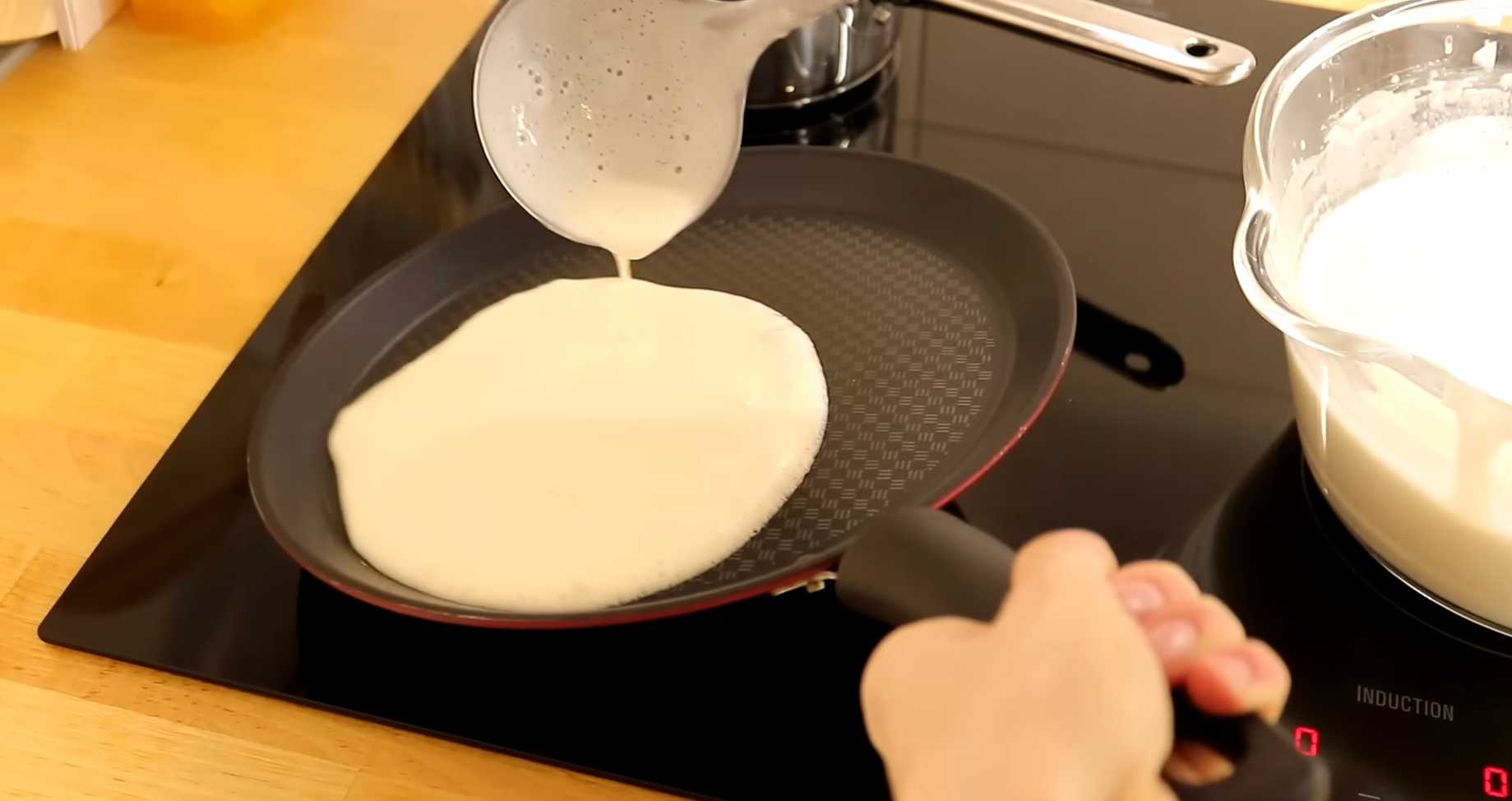 Pour a portion of the batter into the pan and spread it evenly, tilting the pan slightly.
Step 10:
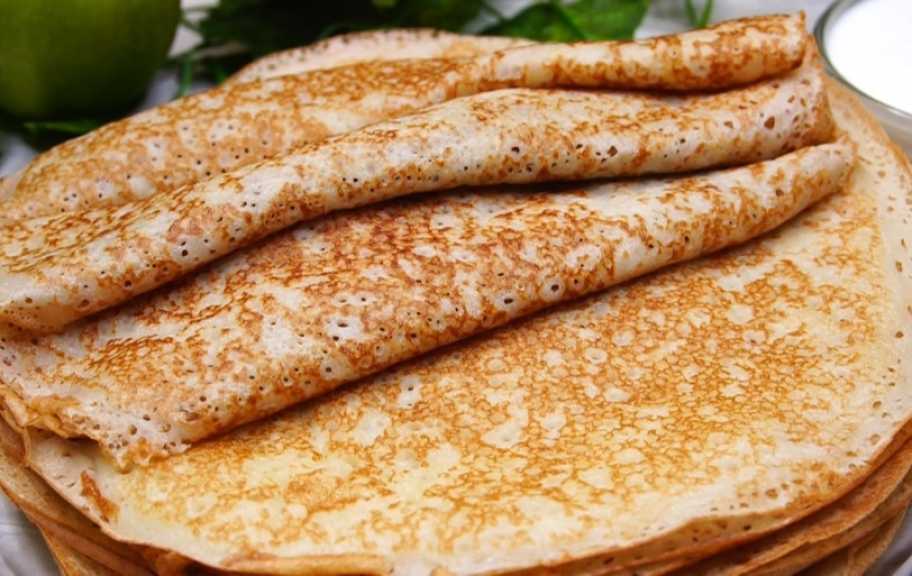
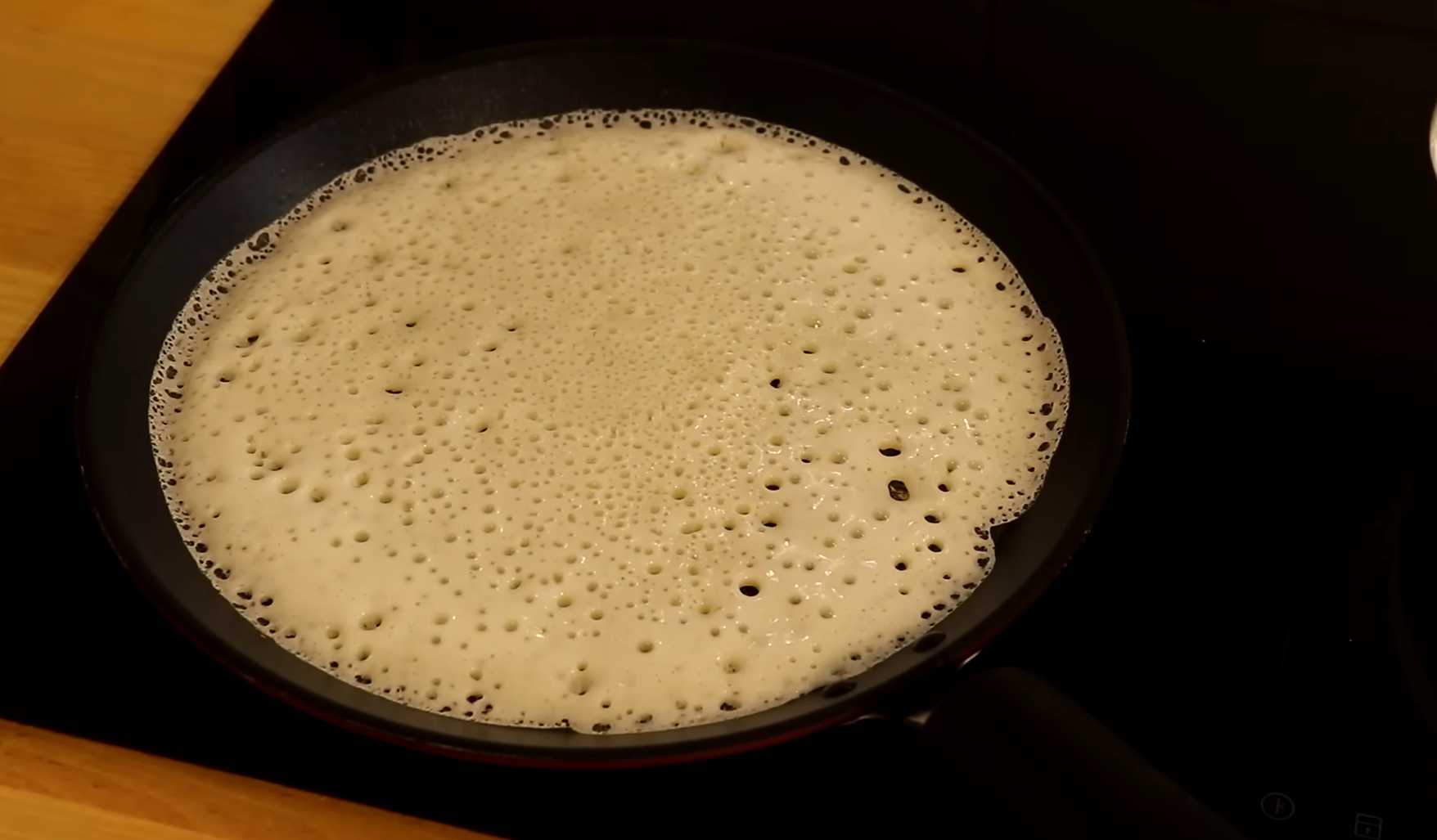 Fry the pancake until small bubbles appear on the surface and it loses its shine (it becomes matte).
Step 11:
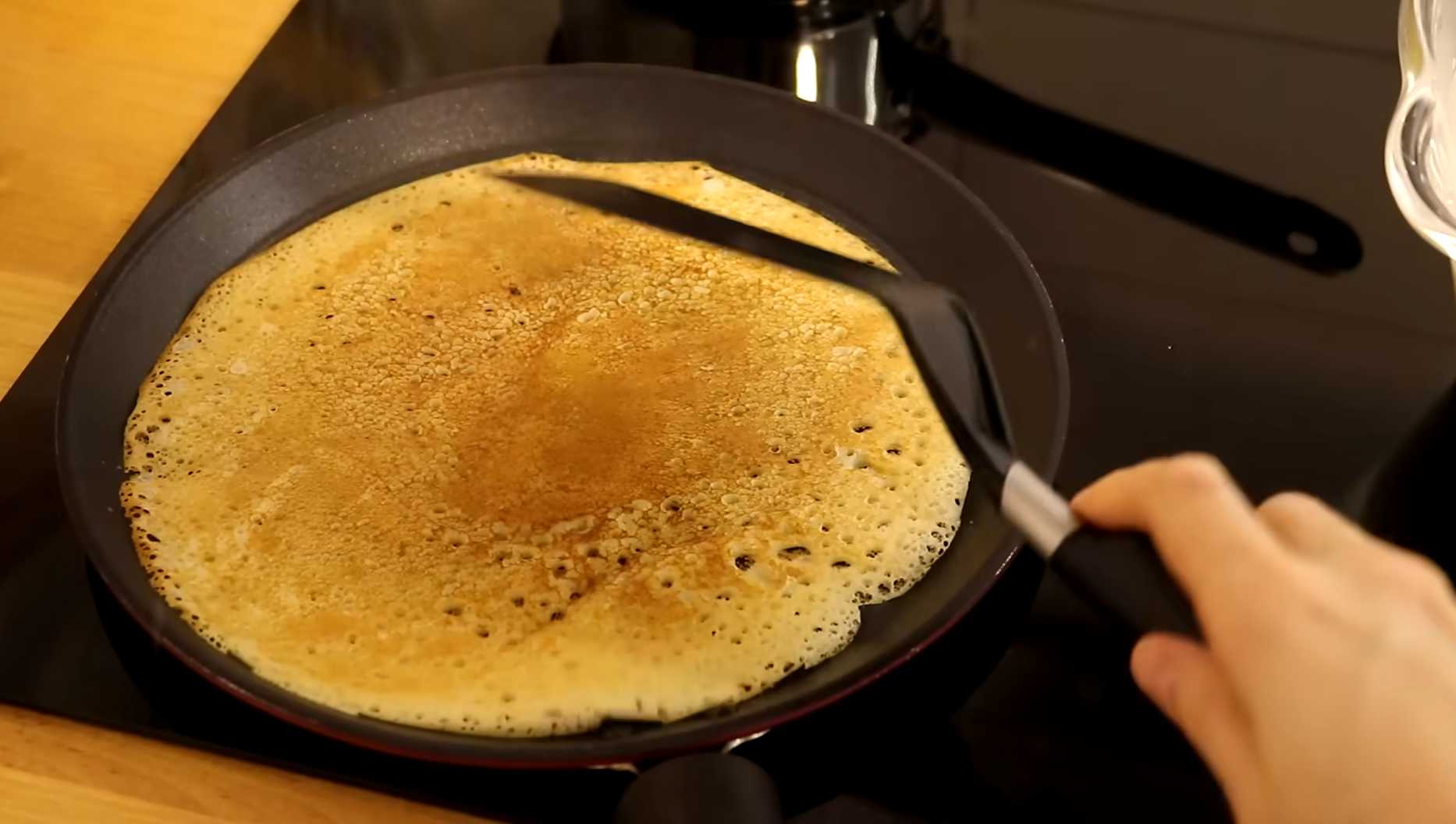 Carefully flip the pancake over with a wooden spatula and fry the other side until golden brown.
Step 12:
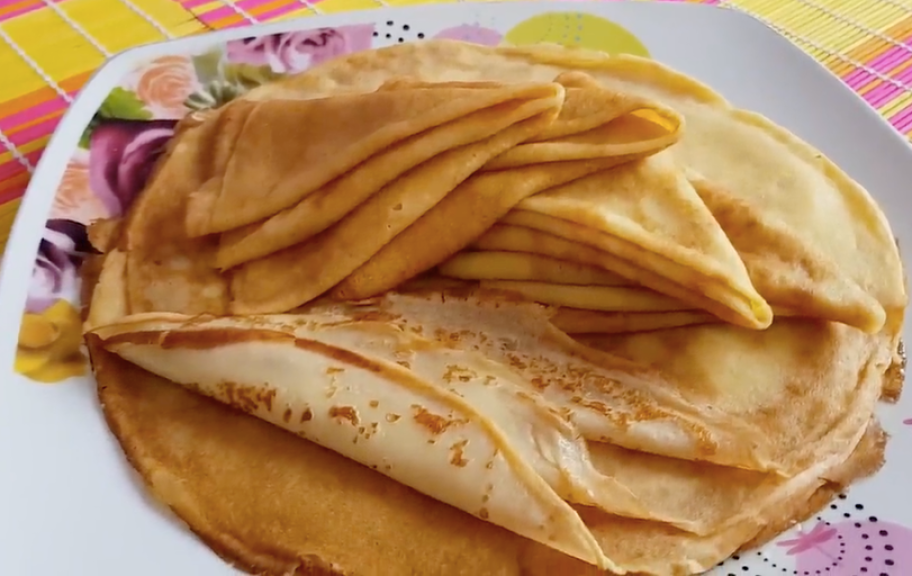
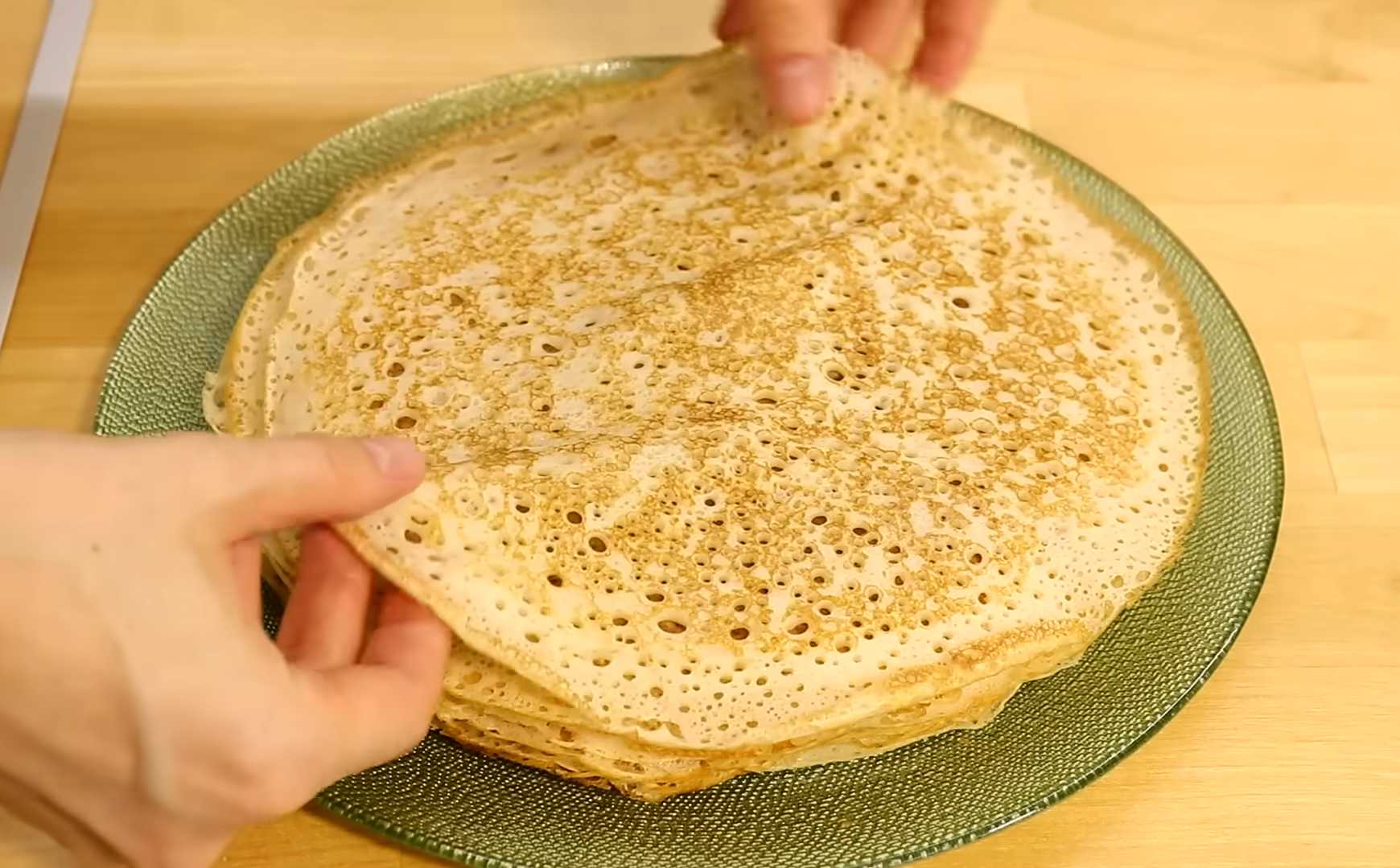 Place the finished pancake on a flat plate and cover with a clean towel to keep it soft and elastic.
Step 13:
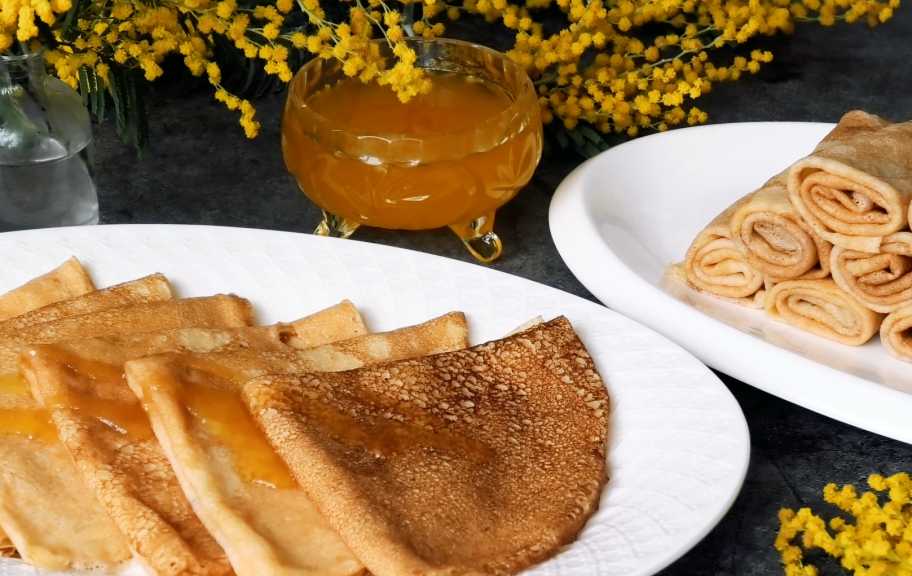
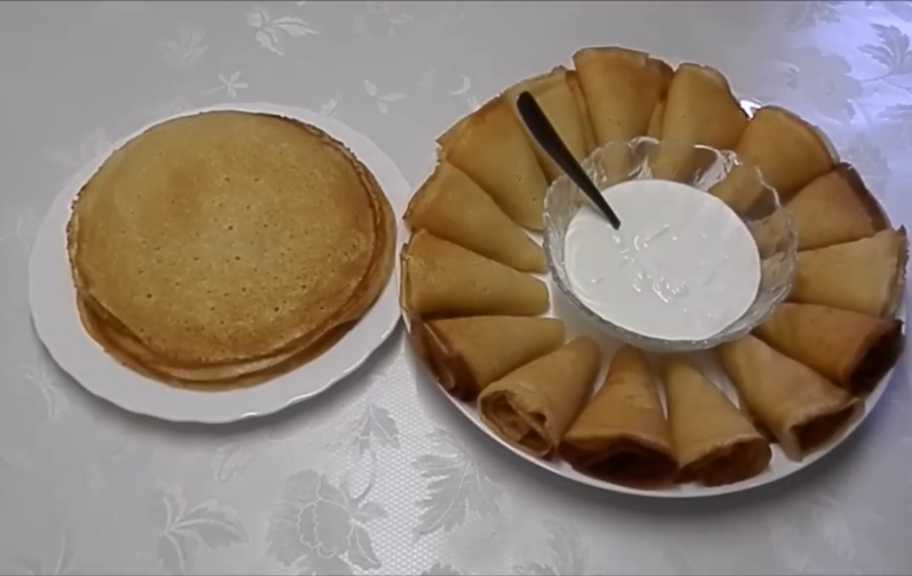
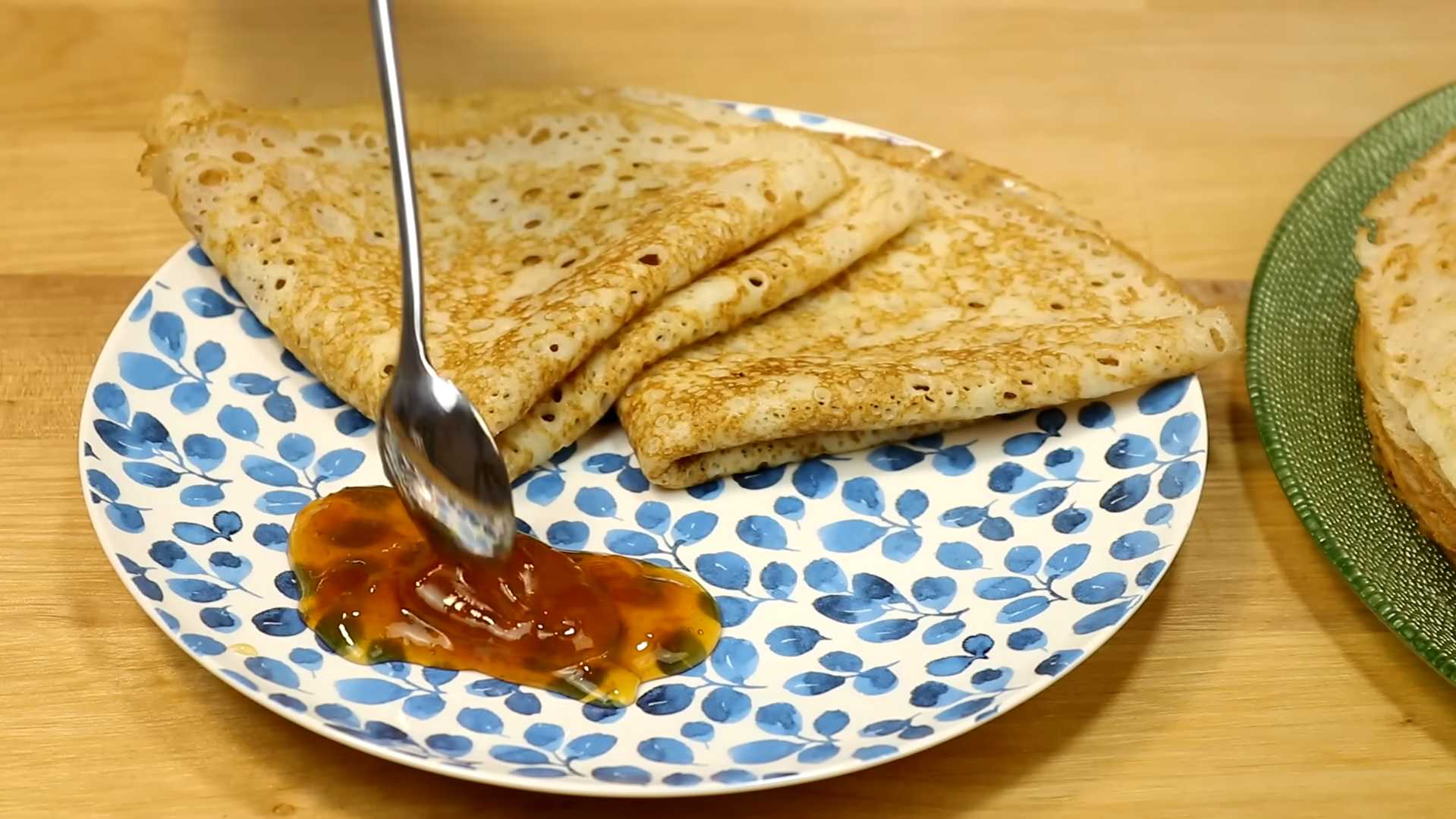 Serve the pancakes hot, with honey, jam, sour cream or melted butter, to your taste.
Cooking tips:
Use fresh yeast. Check the expiration date: expired or improperly stored yeast will not rise the dough, and the pancakes will turn out dense.
Let the dough rise thoroughly. After kneading, cover the bowl with a towel and leave it in a warm place for 40–60 minutes, until it has doubled in size—this is the key to fluffiness.
Don't add salt directly to the yeast. Dissolve it in the milk first or add it after the yeast has activated—excess salt can slow down fermentation.
After rising, gently stir the dough. This will distribute the air bubbles evenly, but don't compress it too much to maintain the airy texture.
Fry over medium heat without adding excess oil. Yeast pancakes are already quite fatty due to the milk; too much oil will make them heavy and thicken the texture.
Serve immediately after baking. These pancakes are especially delicious hot—soft, slightly fluffy, with a freshly baked aroma. They pair perfectly with sour cream, honey, jam, or melted butter.