Moroccan semolina pancakes
Origin of the recipe
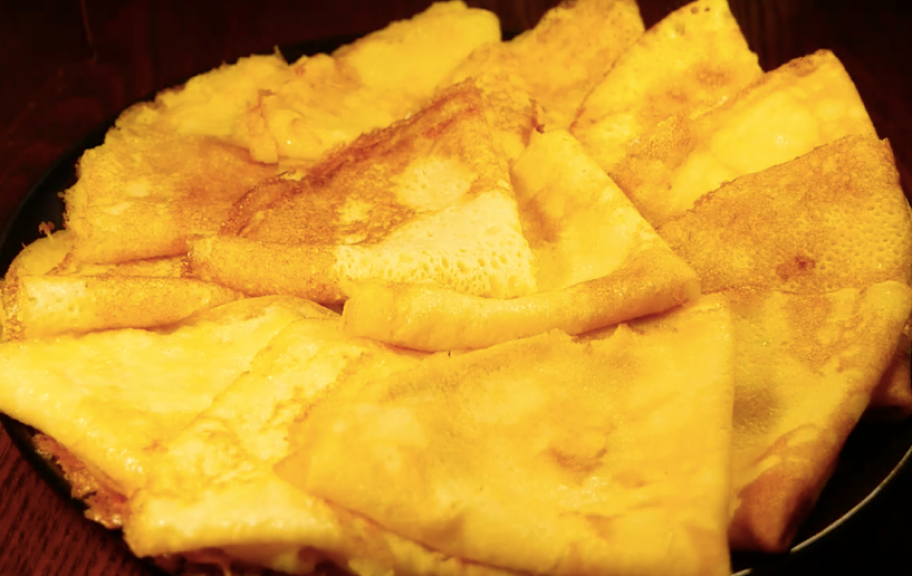
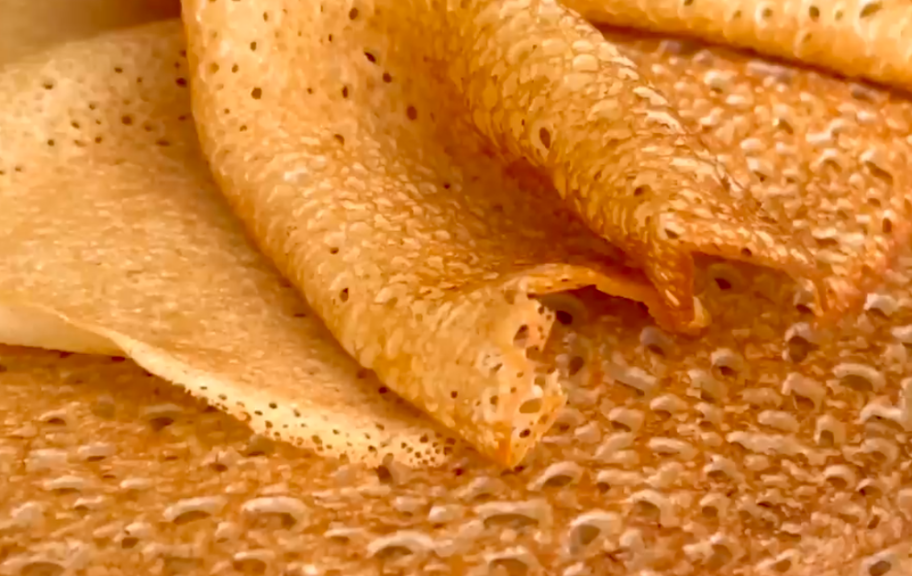
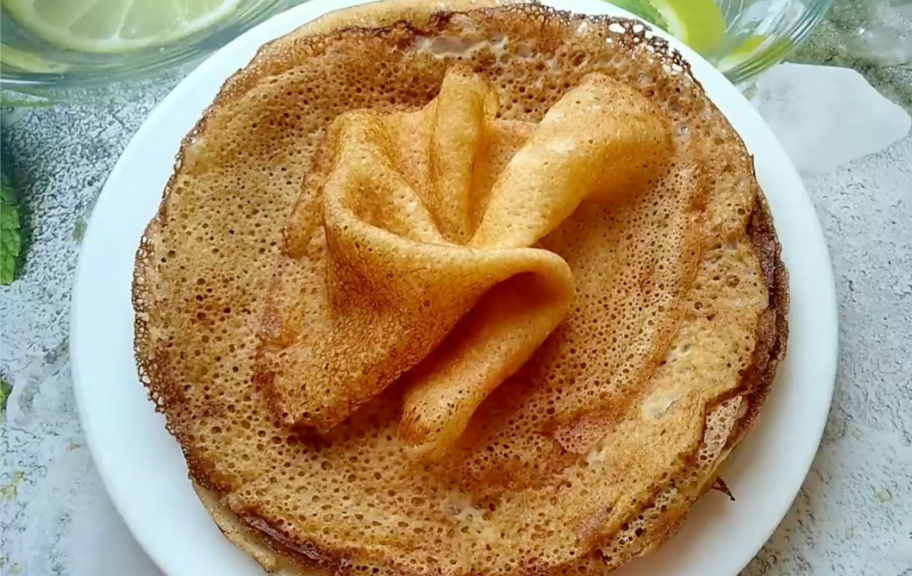
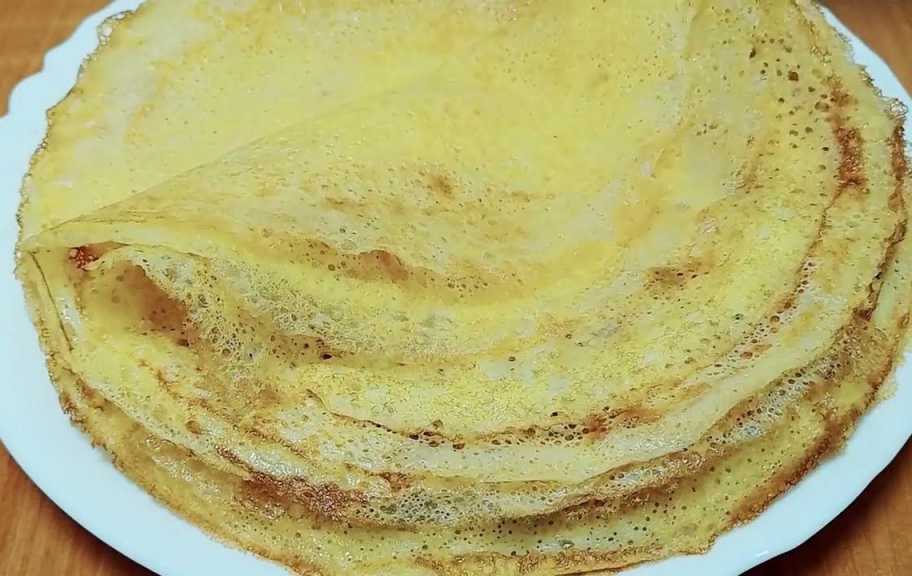
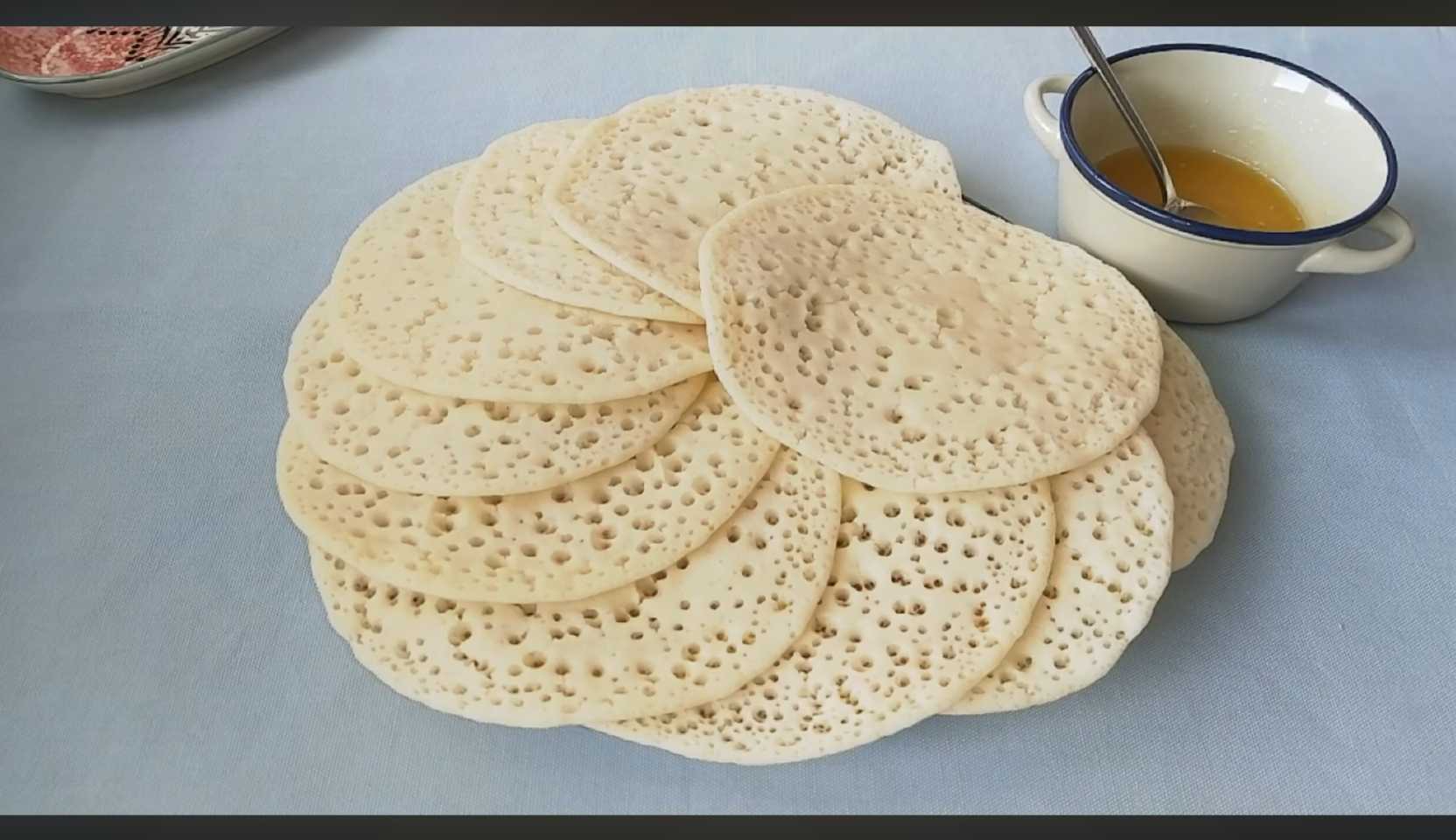
Moroccan semolina pancakes (also known as baghrir or "thousand-eyed pancakes") are a traditional dish of the Berber cuisine of Morocco. They are made from semolina, yeast, and water, with the characteristic "eyes" created by the natural fermentation of the dough. These pancakes are not flipped—they are baked on one side only, resulting in a spongy, soft texture that perfectly absorbs sauces. In Morocco, they are served with honey, butter, or sweet syrup for breakfast or during holidays, especially Ramadan. Thanks to the simplicity of their ingredients and unique texture, Moroccan pancakes have gained popularity far beyond North Africa.
What do you need for cooking?
Ingredients
-
Semolina
-
Flour
-
Warm water
-
Dry yeast
-
Baking powder
-
Sugar
-
Salt
Kitchen utensils
- Whisk
- shoulder blade
- Blender
- Cling film
- deep bowl
- Non-stick frying pan
Step-by-step recipe:
Step 1:
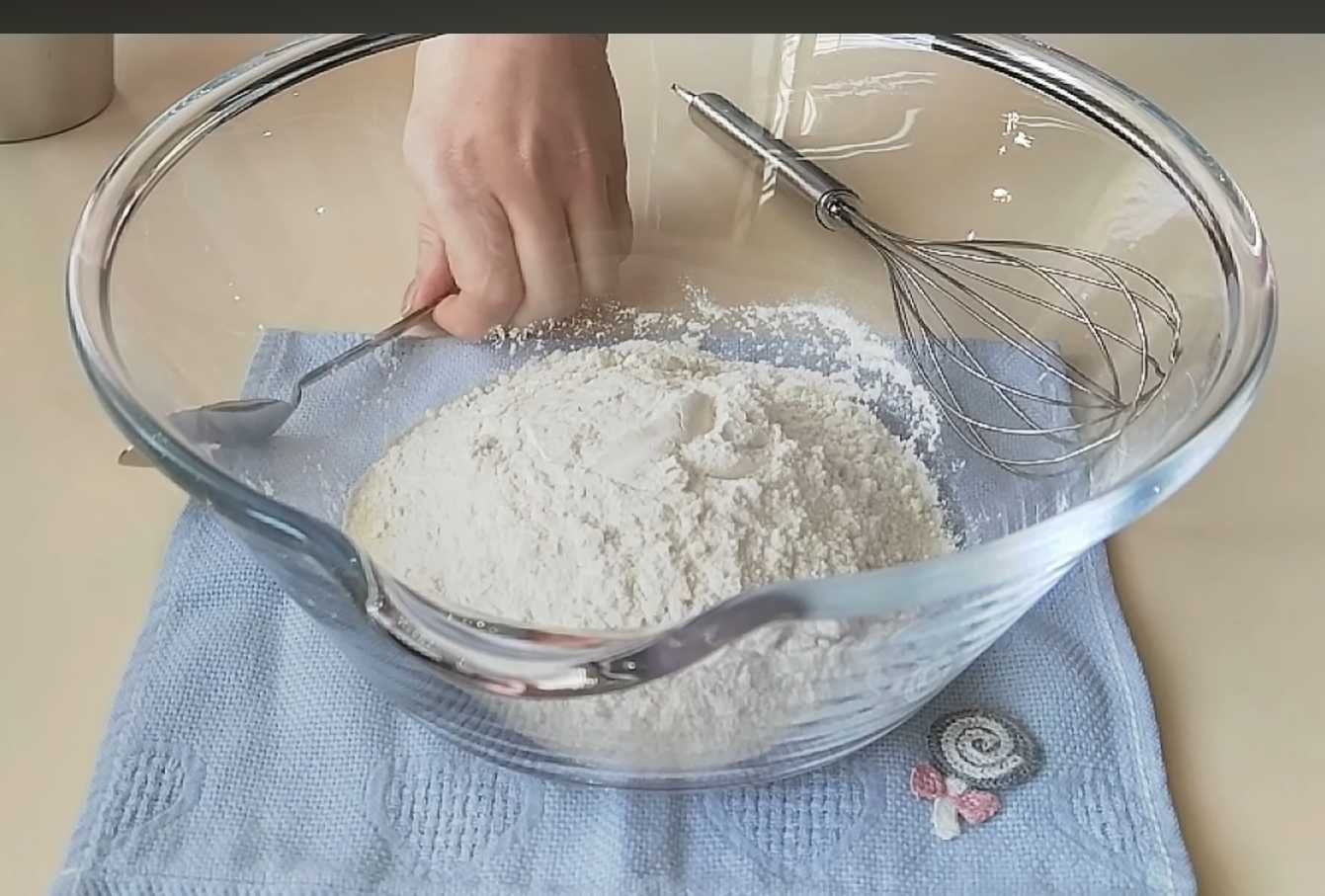 Place semolina, flour, salt, sugar, and dry yeast in a bowl. Whisk the dry ingredients together.
Step 2:
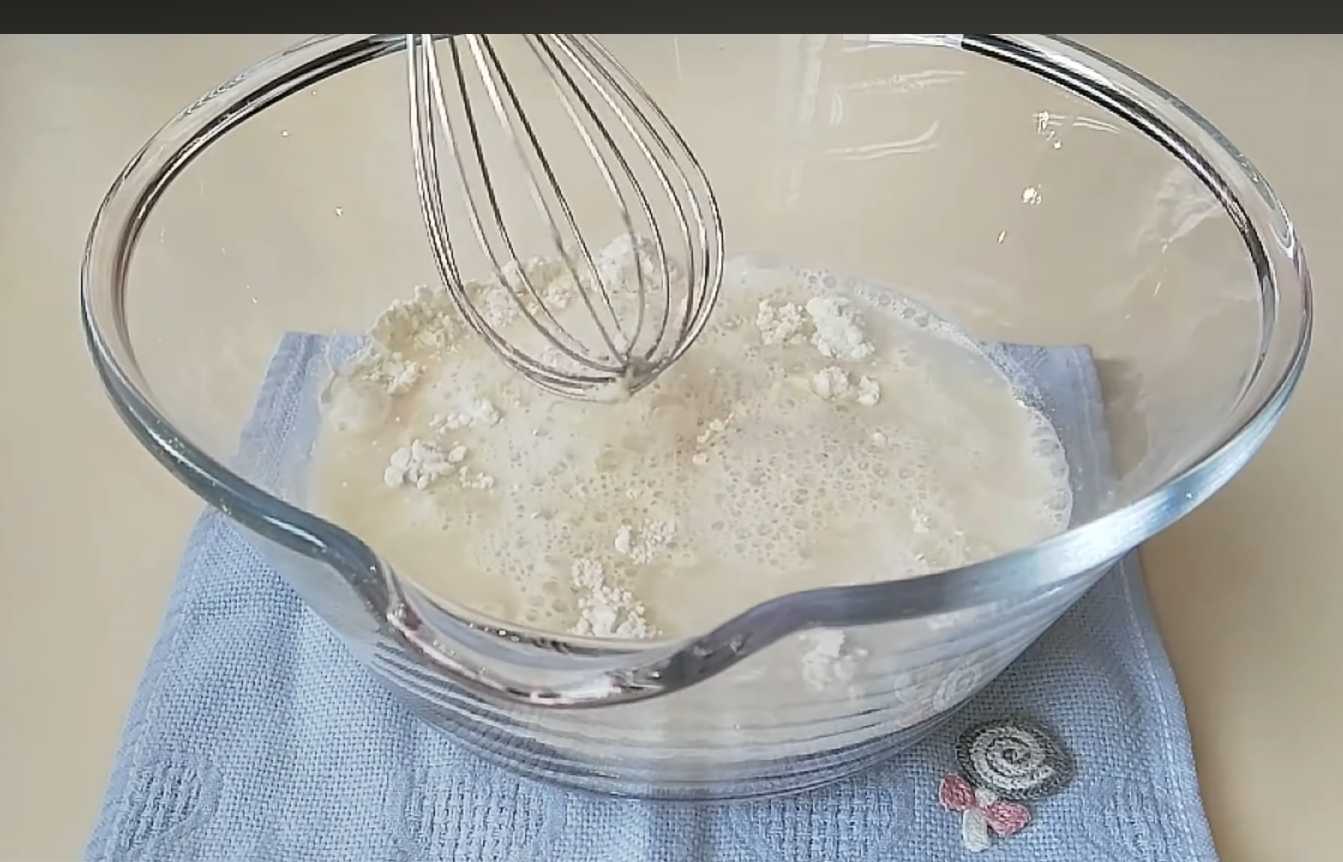 Pour in warm water and mix thoroughly until smooth, removing lumps.
Step 3:
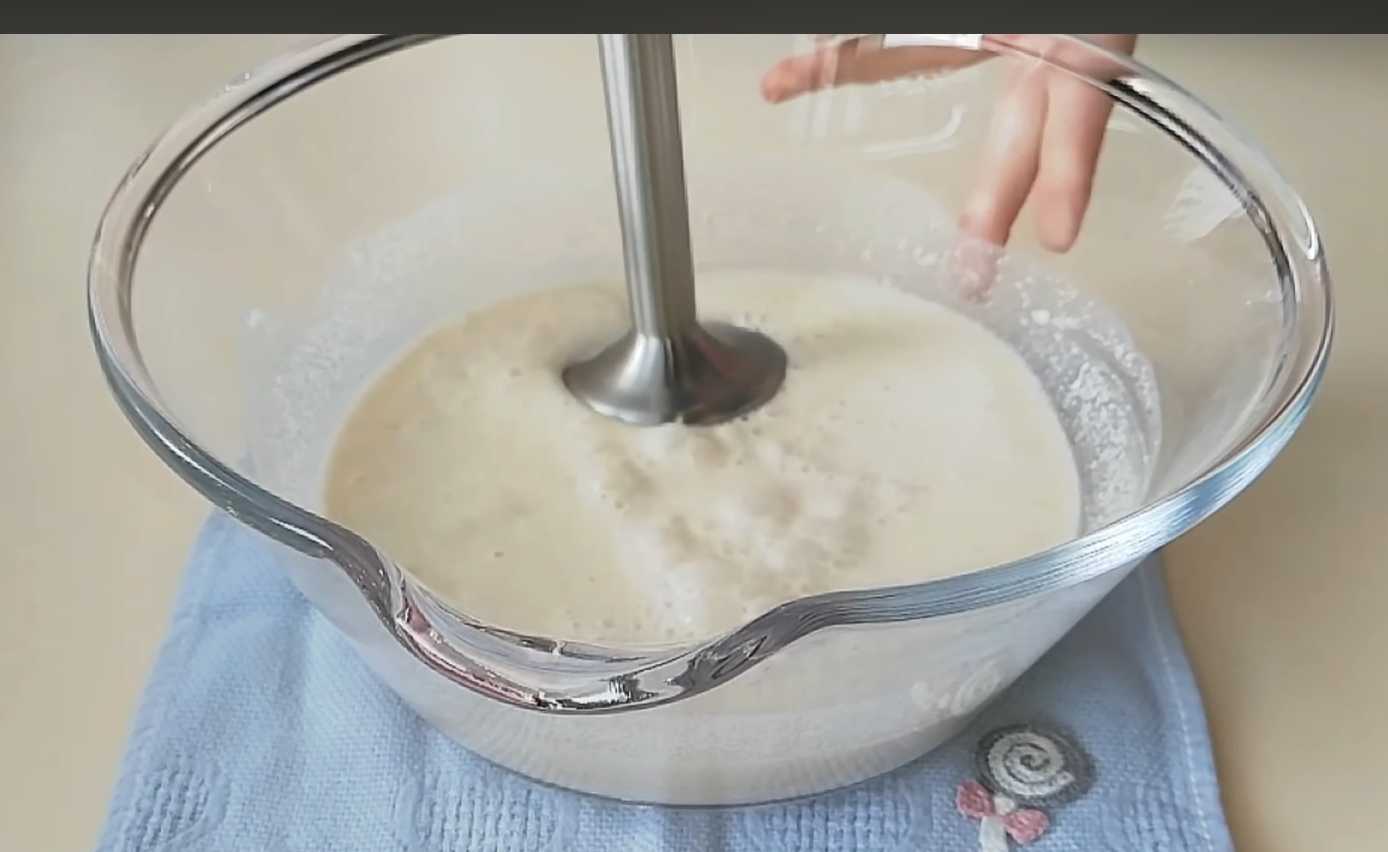 Use an immersion blender to beat the dough for 2-3 minutes – it should become smooth and slightly bubbly.
Step 4:
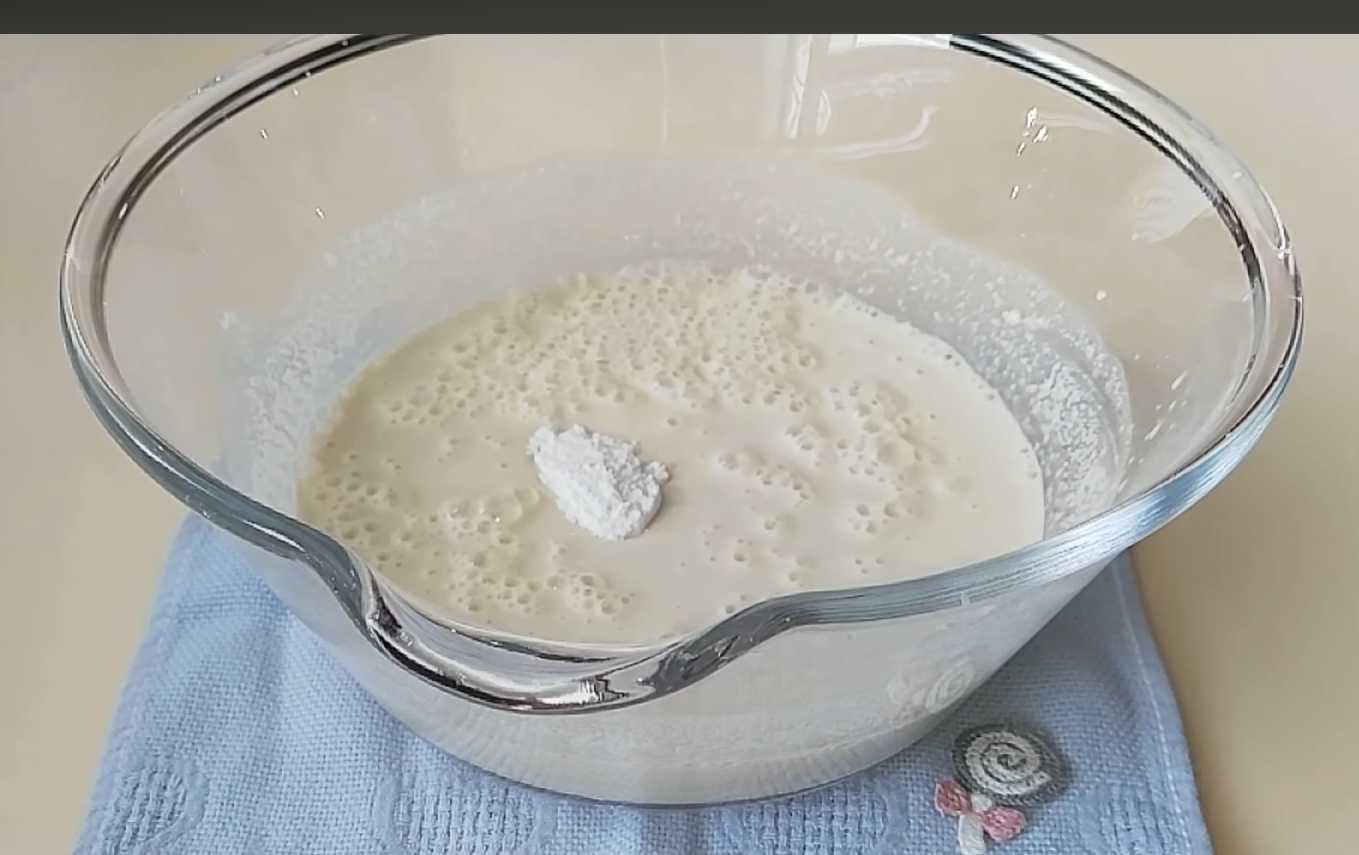 Add baking powder and whisk again until completely dissolved.
Step 5:
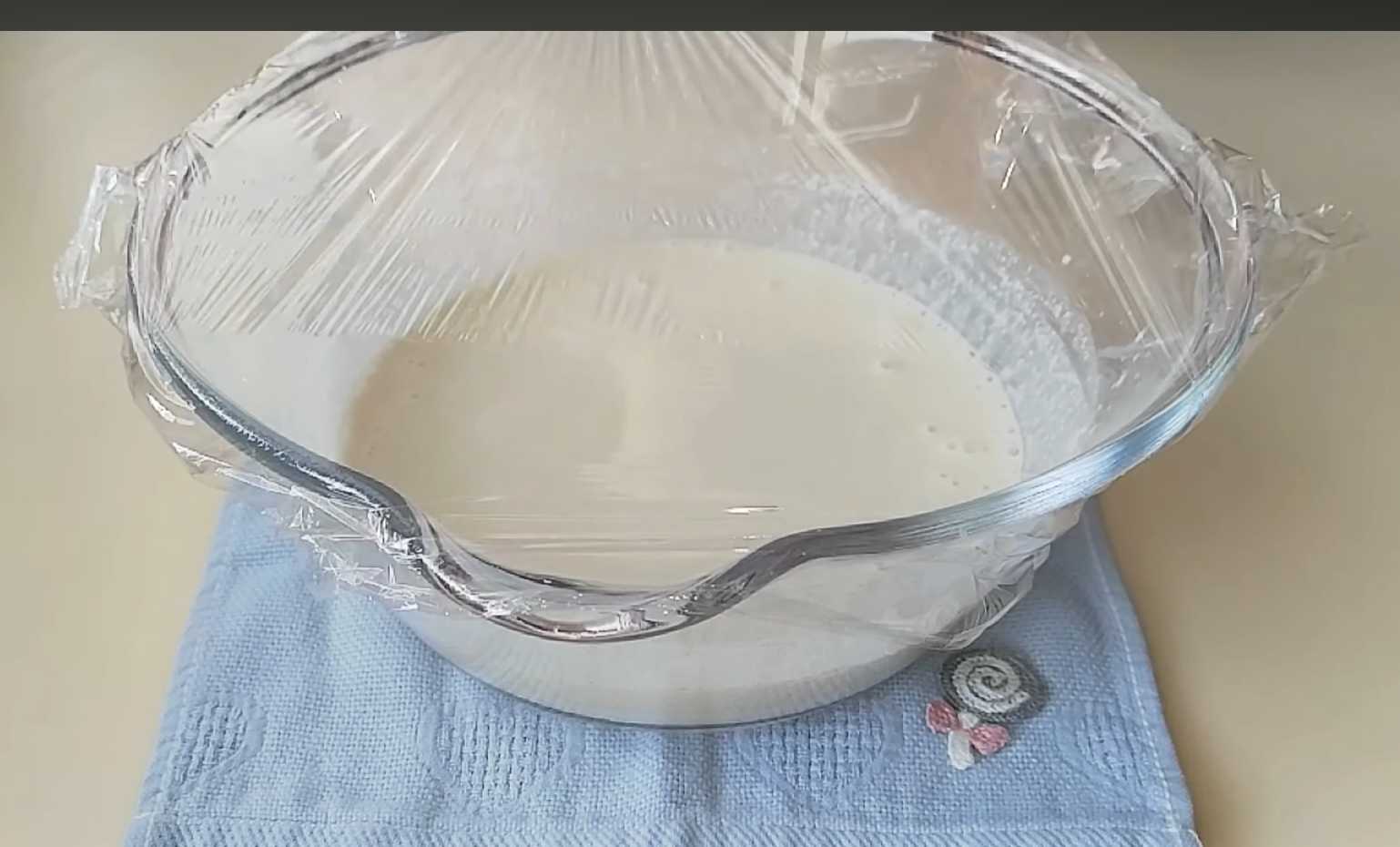 Cover the bowl with cling film and leave the dough for 10 minutes to let it rest a little.
Step 6:
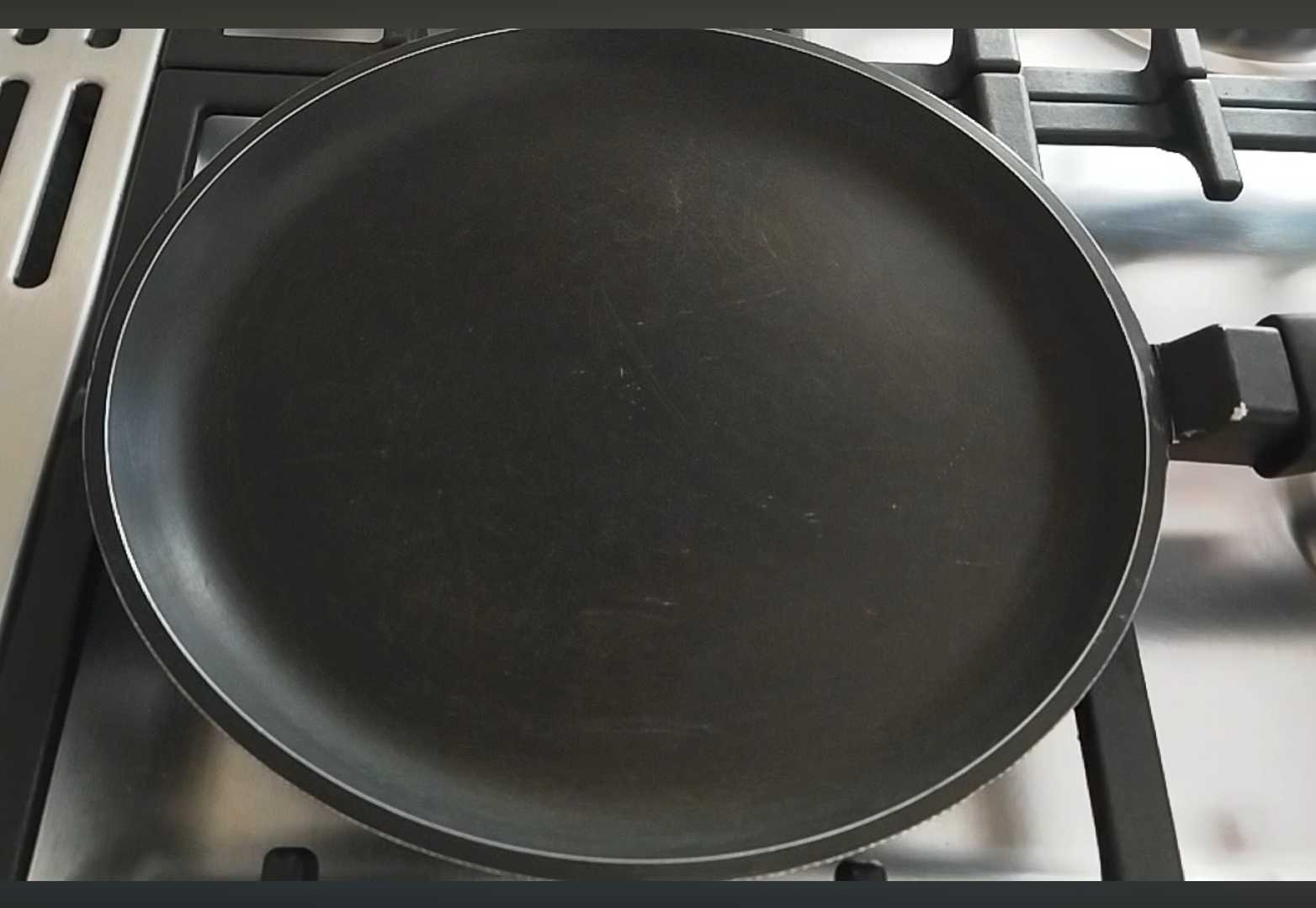 Heat a frying pan over medium heat - it should be dry and without oil.
Step 7:
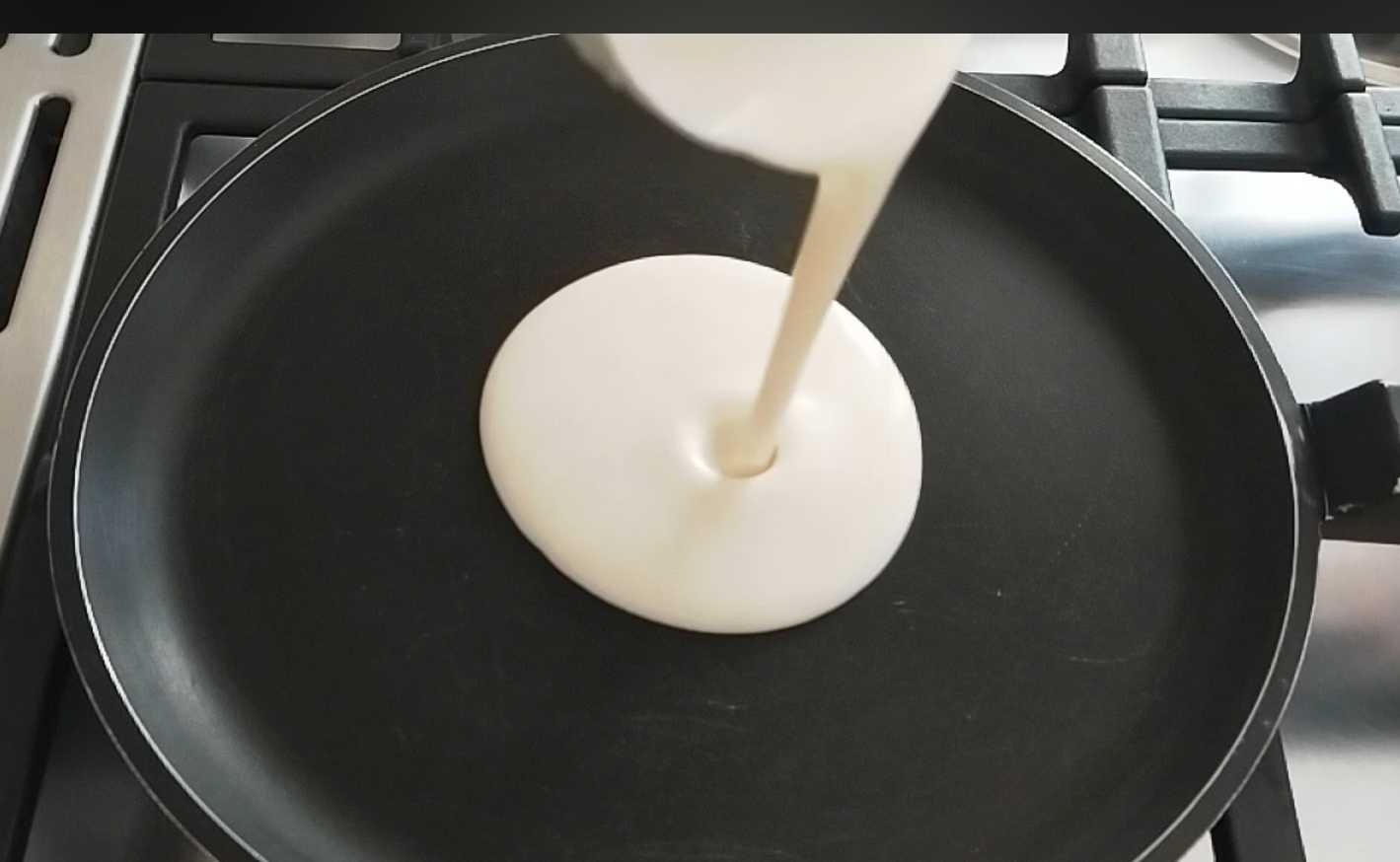 Pour a portion of the batter into the pan and distribute it evenly, tilting the pan slightly.
Step 8:
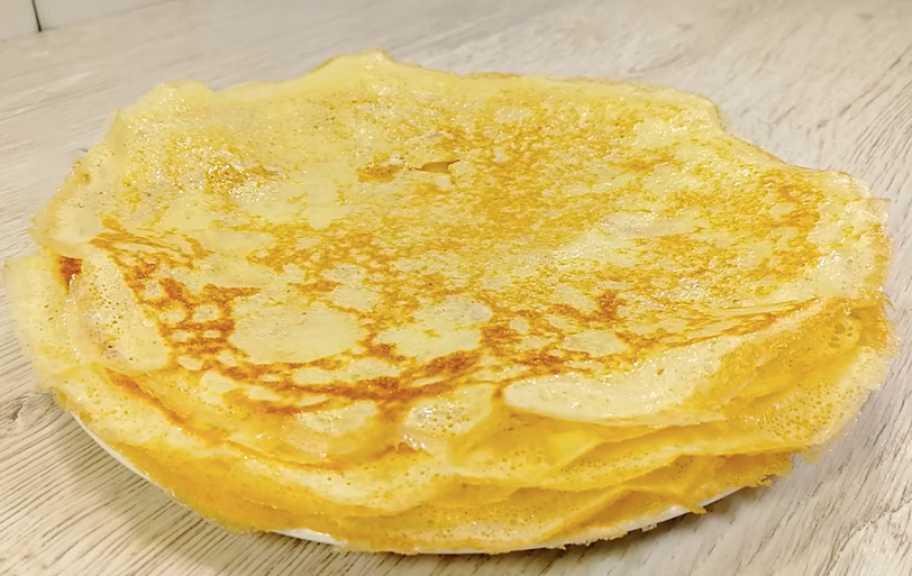
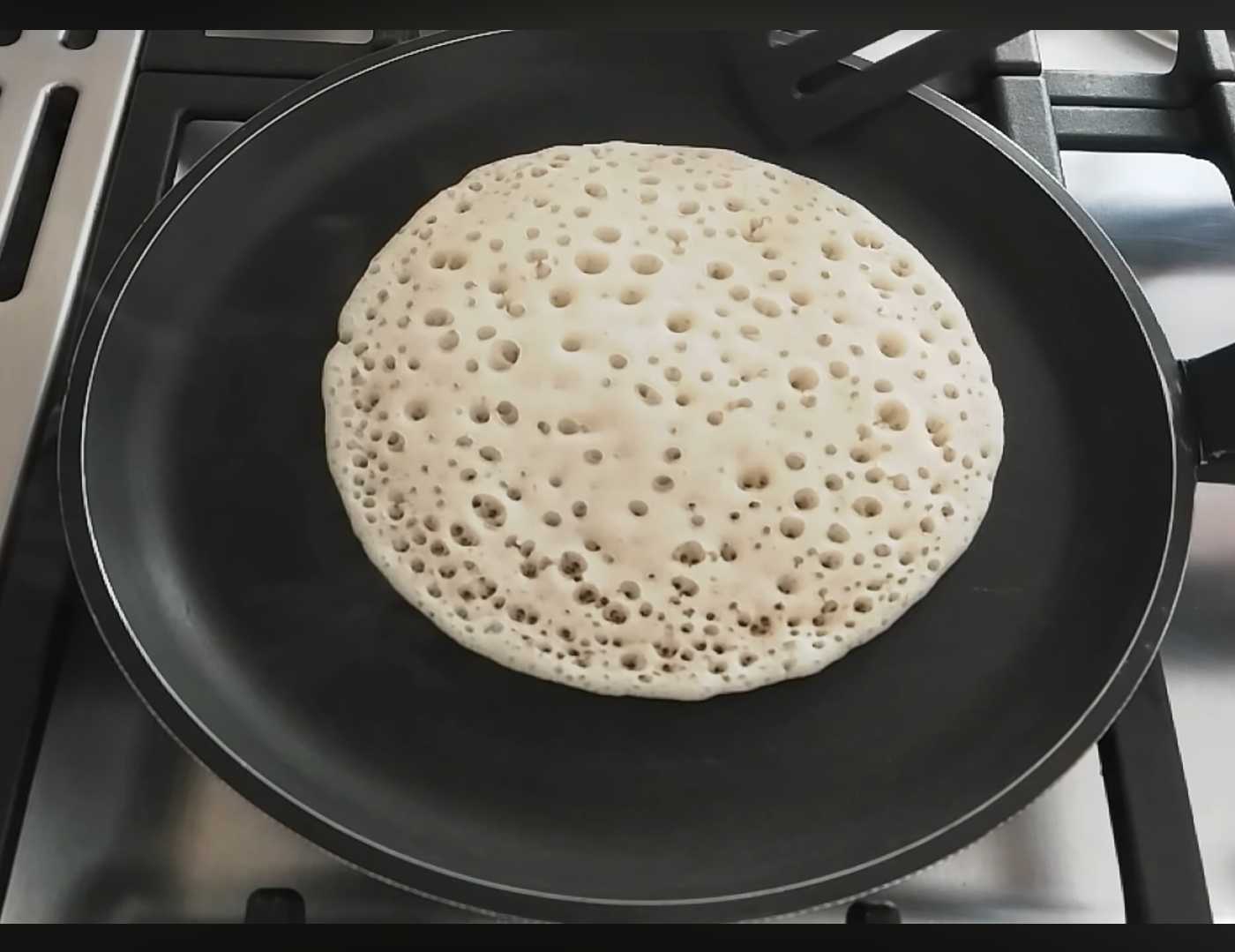 Fry the pancake until the surface is bubbly and matte.
Step 9:
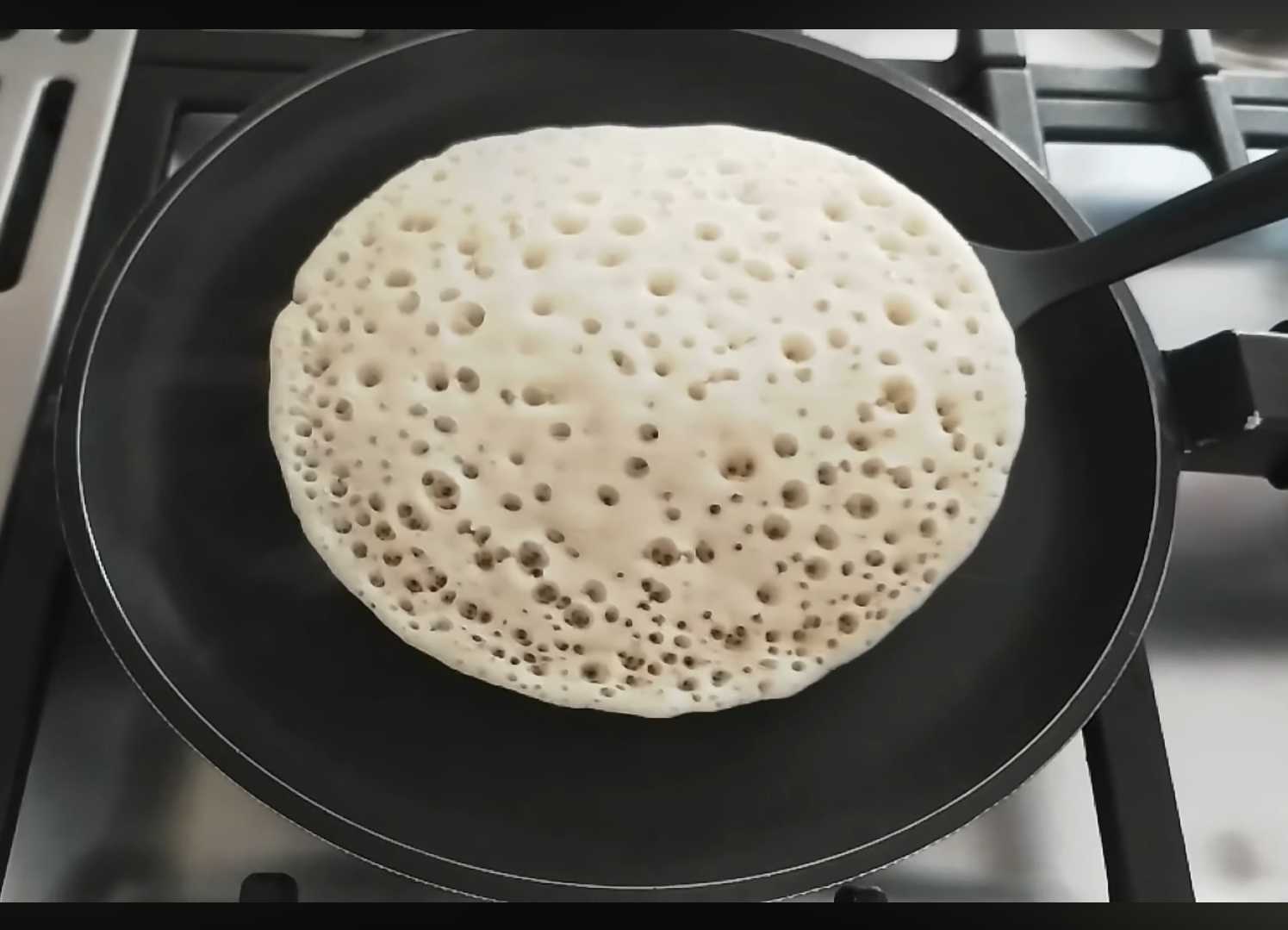 Place the finished pancake on a plate, covering it with a towel to keep it soft.
Step 10:
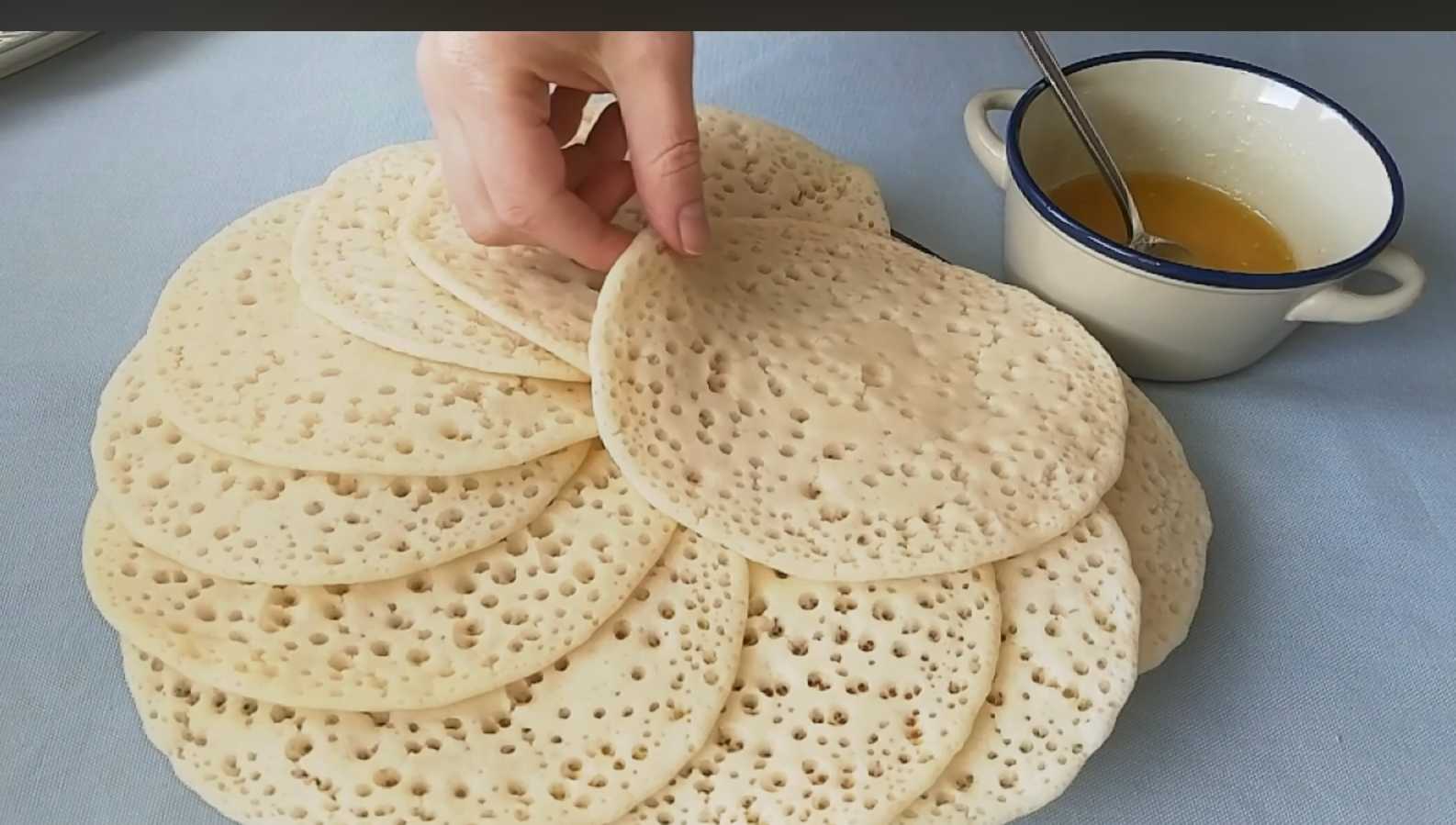 Repeat steps 6-9 until all the dough is used up.
Step 11:
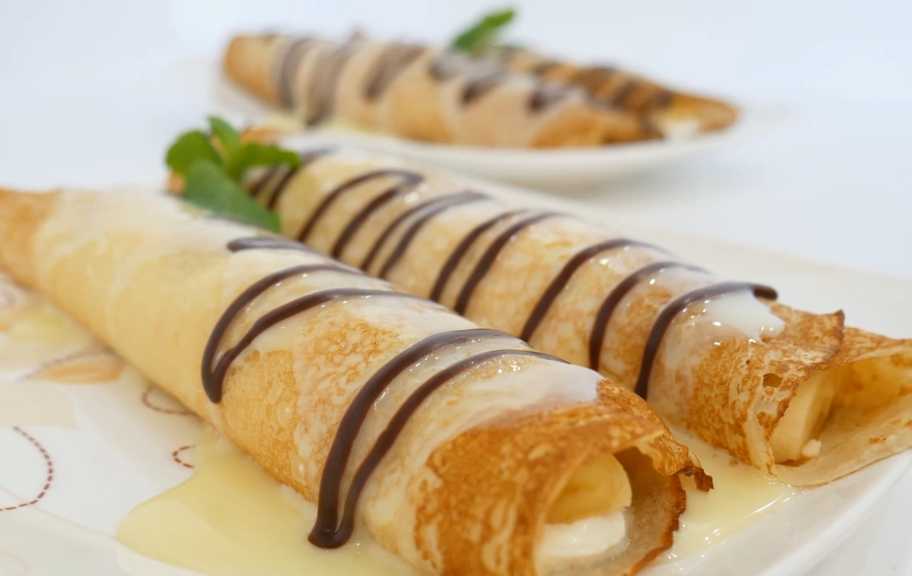
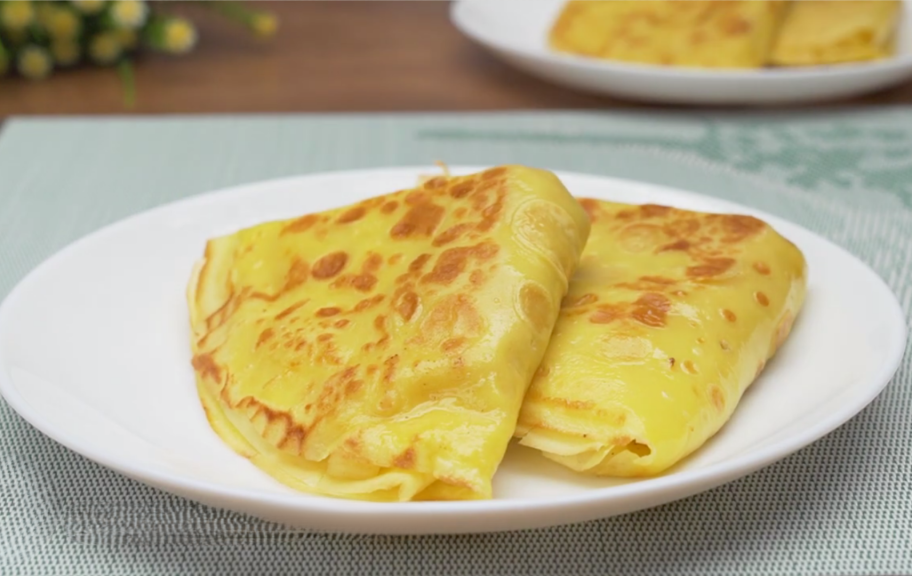
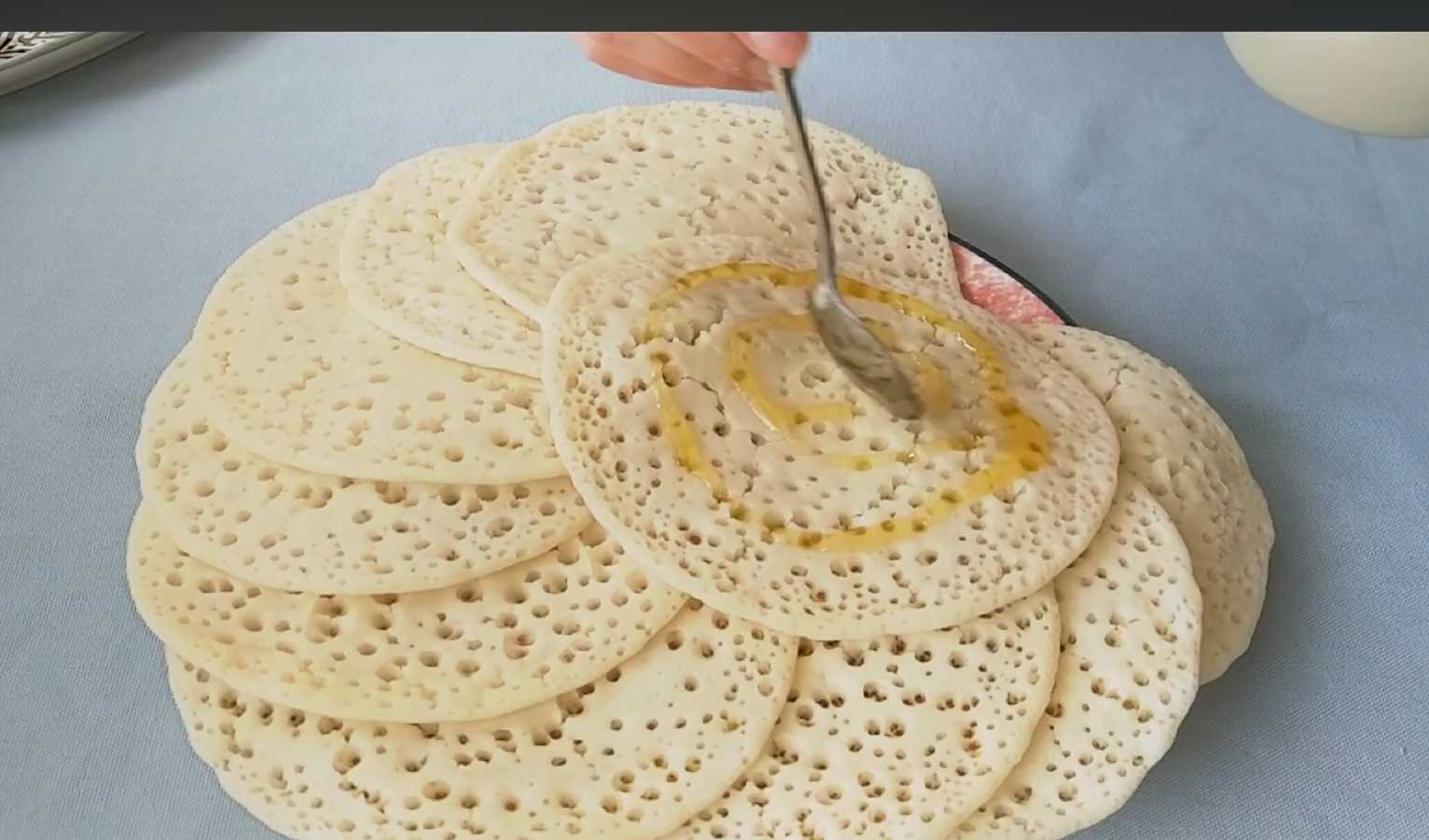 Serve warm with sour cream, jam or any other filling of your choice.
Cooking tips:
For maximum tenderness, use only warm water—hot water can ruin the dough's structure.
Don't overdo it with sugar - too much can make the pancakes too sweet and dense.
Use a non-stick frying pan to prevent the pancakes from sticking and to make them easy to flip.
Do not increase the amount of batter in the pan - too thick a layer may not cook through inside.
If the pancakes are too dense, add a little water - this will make them more tender.
Store the finished pancakes in a sealed container – they will remain soft even the next day.