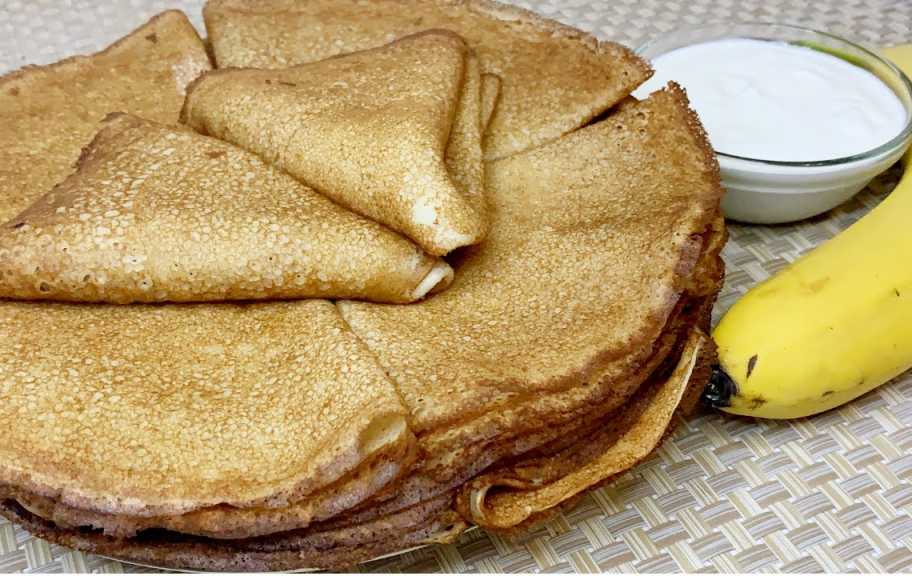
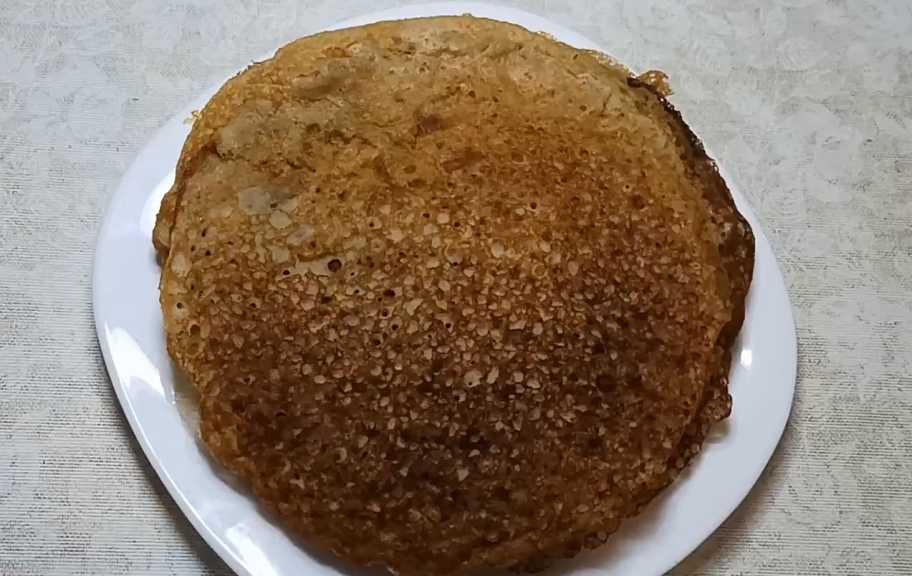
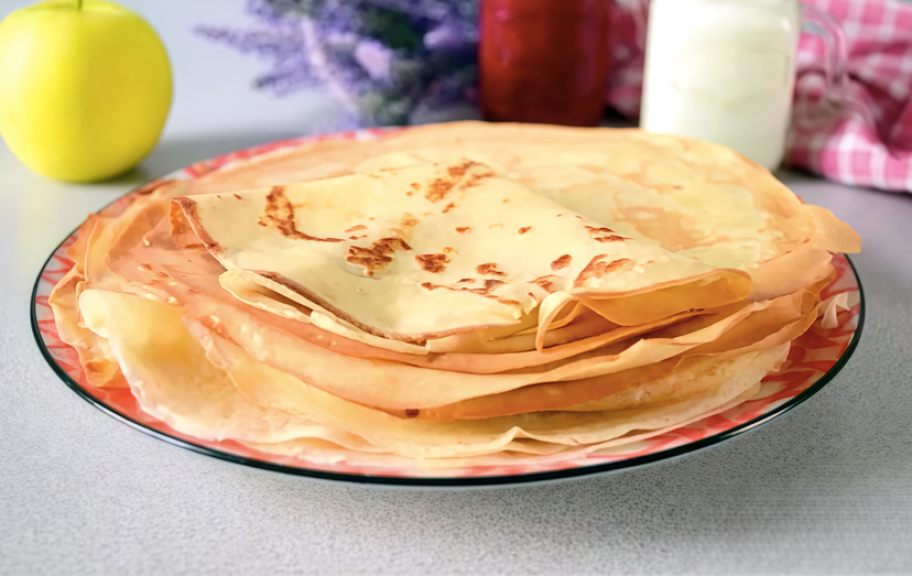
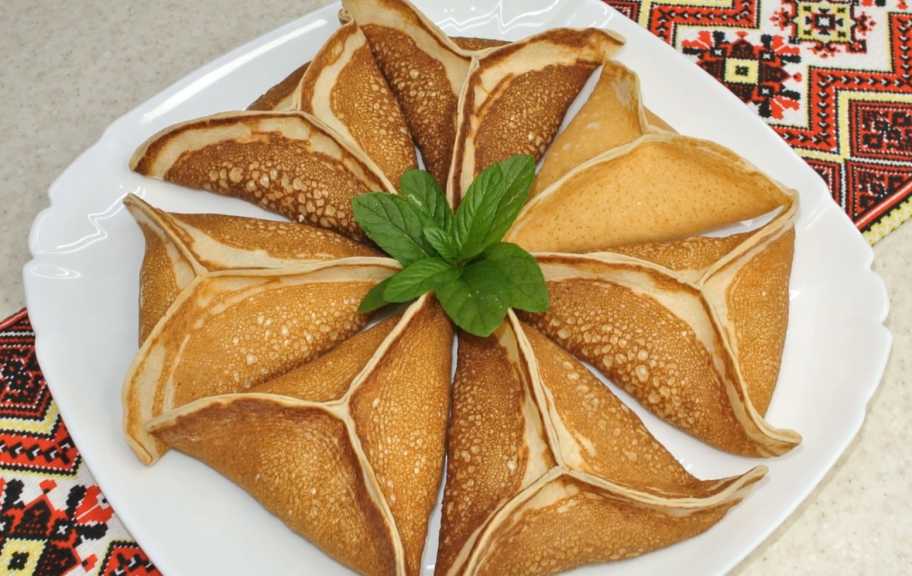
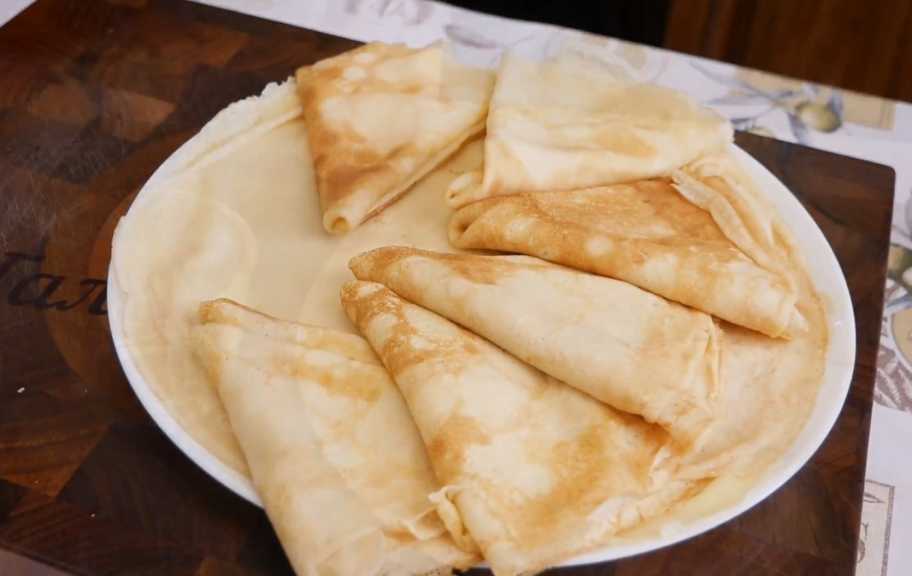
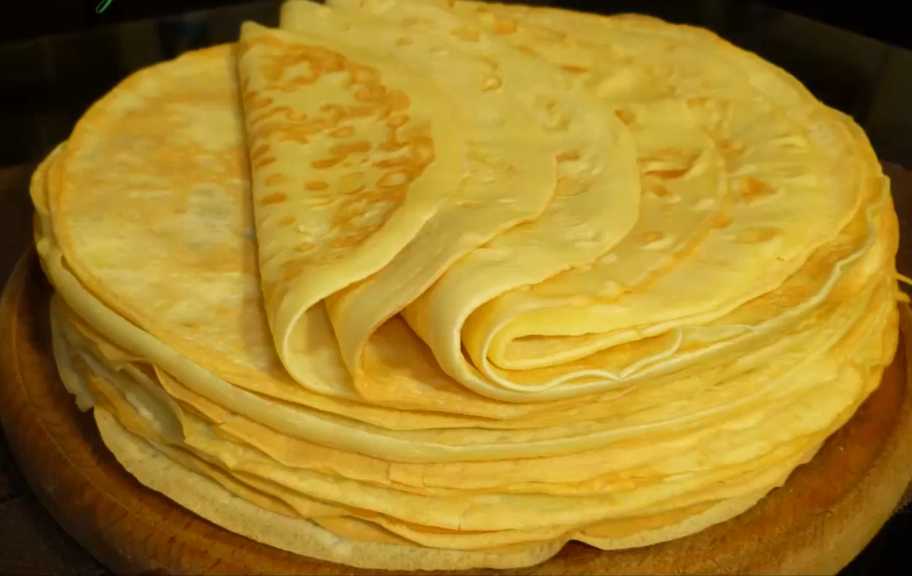
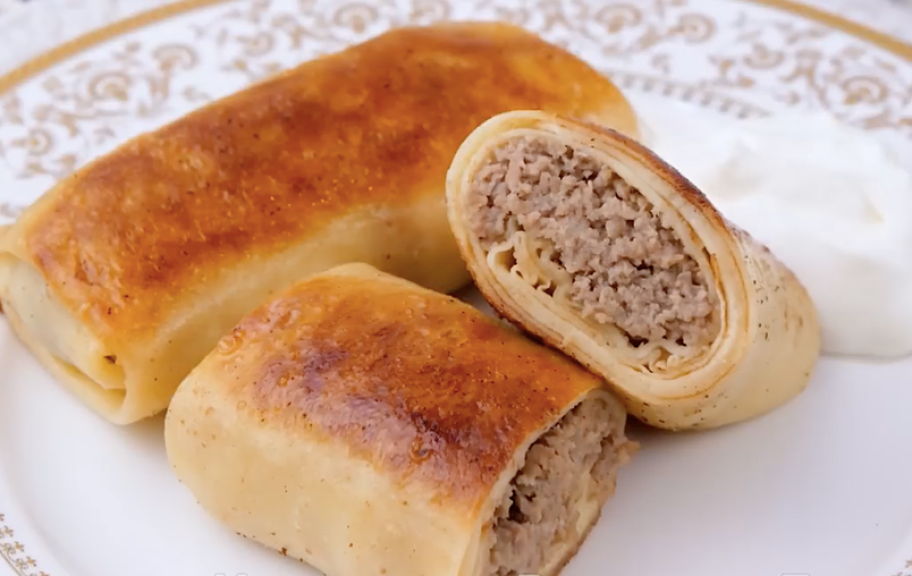
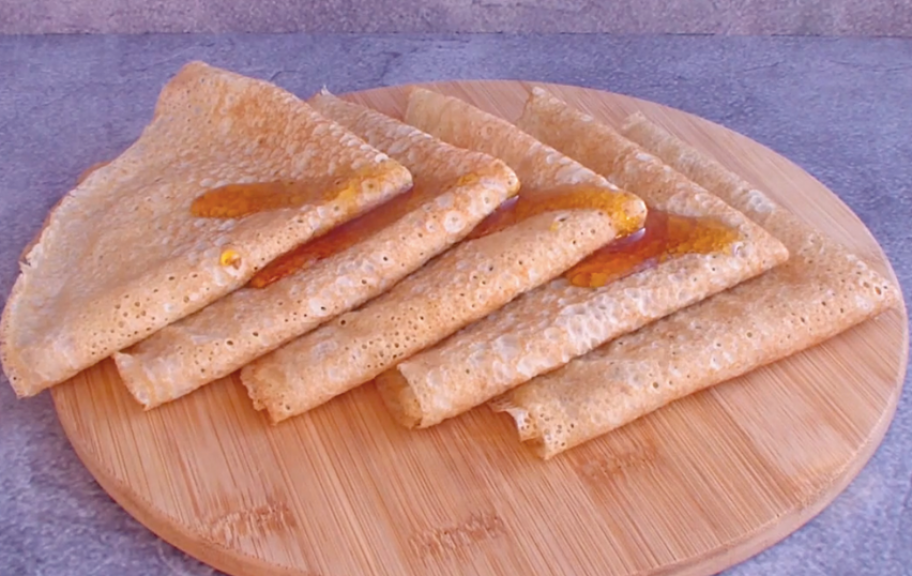
Pancakes with cabbage
Origin of the recipe
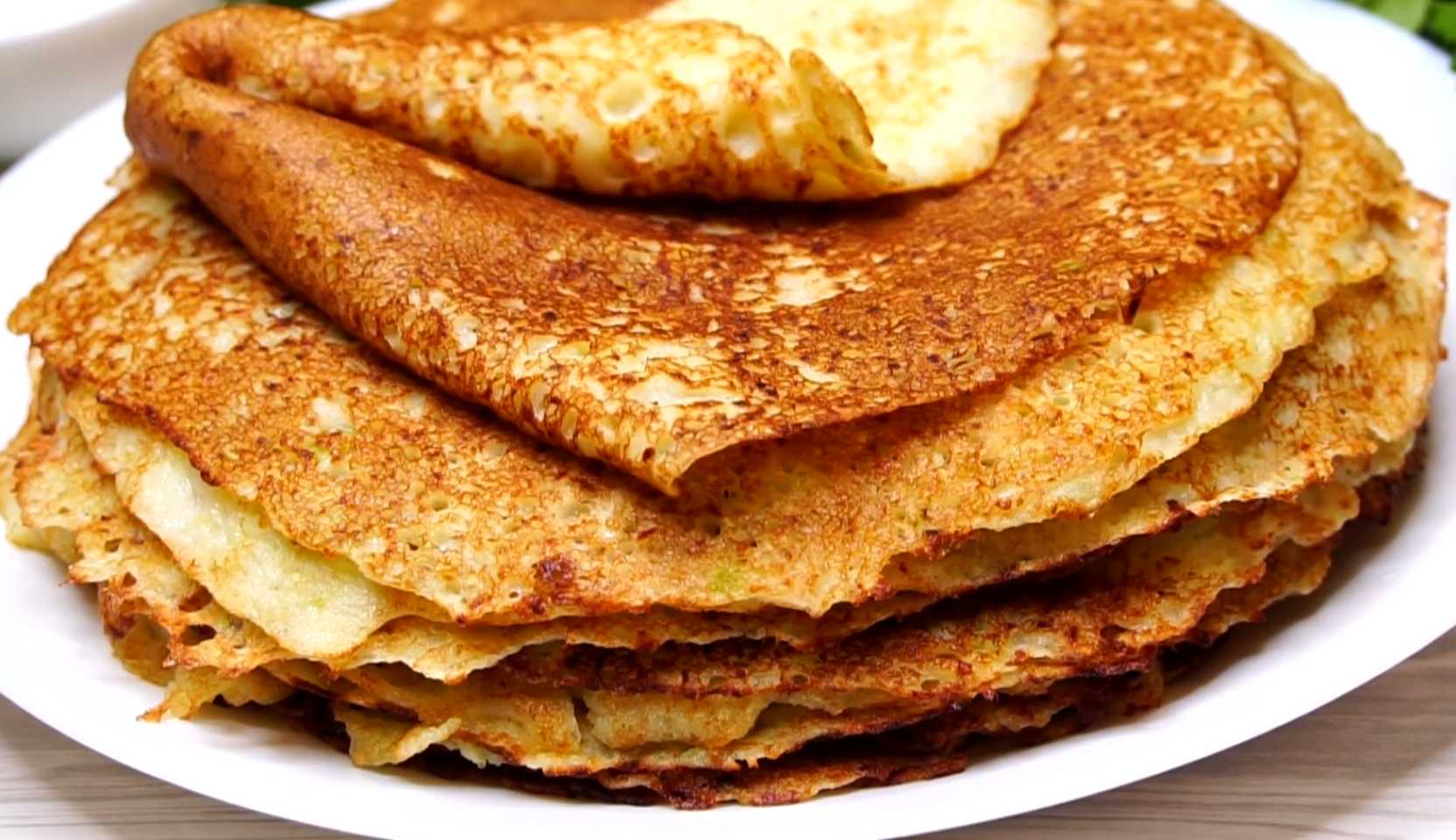
Cabbage pancakes are a traditional dish of Russian and Eastern European cuisine, rooted in peasant life, where cabbage was a staple vegetable due to its availability and long shelf life. These pancakes were prepared as an economical and nutritious main course option, especially during Lent or on weekdays. Stewed cabbage with onions and carrots became a juicy filling, wrapped in thin pancakes or mixed directly into the dough. In some regions, they were baked with sour cream or sprinkled with grated cheese. Today, cabbage pancakes remain popular due to their simplicity, filling nature, and the nostalgic taste of home cooking.
What do you need for cooking?
Ingredients
-
Cabbage
-
Eggs
-
Milk or water
-
Flour
-
Salt
-
Vegetable oil
-
Black pepper
Kitchen utensils
- Whisk
- shoulder blade
- Sieve
- deep bowl
- Non-stick frying pan
- Food processor/blender
Step-by-step recipe:
Step 1:
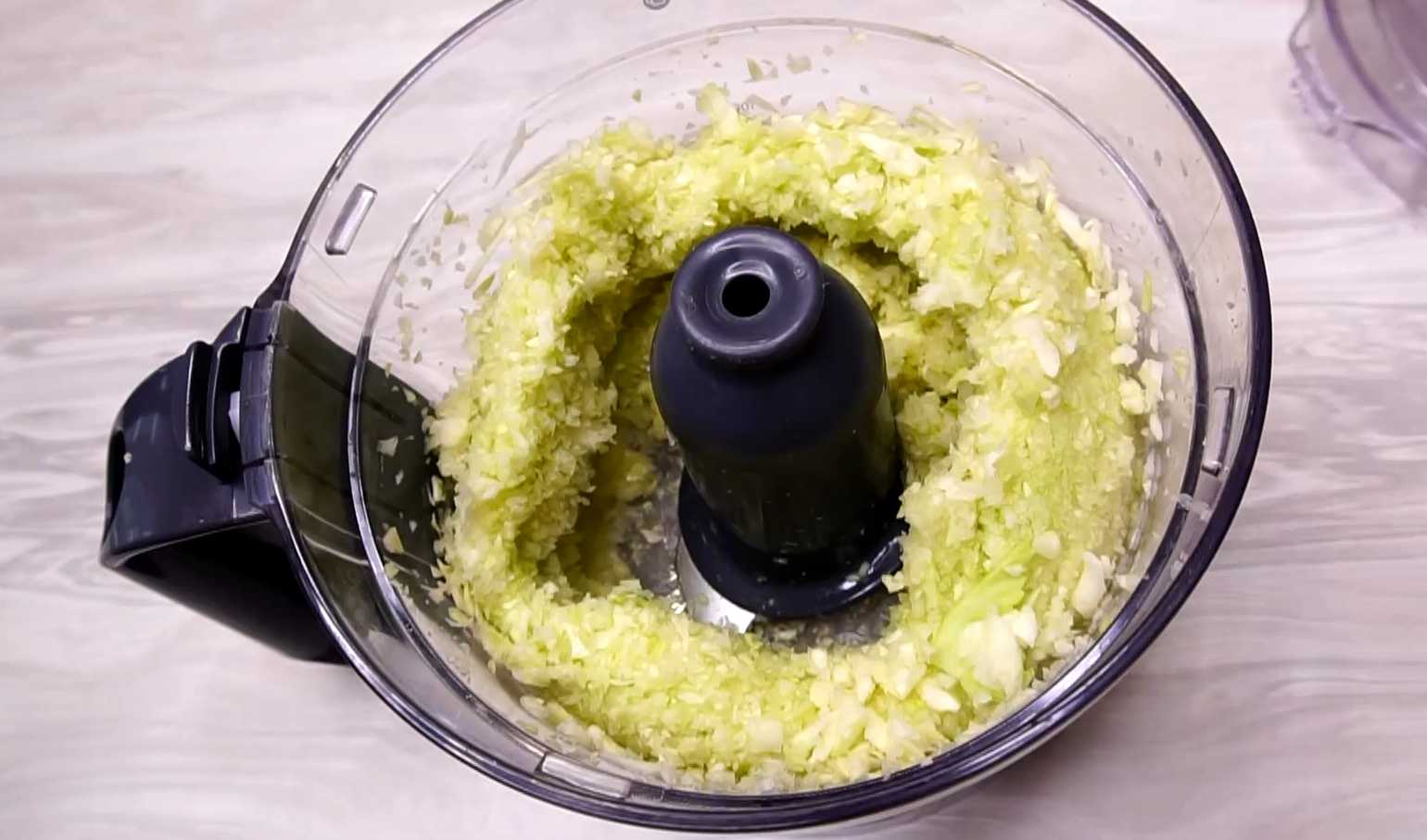 Cut the cabbage into pieces and blend in a blender until smooth.
Step 2:
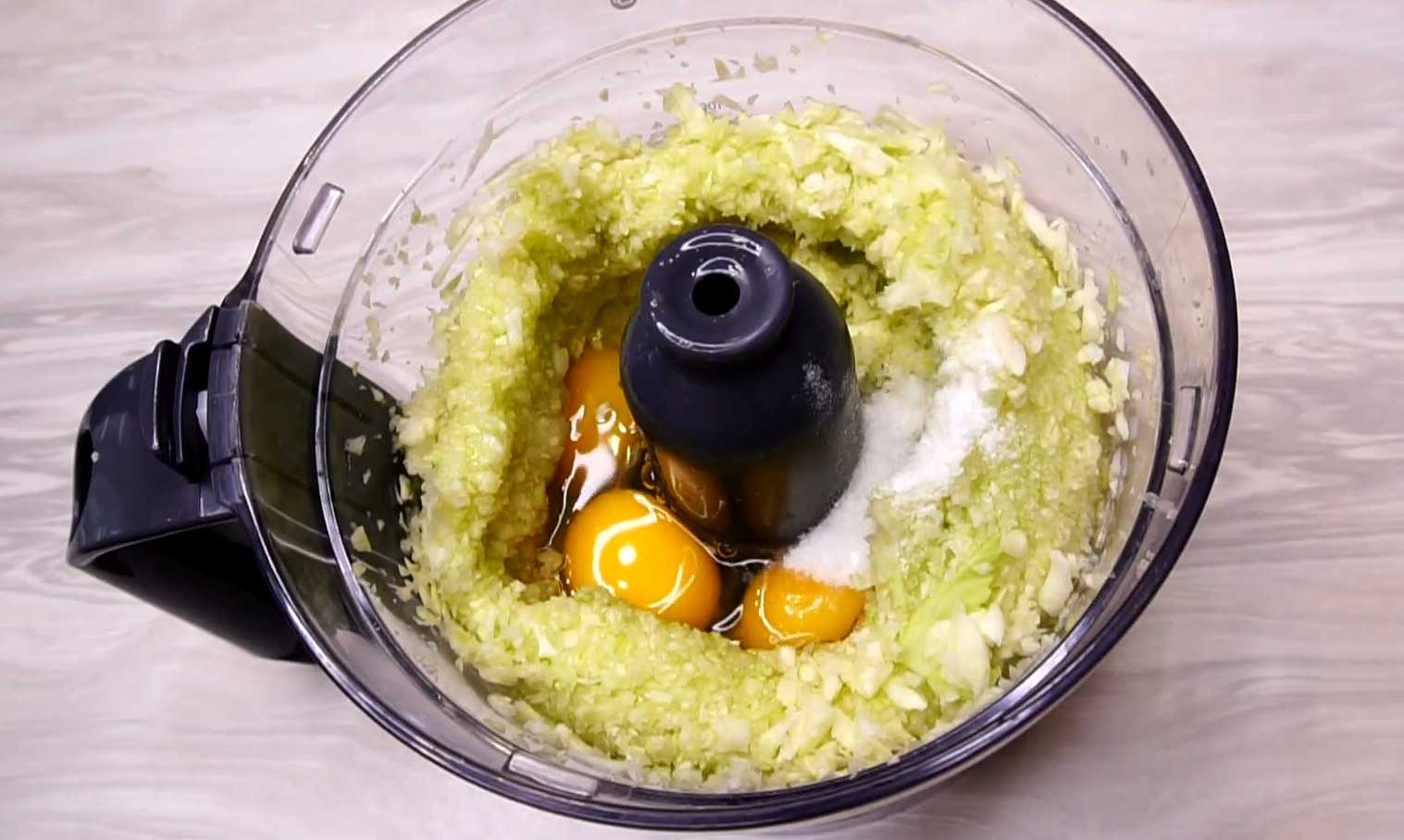 Add eggs and salt to a blender. Blend until smooth.
Step 3:
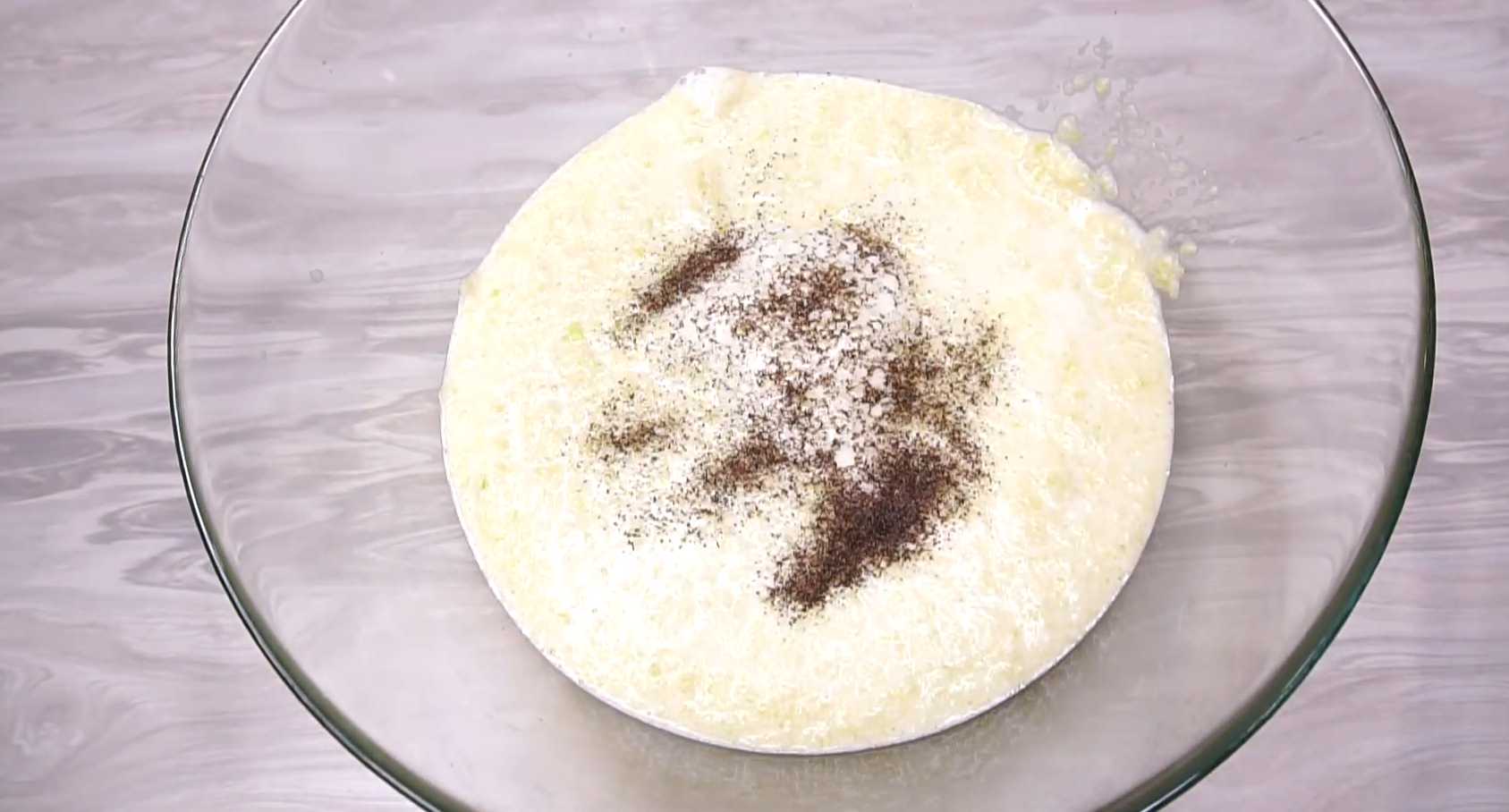 Pour the mixture into a bowl and add water (or milk) and ground black pepper. Mix well.
Step 4:
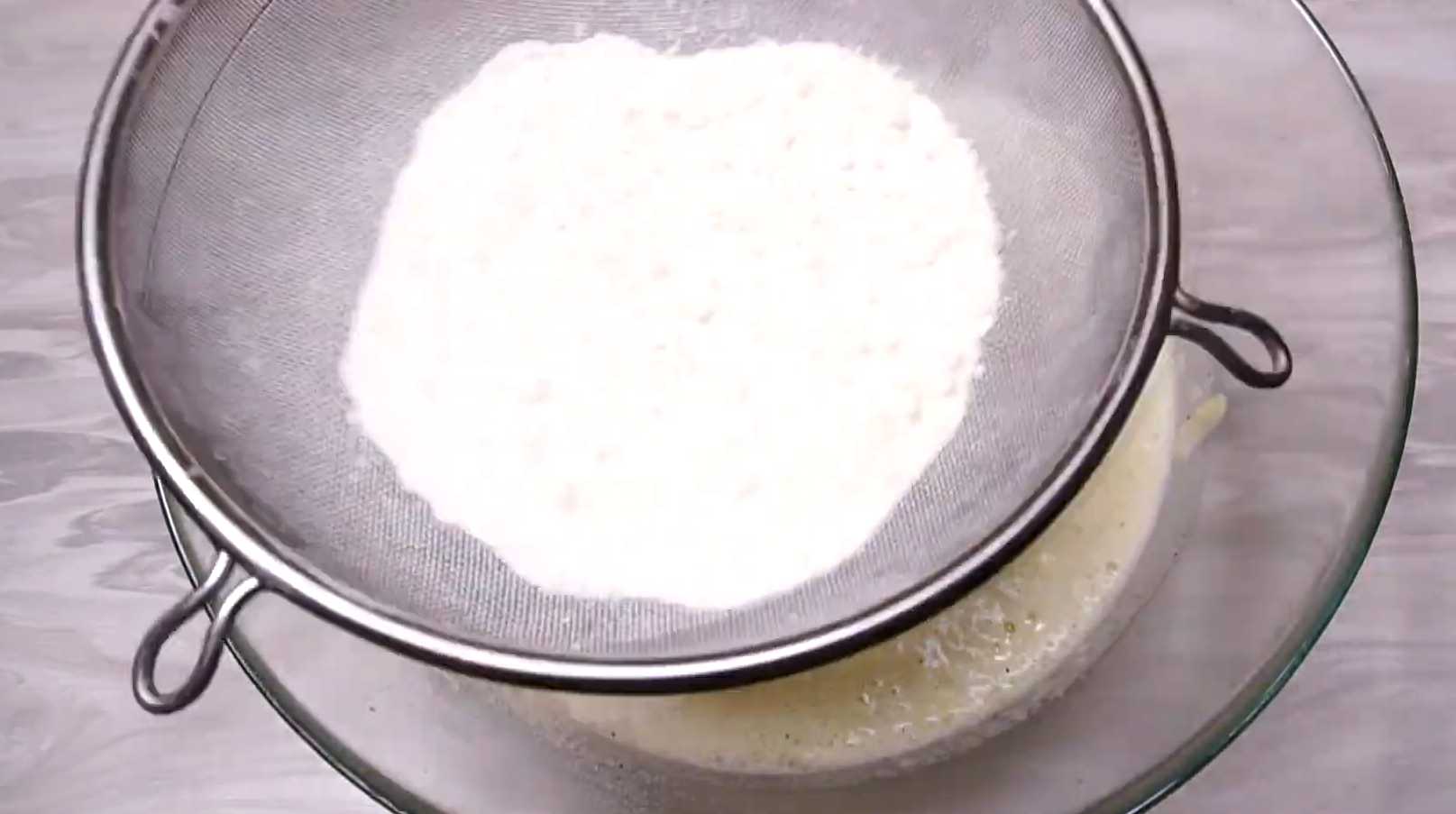 Gradually add the flour, sifting it through a sieve to avoid lumps. Whisk until smooth.
Step 5:
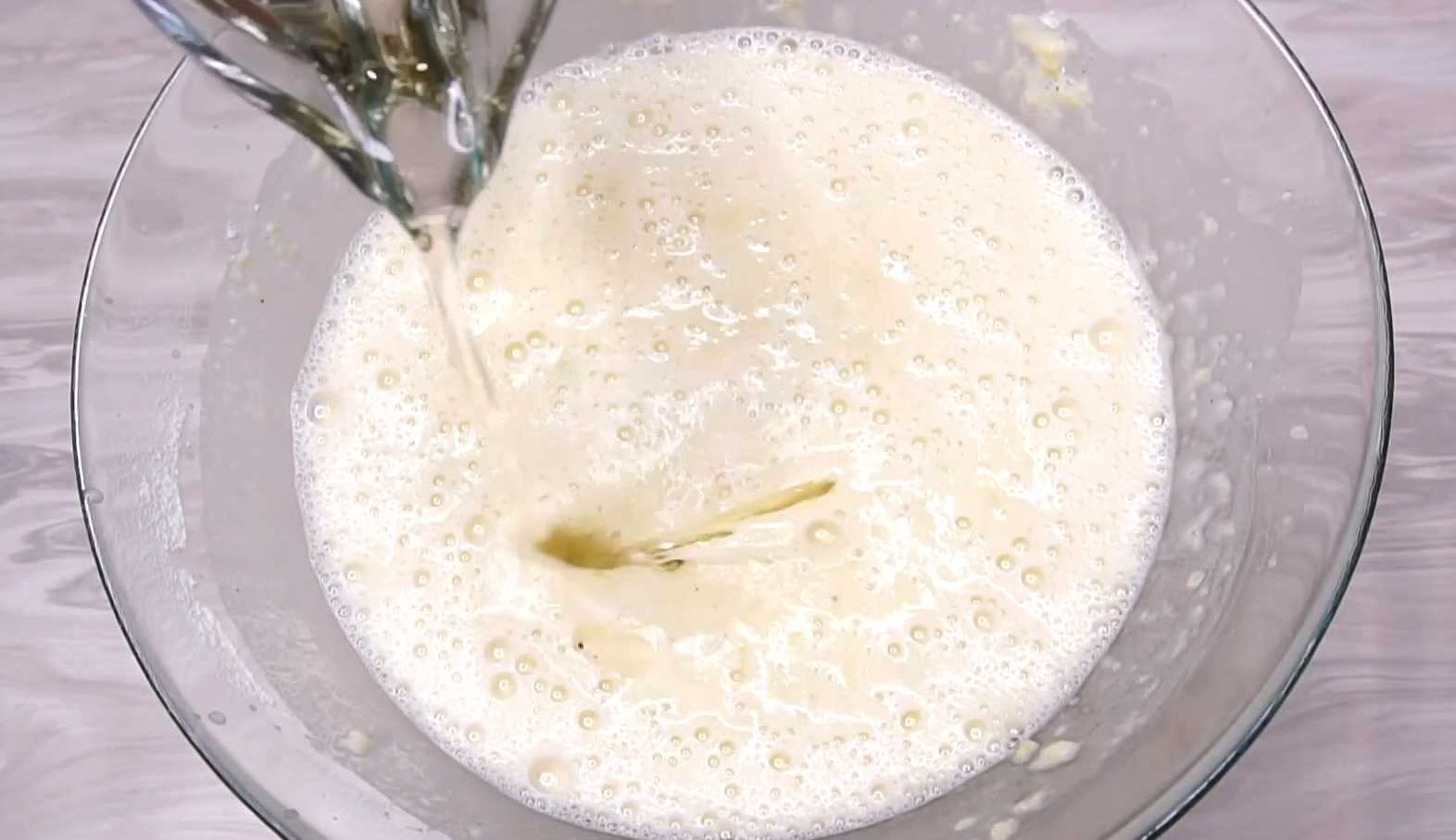 Add vegetable oil and mix well again – the dough should be liquid, like sour cream.
Step 6:
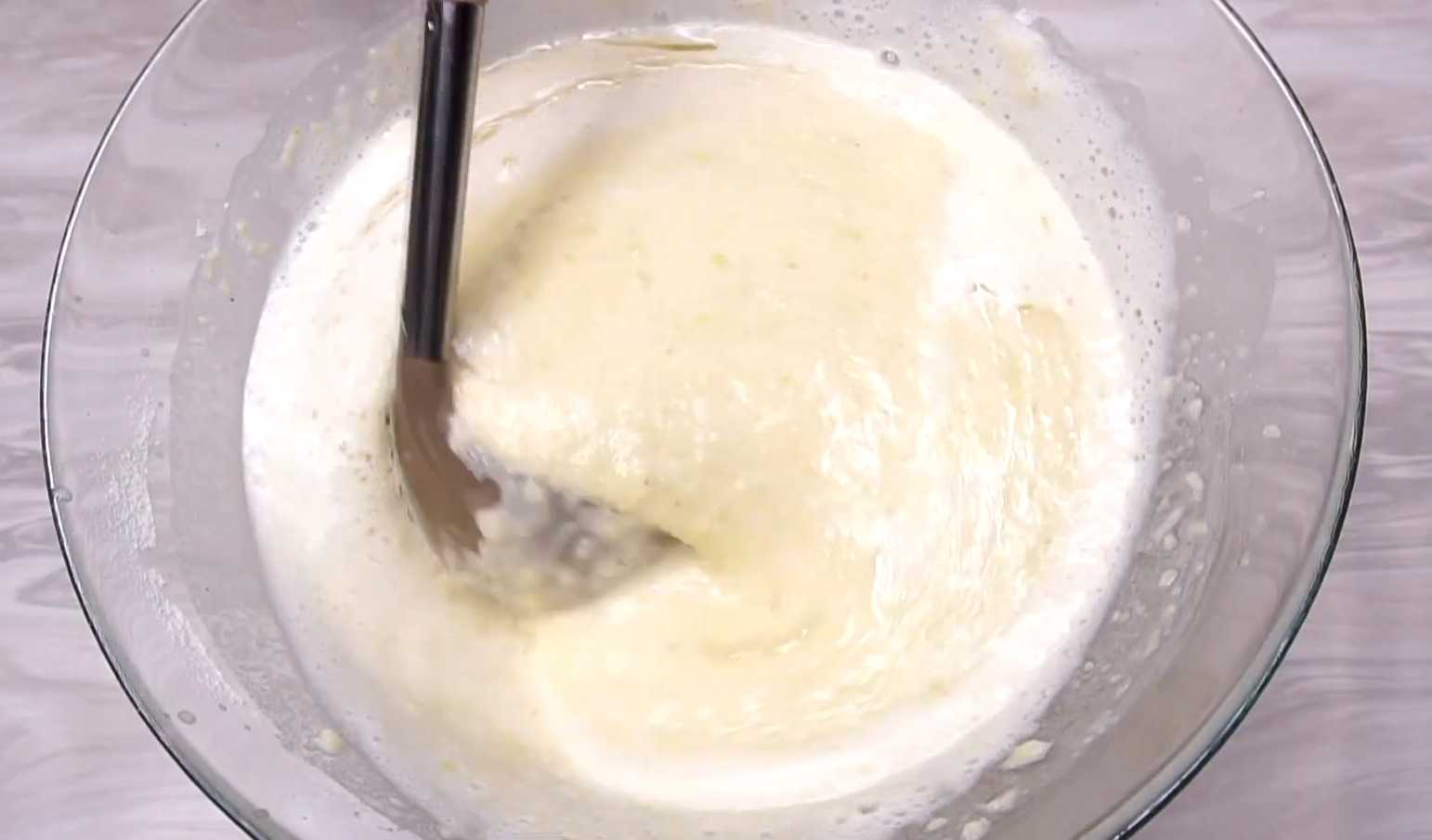 Let the dough sit for 10 minutes to allow it to fully swell.
Step 7:
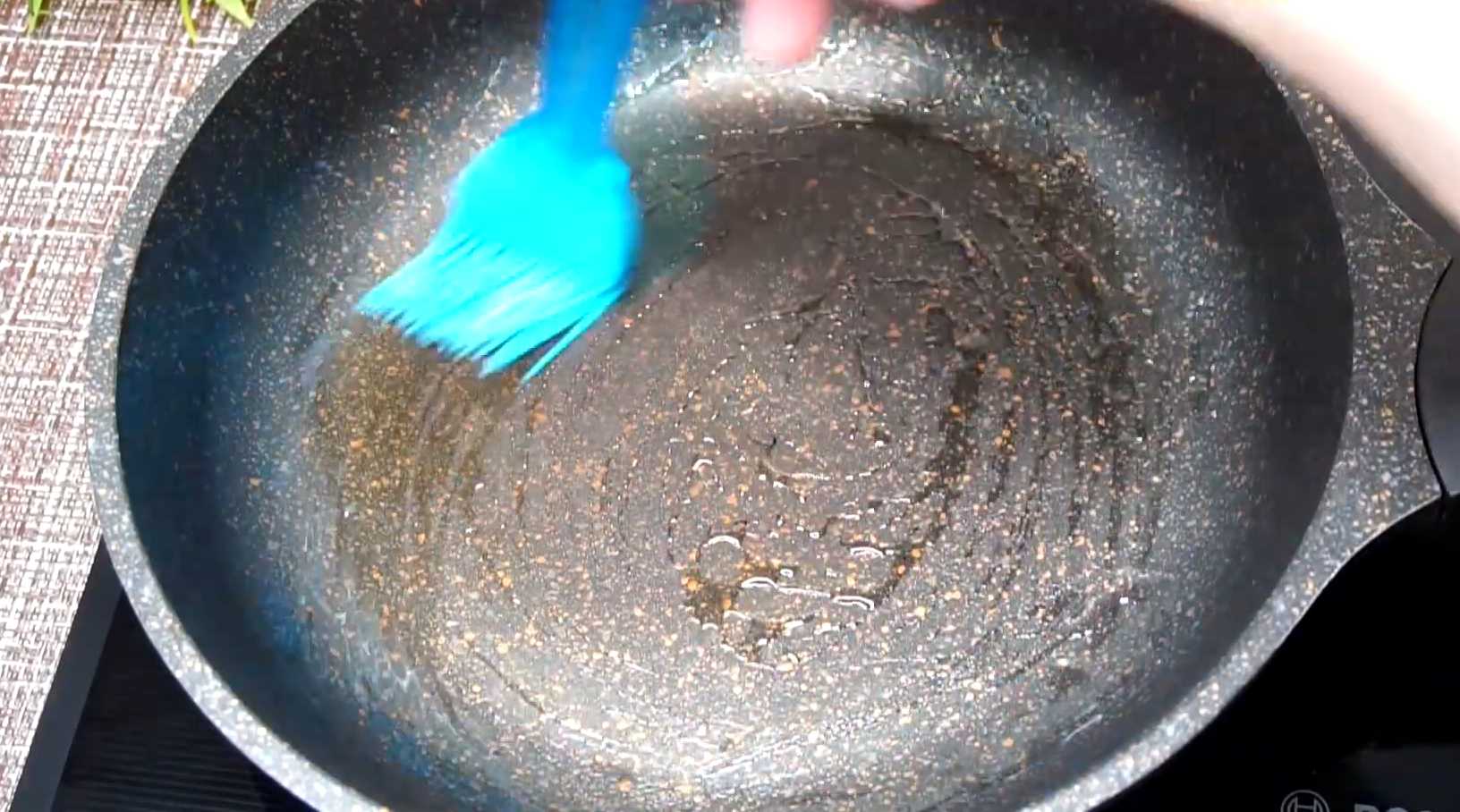 Heat a frying pan over medium heat and brush it with a little oil.
Step 8:
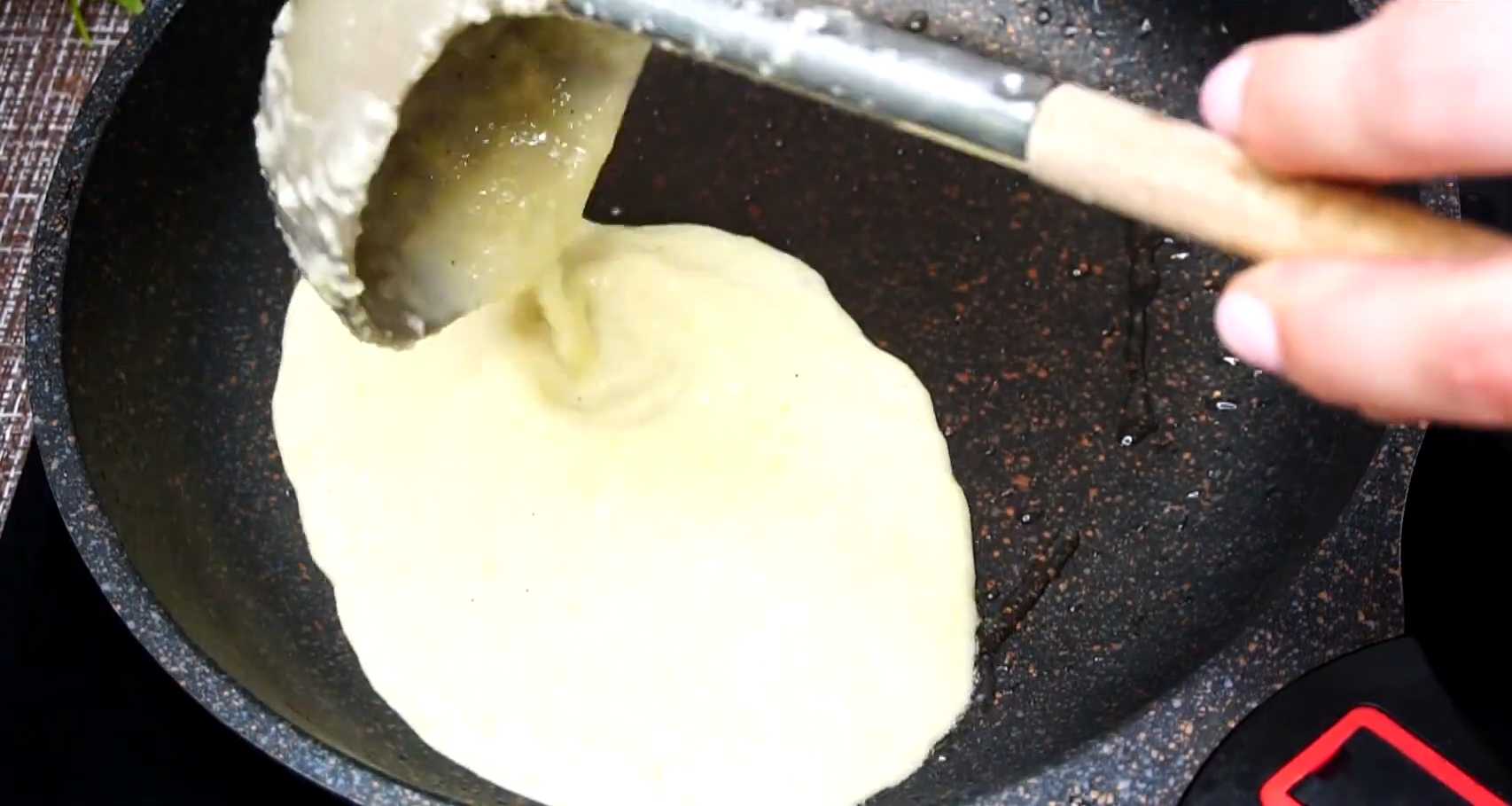 Pour a portion of the batter into the pan and distribute it evenly, tilting the pan slightly.
Step 9:
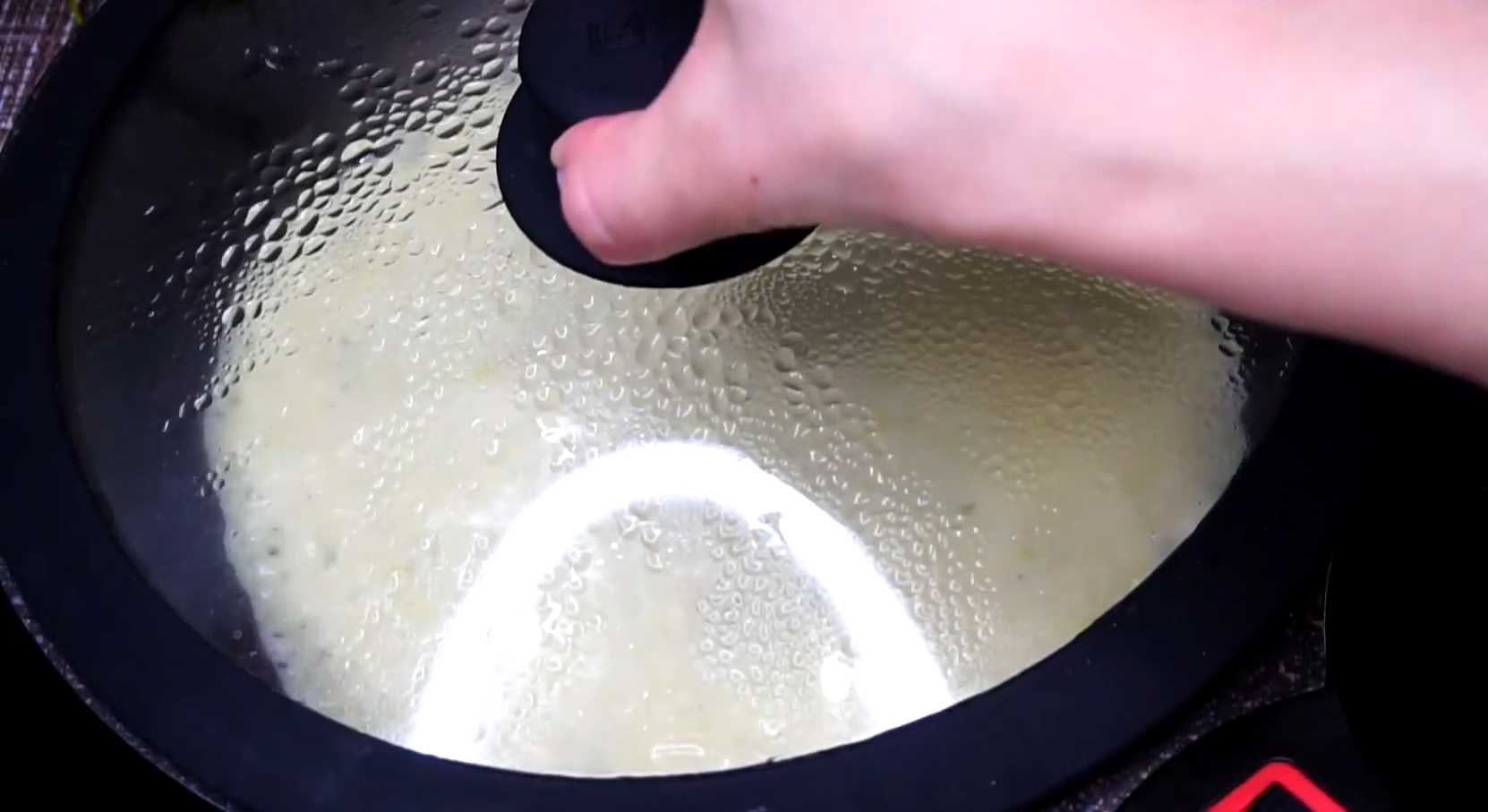 Fry the pancake until the surface is golden brown.
Step 10:
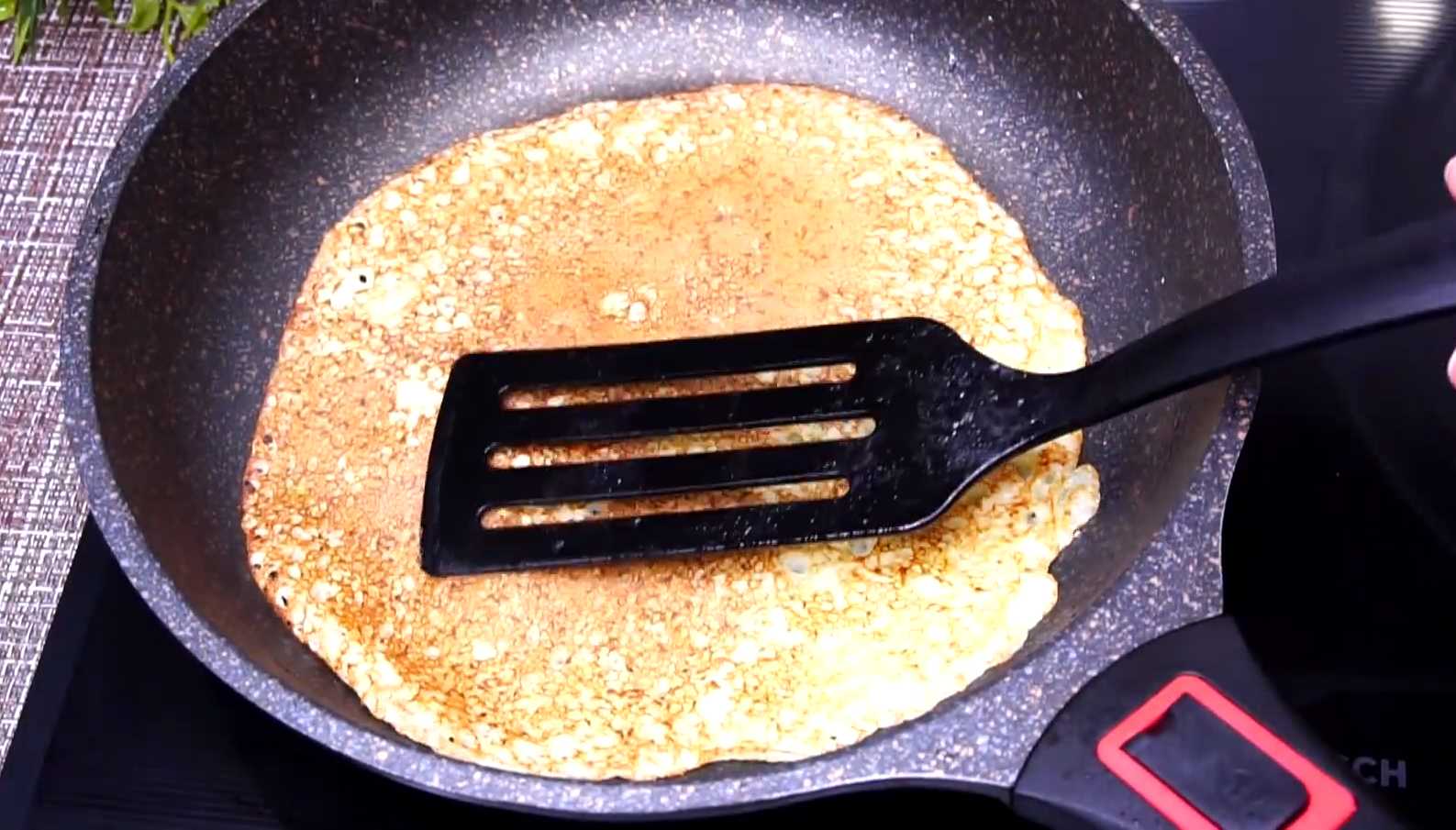 Carefully flip the pancake with a spatula and fry the other side until golden brown.
Step 11:
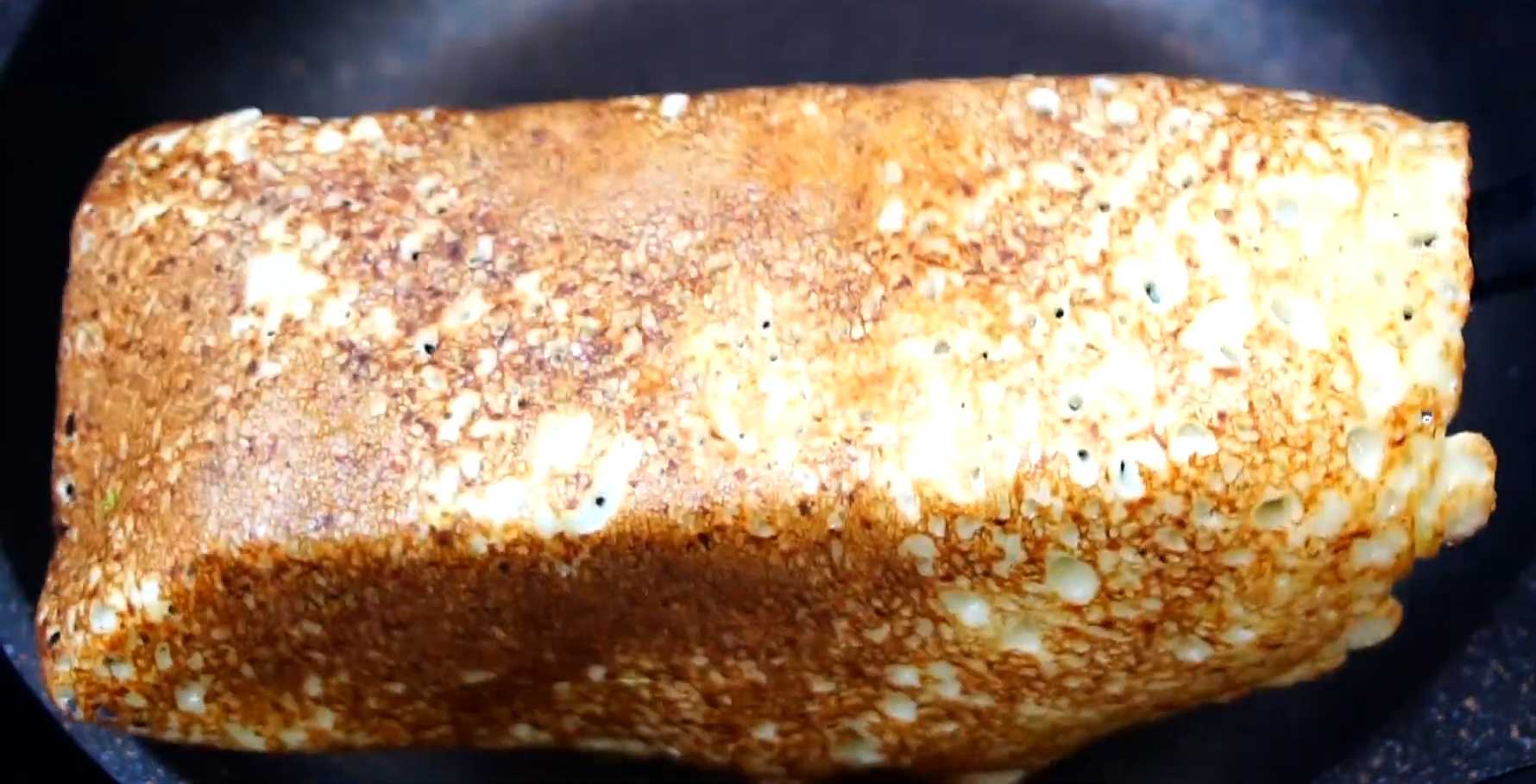 Place the finished pancake on a plate, covering it with a towel to keep it soft.
Step 12:
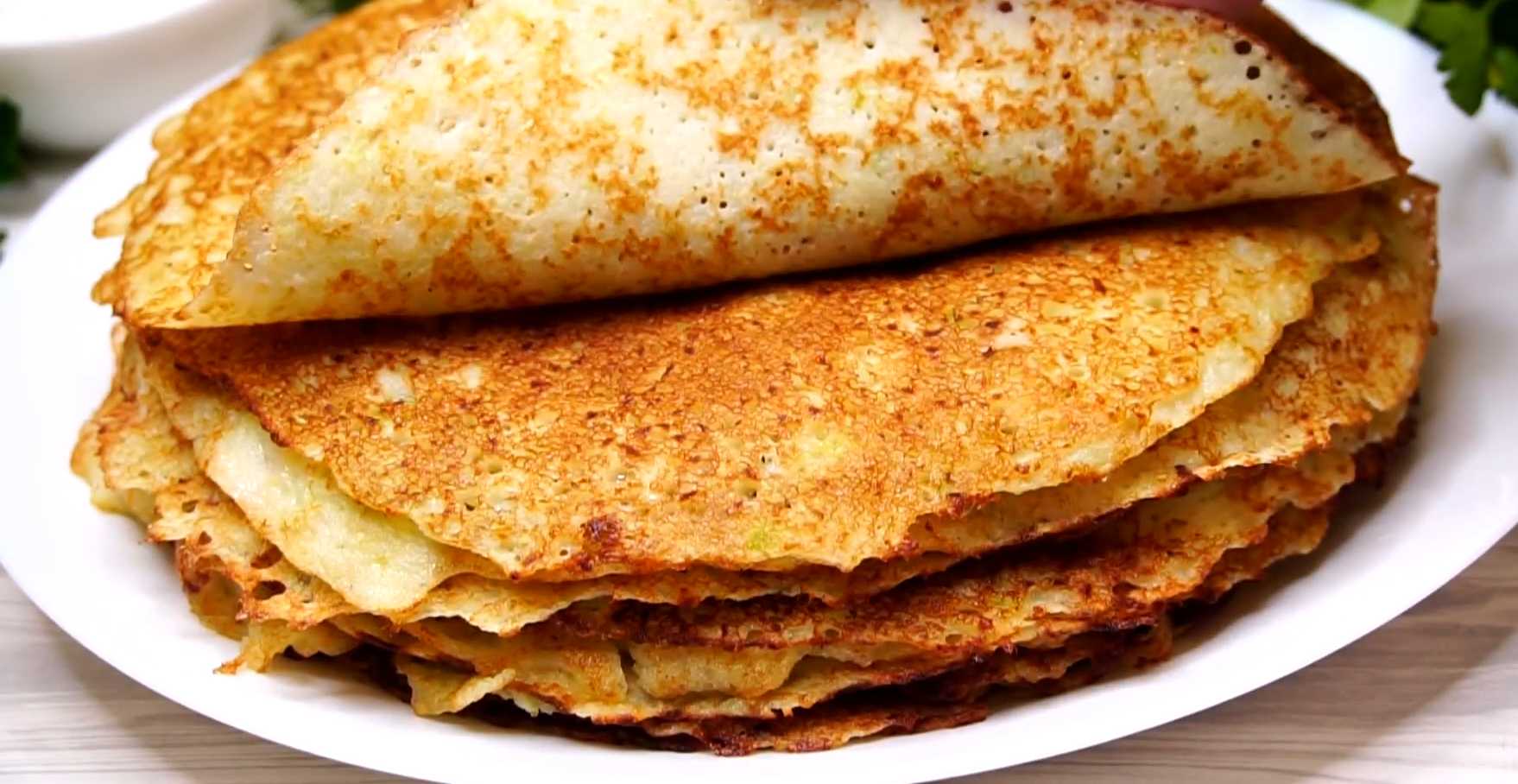 Repeat steps 7-11 until all the dough is used up.
Step 13:
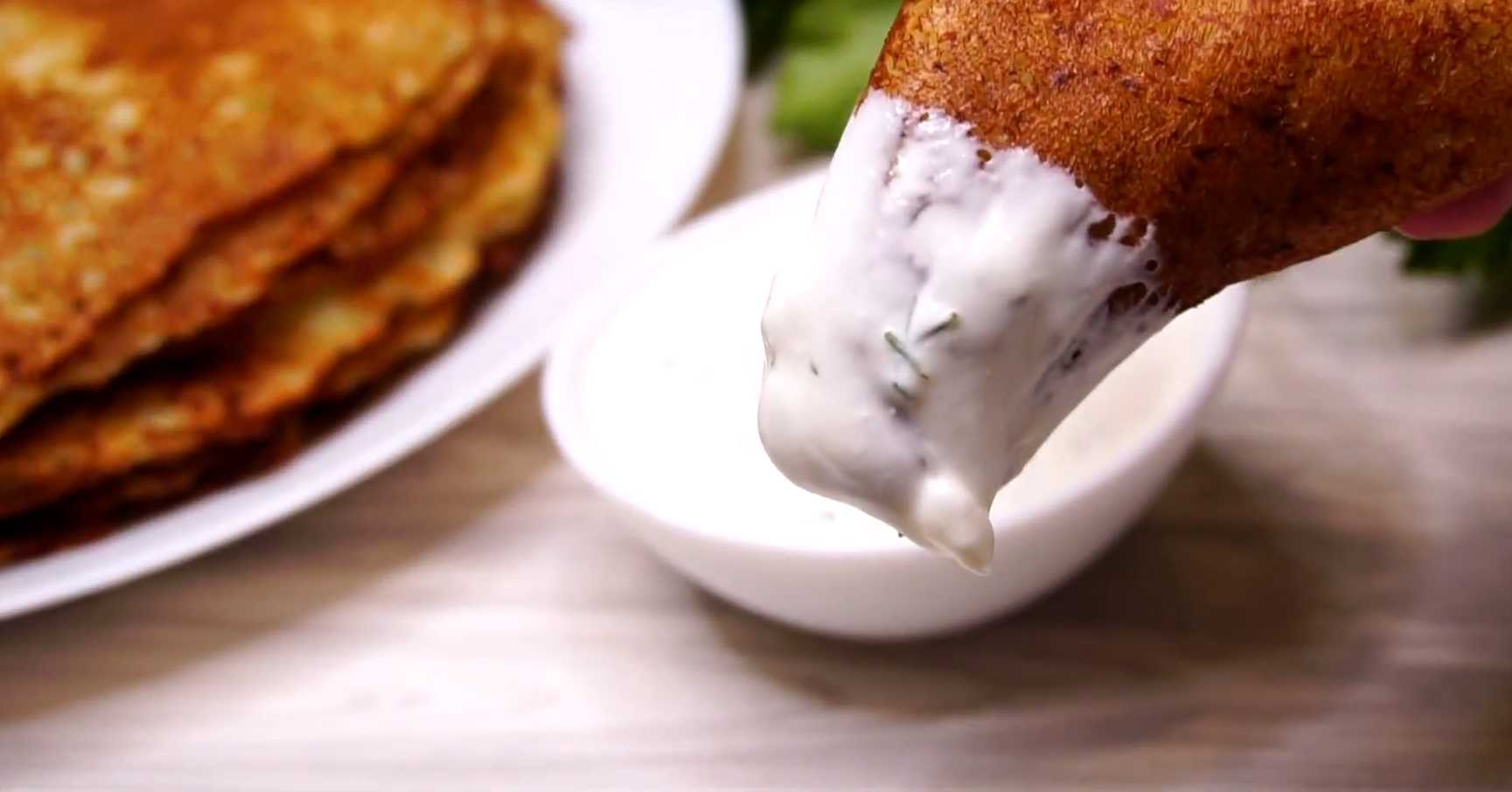 Serve the pancakes warm with sour cream or any other sauce of your choice.
Cooking tips:
For maximum tenderness, use fresh cabbage—it responds better to whipping and produces the desired consistency.
Don't overdo it with salt - too much can spoil the taste and make the pancakes too dense.
Let the dough rest for 10–15 minutes before baking – this will improve its structure.
Use a non-stick frying pan to prevent the pancakes from sticking and to make them easy to flip.
Do not increase the amount of batter in the pan - too thick a layer may not cook through inside.
Store the finished pancakes in a sealed container – they will remain soft even the next day.