Kulich - the simplest recipe
Origin of the recipe
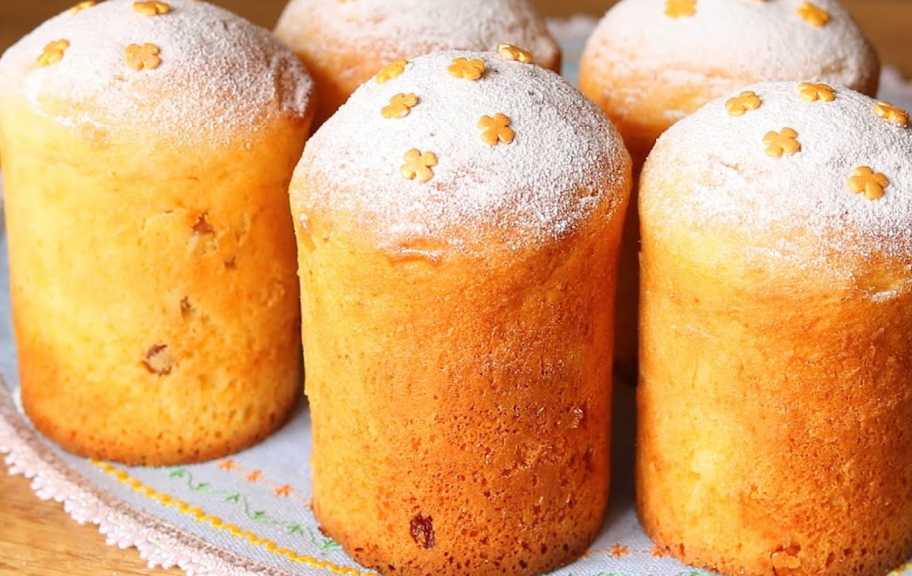
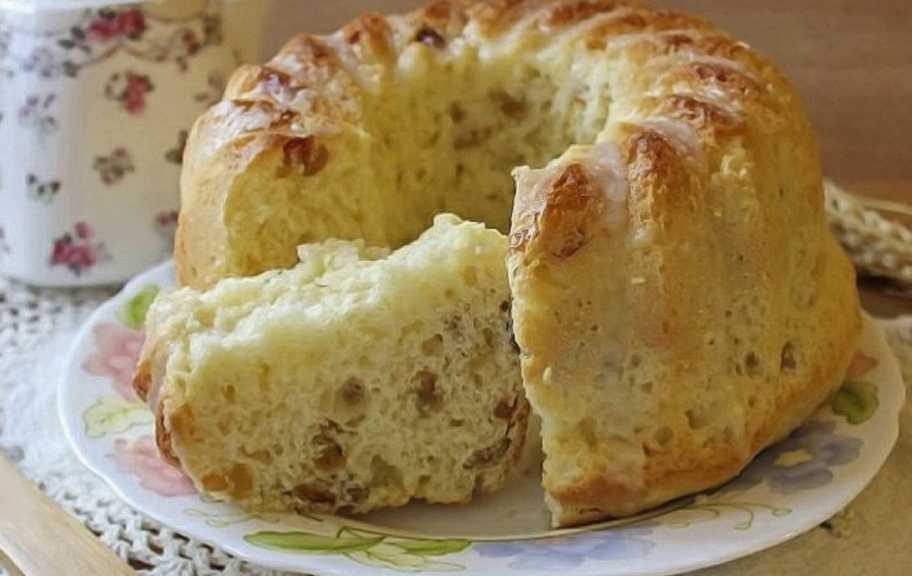
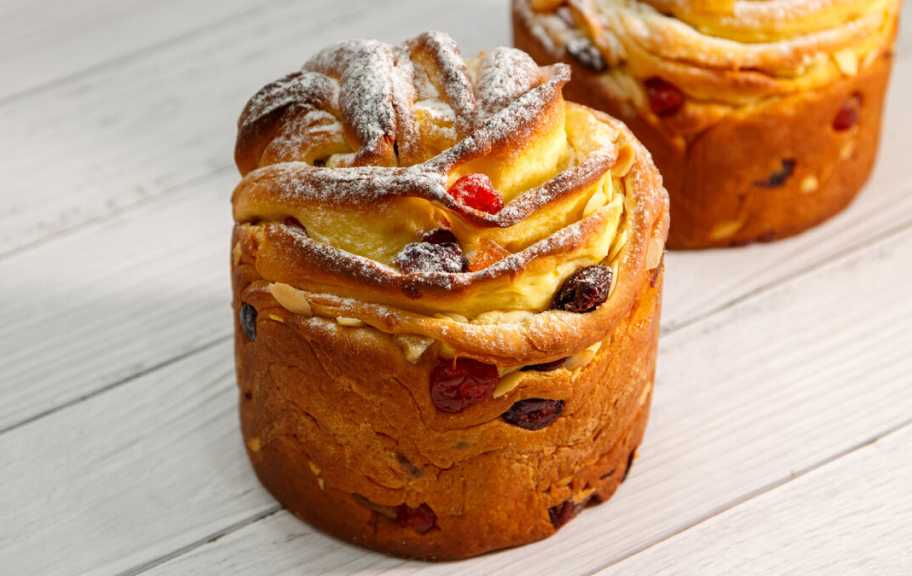
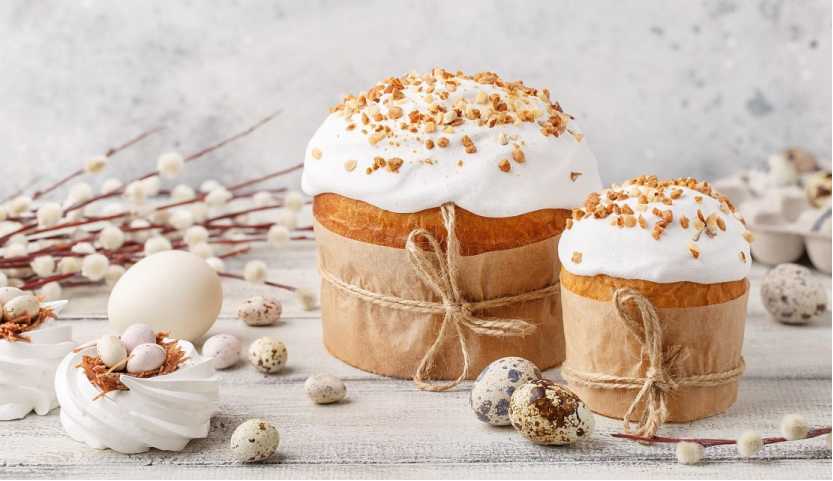
Baking Easter kulich is a long-standing folk tradition, celebrated even by those who aren't particularly religious. In the old days, village kulich looked and were baked differently; they weren't as airy and resembled a round loaf of bread. Only later did they become something of a cross between the church "artos" and the "baba" (a smaller version of which is familiar to everyone). Formed kulich with icing only appeared in urban kitchens in the mid-19th century.
What do you need for cooking?
Ingredients
-
Salt
-
Milk
-
Butter
-
Flour
-
Live yeast
-
Sugar
-
Egg
-
Vanilla sugar
-
Raisin
-
Candied fruit
-
Orange zest
-
Egg white
-
Powdered sugar
-
Lemon juice
Kitchen utensils
- Bowl
- Whisk
- Lid
- Mixer
- Easter cake molds
- Towel
Step-by-step recipe
Step 1:
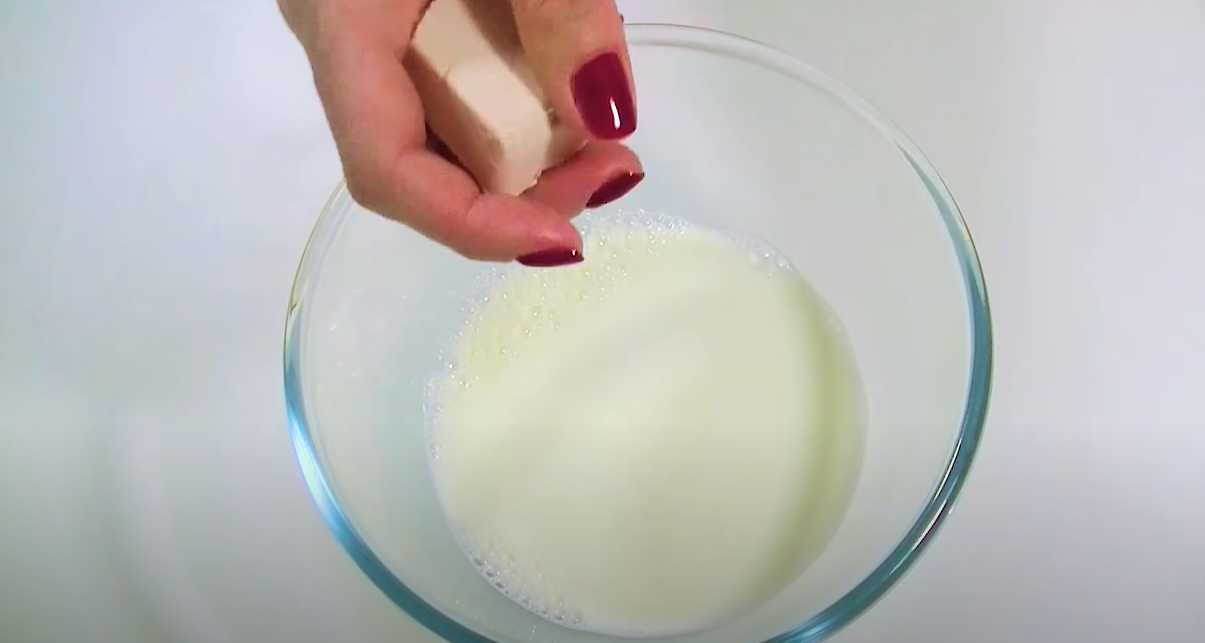 Let's make the dough. Heat the milk and pour it into a bowl.
Step 2:
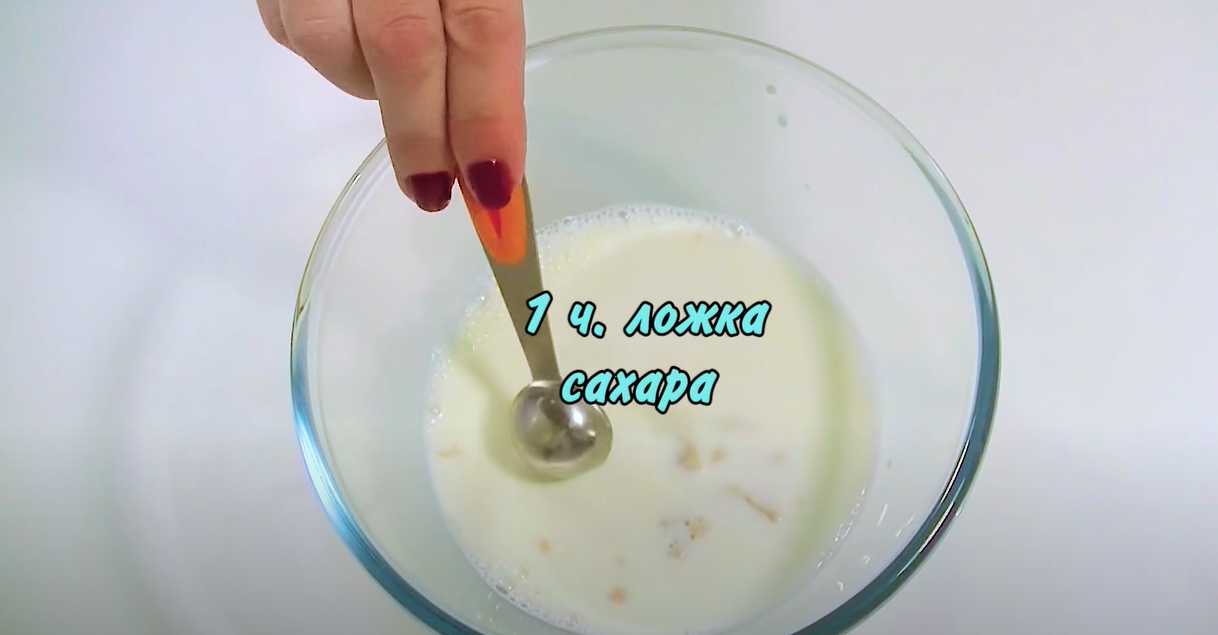 Add live yeast and sugar to the milk. Stir.
Step 3:
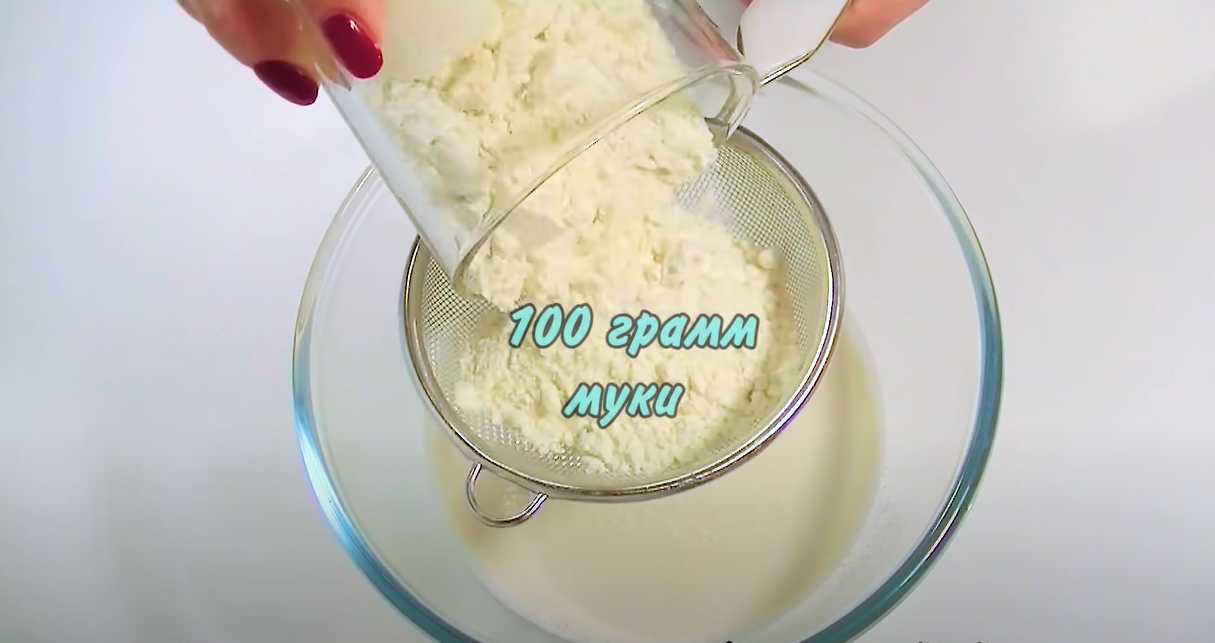 Sift flour into milk and stir until lumps disappear.
Step 4:
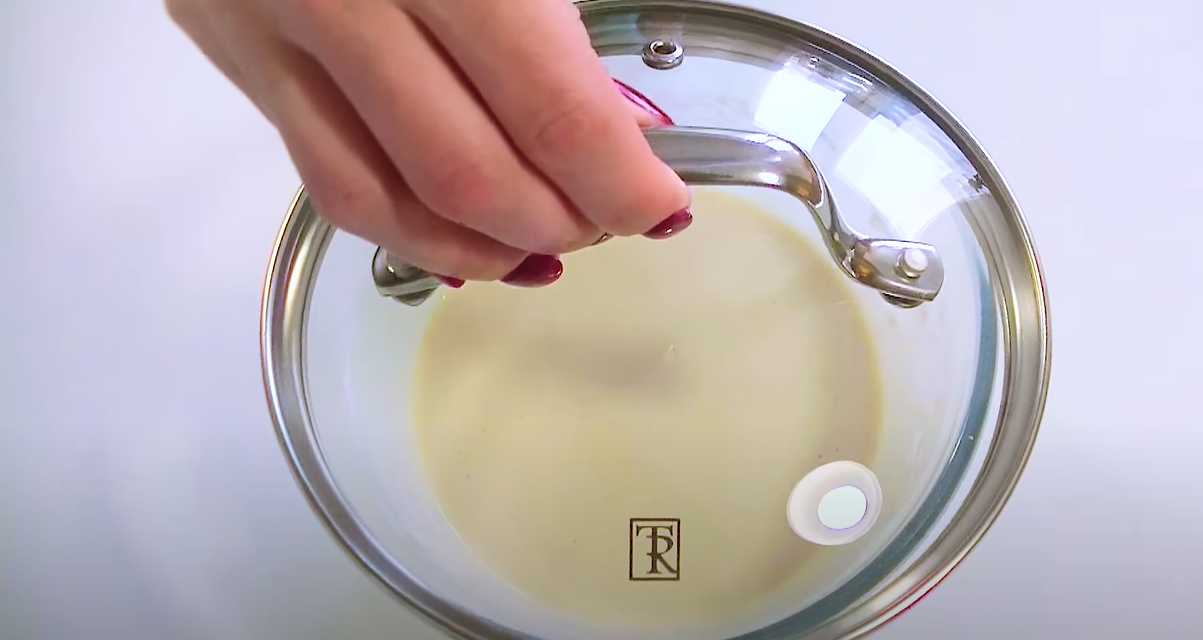 Cover the bowl with the dough and leave for 20 minutes.
Step 5:
 Let's move on to preparing the dough. Place 2 eggs and 1 yolk in a clean bowl.
Step 6:
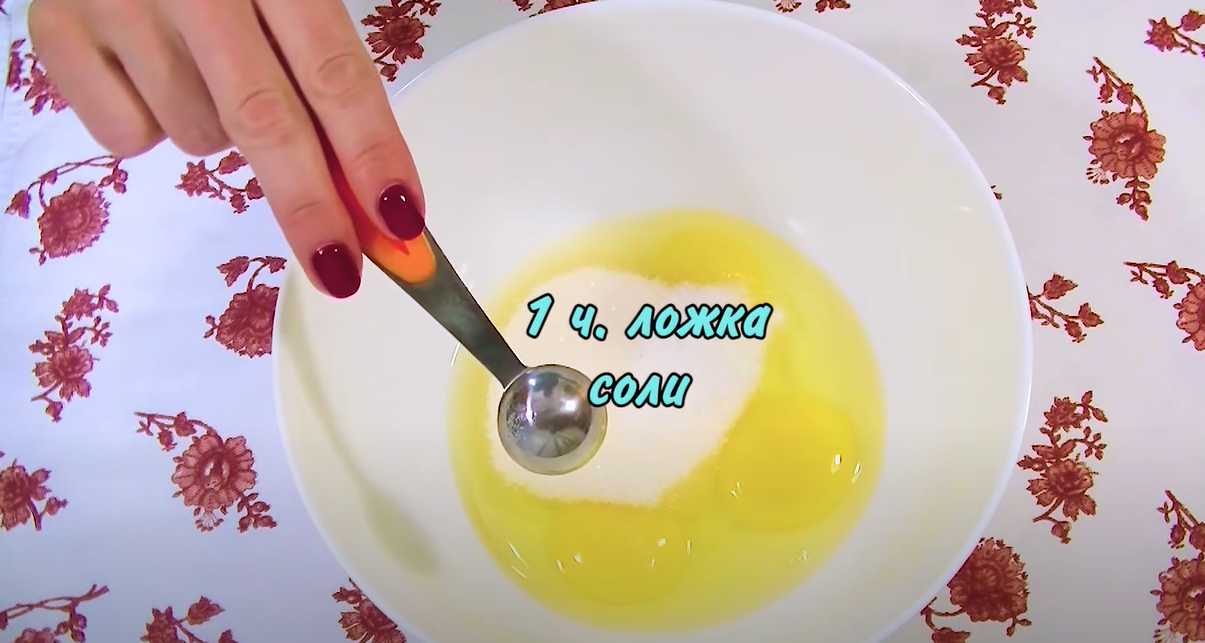 Add sugar, salt, vanilla sugar to the eggs and beat with a mixer.
Step 7:
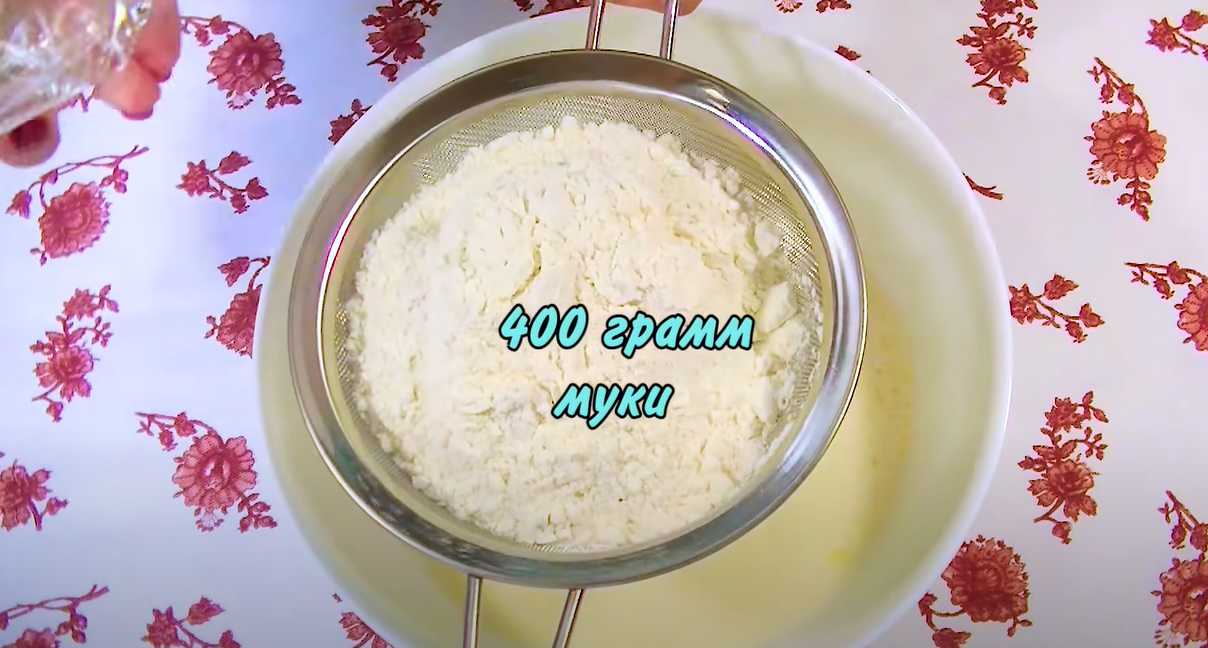 Add softened butter and sift in flour.
Step 8:
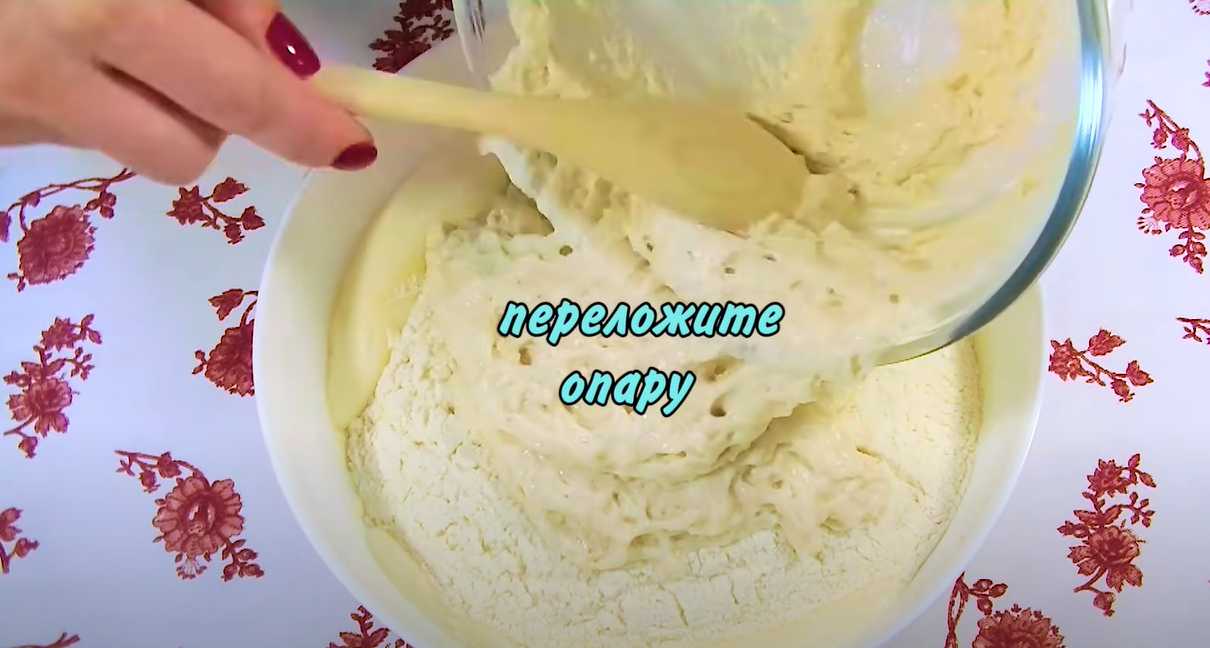 Transfer the starter to the dough. Knead the dough; it will be viscous and sticky.
Step 9:
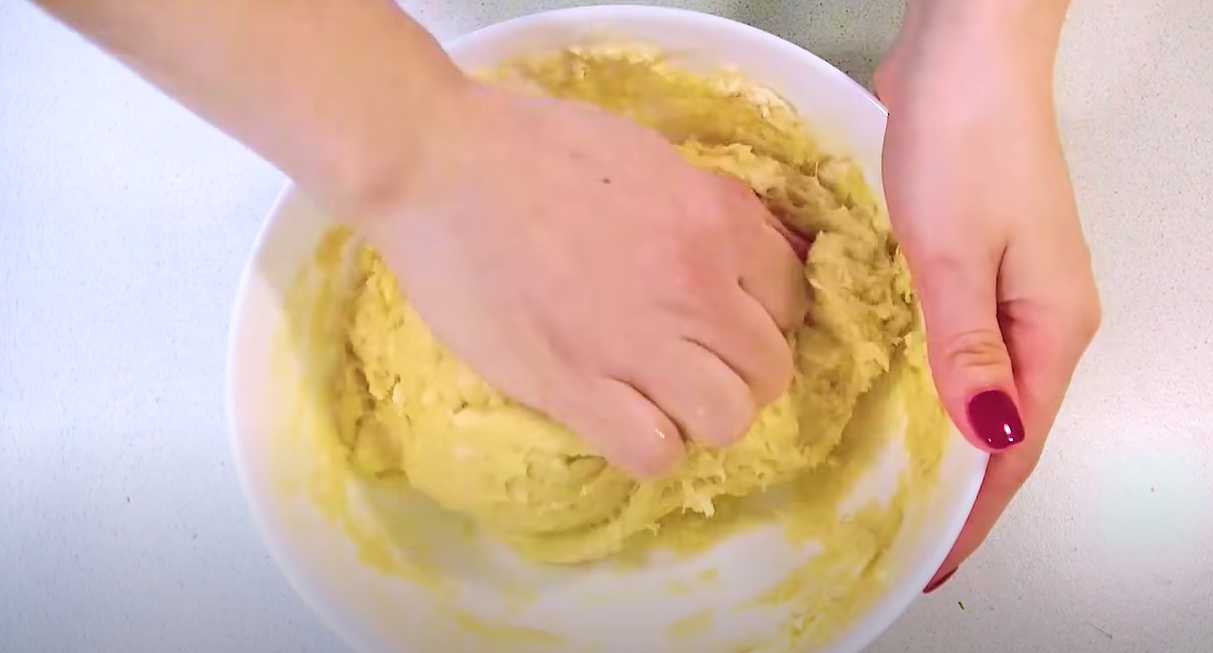 Grease your hands with oil and knead the dough with your hands until it stops sticking.
Step 10:
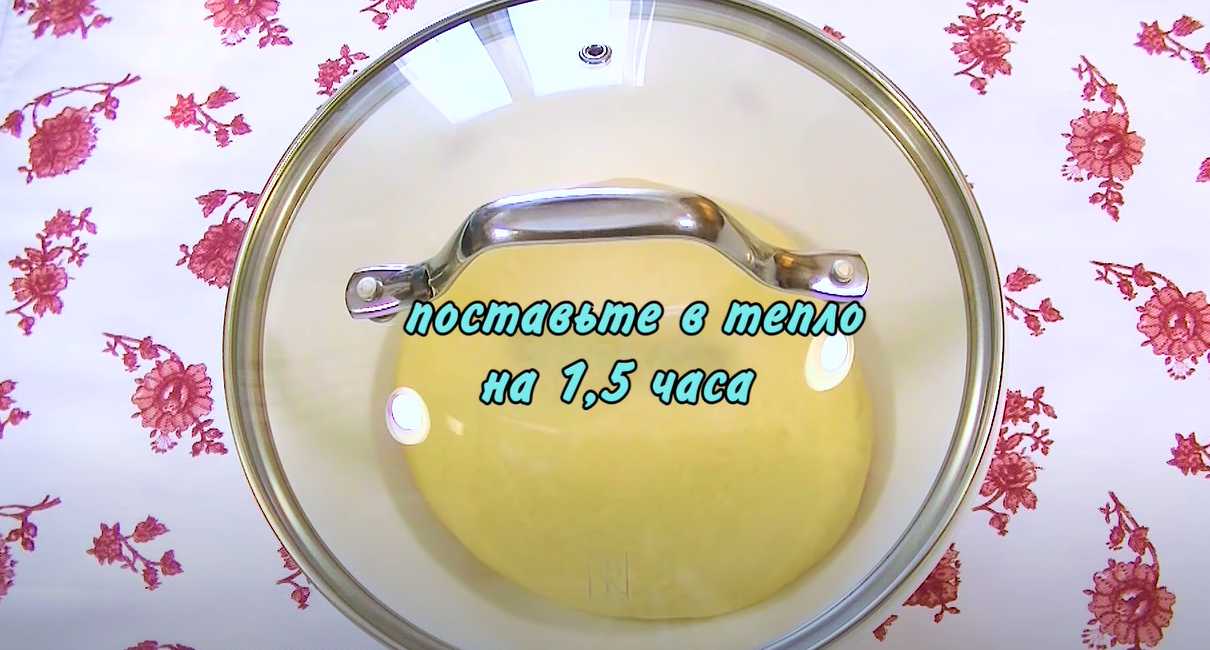 Leave the dough in a large bowl, cover and place in a warm place for 1.5 hours.
Step 11:
 Lightly knead the dough, add candied fruit or raisins.
Step 12:
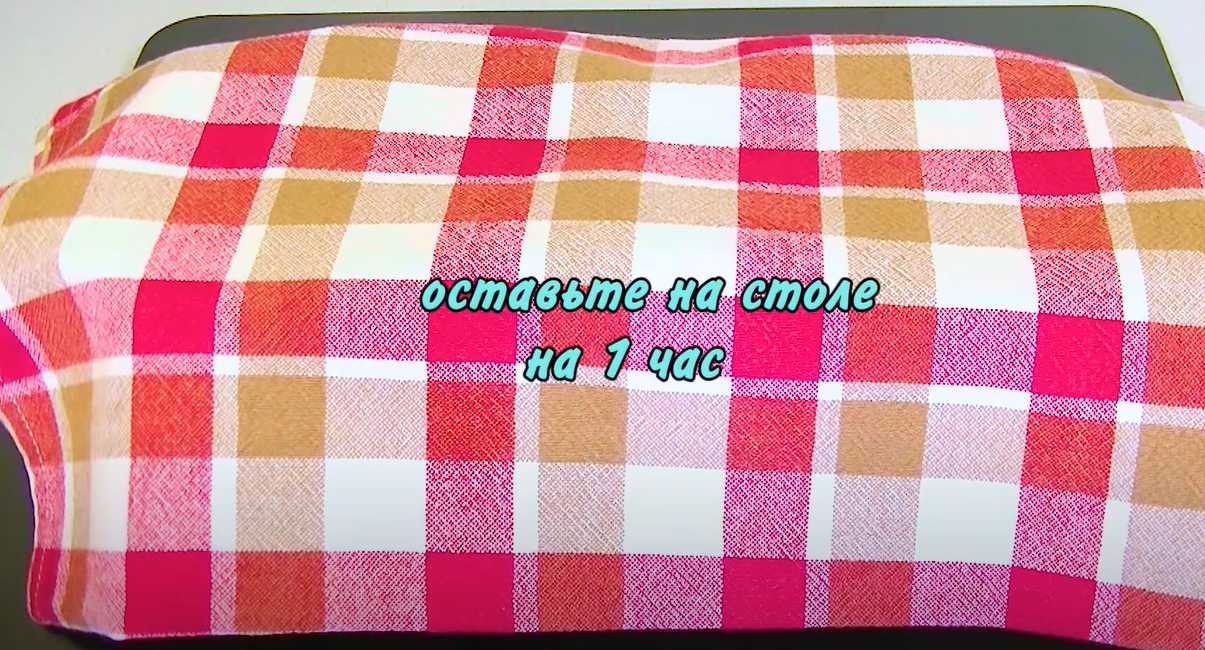 Fill the kulich molds 1/3 full, cover with a towel and leave for 1 hour.
Step 13:
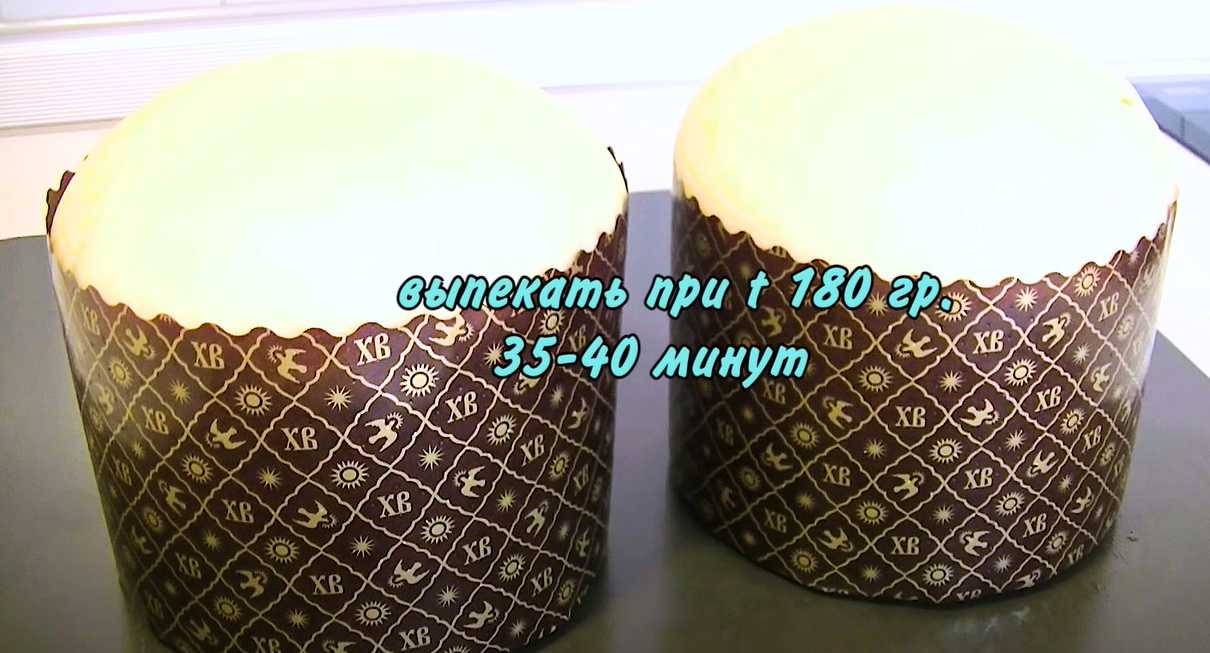 Bake in a preheated oven for 25-40 minutes at 180 degrees.
Step 14:
 For the glaze, place the chilled white of one egg in a bowl.
Step 15:
 While beating the egg whites with a mixer, gradually add powdered sugar.
Step 16:
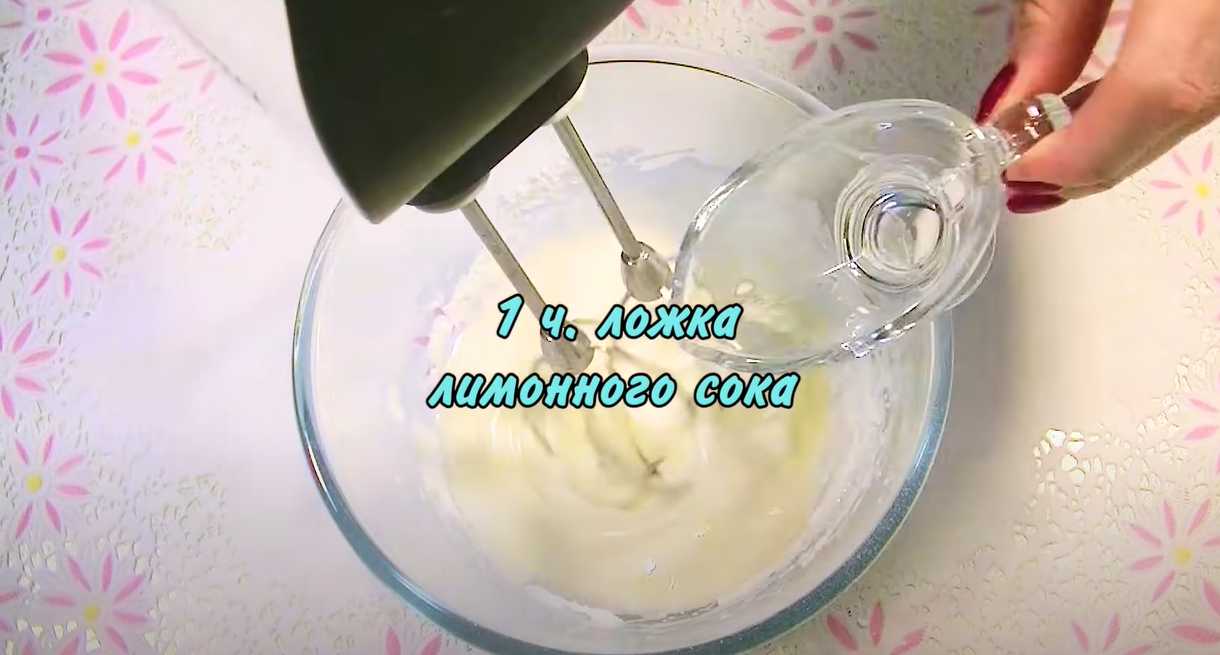 Add lemon juice and beat until thick.
Step 17:
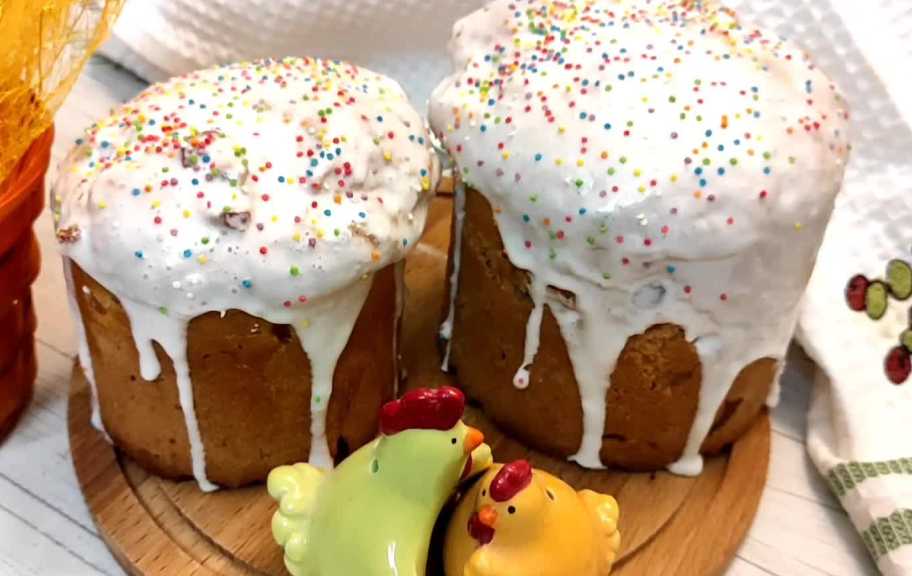
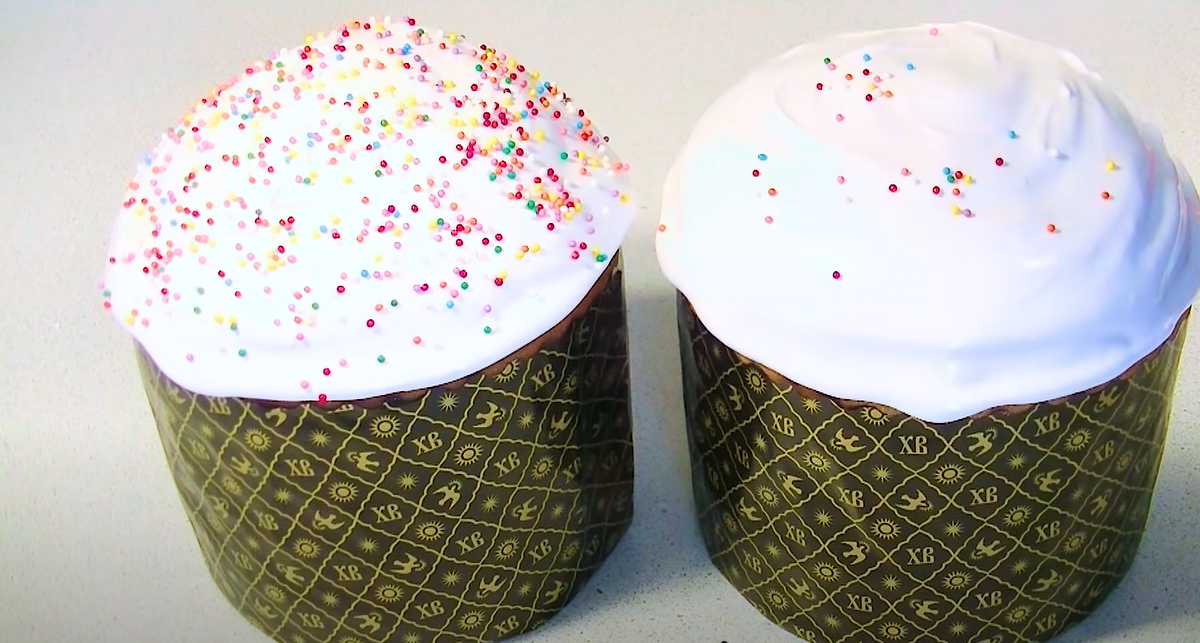 Frost the cakes and decorate them with sprinkles.
Cooking tips
The yeast should be fresh, light in color, with a pleasant yeasty smell.
The butter should be fresh and of the highest quality. Before adding it to the dough, it should be melted, allowed to rest, and then poured into the dough while still warm.
If the dough is baked in a mold, then it is filled 1/4 or 1/3 of the mold, and placed in the oven when 3/4 of the mold is filled.