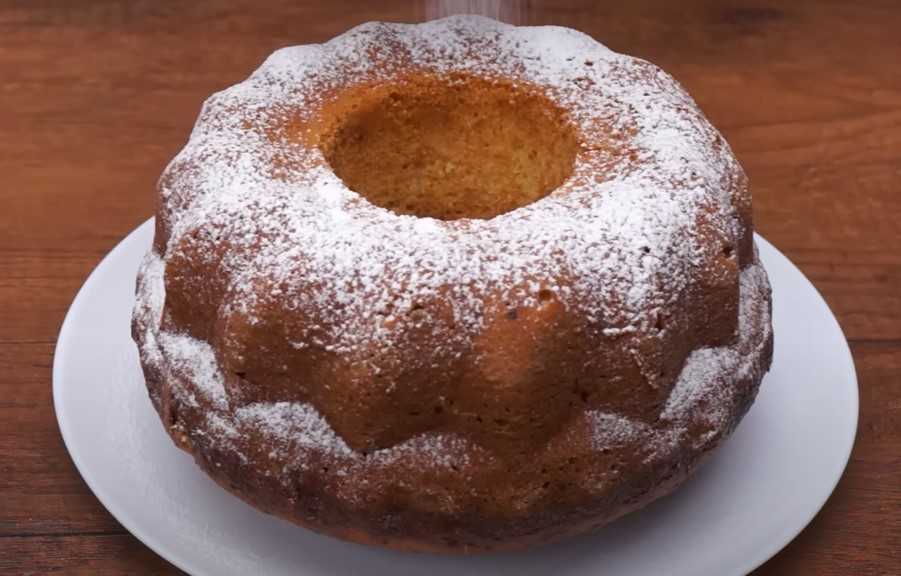
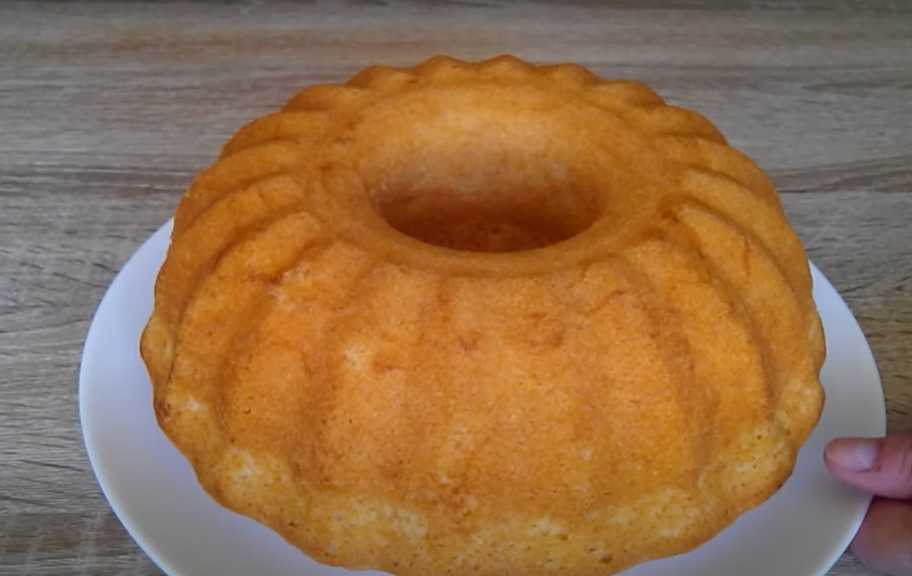
Sponge cake in a water bath
Origin of the recipe
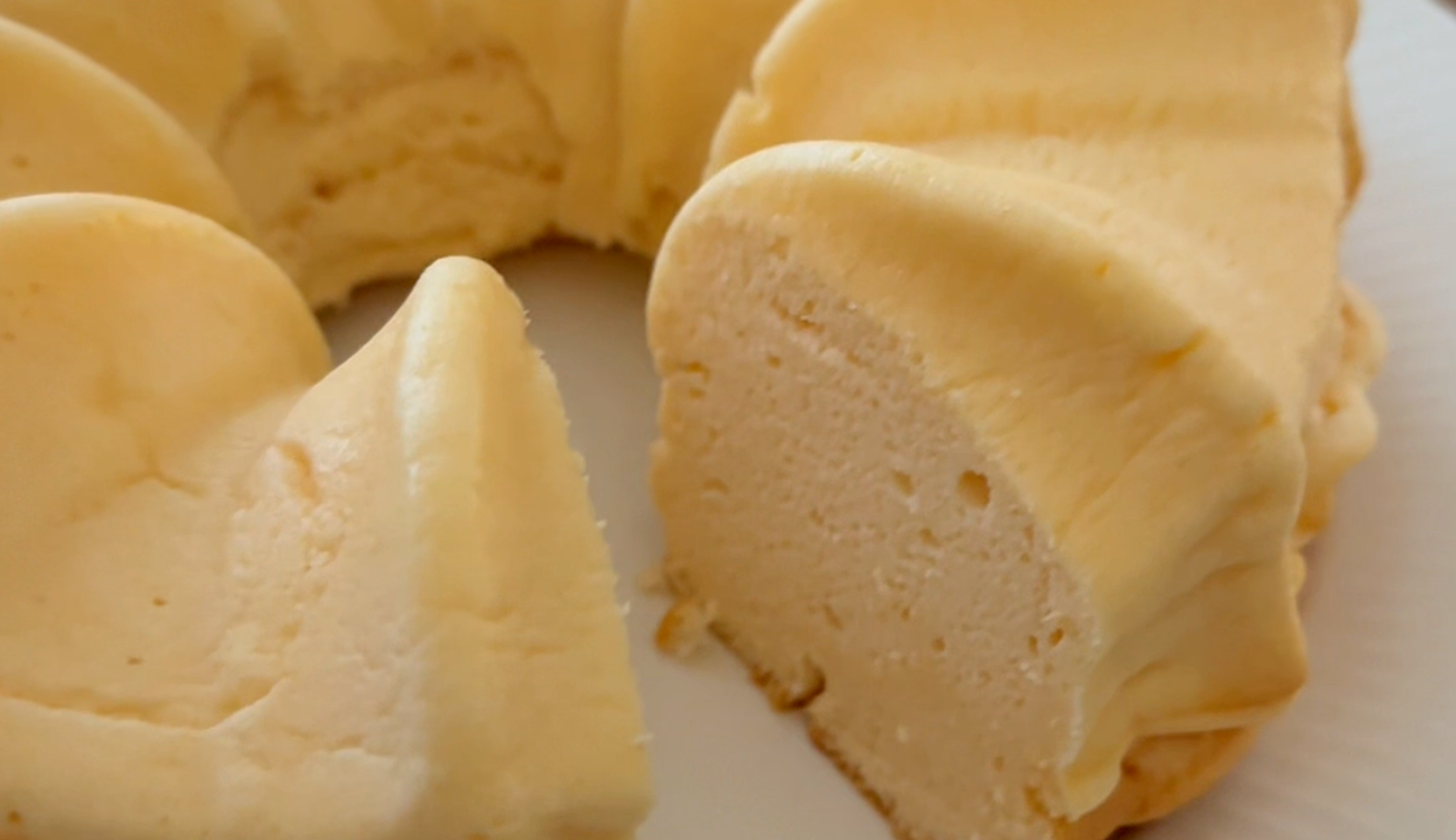
Baking in a water bath ("bain marie") came to European cuisine from ancient times and was widely used in confectionery for delicate desserts, from choux puddings to soufflés. This method began to be used in Russian cuisine in the 19th century, especially in noble houses, where they prized airy, moist sponge cakes without a burnt crust. Sponge cake baked in a water bath is a modern interpretation of this tradition: slow, even heating allows the dough to rise gently, maintaining a delicate texture and preventing overdrying. This cake often serves as the base for honey cakes, cheesecakes, or soaked cakes, but even on its own, it captivates with its velvety texture and lightness. This recipe is especially popular among those seeking an alternative to dry store-bought cakes and wanting to achieve professional results at home.
What do you need for cooking?
Ingredients
-
Eggs
-
Sour cream (20% fat, 15% is possible)
-
Flour
-
Sugar
-
Vanilla sugar
-
Baking powder
Kitchen utensils
- Bowls
- Baking tray
- Mixer
- shoulder blade
- Kitchen scales
- Flour sieve
- Bundt pan or round pan (20–22 cm diameter)
Step-by-step recipe:
Step 1:
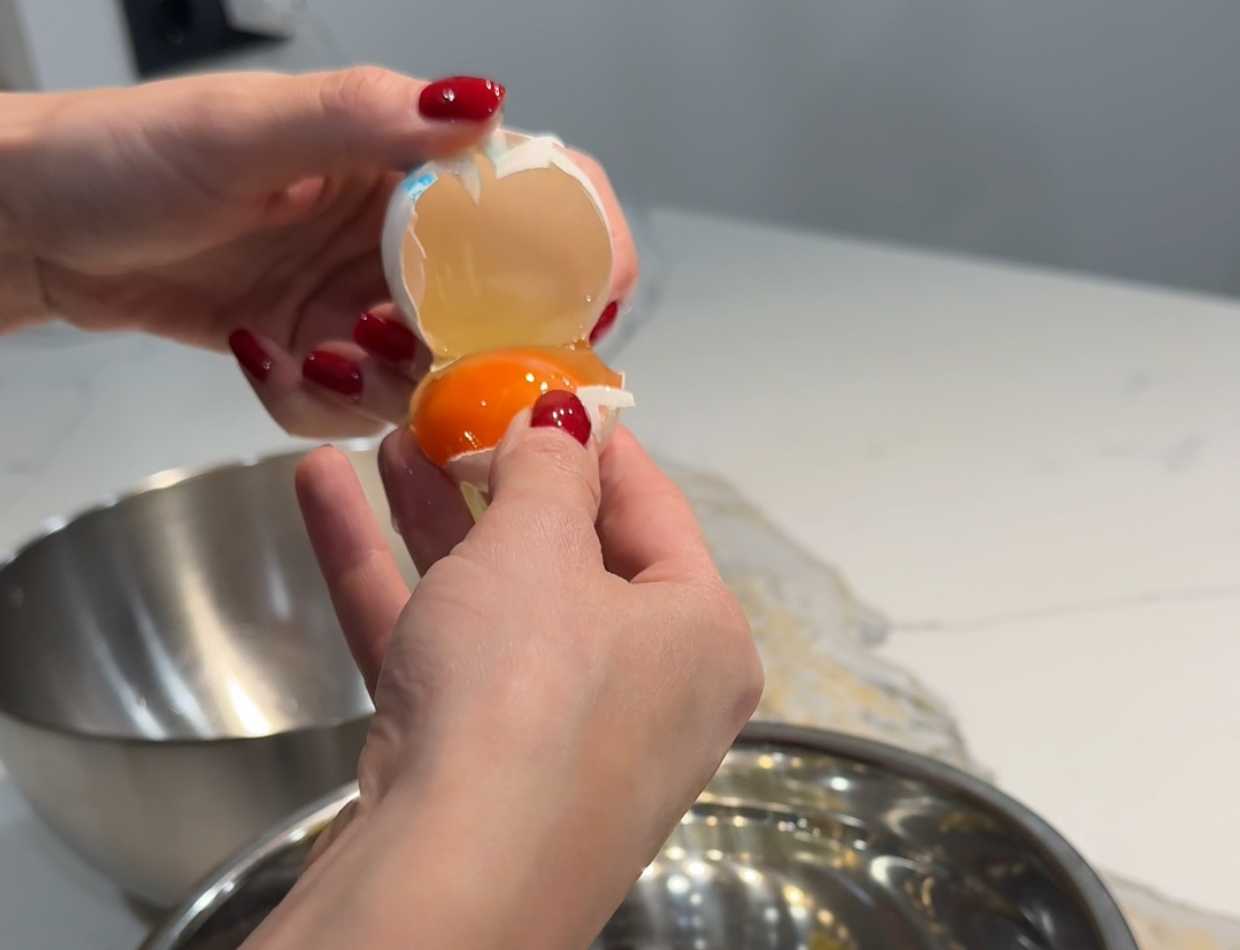 Carefully crack 4 eggs, separating the yolks from the whites. Place the yolks in one bowl and the whites in another.
Step 2:
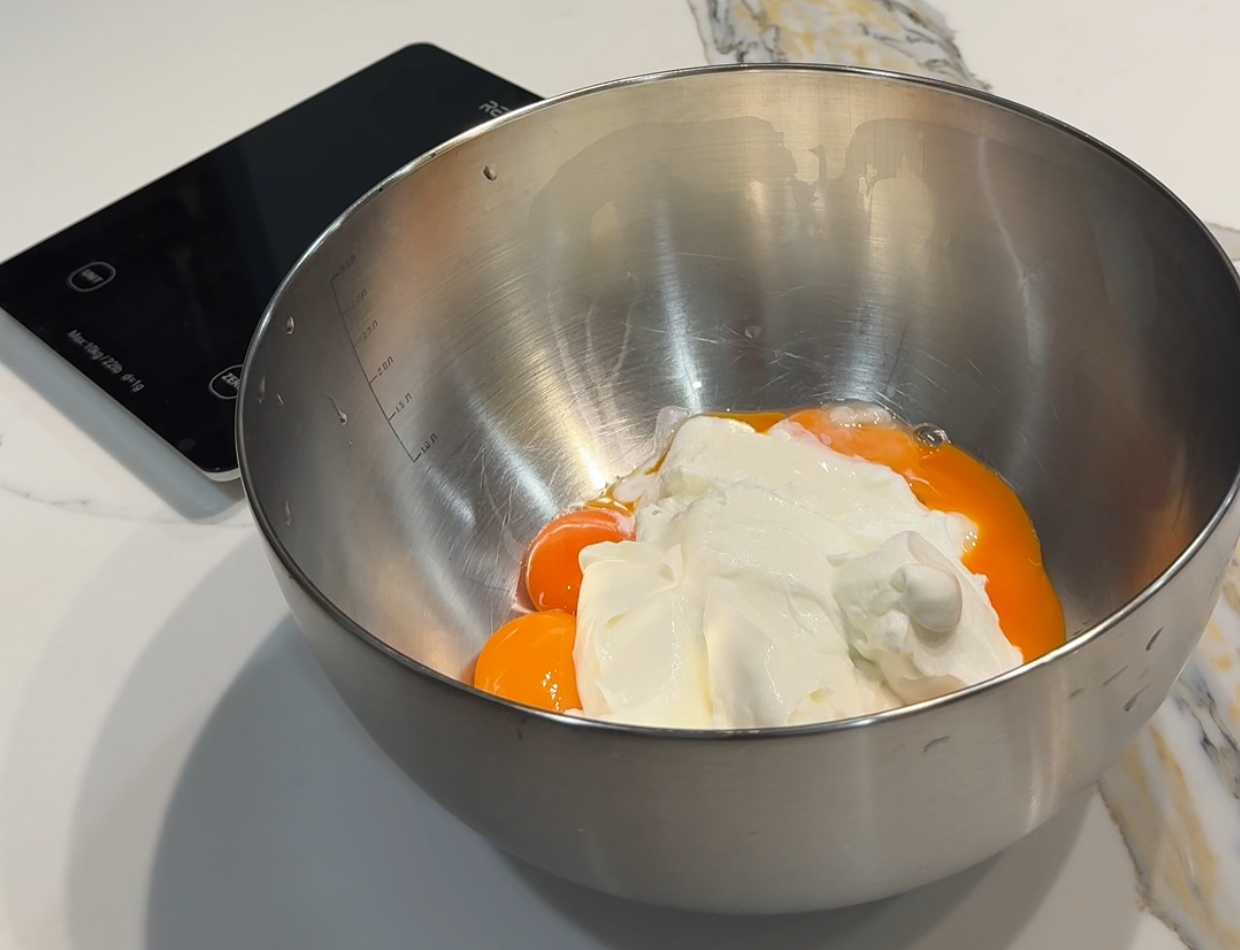 Add 100 g of sour cream to the bowl with the yolks. Beat with a whisk or mixer until smooth and light.
Step 3:
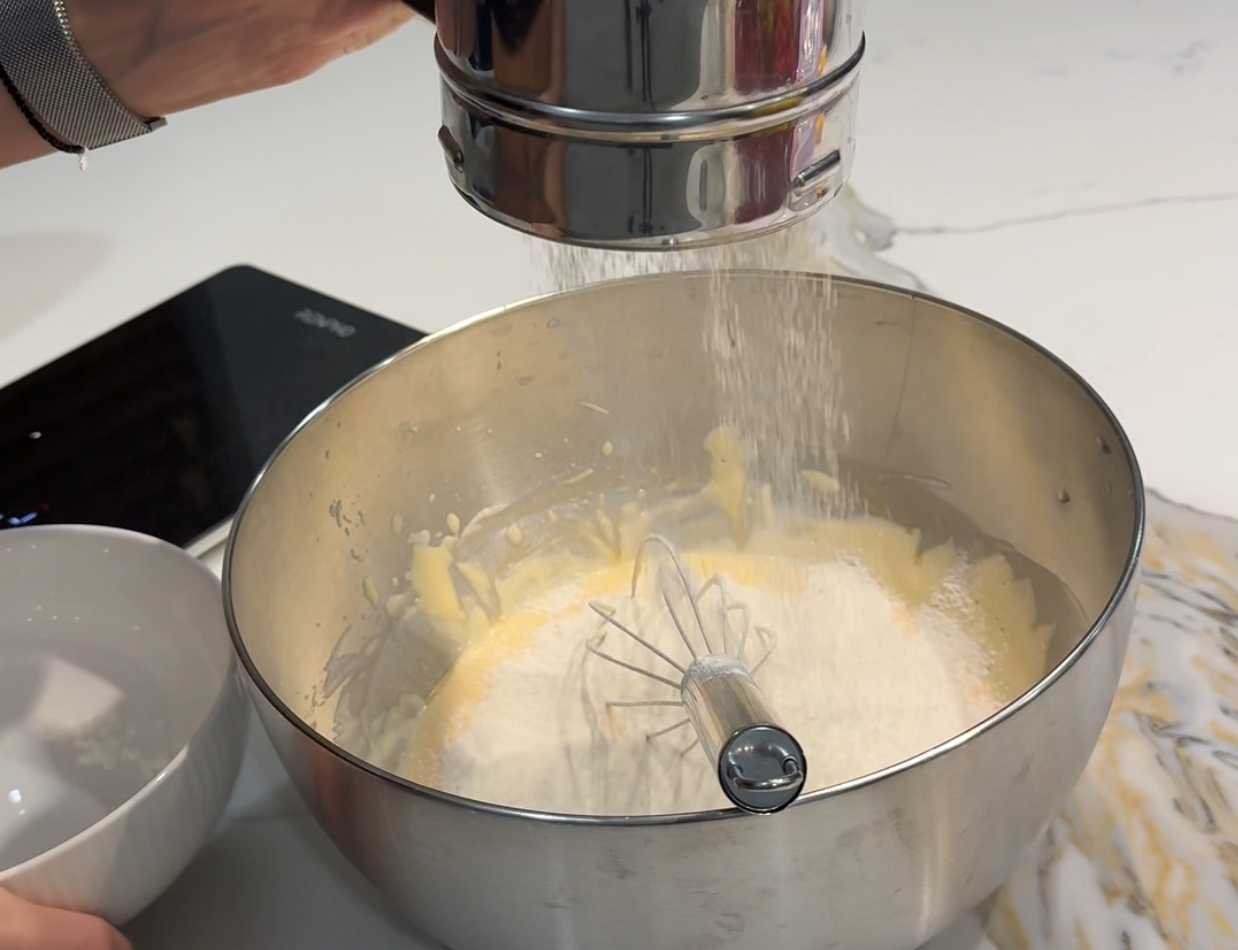 Measure out 80 g of flour and sift it through a sieve directly into the yolk mixture. Add ½ teaspoon of baking powder and 1 teaspoon of vanilla sugar. Gently fold in with a spatula.
Step 4:
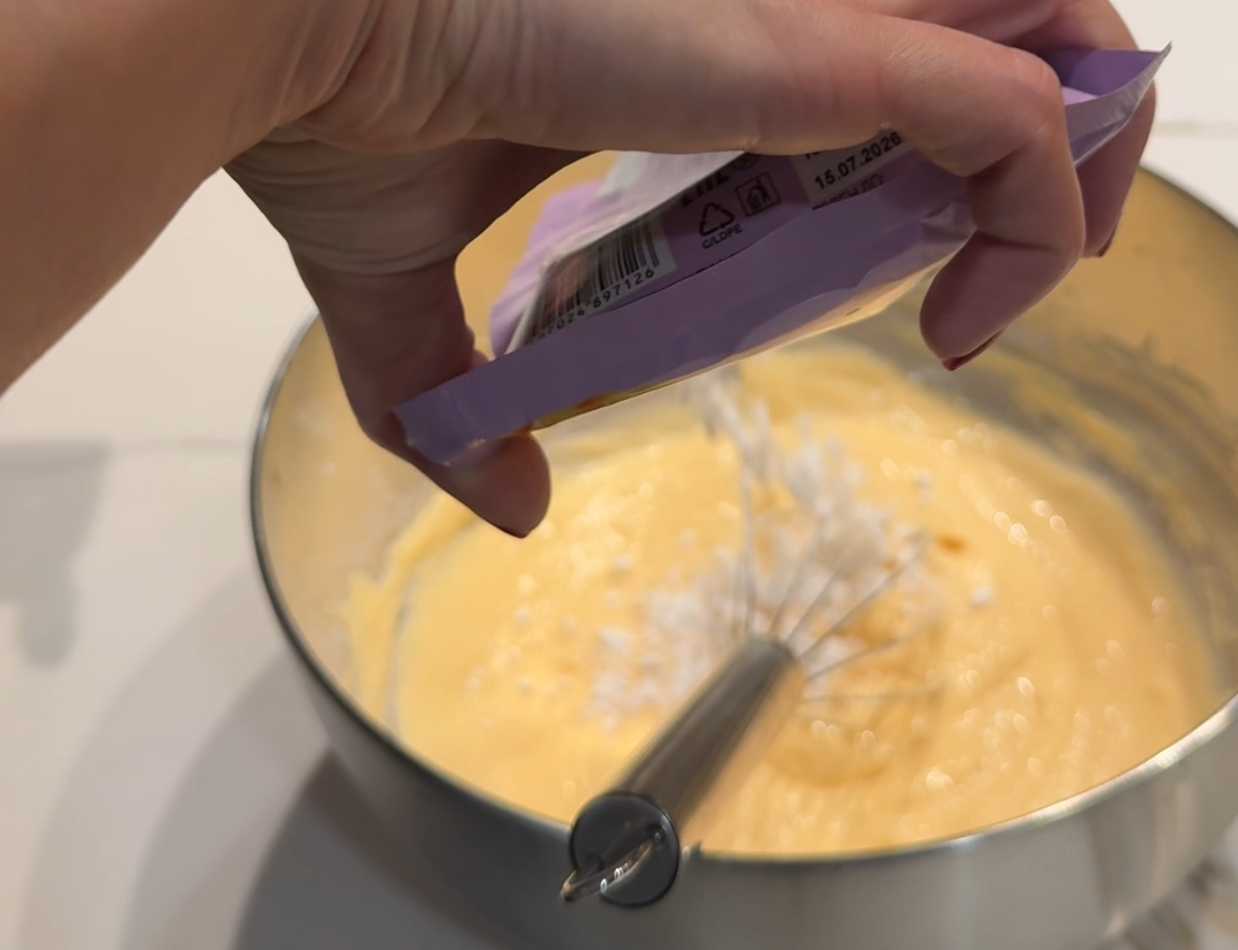 You can add powdered sugar if desired.
Step 5:
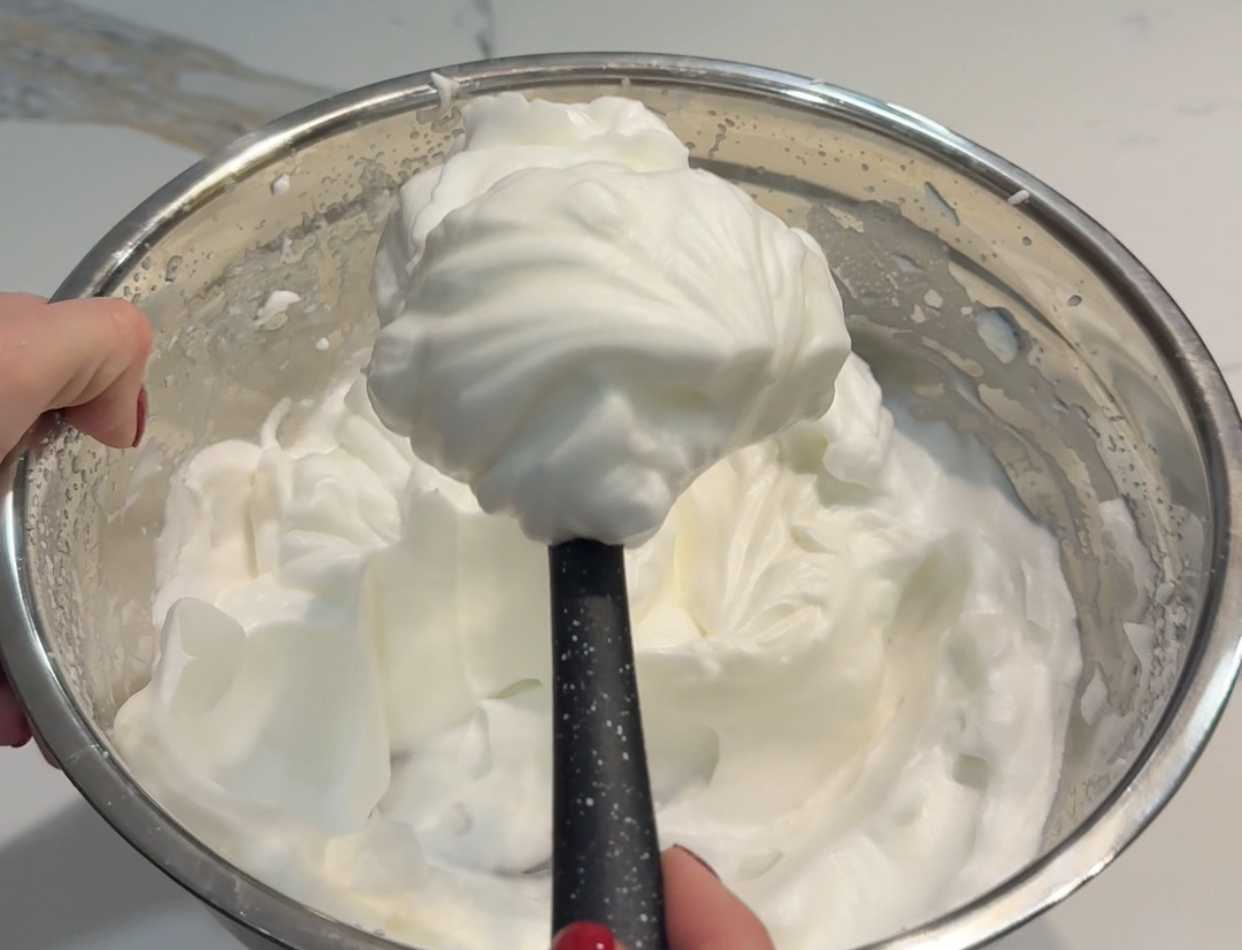 In a separate bowl, beat the egg whites with 30 g of sugar until stiff peaks form. The whites should be firm, shiny, and hold their shape.
Step 6:
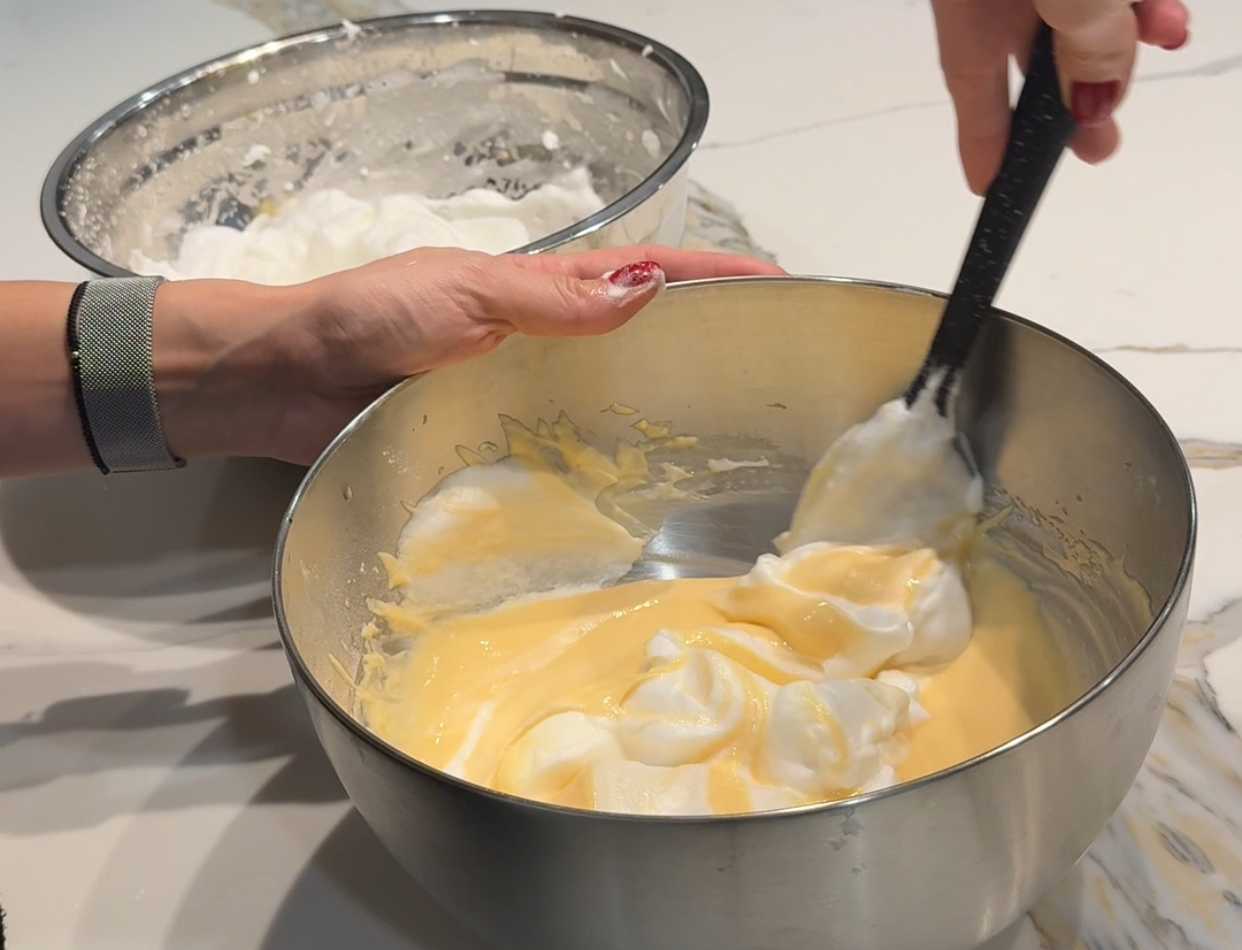 Combine the ingredients: carefully fold ⅓ of the beaten egg whites into the yolk mixture, using a spatula to fold in from the bottom up. Then add the remaining egg whites and fold in gently again.
Step 7:
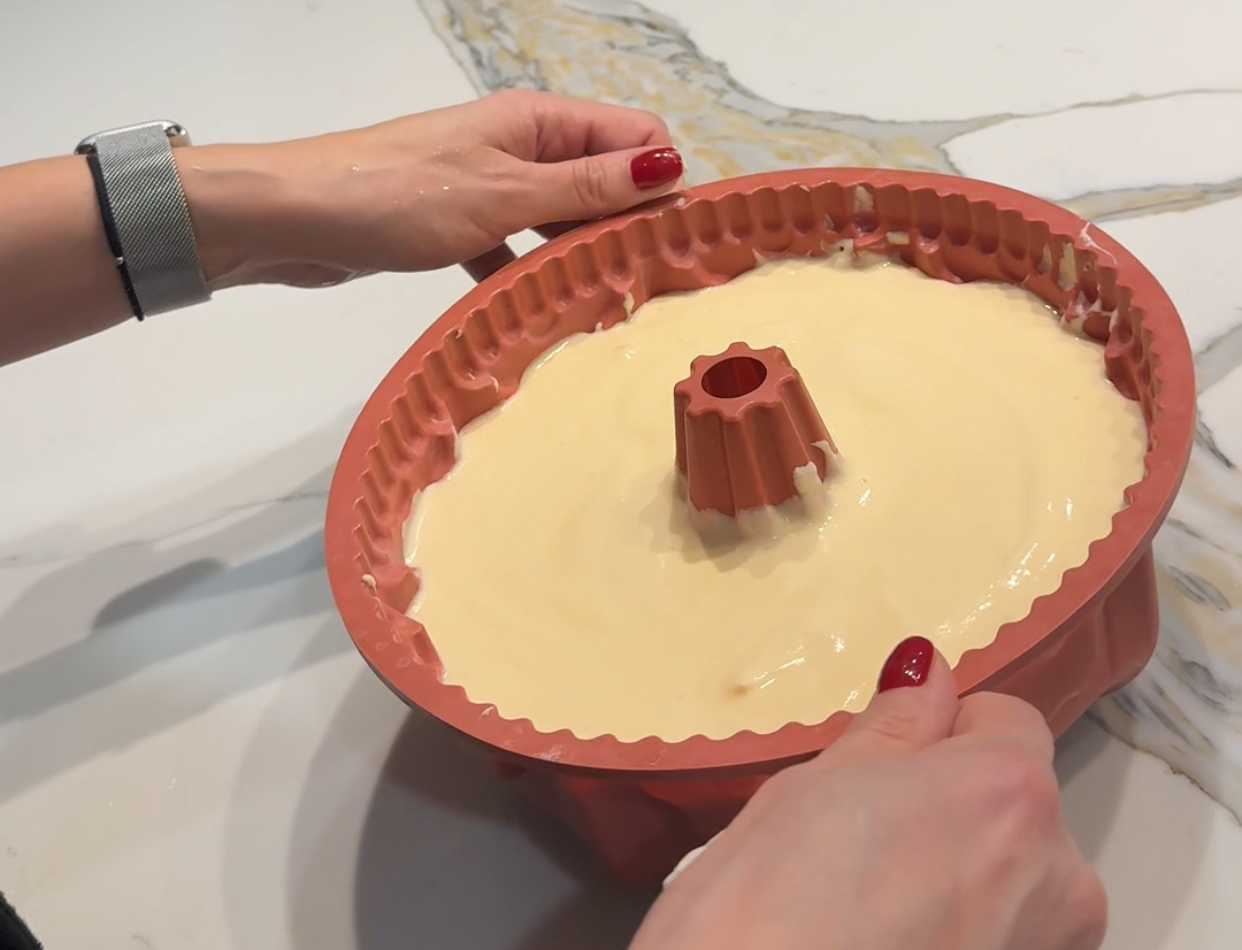 Grease a baking pan with butter. Pour in the batter, and gently shake the pan to even out the surface.
Step 8:
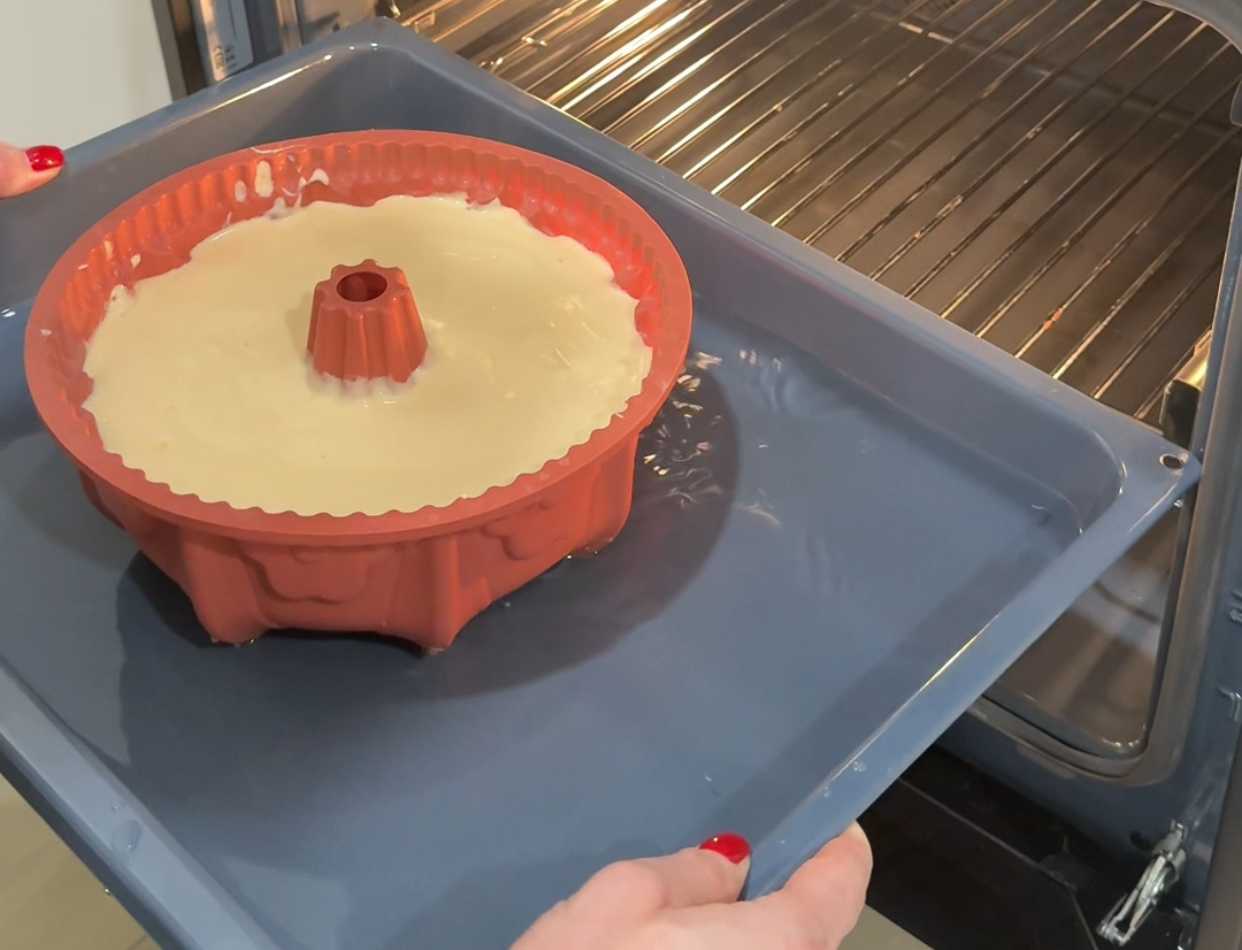 Bake the cake: place the pan on a high-sided baking sheet filled with water and place in a preheated oven (170°C). Bake for 35–40 minutes. Check for doneness with a toothpick; it should come out clean.
Step 9:
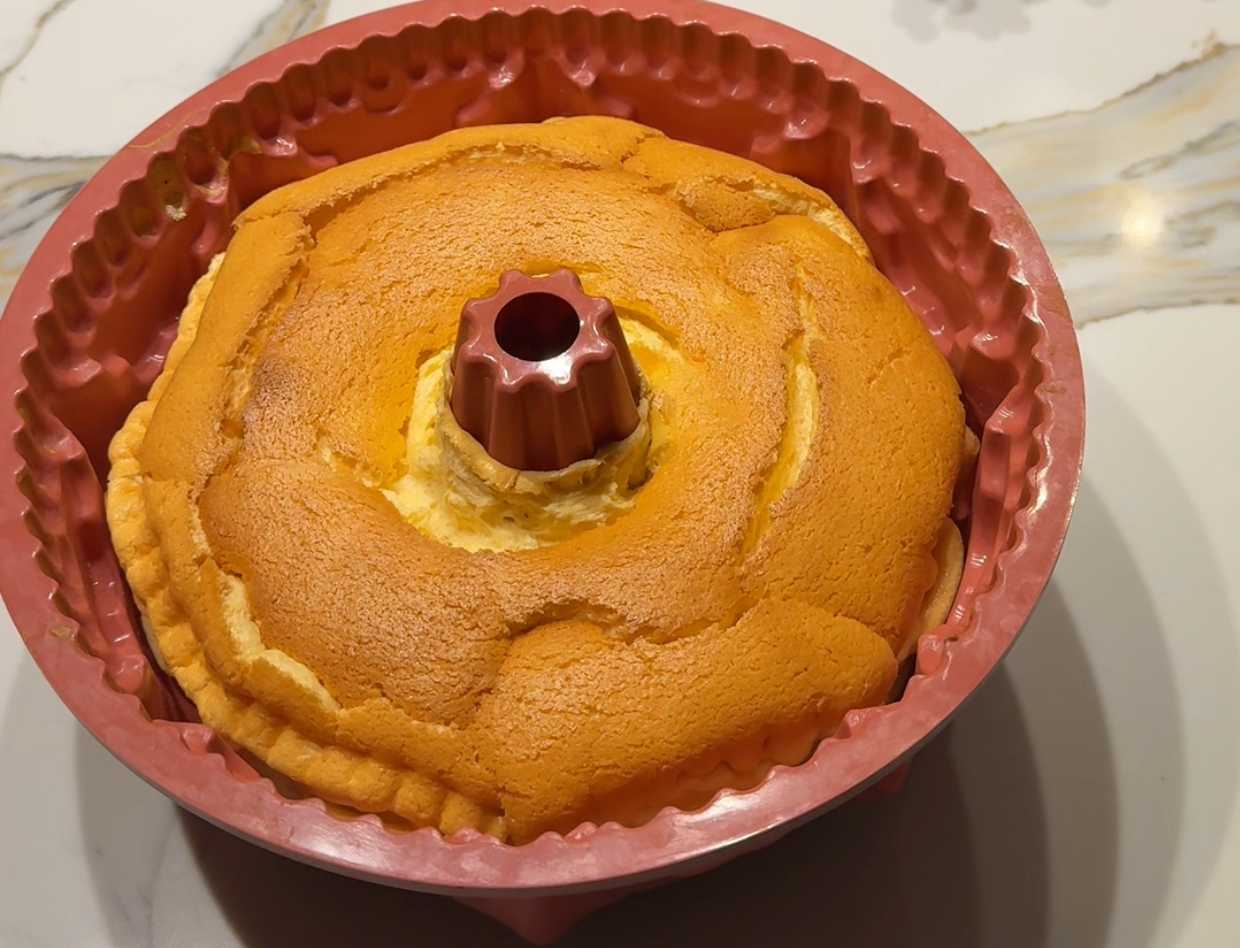 After baking, let the cake cool in the pan for 10 minutes, then remove and cool completely on a wire rack.
Step 10:
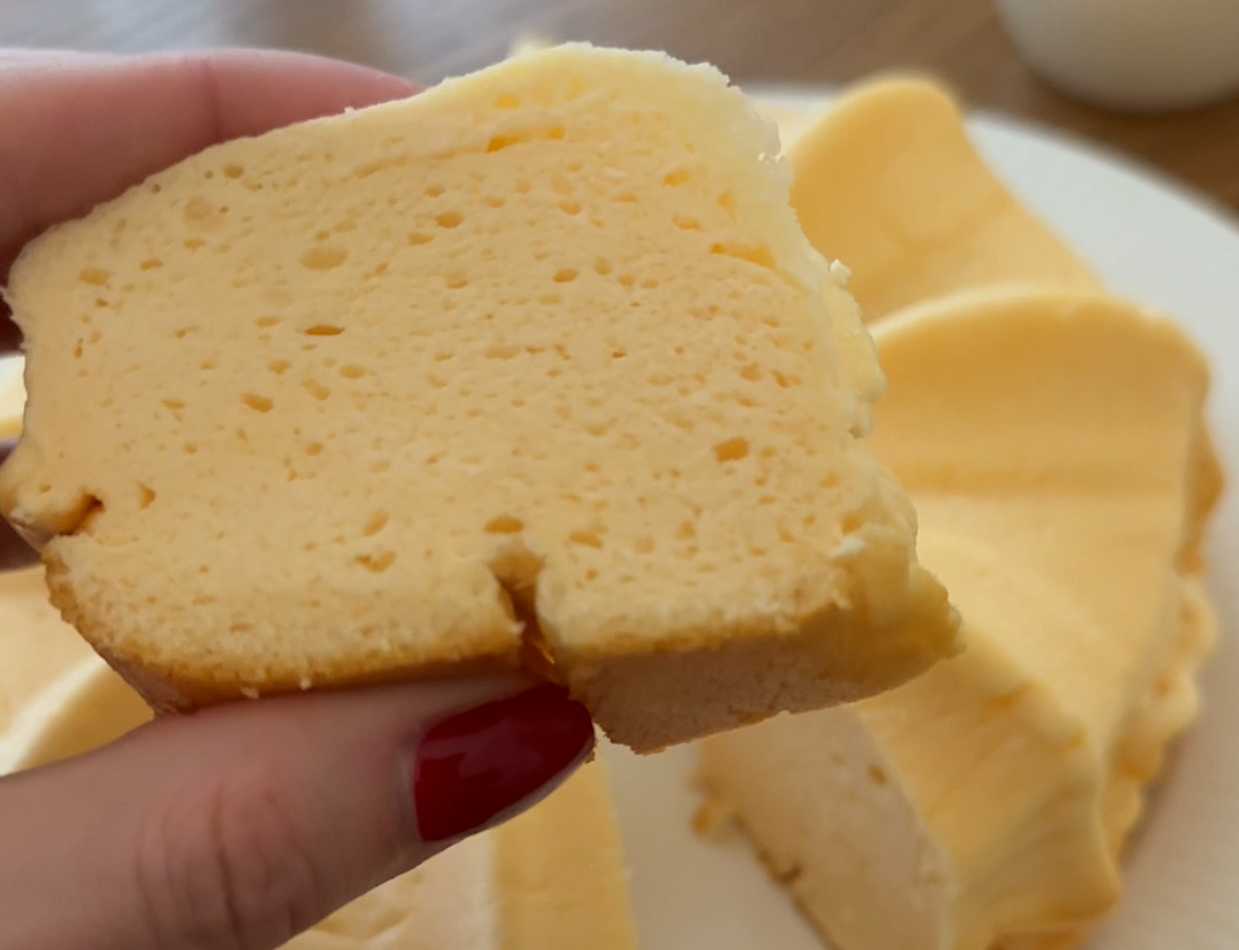 Serve the sponge cake cut into pieces.
Cooking tips:
Use cold eggs - they beat better into whites, and the yolks separate from the whites more easily.
Whisk the egg whites in a dry, greasy bowl—even a drop of water or fat can prevent peaks from forming.
Sift the flour - this removes lumps and saturates the dough with air, which makes the cake more airy.
Mix the dough carefully - sudden movements can release air from the whites, and the cake will turn out dense.
Don't grease the pan too much - a thin layer of oil is enough, otherwise the cake may stick.
Do not open the oven for the first 25 minutes - a sudden change in temperature may cause the cake to settle.
Serve the cake at room temperature – it will be the most tender and aromatic.
Store in an airtight container - the cake will stay soft for up to 3 days, but is best eaten on the first day.