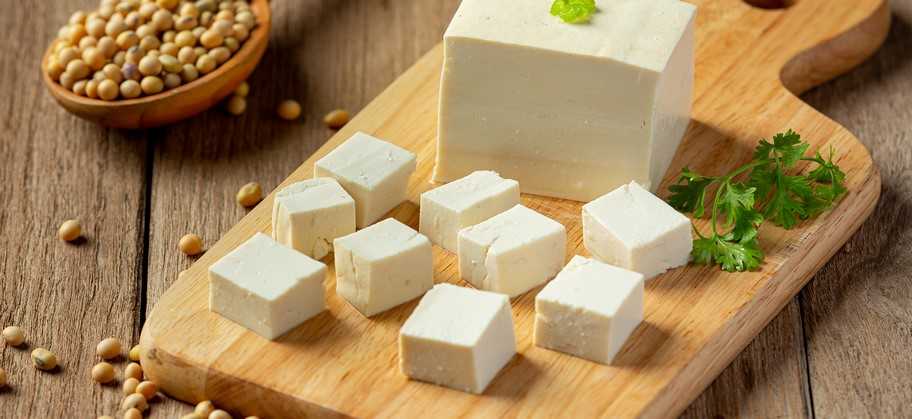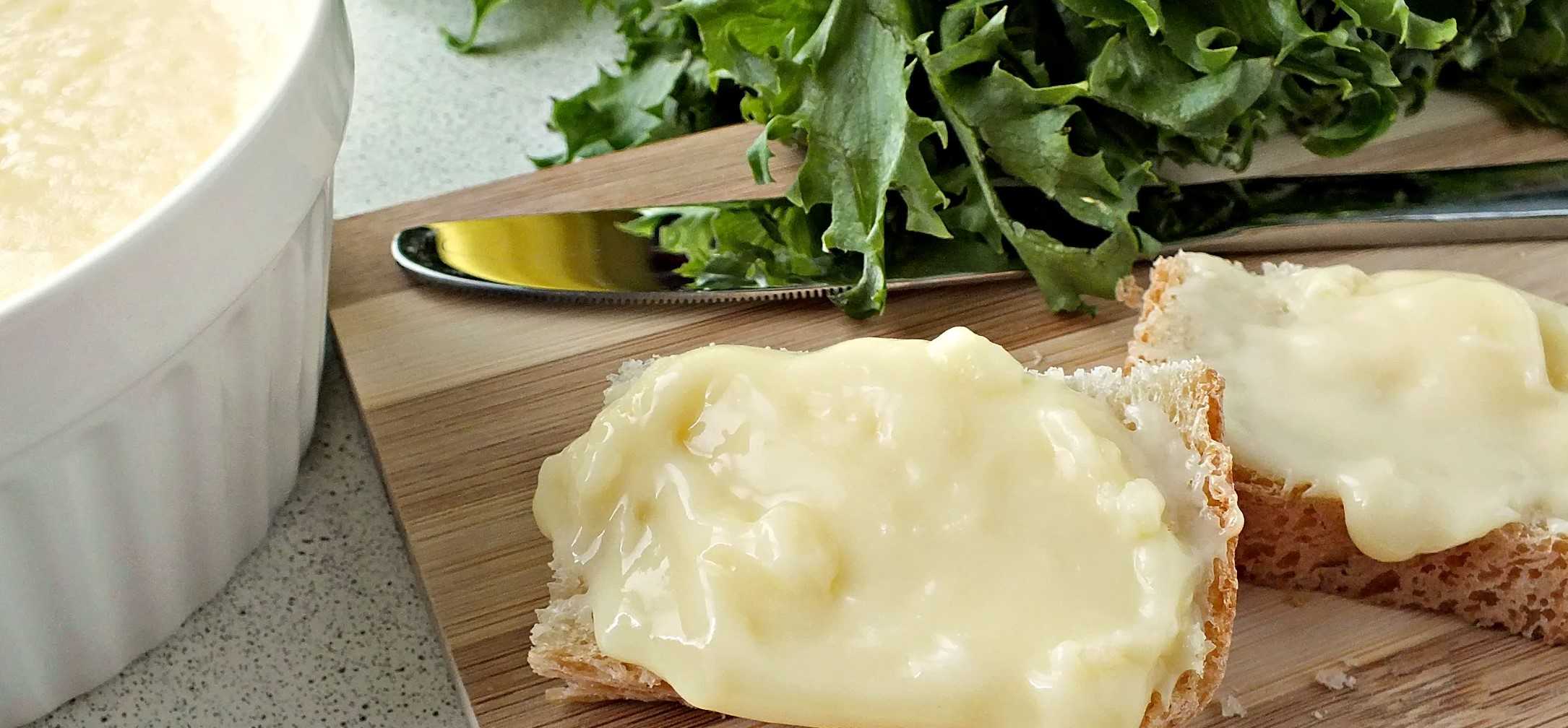
Homemade processed cheese

Origin of the recipe
Processed cheese was developed in the early 20th century to extend the shelf life of cheese and make it more convenient to use. In the 1920s, it became widely available in stores, and various recipes began appearing in cookbooks. Over time, producers began experimenting with adding a variety of flavoring ingredients, such as herbs, spices, mushrooms, and even vegetables.
What do you need for cooking?
Ingredients
-
Milk
-
Lemon juice
-
Citric acid
-
Baking soda
-
Water
-
Butter
-
Salt
Kitchen utensils
- Bowls
- Spoon
- Lid
- Ladle
- Blender
- Sieve
- Film
- Container with a lid
Step-by-step recipe
Step 1:
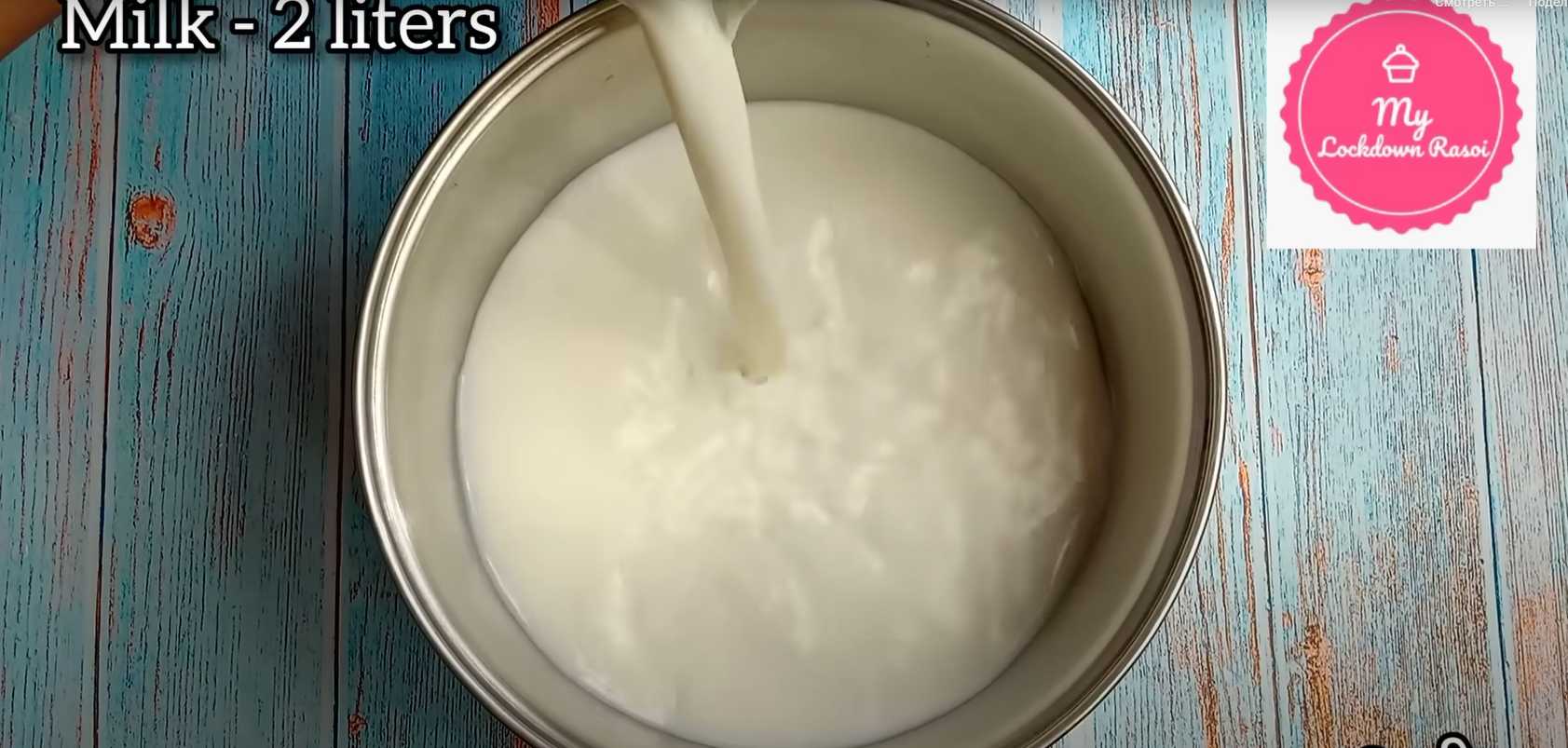 Pour milk into a ladle and place on low heat.
Step 2:
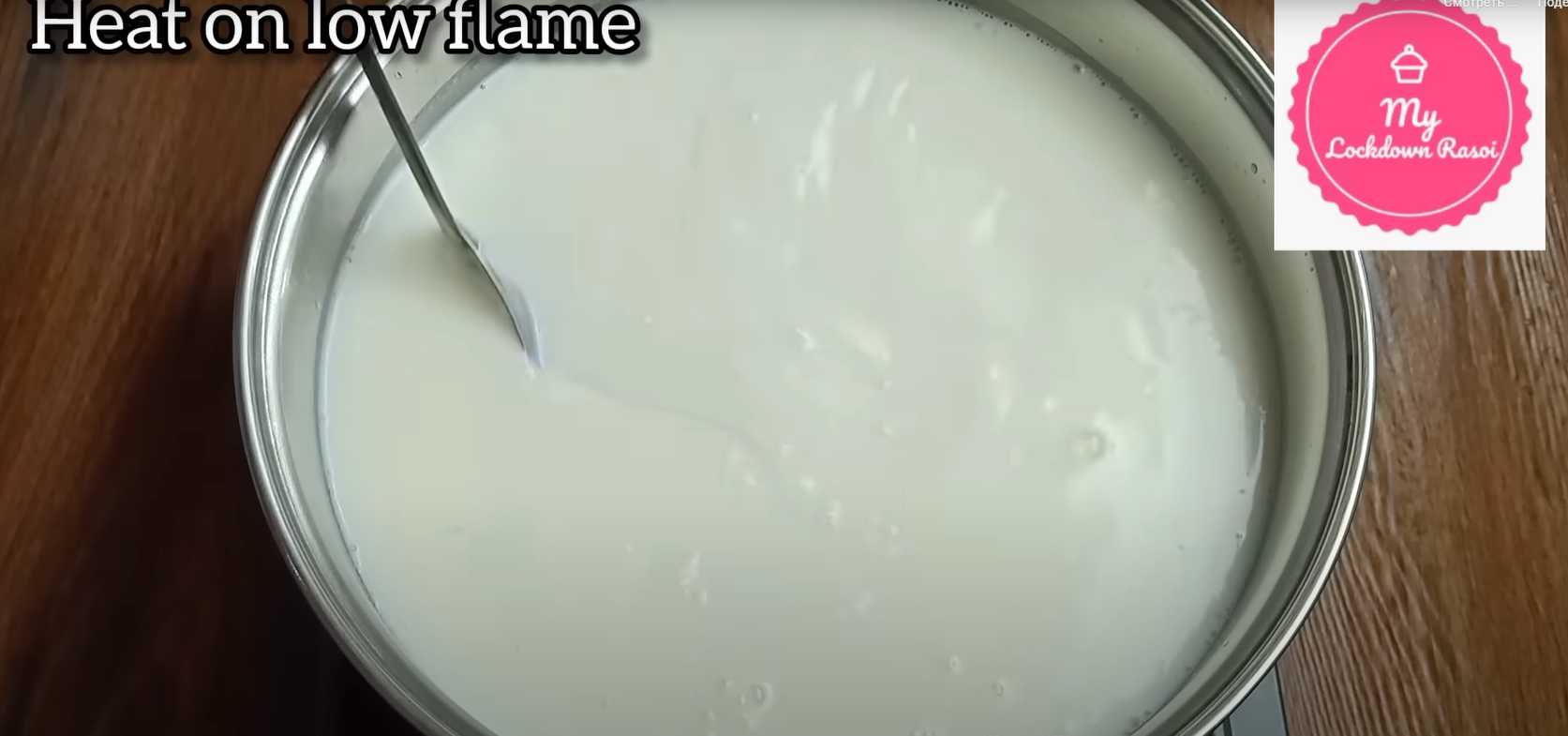 Stirring constantly, heat the milk until it becomes warm.
Step 3:
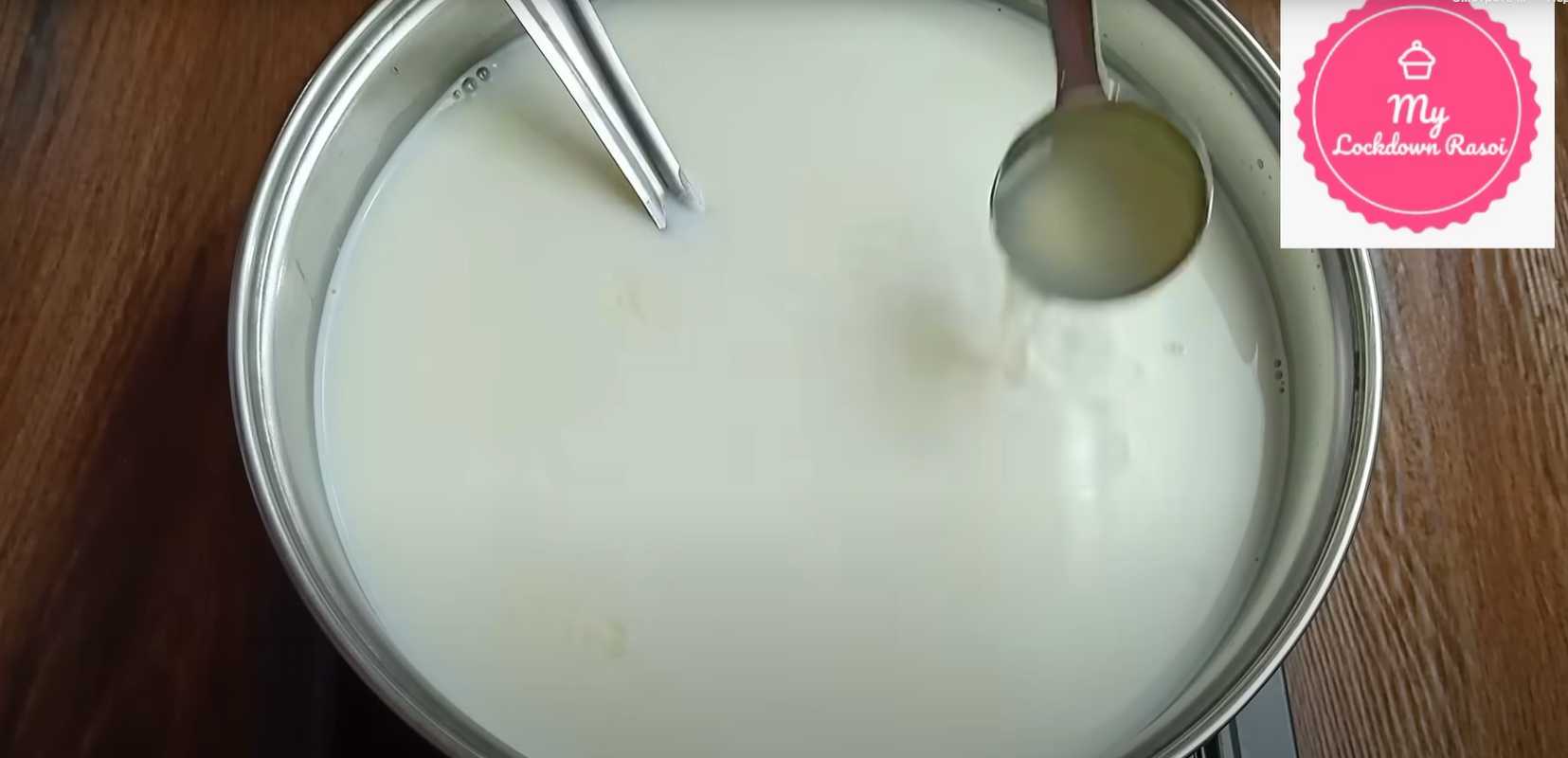 Turn off the heat and gradually pour in the lemon juice or vinegar, stirring constantly.
Step 4:
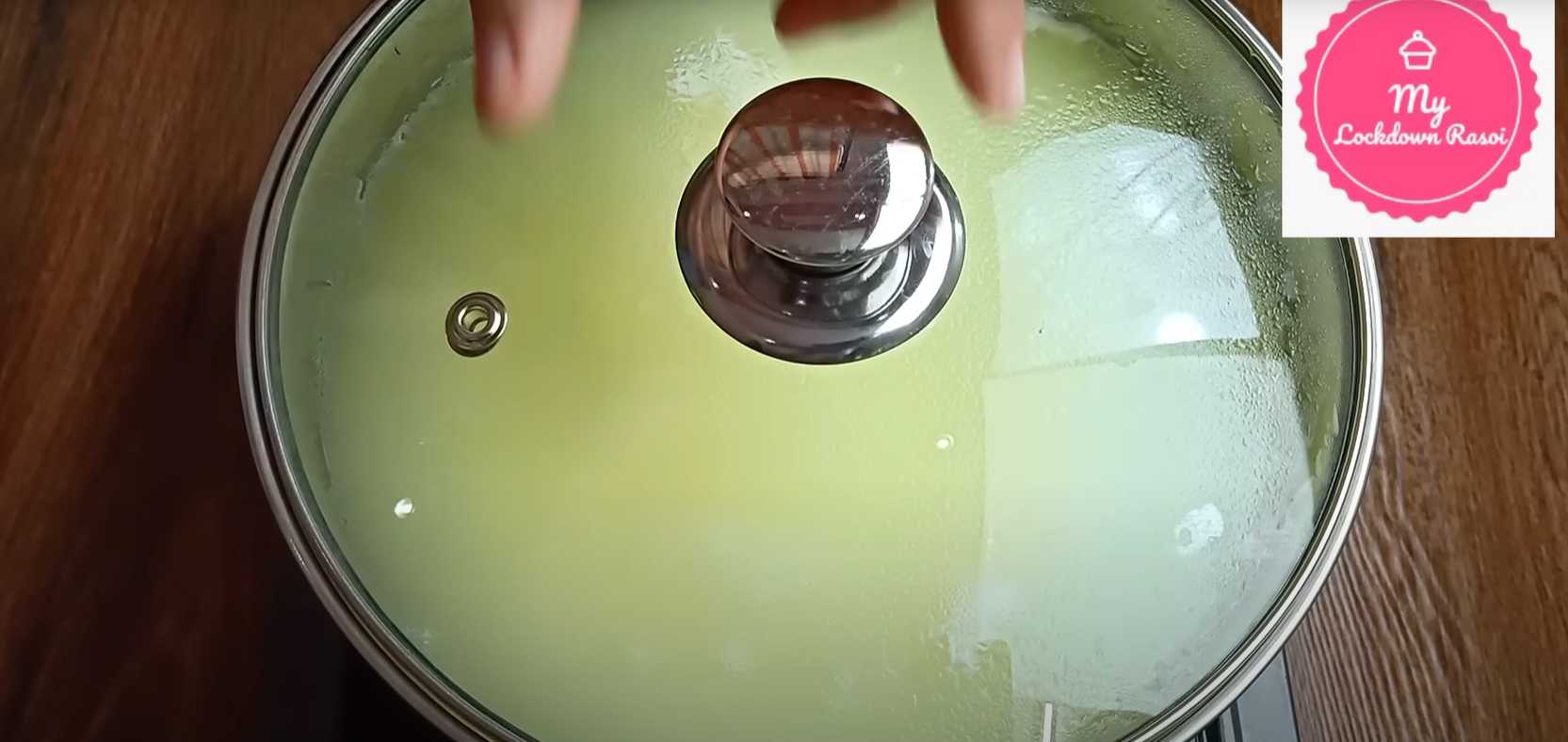 When the milk has completely curdled, cover the saucepan with a lid and leave for 2-3 minutes.
Step 5:
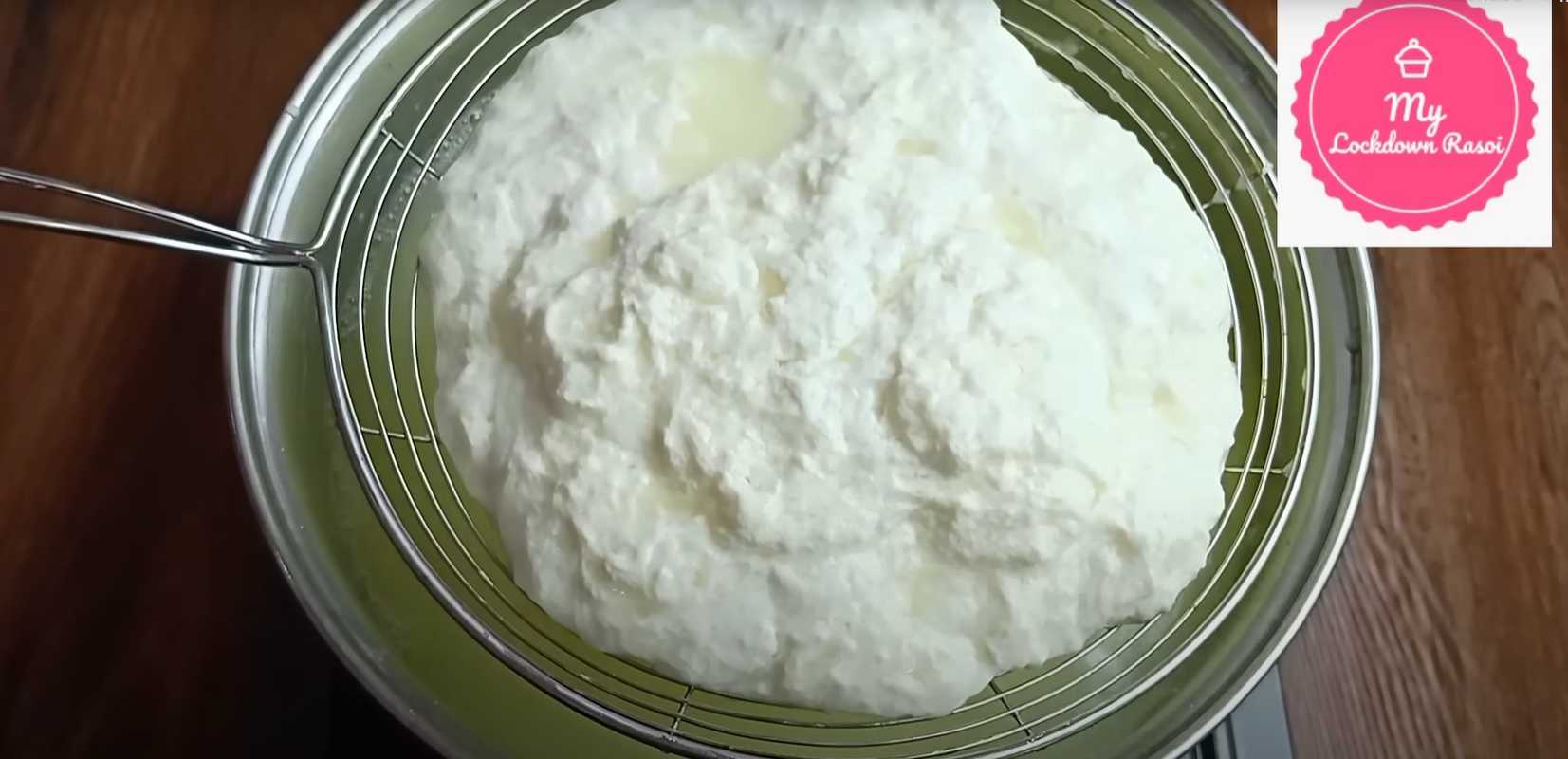 Carefully gather the resulting cheese together, place it in a sieve and squeeze out the whey.
Step 6:
Form a head of cheese with your hands and place in a bowl.
Step 7:
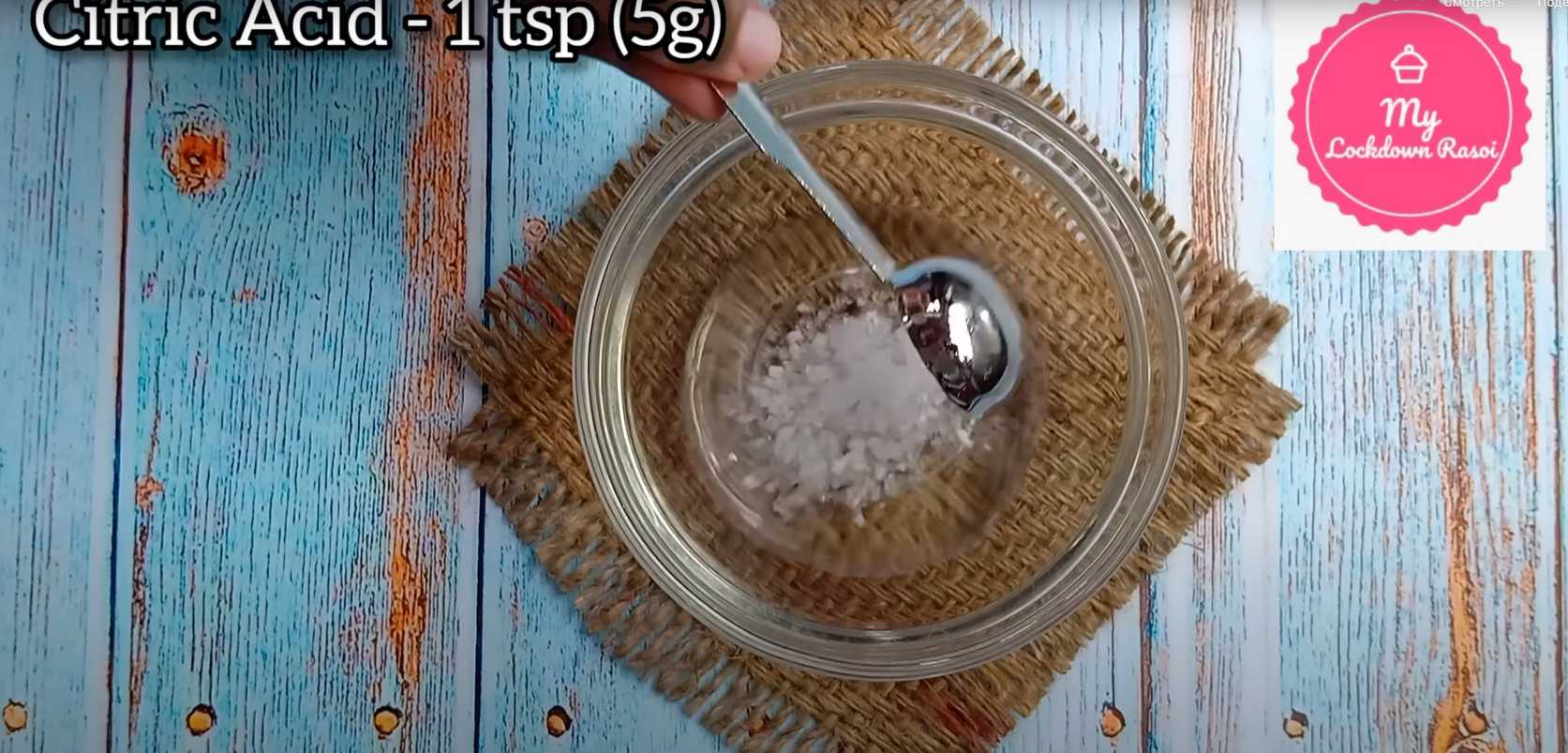 Pour water into a clean bowl, add citric acid and stir until completely dissolved.
Step 8:
 Add baking soda, stir and wait until the reaction is complete and a clear solution of sodium citrate is obtained.
Step 9:
 Grease a plastic container with butter.
Step 10:
 Place the cottage cheese in a blender, add milk, butter and sodium citrate solution.
Step 11:
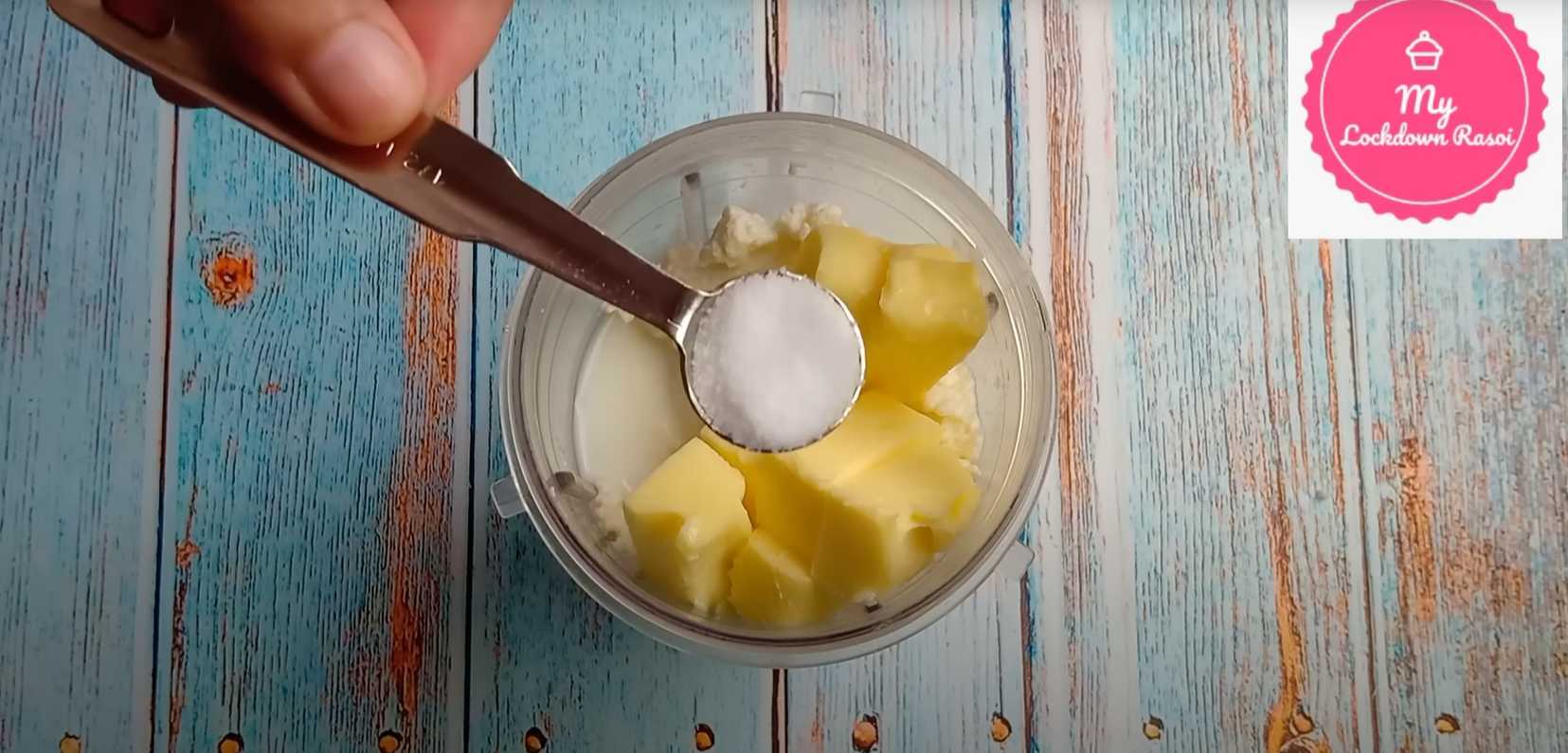 Add salt and mix the ingredients in a blender.
Step 12:
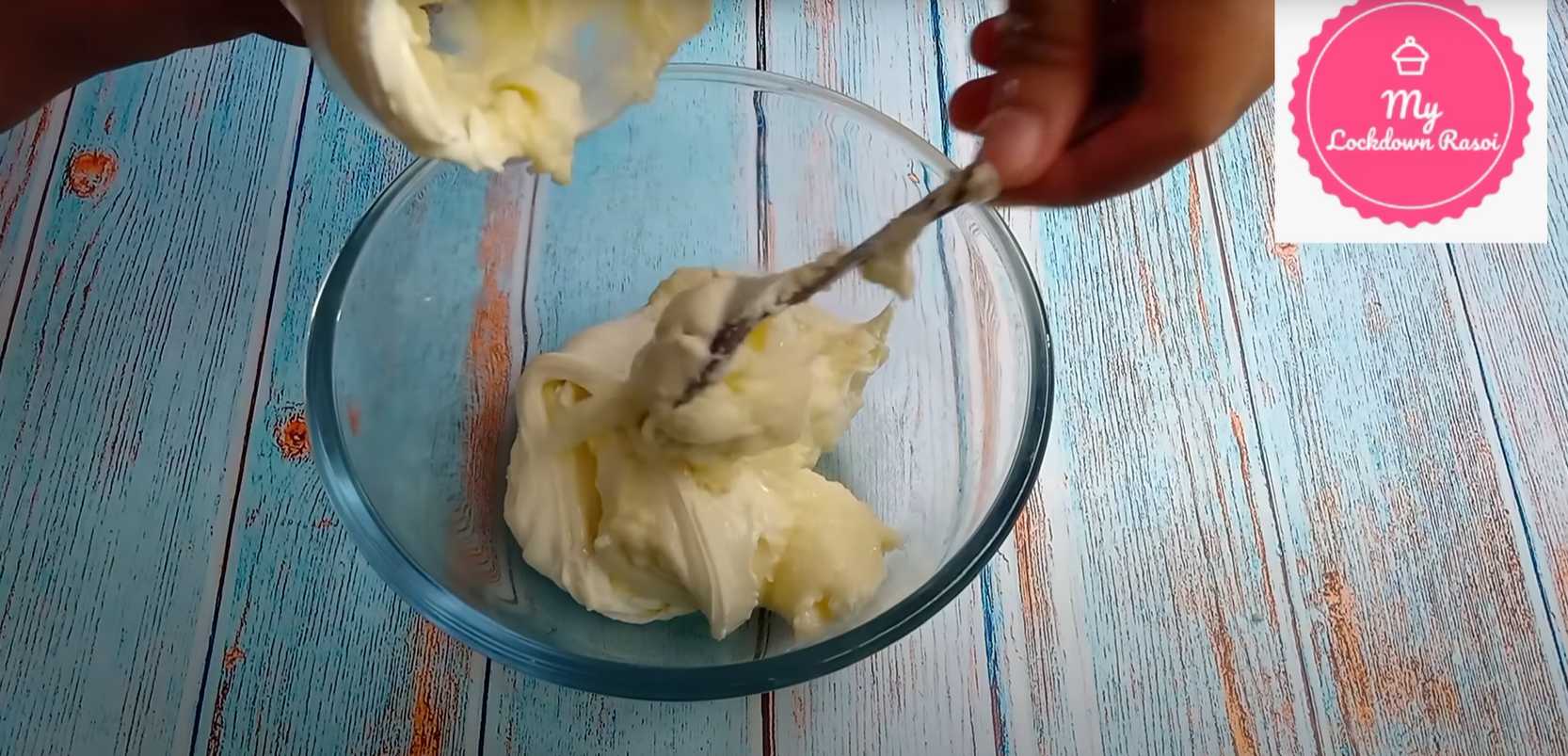 Transfer the mixture to a clean bowl.
Step 13:
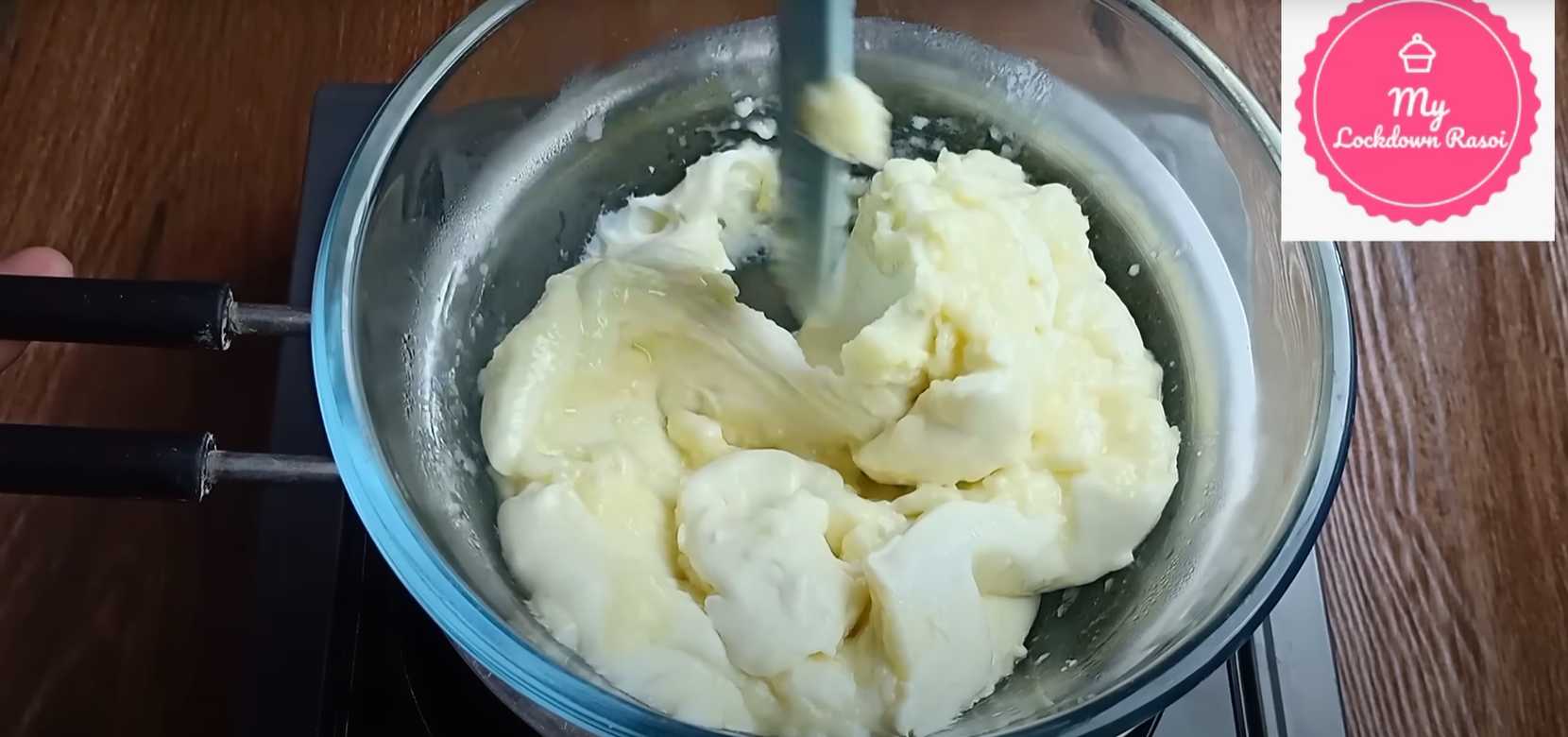 Bring water to a boil in a saucepan, place a bowl of cheese on top and cook in a water bath for 10-15 minutes, stirring constantly.
Step 14:
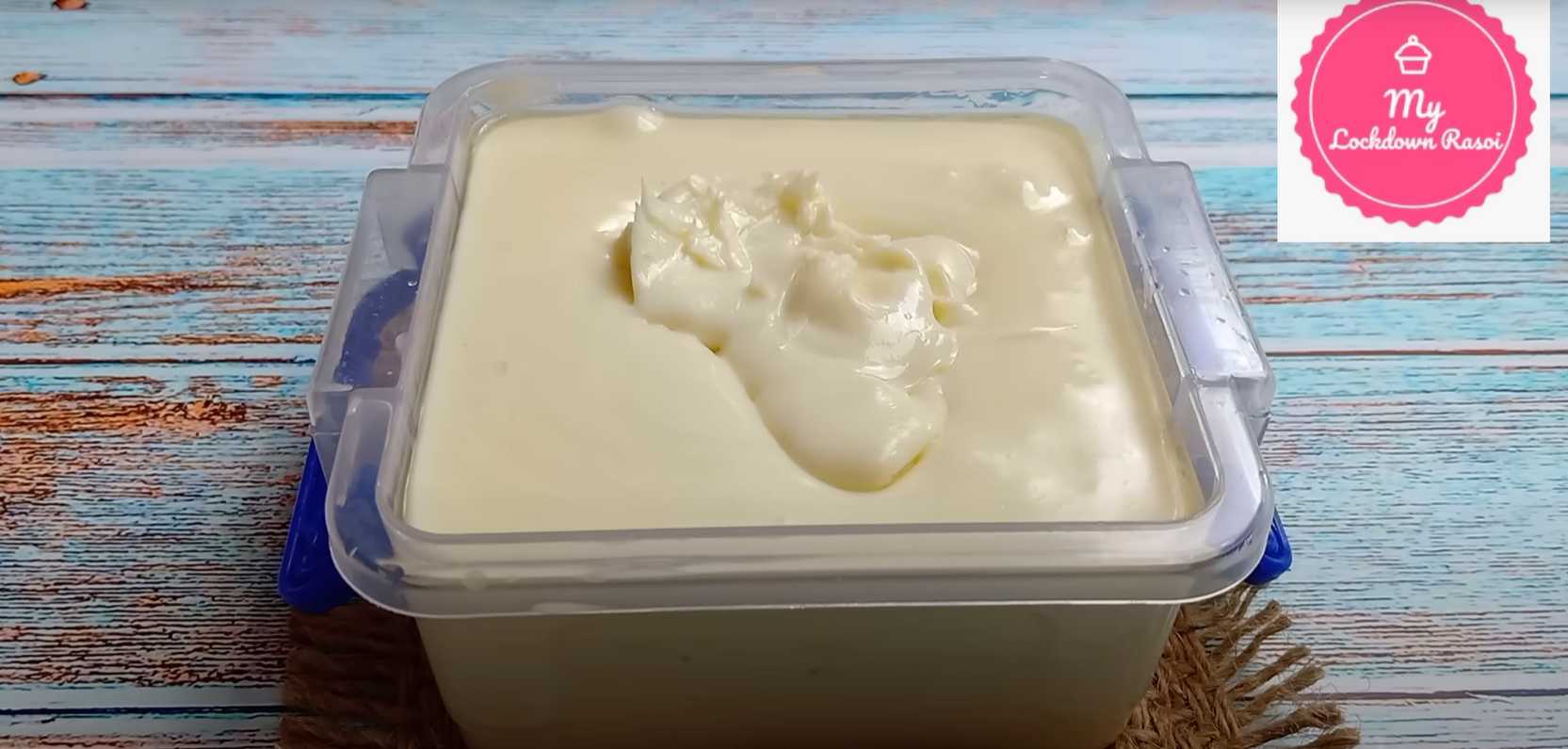 Pour the melted cheese into a greased container, cover tightly with plastic wrap, cover with a lid and refrigerate for 4-5 hours.
Cooking tips
The milk needs to be heated to a temperature that you can tolerate with your finger.
Sodium citrate, obtained from baking soda and citric acid, is one of the so-called "melting salts." These substances partially dissolve proteins and promote the even distribution of fats in the cheese mass.
Before placing the finished cheese in the refrigerator, cool it to room temperature.