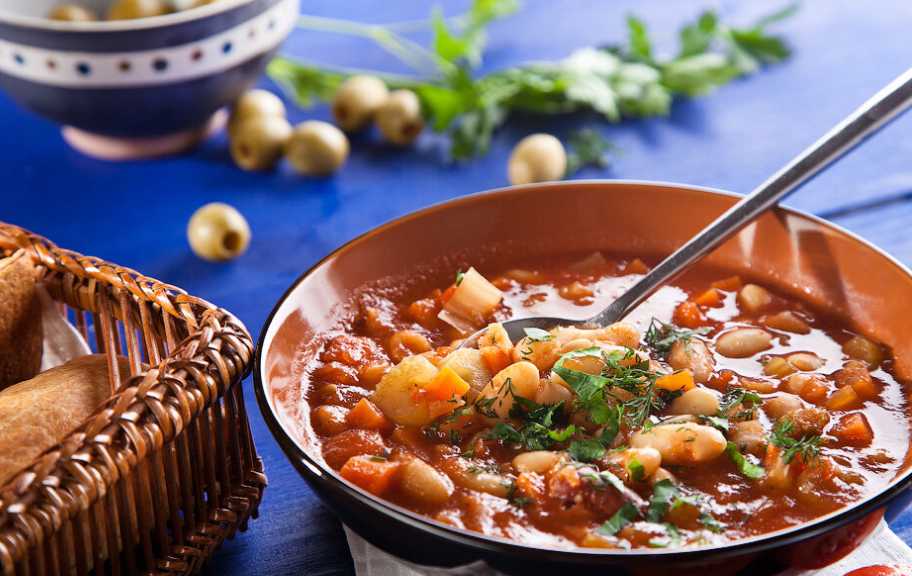
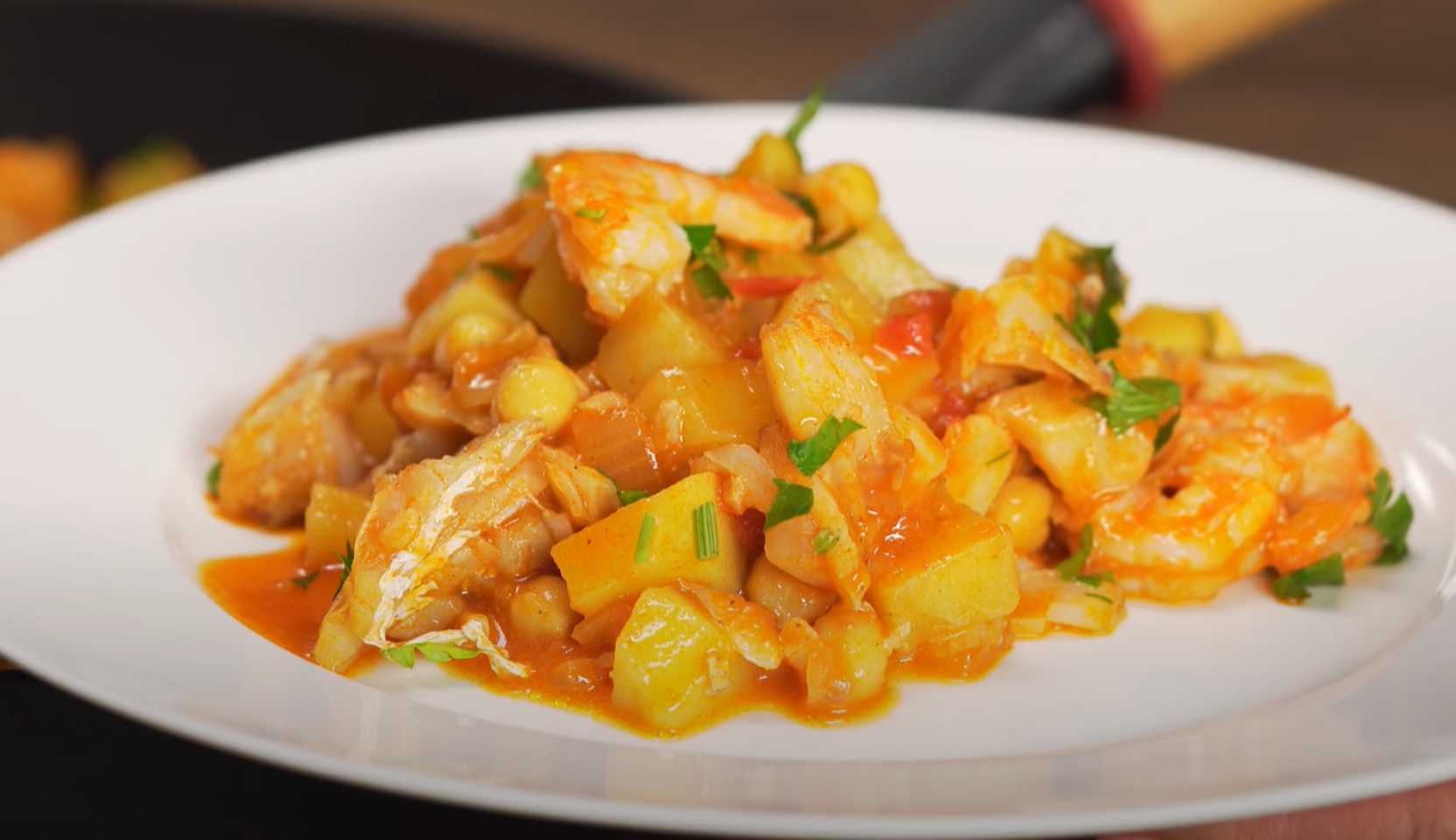
Spanish fish stew with chickpeas
Origin of the recipe
Spain, located on the Iberian Peninsula, traditionally relies on the warm, teeming seas that surround it for sustenance. This country is renowned for the bountiful gifts of not only the sea but also the land, which are beautifully combined in the dish we suggest you prepare. It includes not only fish, rich in phosphorus and other nutrients, but also chickpeas, an excellent source of protein and immune-boosting nutrients.
What do you need for cooking?
Ingredients
-
Fish fillet
-
Shrimps
-
Chopped tomatoes
-
Canned chickpeas
-
Potato
-
Onions
-
Garlic
-
Parsley leaves
-
Vegetable oil
-
Cayenne chili pepper
-
Sweet paprika
-
Lemon zest
-
Lemon juice
-
Water
-
Fish sauce
-
Sugar
-
Salt
-
Ground black pepper
Kitchen utensils
- Frying pan with a lid
- Knife
- Board
- Fine grater
- Garlic press
Step-by-step recipe
Step 1:
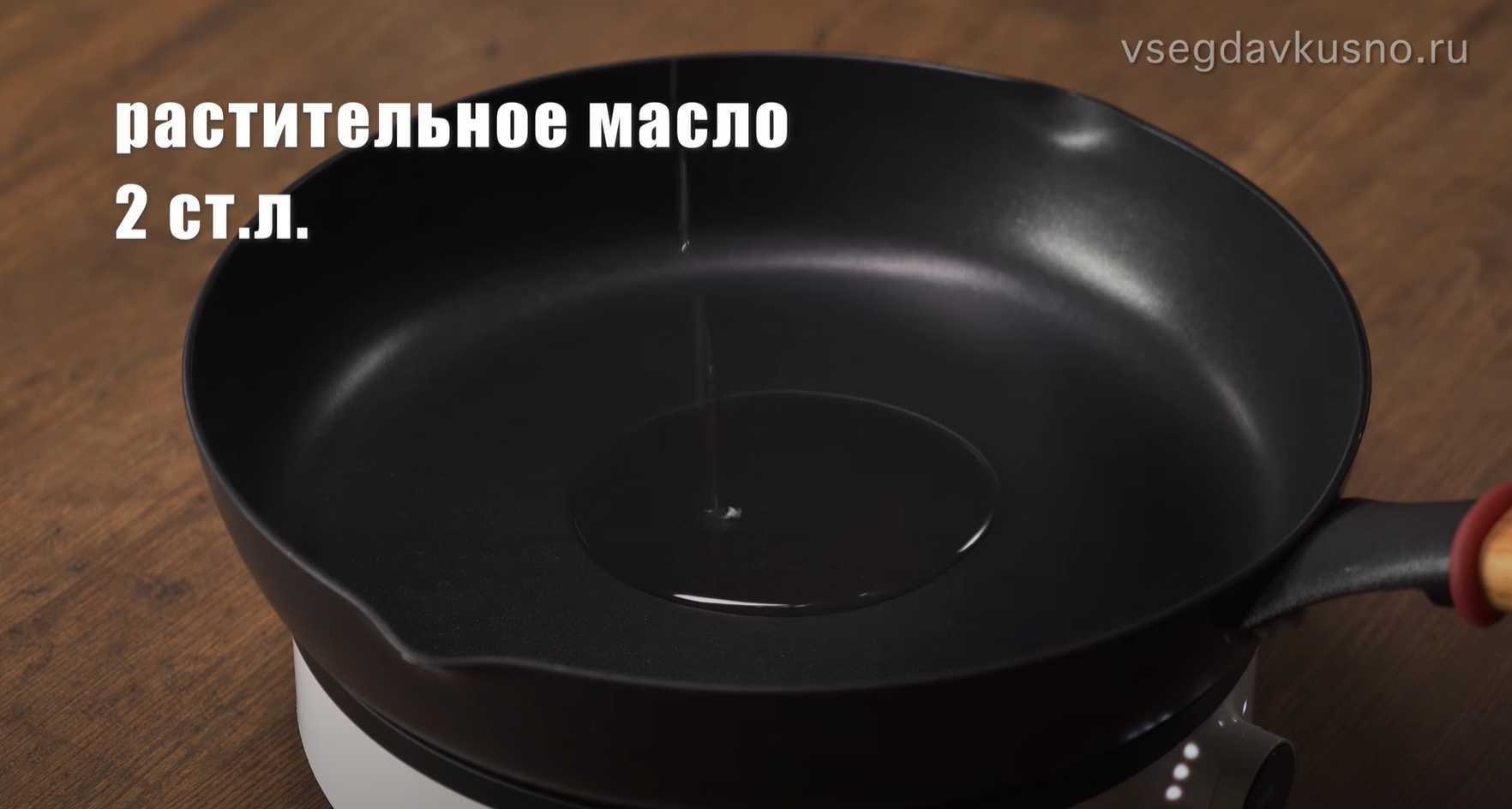 Pour 2 tablespoons of vegetable oil into the frying pan.
Step 2:
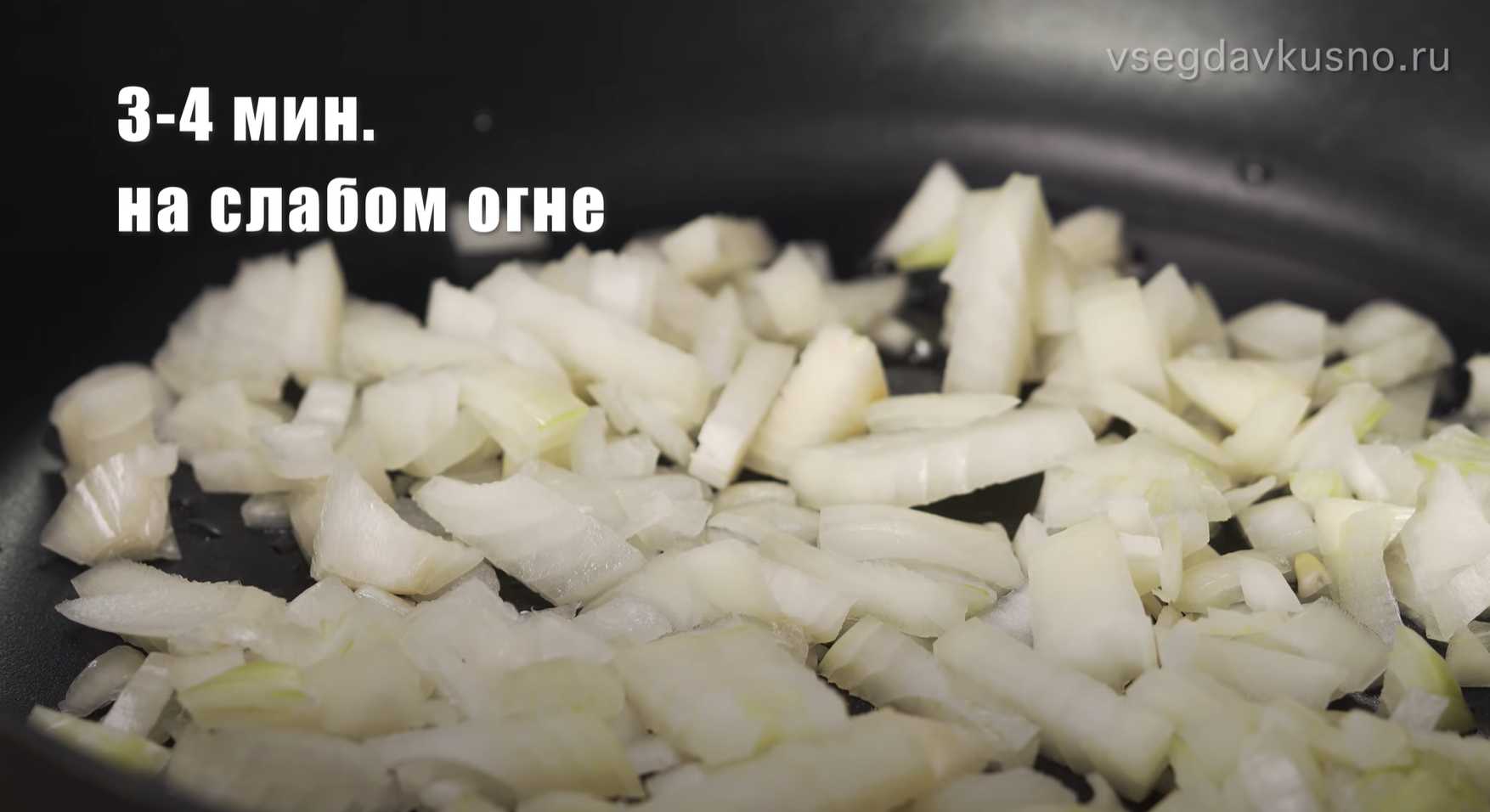 Chop the onion and add it to the pan with oil. Fry for 3-4 minutes over low heat.
Step 3:
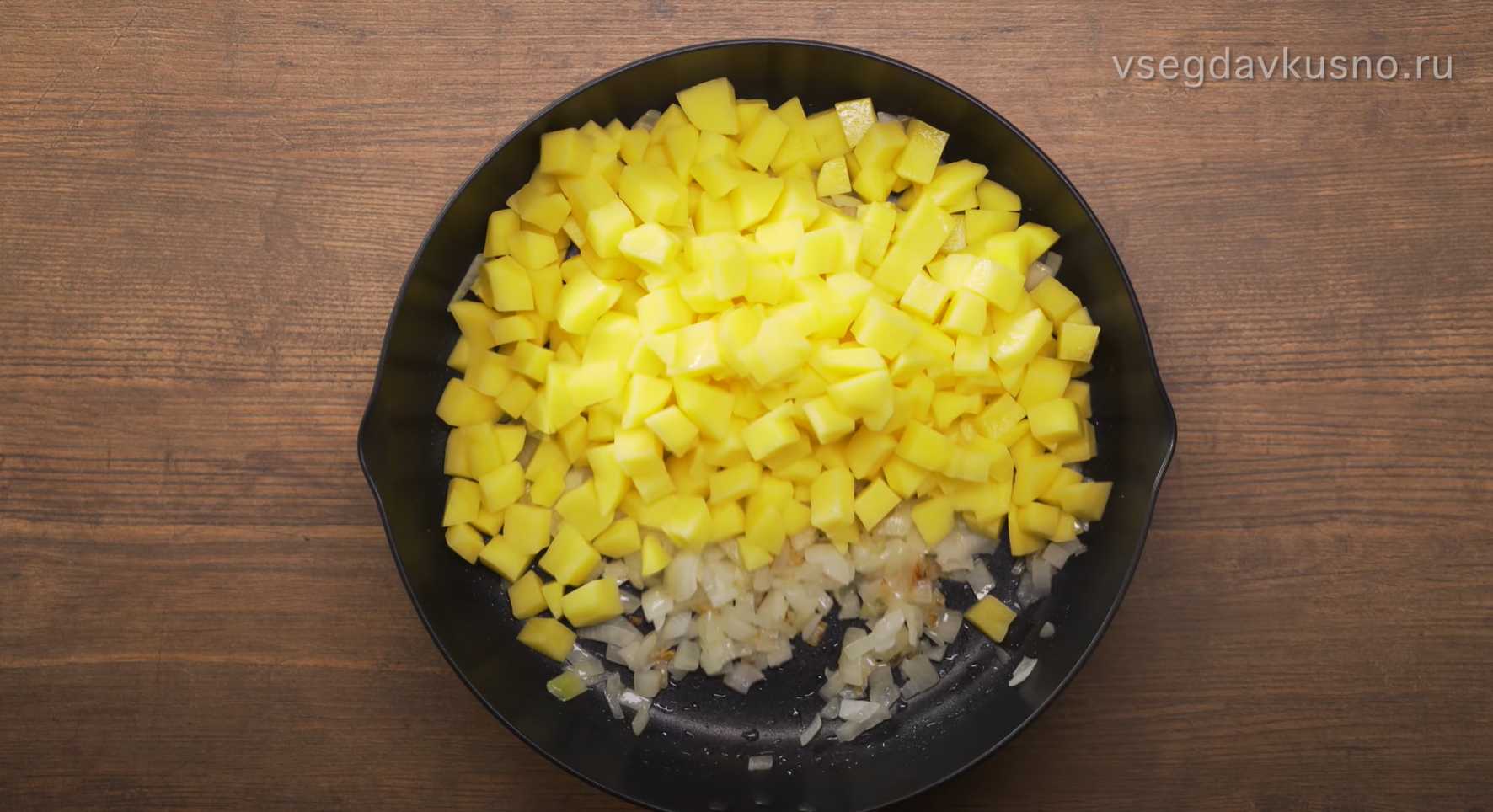 Cut the potatoes into cubes and pour into the pan.
Step 4:
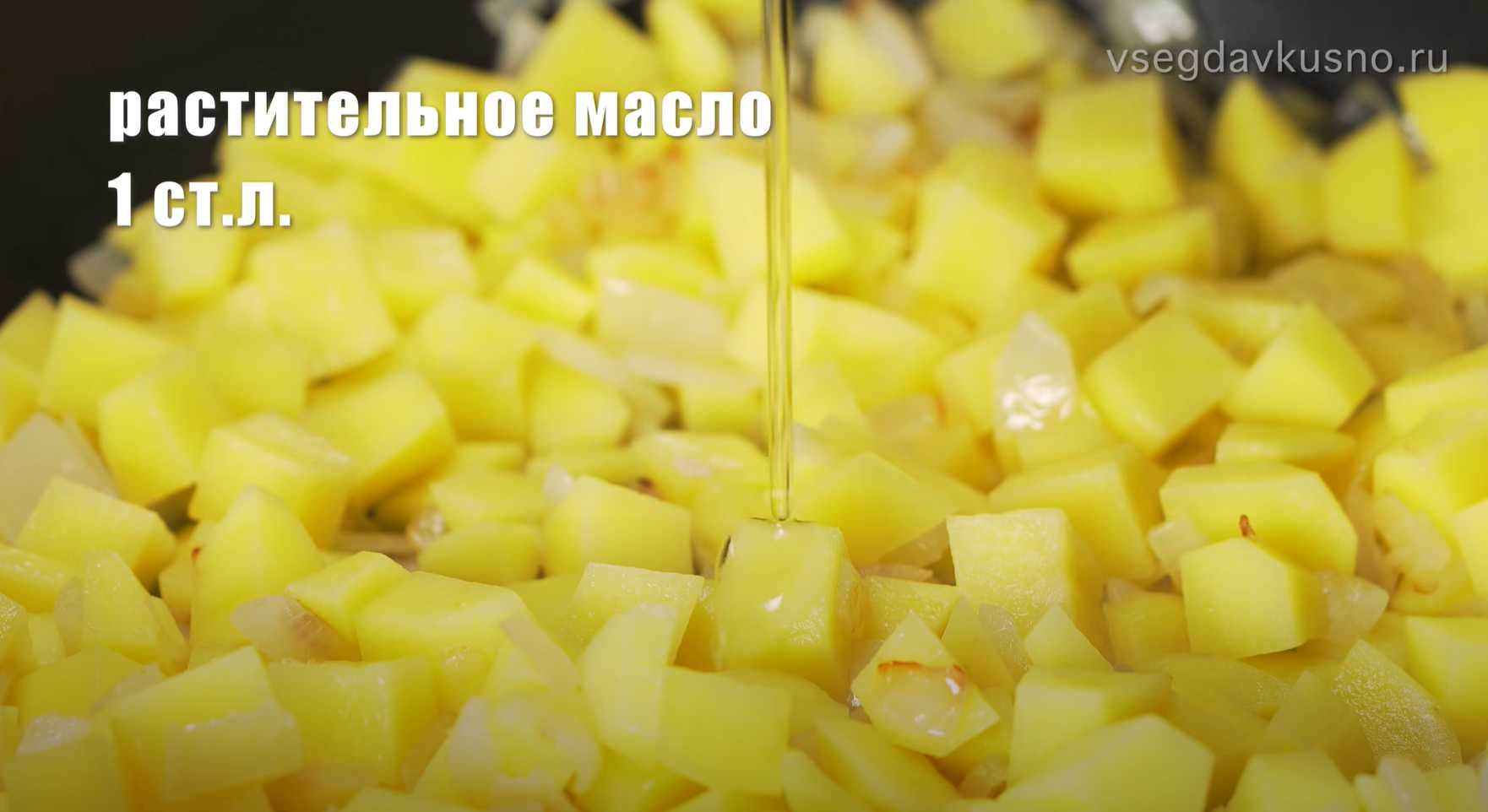 Add 1 tablespoon of vegetable oil to the pan, stir and cook for 10 minutes over low heat.
Step 5:
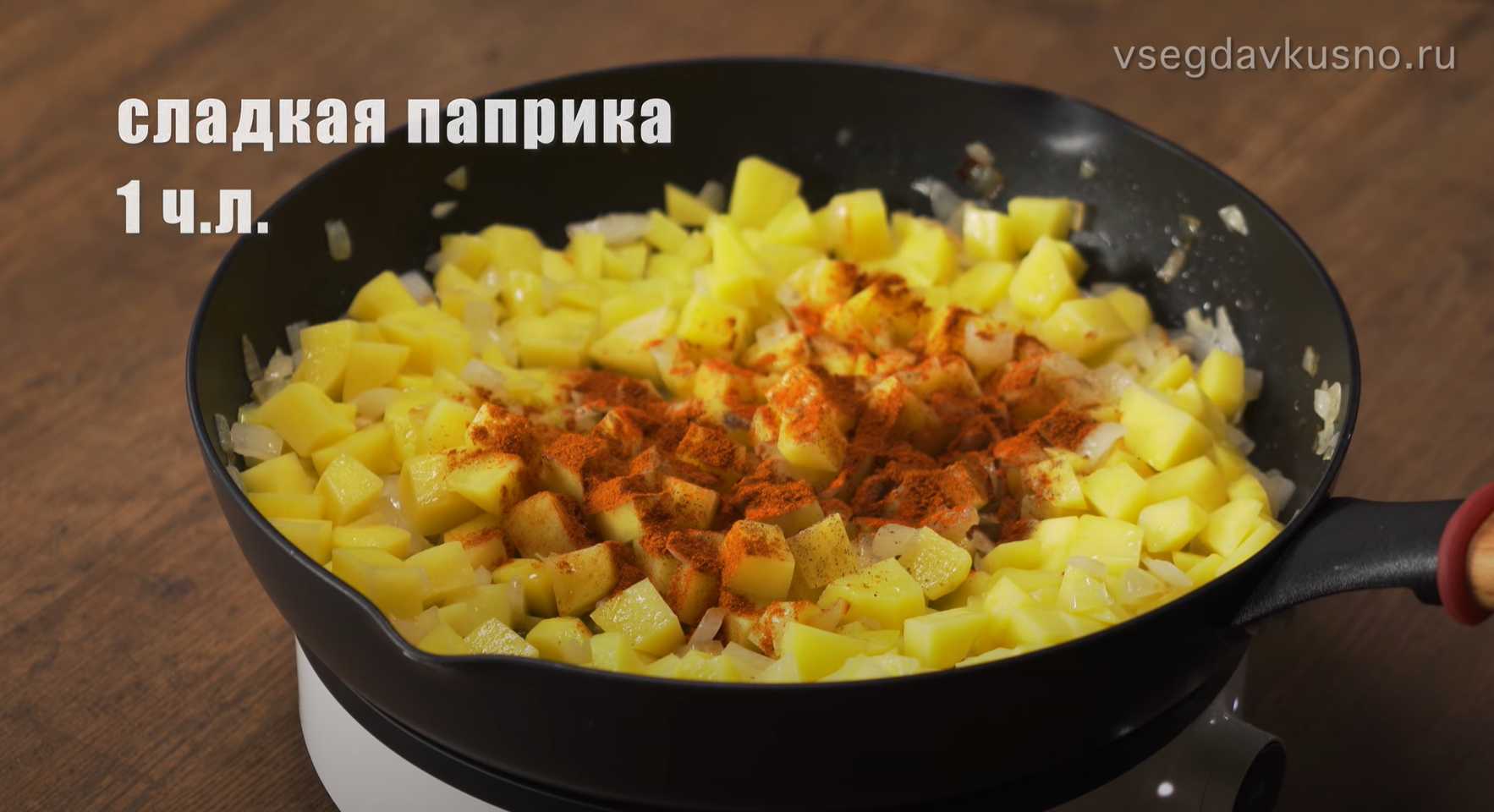 Add fish sauce, black pepper, cayenne pepper, sweet paprika, salt, chopped tomatoes, and water to the potatoes. Stir.
Step 6:
 Bring the contents of the pan to a boil, cover and cook for 30 minutes over low heat.
Step 7:
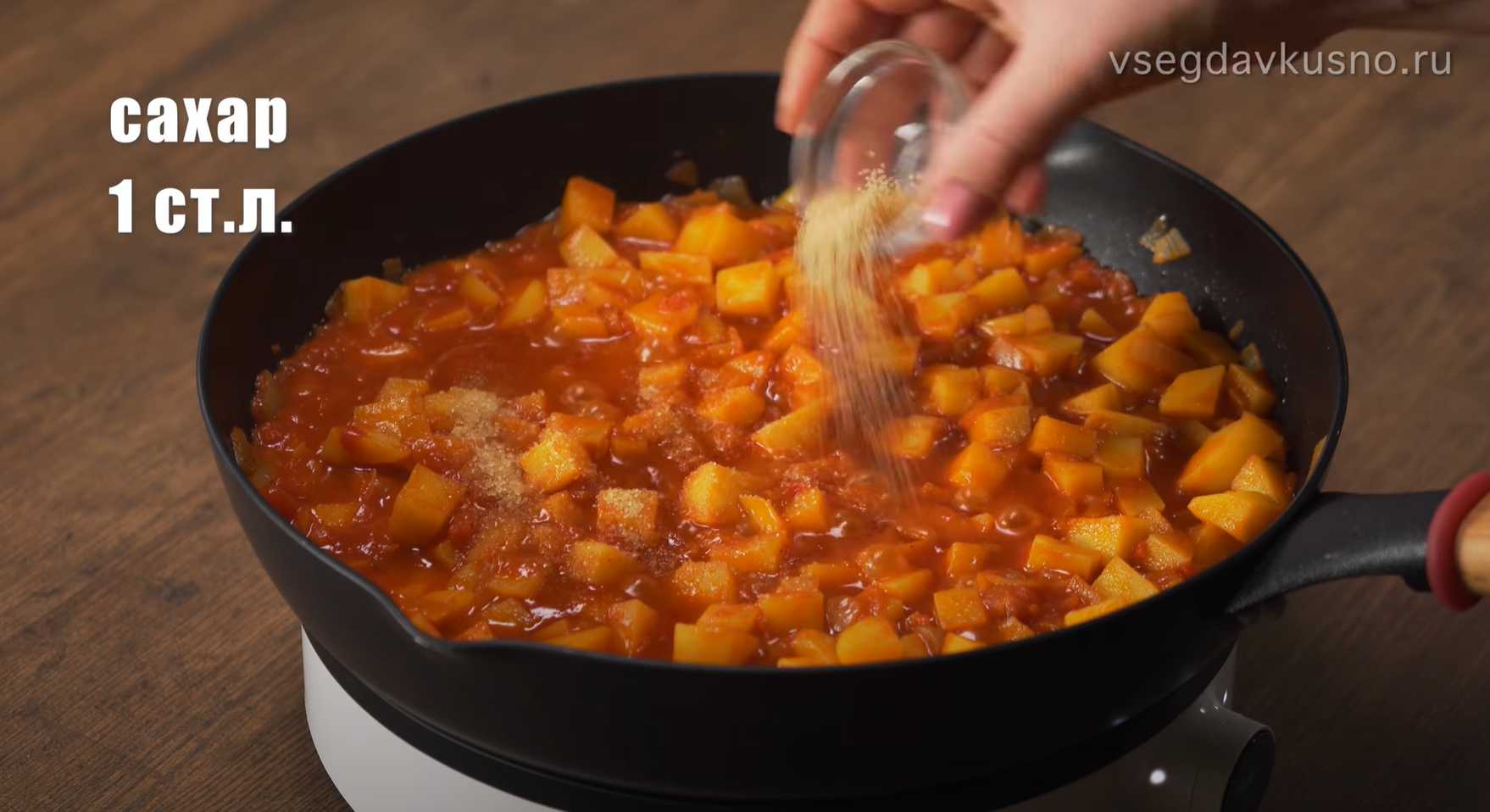 Add sugar to the pan and stir.
Step 8:
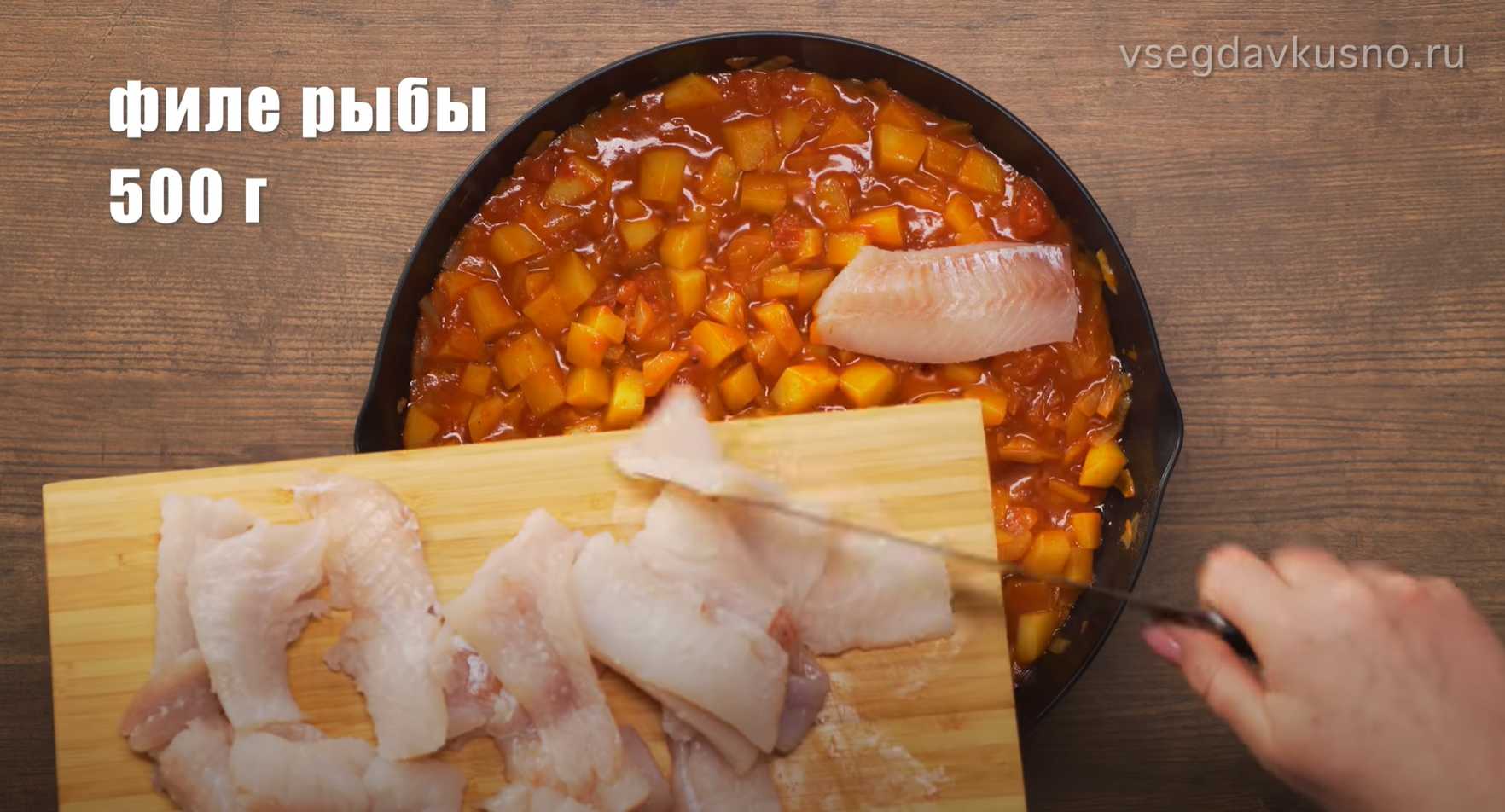 Cut the fish fillet into medium-sized pieces.
Step 9:
 Add the fish and canned chickpeas to the pan. Cover and cook for another 7 minutes over low heat.
Step 10:
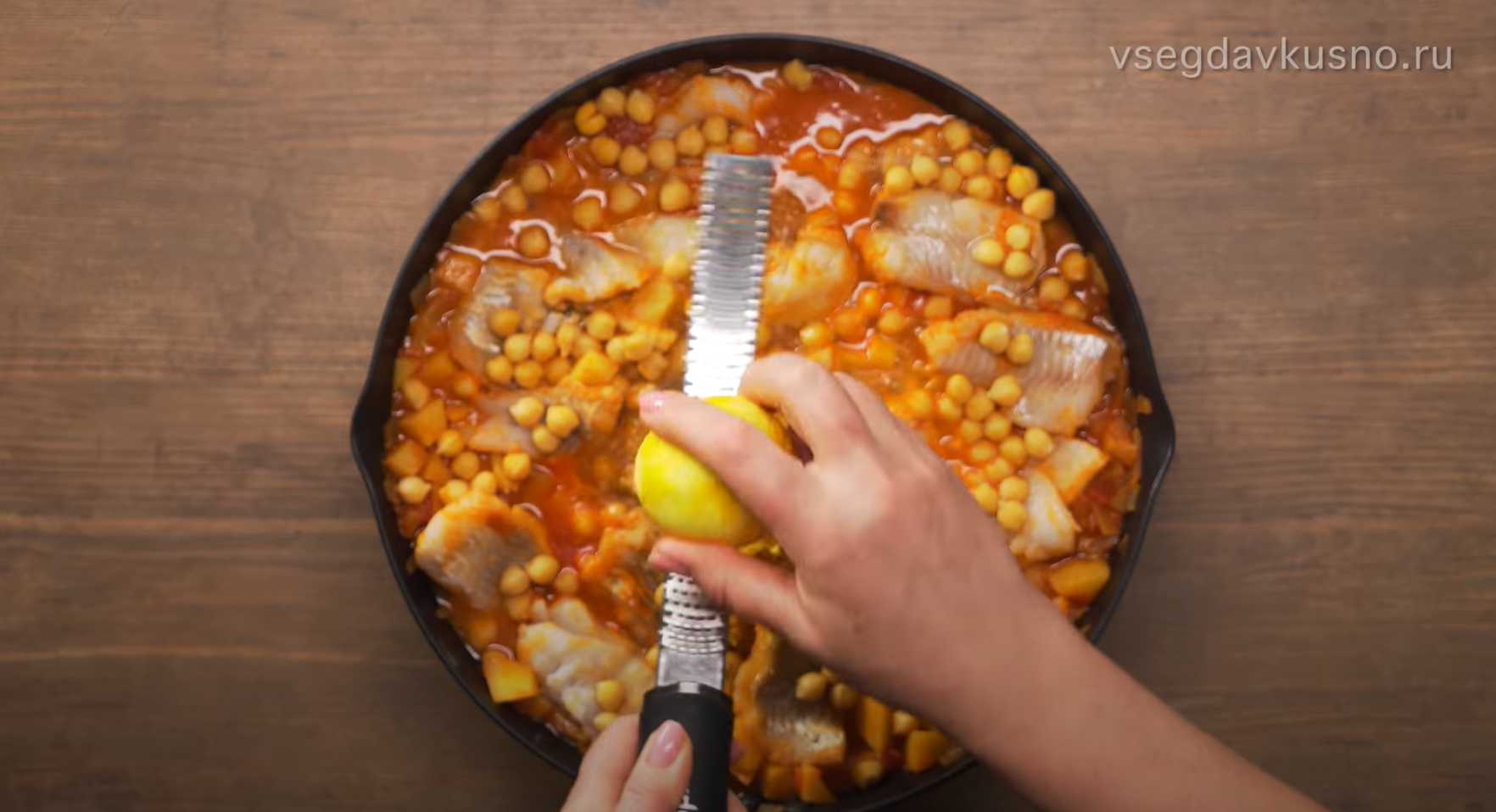 Grate the zest of one lemon into the pan, crush the garlic into the pan. Stir.
Step 11:
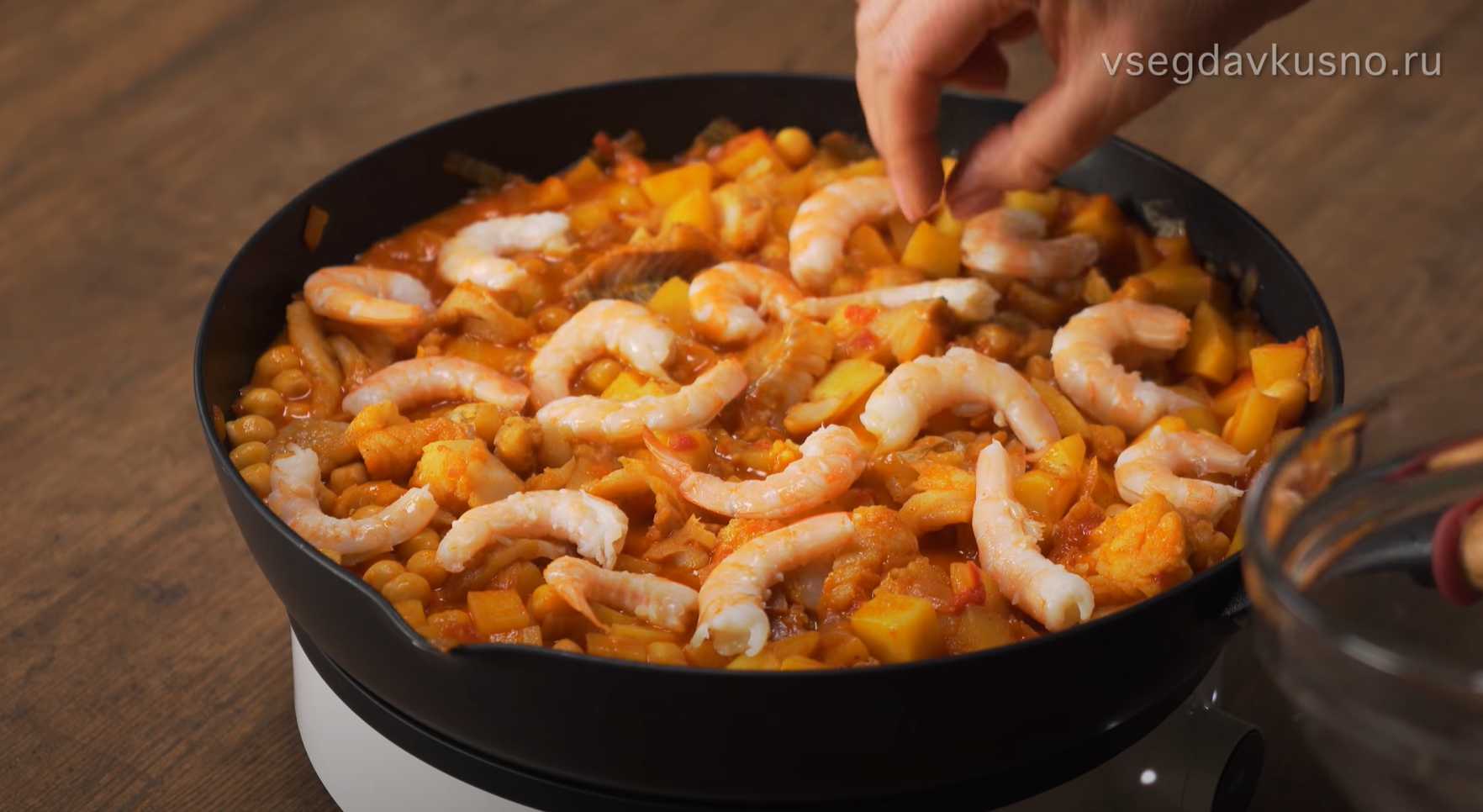 Place the shrimp on top of the dish and squeeze in the juice of half a lemon.
Step 12:
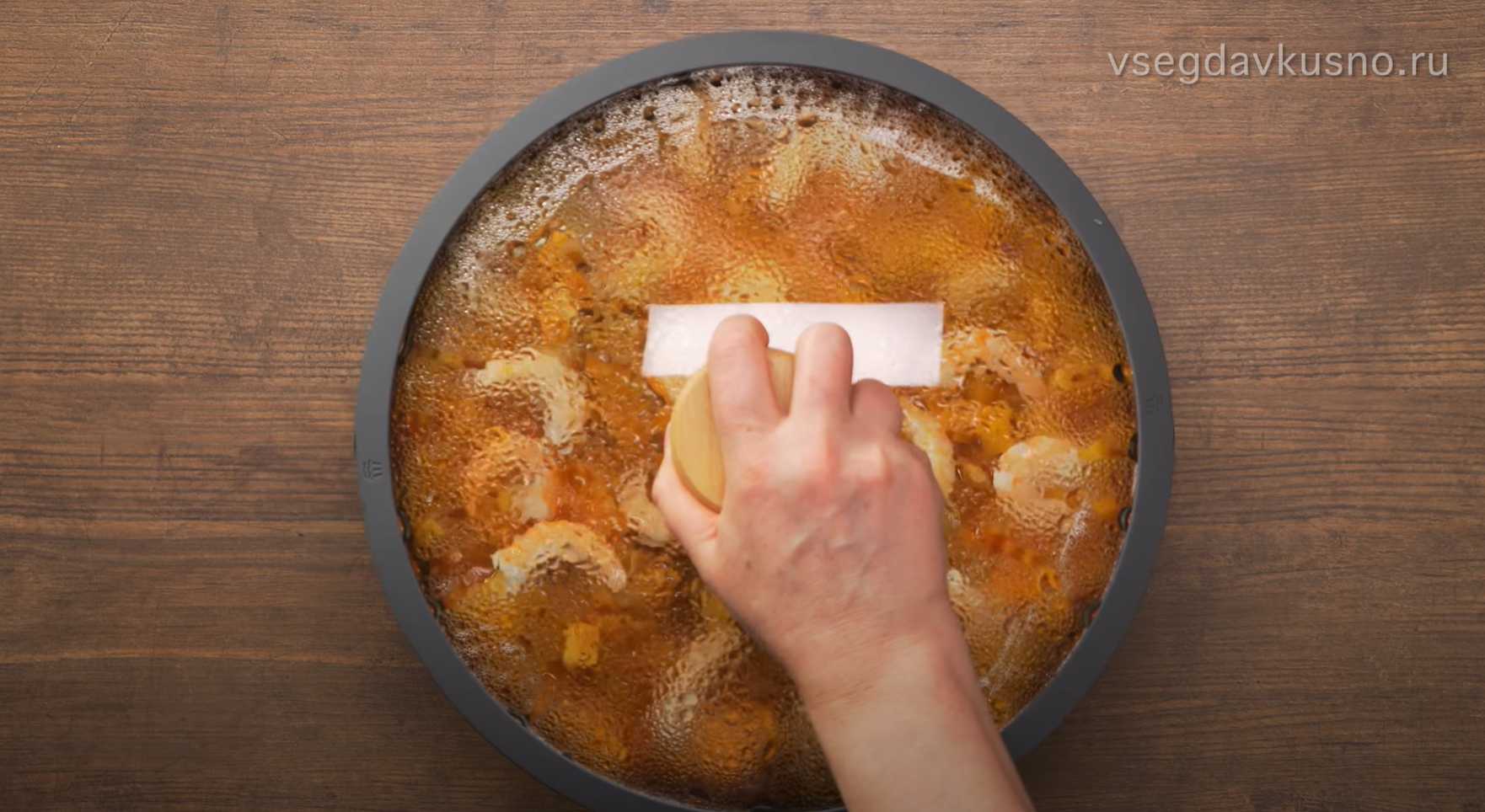 Cover the pan with a lid and cook for 3 minutes over low heat.
Step 13:
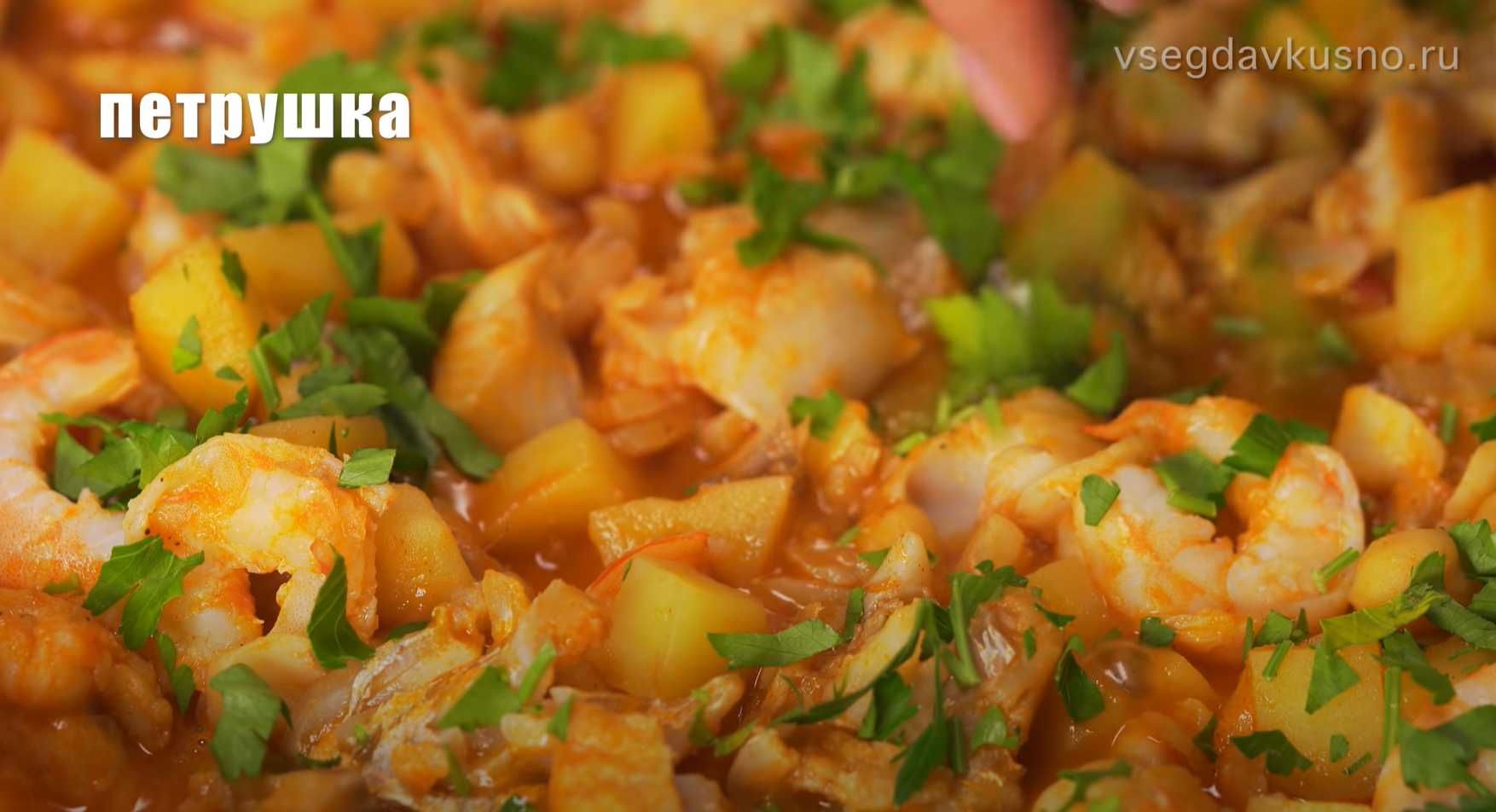 Stir, sprinkle with chopped parsley and serve.
Cooking tips
When grating lemon zest, use the smallest grater you can find and grate only the yellow part of the zest; the white part is bitter and can ruin the taste.
It's best to cook in a thick-walled pan; it distributes heat more evenly. Before adding the shrimp, peel them and remove their entrails.