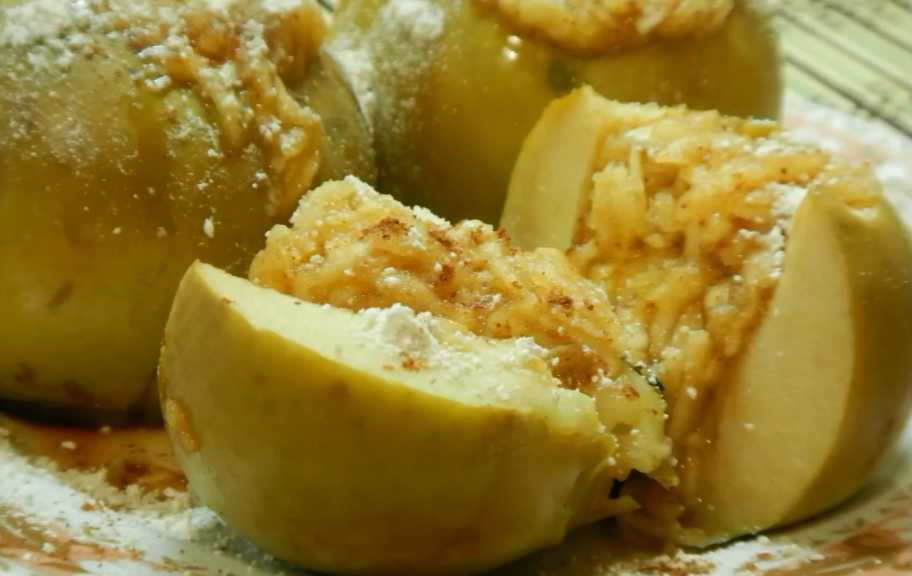
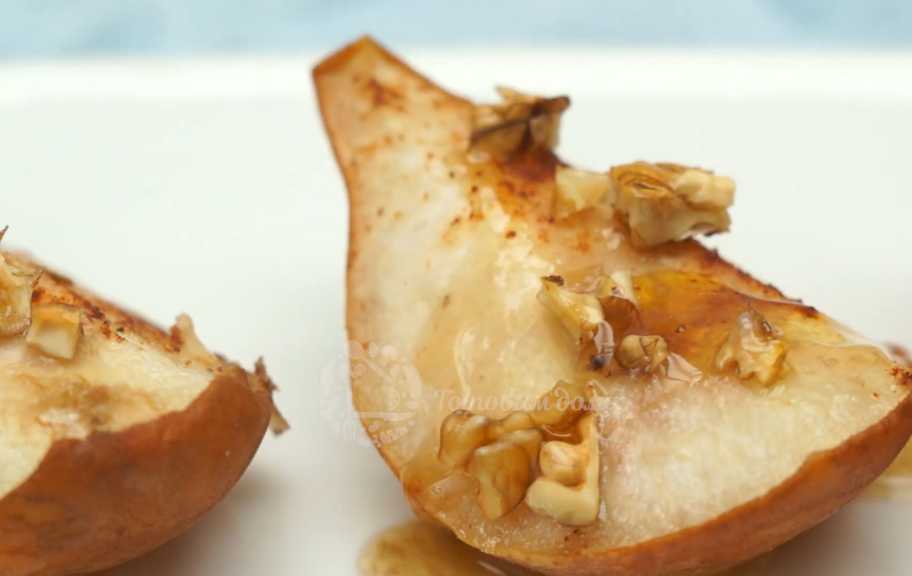
Baked quince with honey, cinnamon and cloves
Origin of the recipe
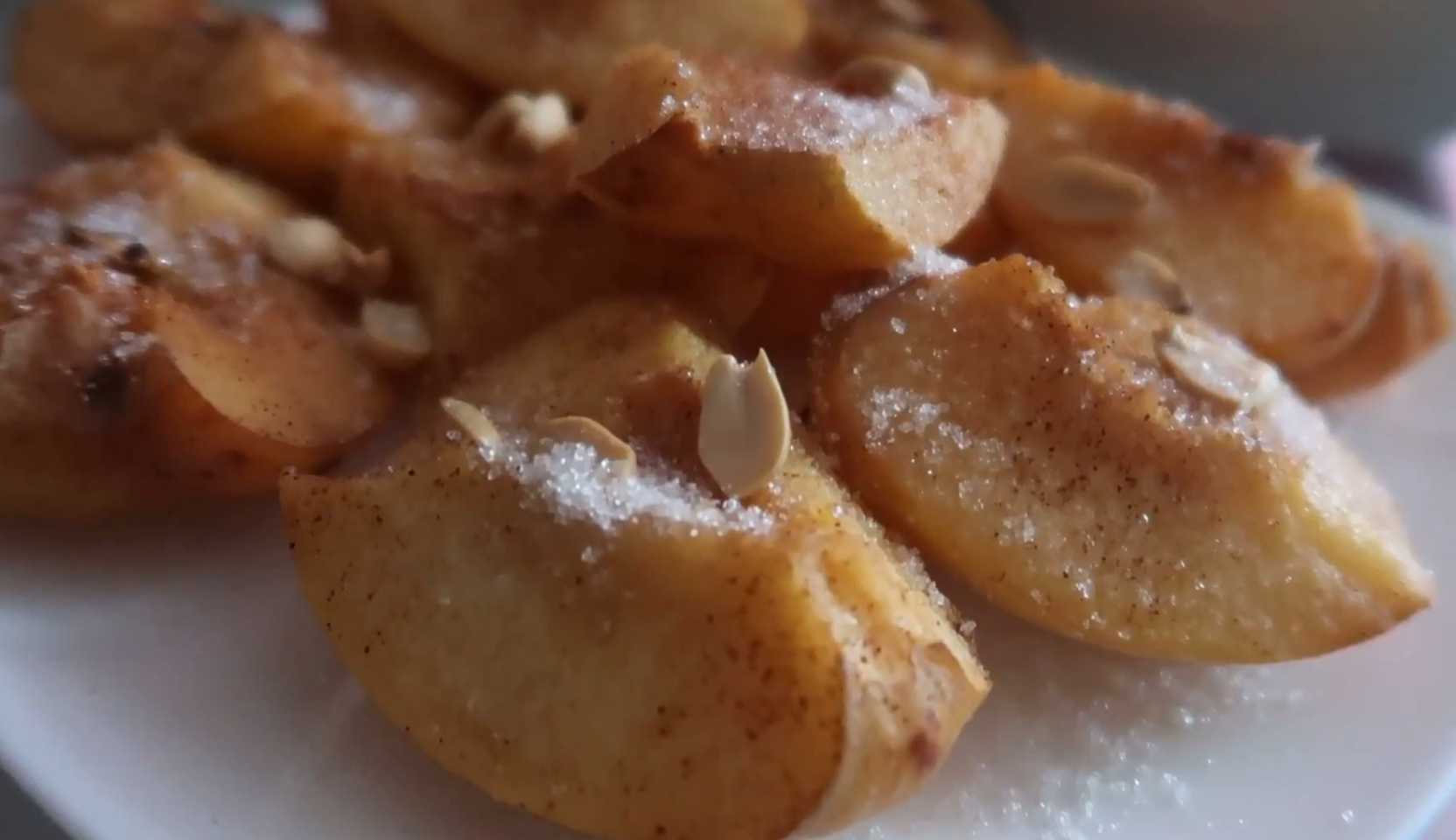
Quince is one of the oldest fruits, cultivated in the Middle East and the Mediterranean. Its firm, tart flesh requires cooking, so baking with honey and spices has become a classic way to bring out its sweetness. The recipe has its roots in the cuisines of Persia, Greece, and the Caucasus, where quince was prepared with cinnamon, cloves, and honey as a festive or medicinal dish—it was believed to improve health and provide warmth. In medieval Europe, this quince was served at court as a refined delicacy. Today, this dessert is prized for its rich aroma, naturalness, and cozy spiciness, perfect for autumn and winter.
What do you need for cooking?
Ingredients
-
Quince
-
Honey
-
Ground cinnamon
-
Carnation
-
Nuts
-
Water
Kitchen utensils
- Knife
- Board
- Spoon
- Baking dish
- Foil
Step-by-step recipe:
Step 1:
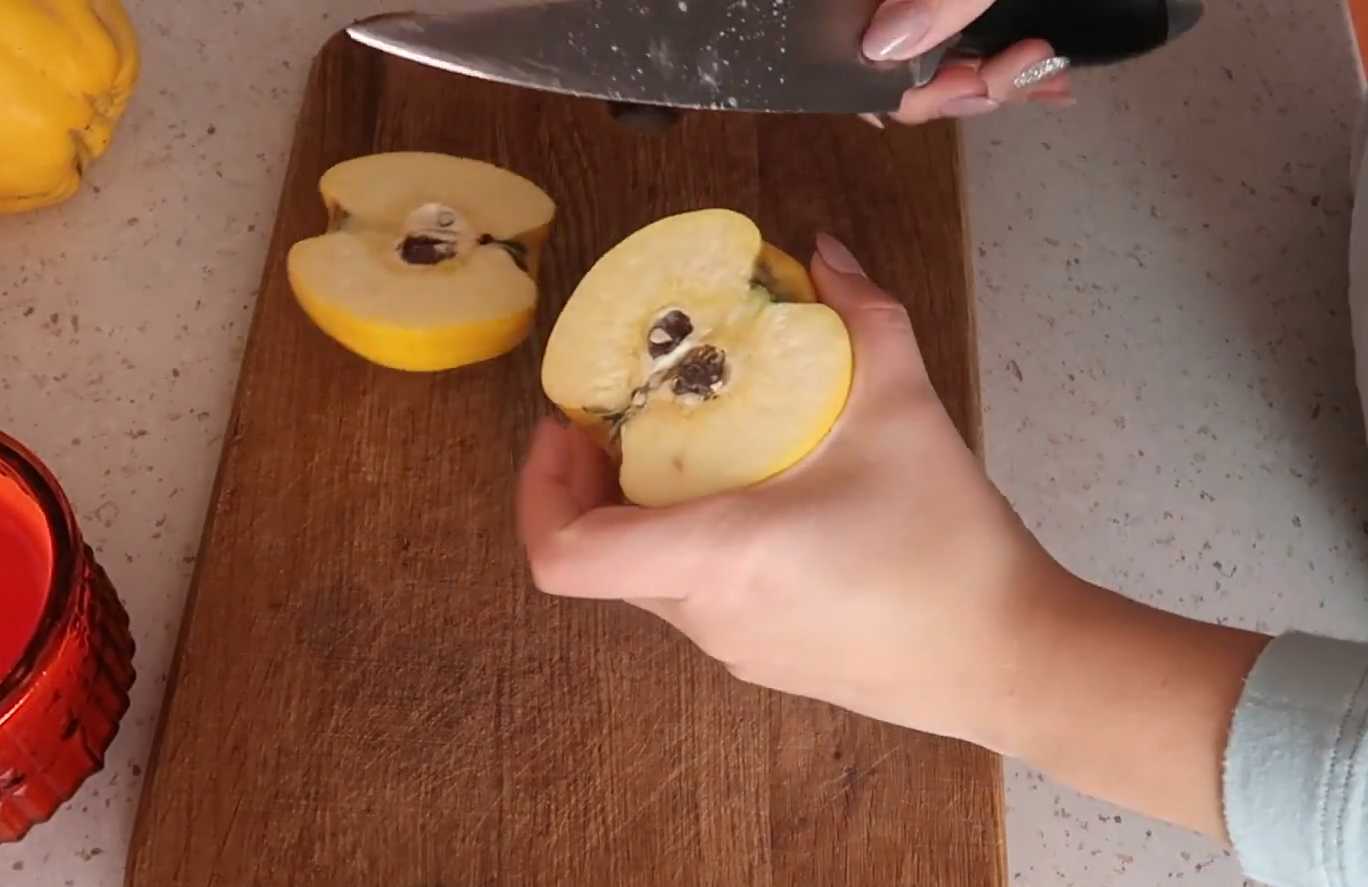 Prepare the quince: wash it thoroughly and dry it. Cut each quince in half and carefully remove the core and seeds. If the core doesn't come off easily, you can cut the quince into quarters and remove the core.
Step 2:
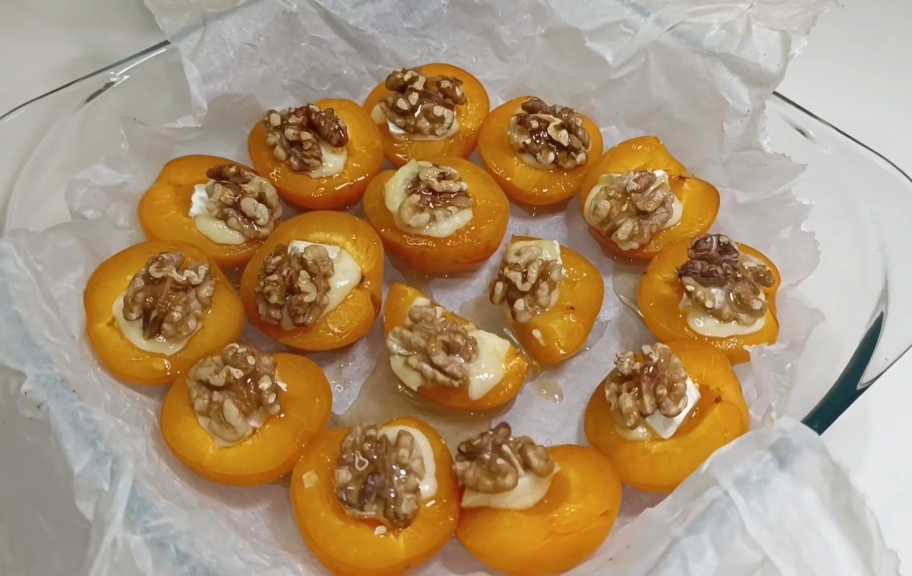
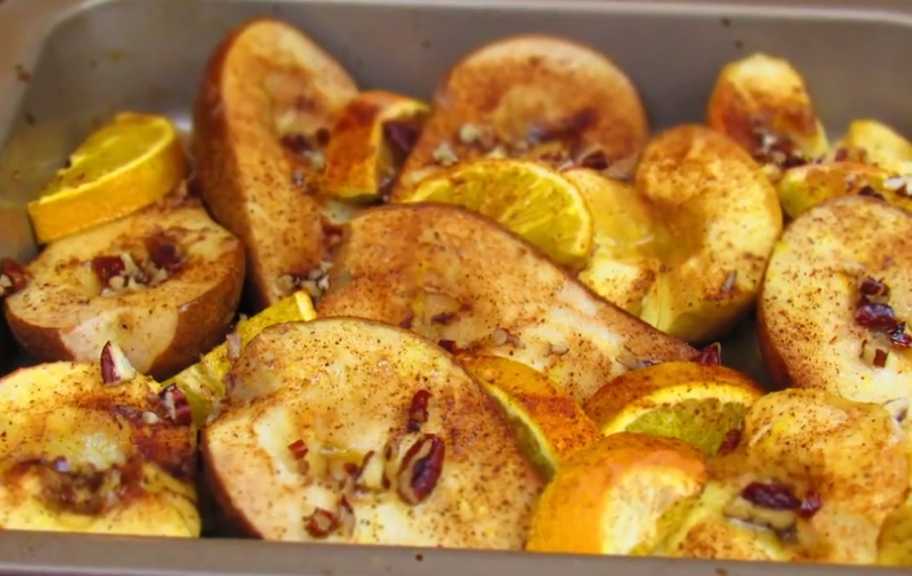
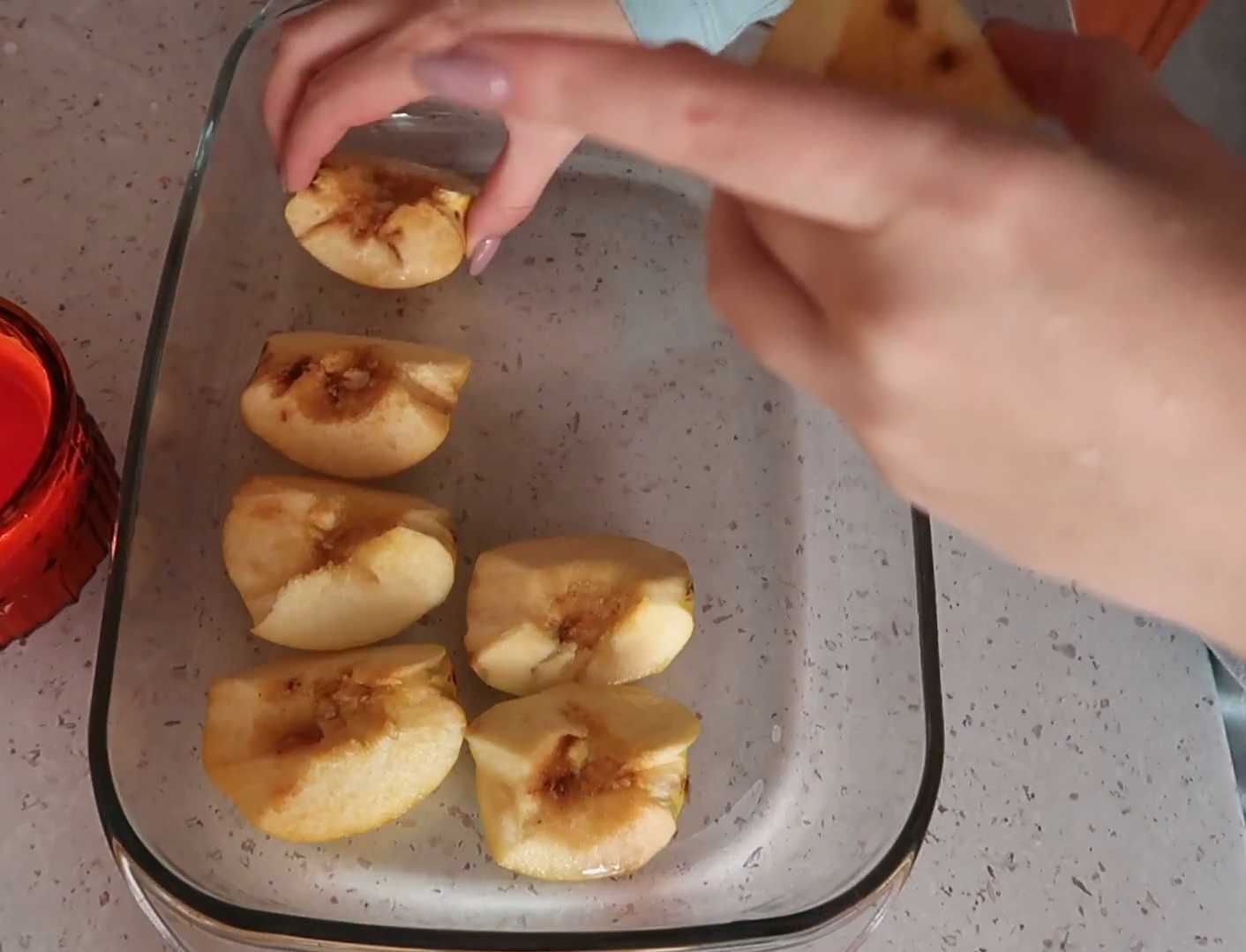 Arrange the quince: Place the quince halves in the baking dish, cut side up, close together.
Step 3:
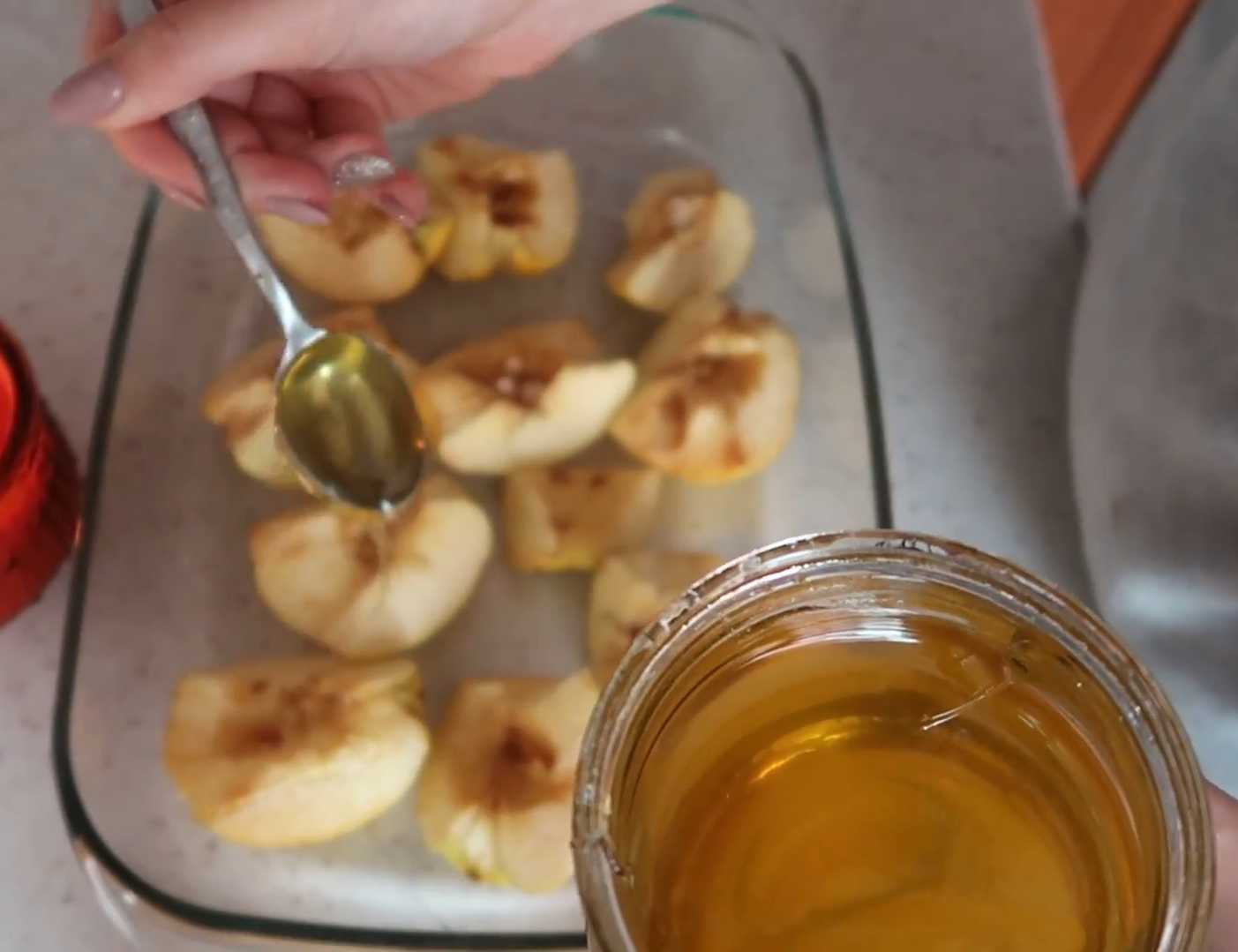 Drizzle with honey: Using a spoon, drizzle honey evenly over each quince half, making sure to coat each half.
Step 4:
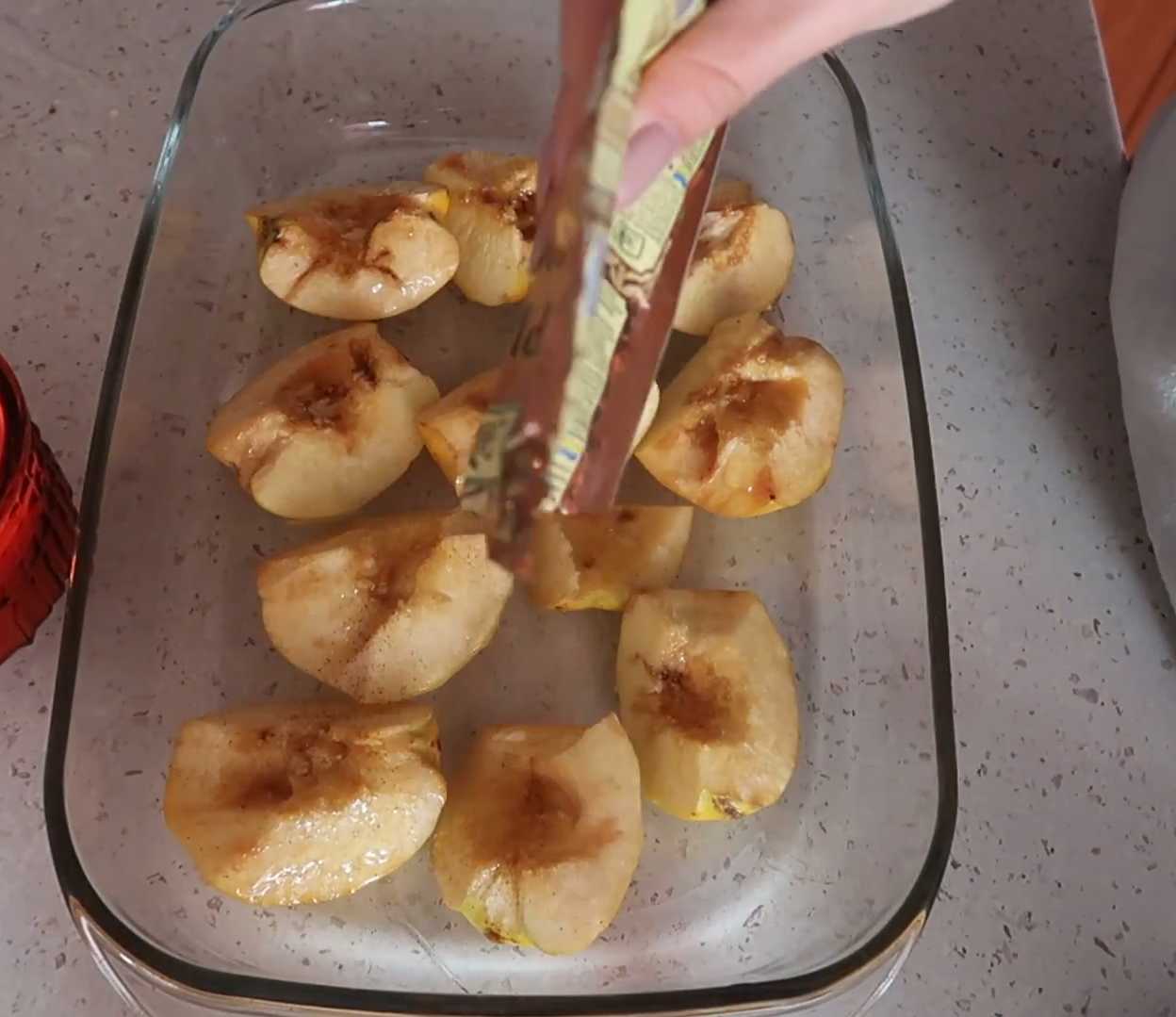 Sprinkle with cinnamon: Sprinkle the quince with ground cinnamon.
Step 5:
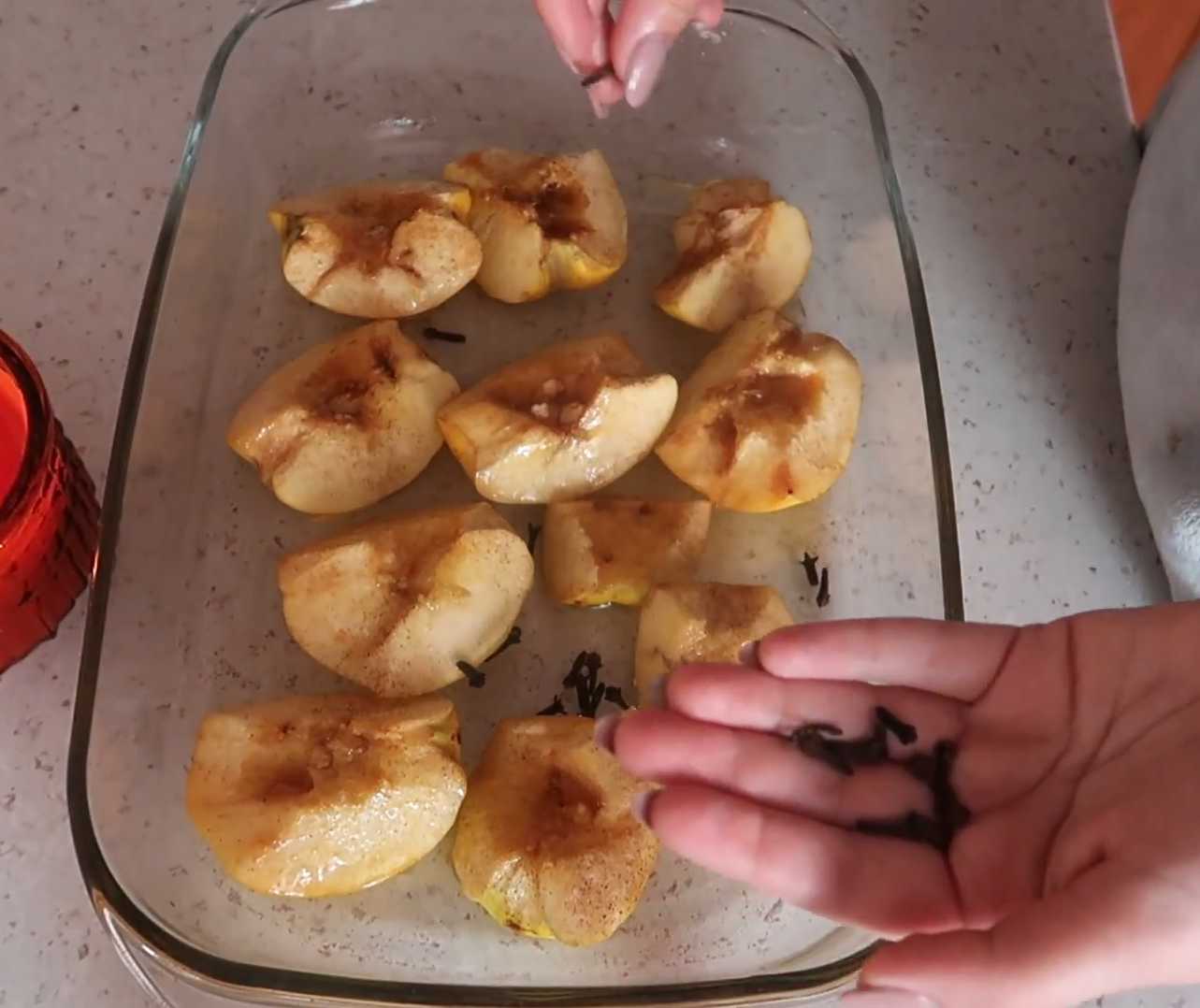 Add cloves: Place one or two cloves on each quince half.
Step 6:
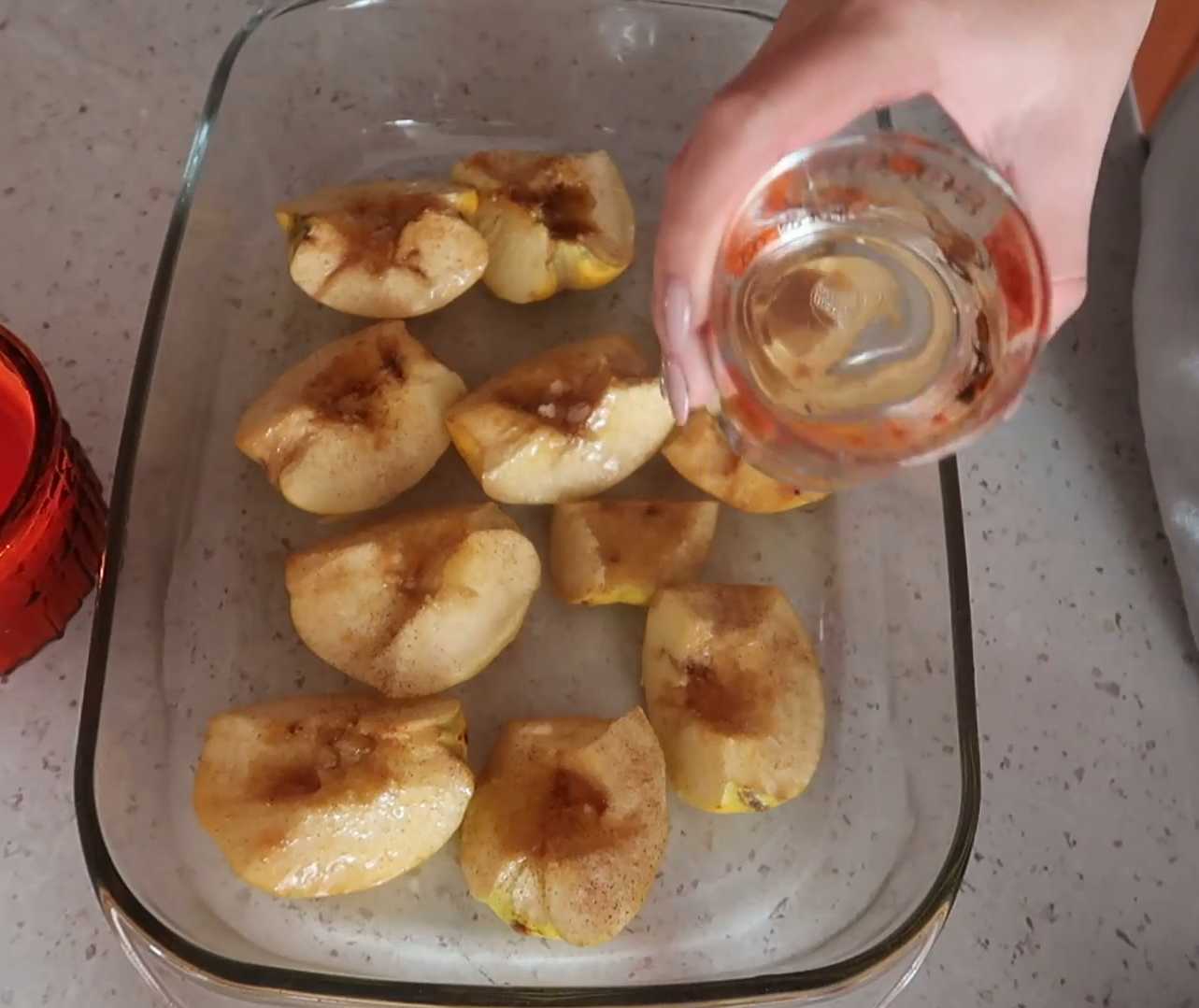 Add water: pour 50 ml of water into the pan to prevent the quince from burning and to make it soft.
Step 7:
 Cover the pan with foil so that the quince is steamed and does not dry out.
Step 8:
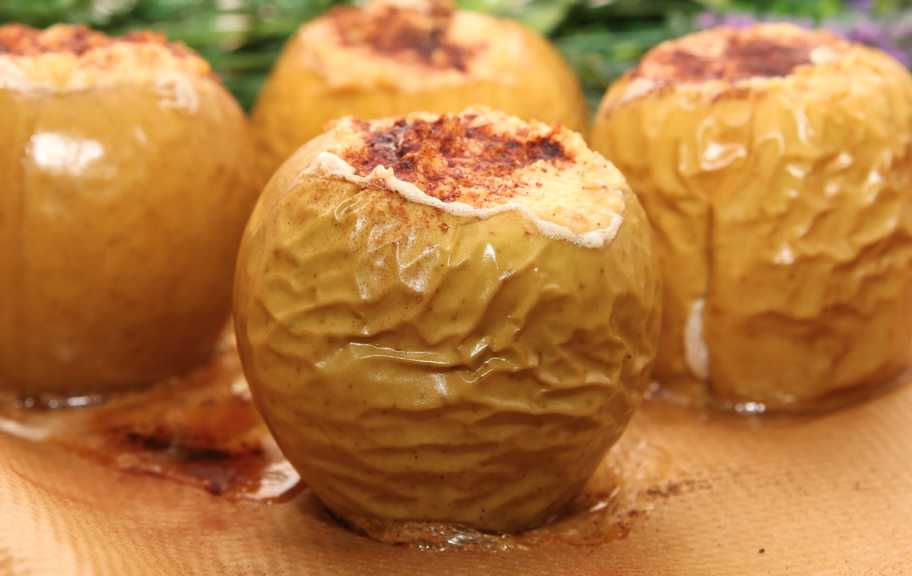
 Preheat the oven to 200°C. Place the quince in the oven and bake for approximately 90-120 minutes, until the quince is soft and golden brown.
Step 9:
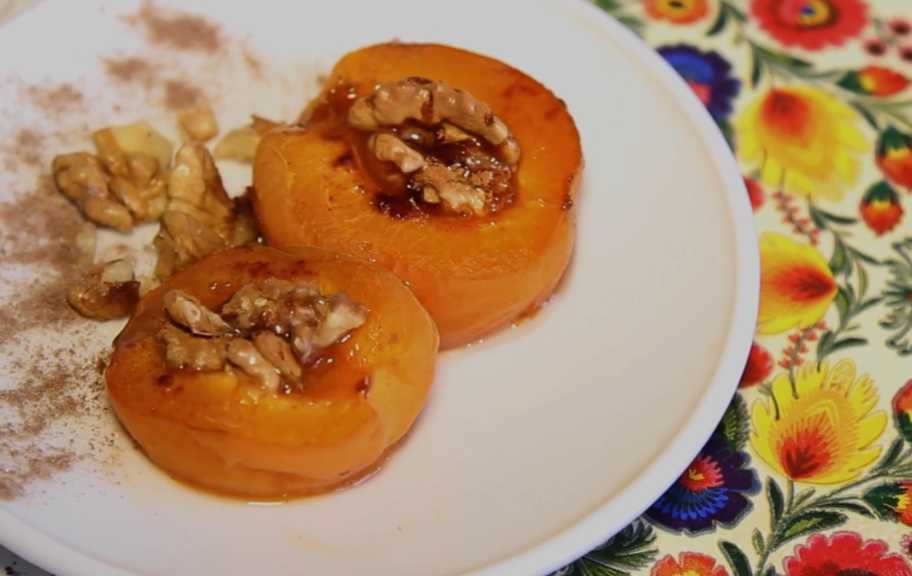
 To serve: Remove pan from oven, let cool slightly and serve warm or at room temperature.
Cooking tips:
Choose ripe but firm quince—it won't fall apart during baking and will retain its shape, while remaining soft and fragrant.
Be sure to peel the skin - most varieties have a tough, bitter taste, although it can be edible when cooked (if desired).
Remove the core completely - use a knife or a core remover to remove the seeds and tough membranes.
Sprinkle with lemon juice—this will prevent the fruit from browning and add a slight tartness to balance the sweetness of the honey.
Don't overdo it with cloves—2–3 buds per serving is enough: their aroma is very rich and can drown out other flavors.
Add honey twice: some before baking (for soaking), some after (for a fresh floral aroma).
Let it sit for 10–15 minutes after baking – this way the quince will absorb the syrup and become even more tender, and the flavors will be more harmonious.