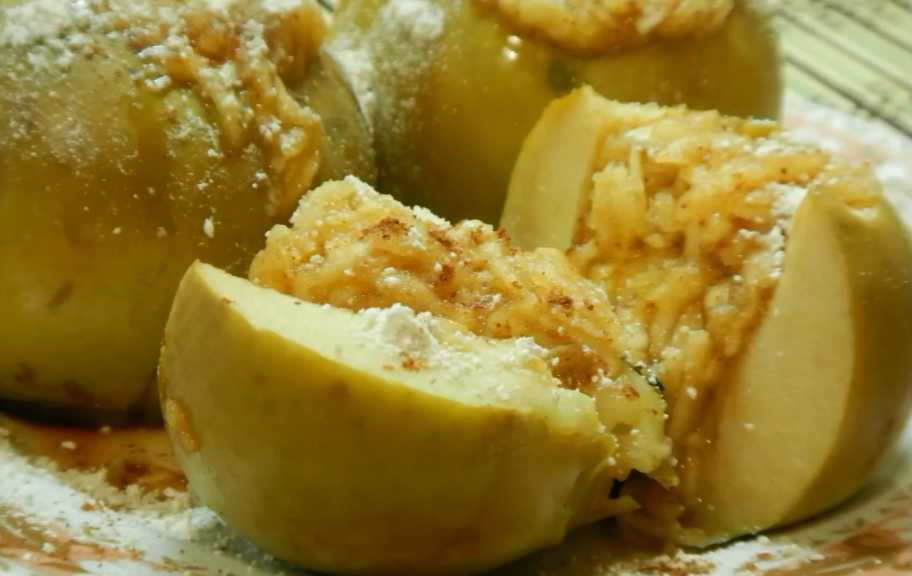
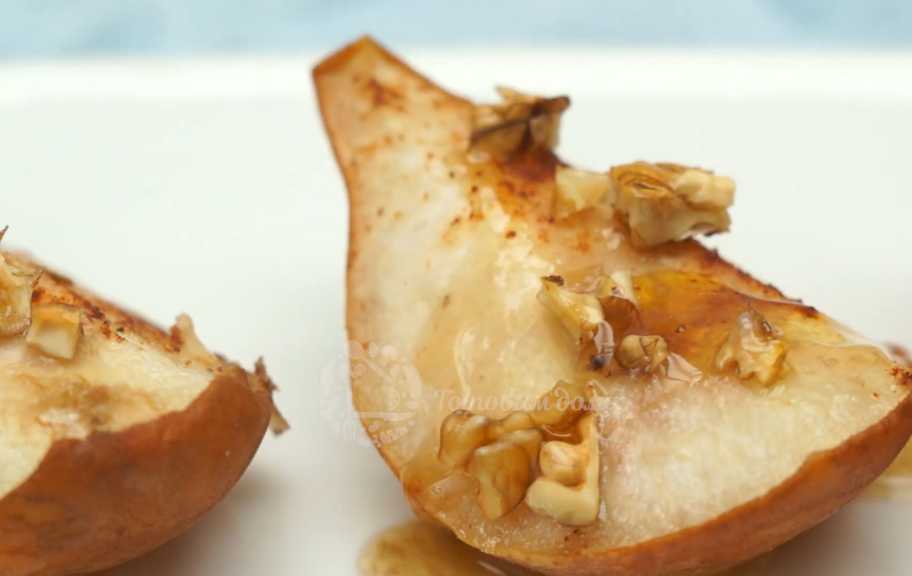
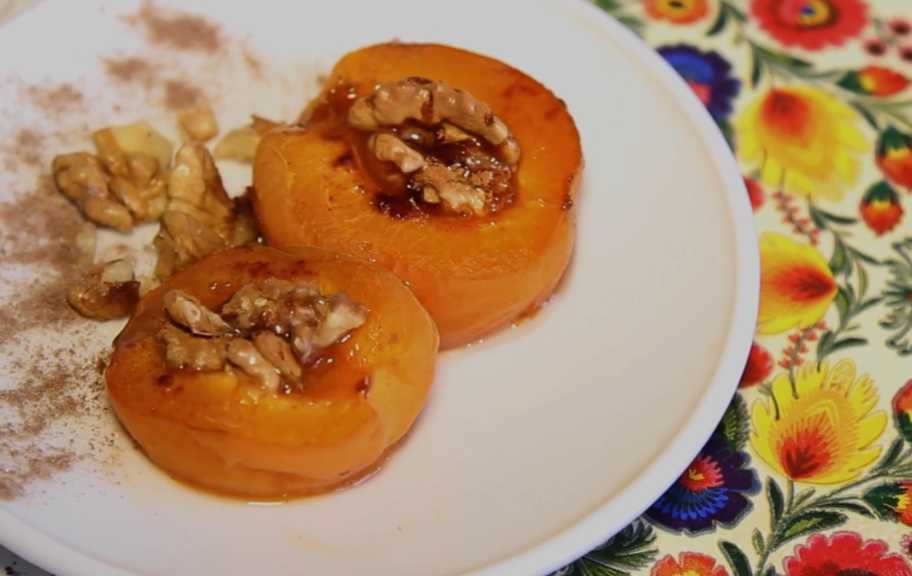
Baked quince with honey and nuts
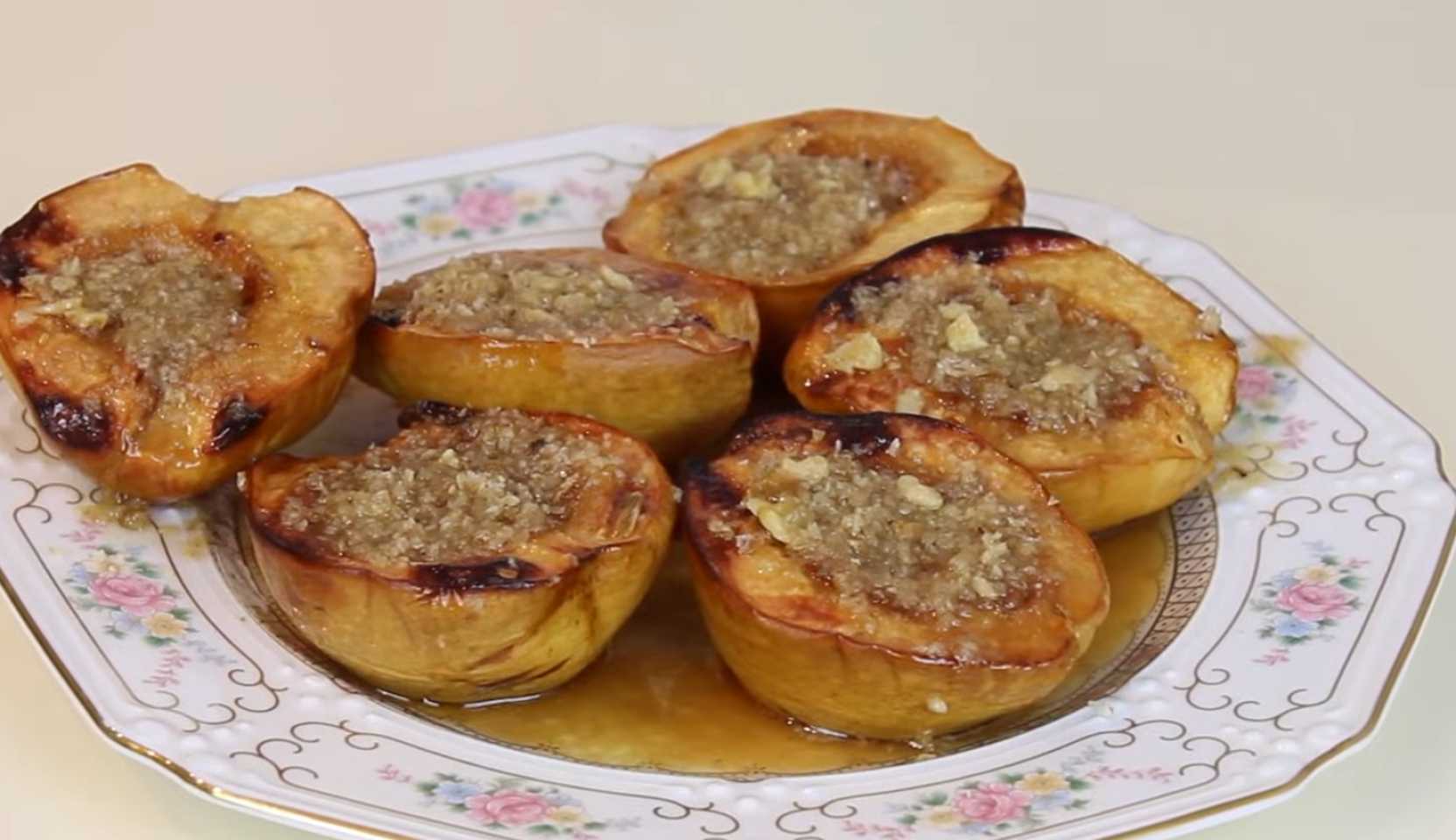
Origin of the recipe
Quince is one of the oldest fruits, cultivated as far back as Mesopotamia and Ancient Greece. In the cuisines of the Caucasus, Central Asia, and the Middle East, it was traditionally prepared with honey, considered both a festive and healing dish. Nuts—especially walnuts and almonds—were added later for texture and nutrition, transforming the simple baked treat into a full-fledged dessert. This dish was often served after a hearty meal or as a treat during the colder months, when "inner warmth" was needed. Today, baked quince with honey and nuts remains a popular choice in seasonal and natural cuisine, combining a rich history, beneficial properties, and a cozy flavor.
What do you need for cooking?
Ingredients
-
Butter
-
Brown sugar
-
Quince
-
Lemon
-
Walnuts
Kitchen utensils
- Knife
- Board
- Spoon
- Plate
- Baking dish
- Forceps
- Foil
Step-by-step recipe:
Step 1:
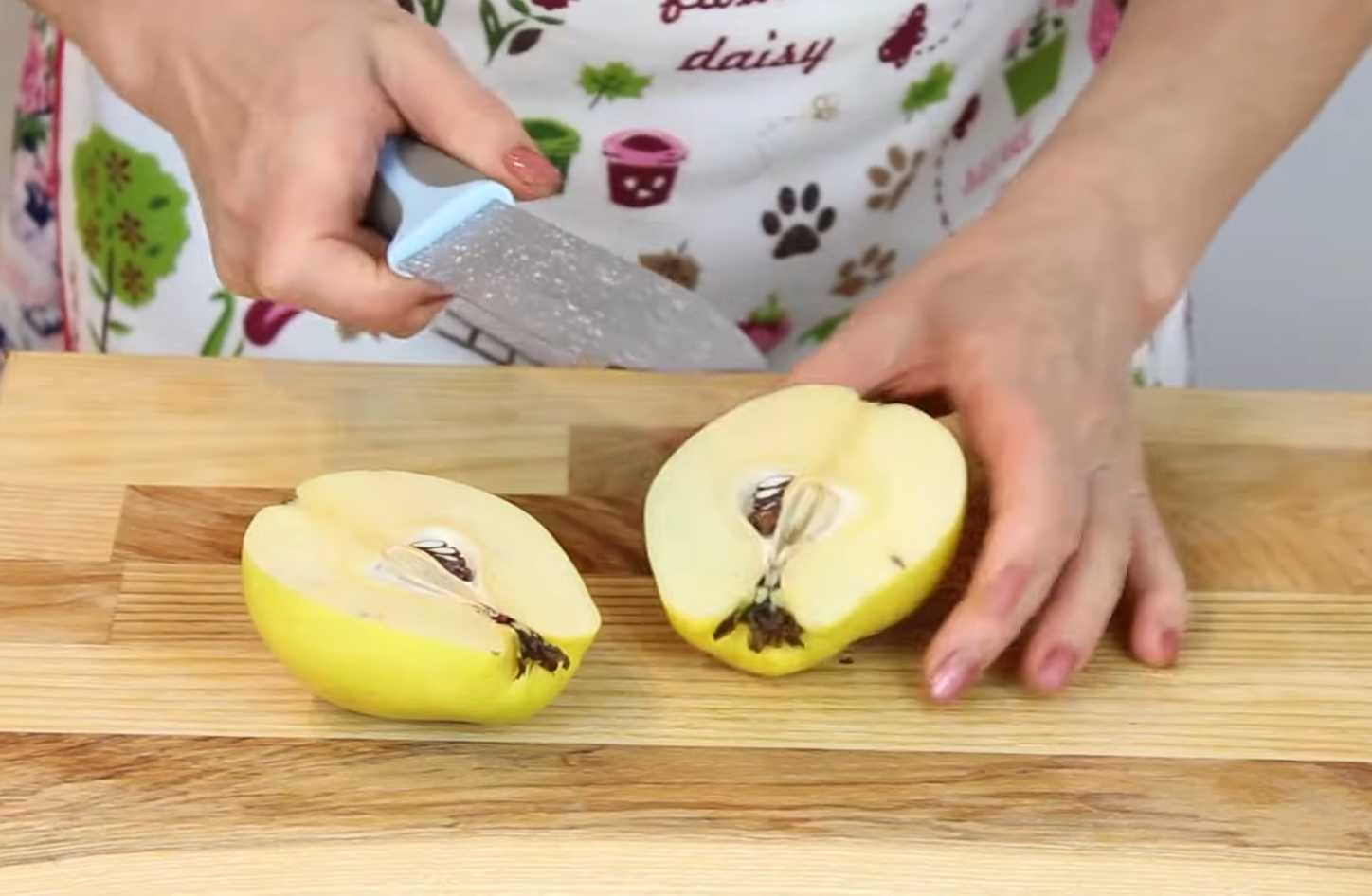 Prepare the quince: wash the fruits, cut each in half and carefully remove the core with seeds using a spoon or a special knife.
Step 2:
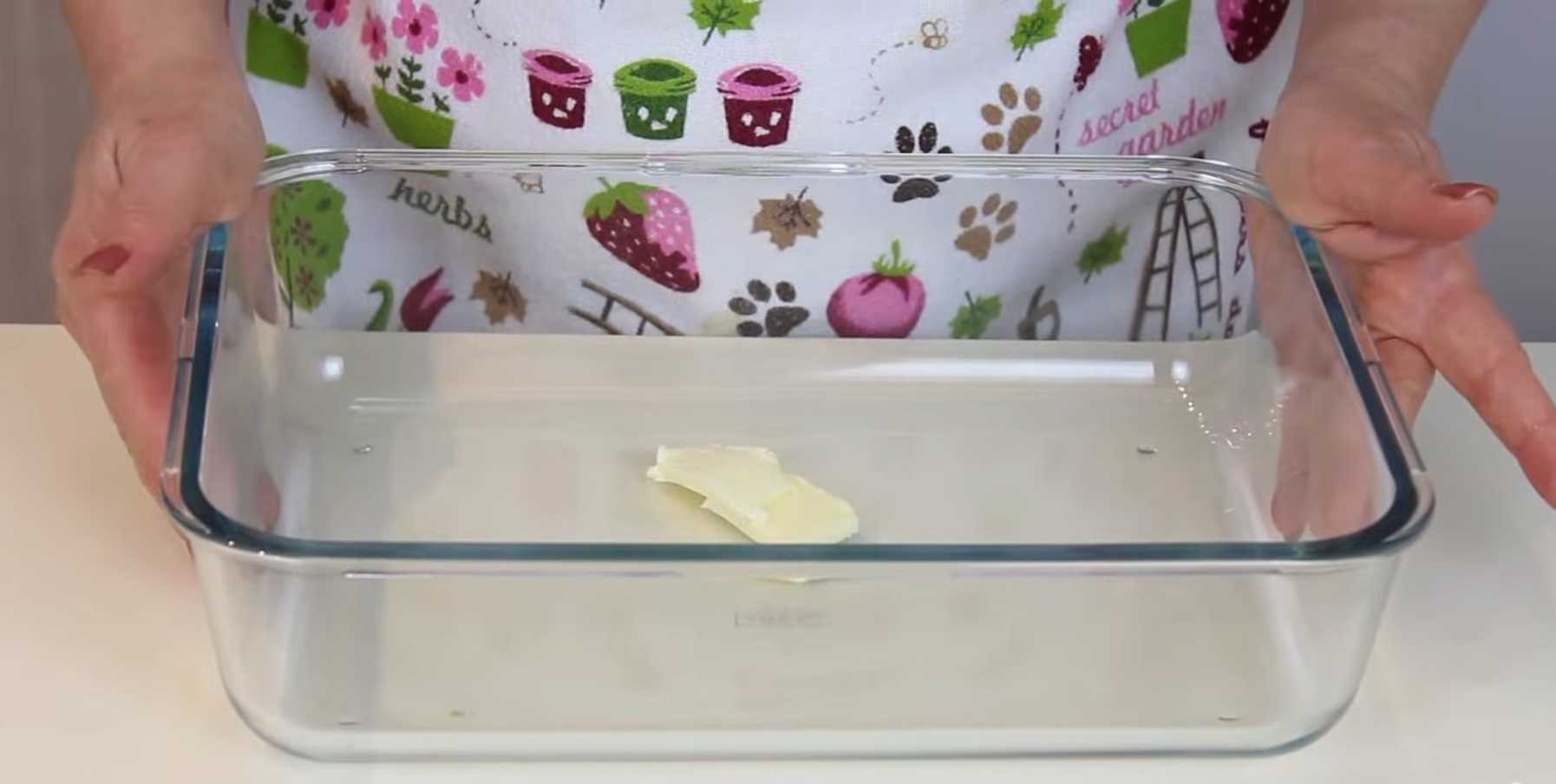 Grease the bottom and sides of an ovenproof dish with butter, spreading it evenly with your hands.
Step 3:
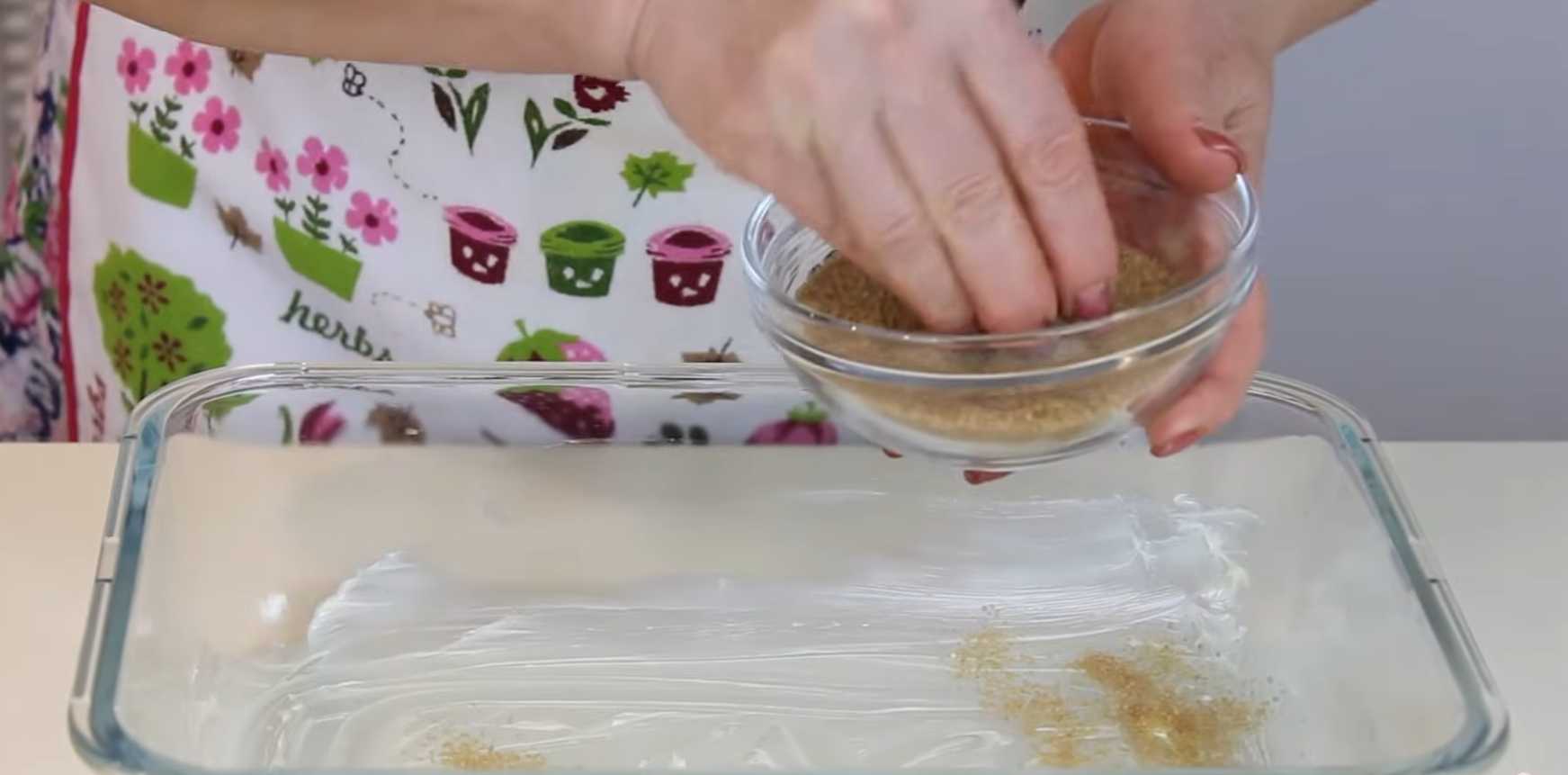 Sprinkle the bottom of the pan with brown sugar, again using your hands to spread it over the entire surface.
Step 4:
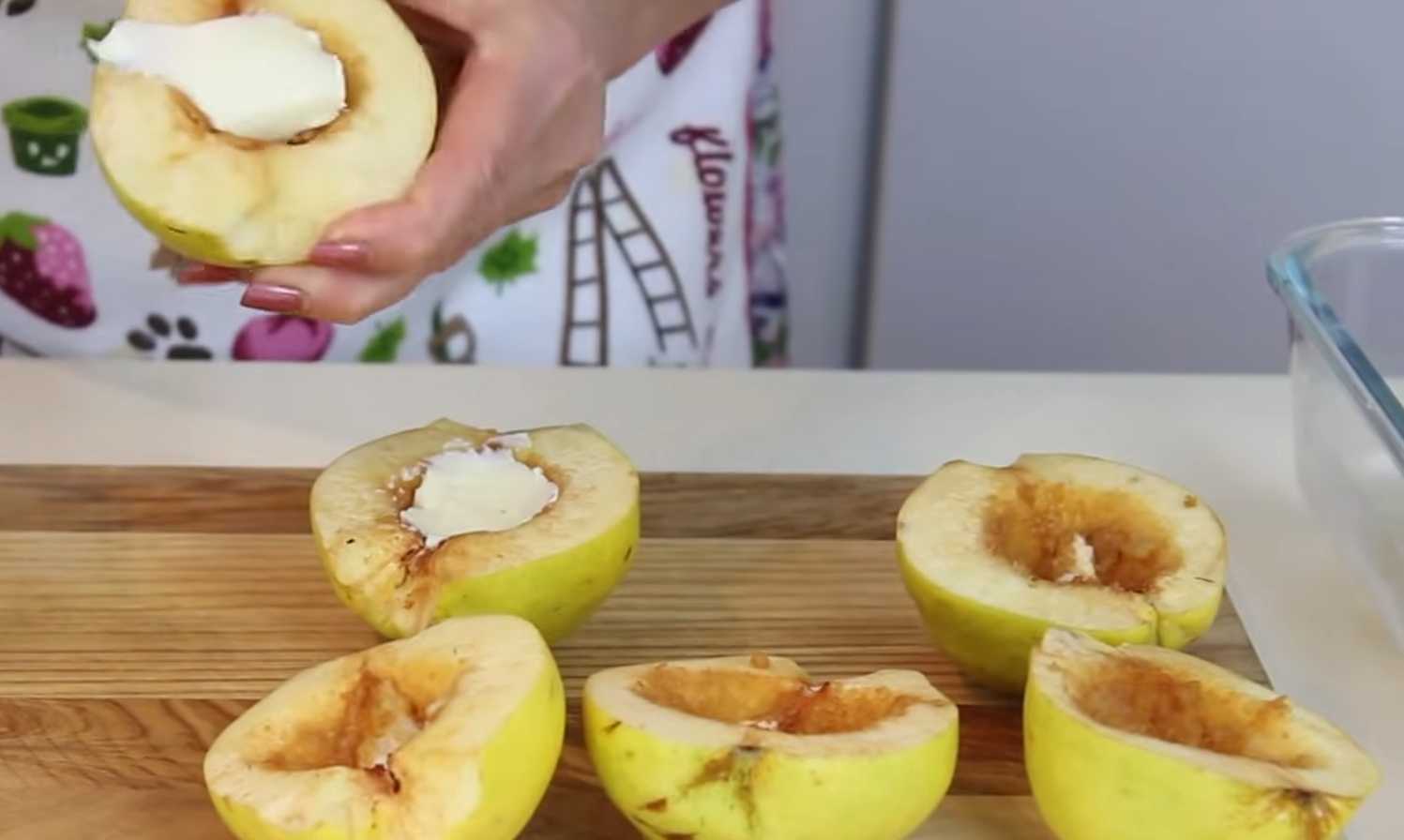 Stuff each quince half: place a piece of butter inside (about 8-10 g per half).
Step 5:
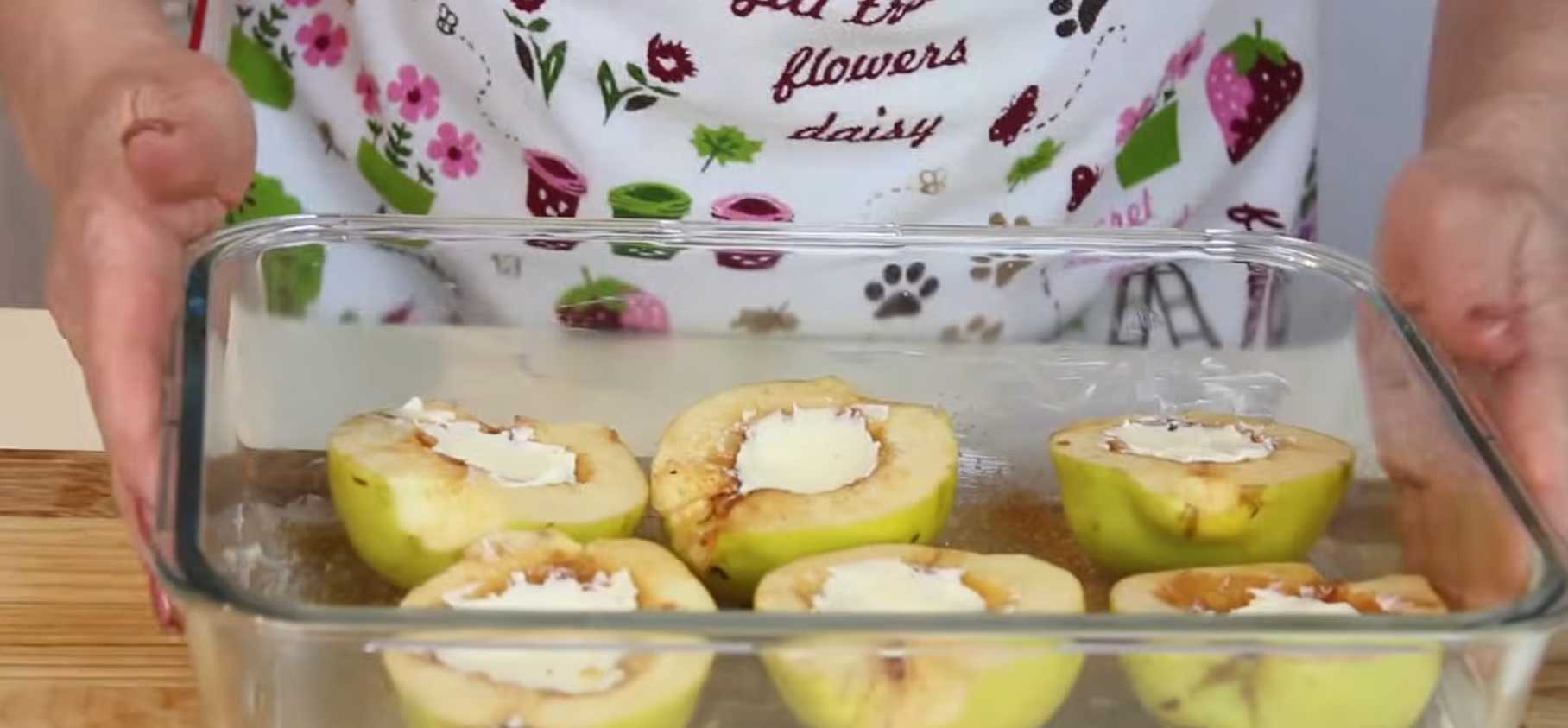 Place the prepared quince halves in the pan, pulp side up.
Step 6:
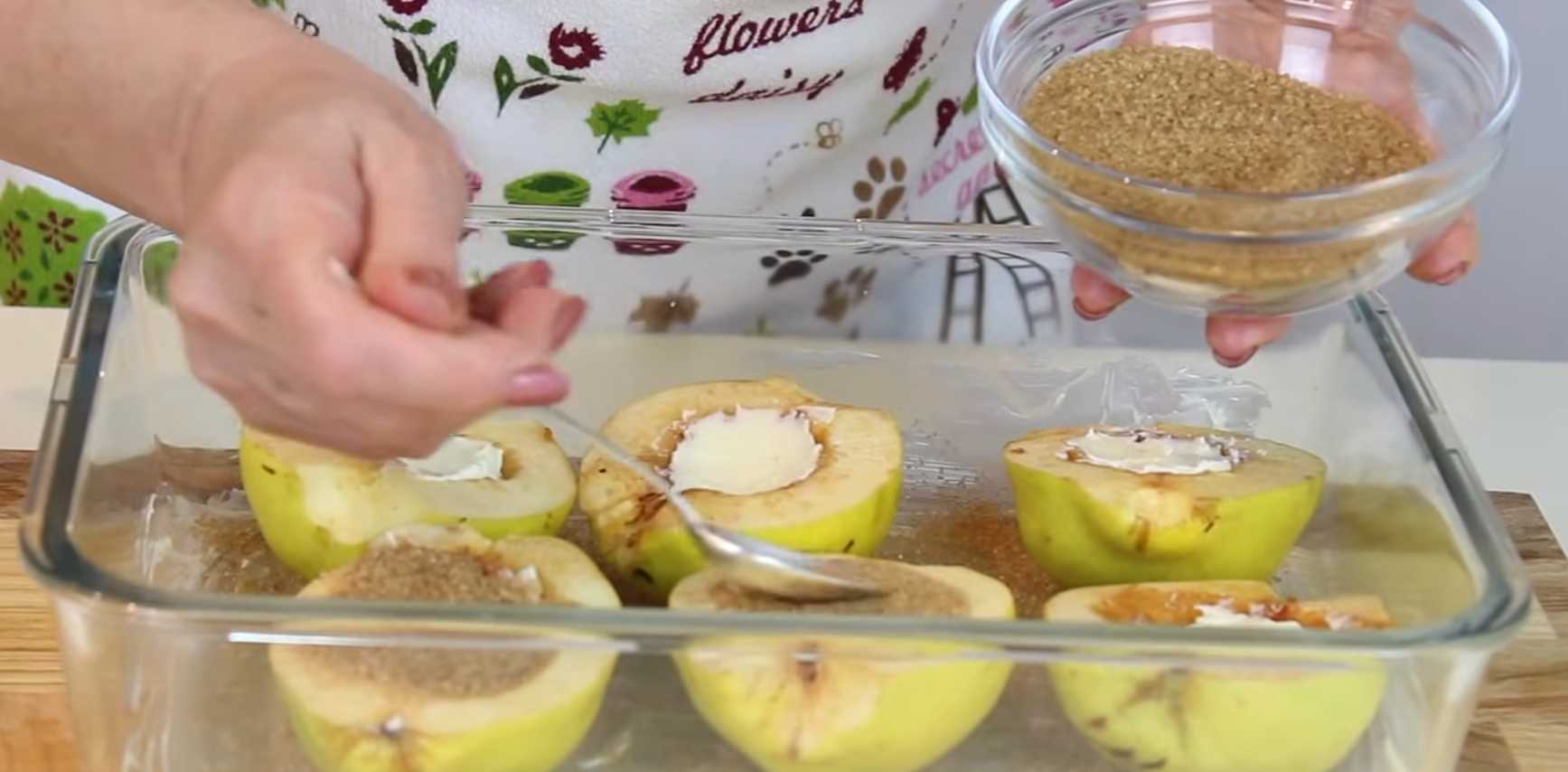 Sprinkle the top of each quince half with brown sugar, using a spoon to spread it evenly.
Step 7:
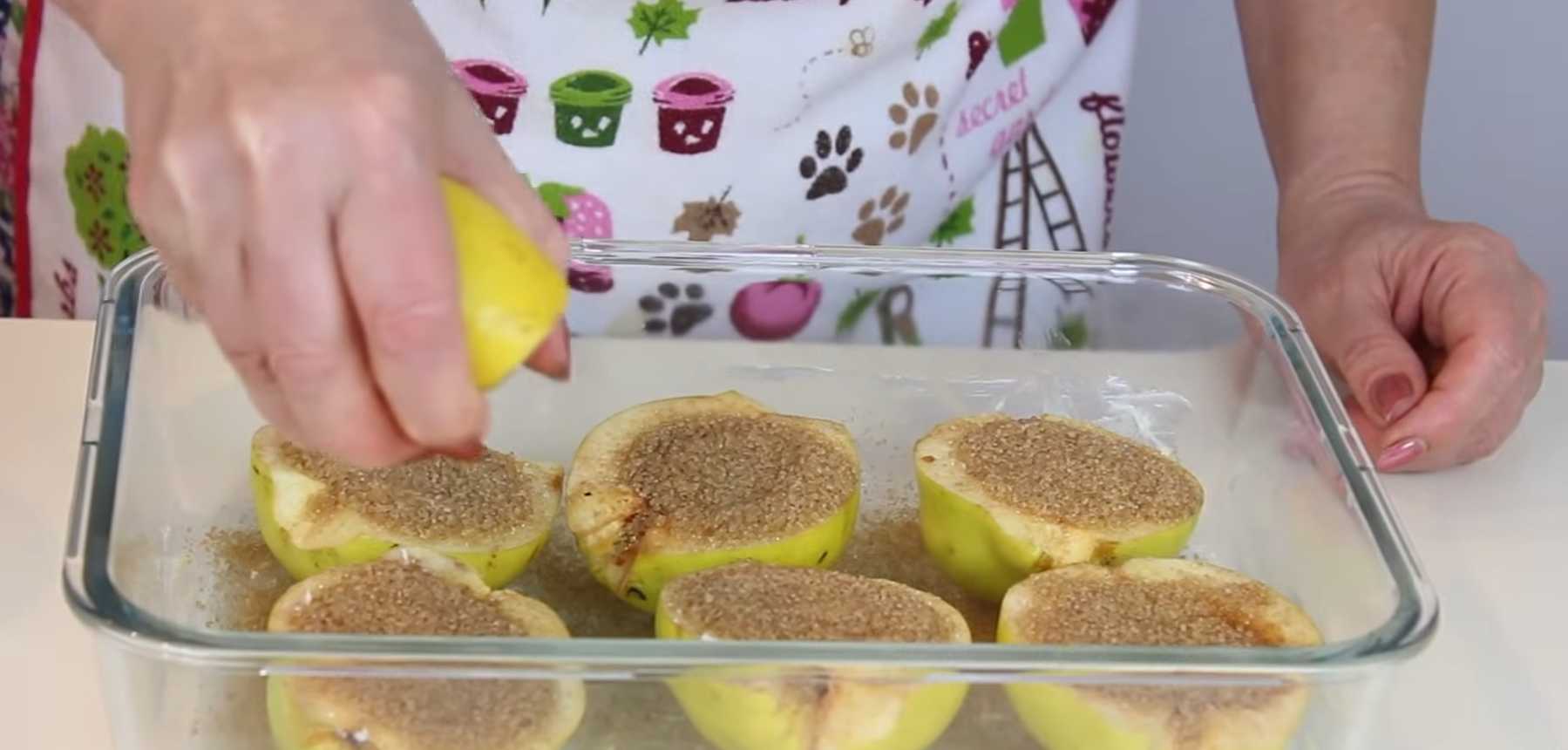 Squeeze the juice of one lemon and pour it evenly over all the quince halves in the pan.
Step 8:
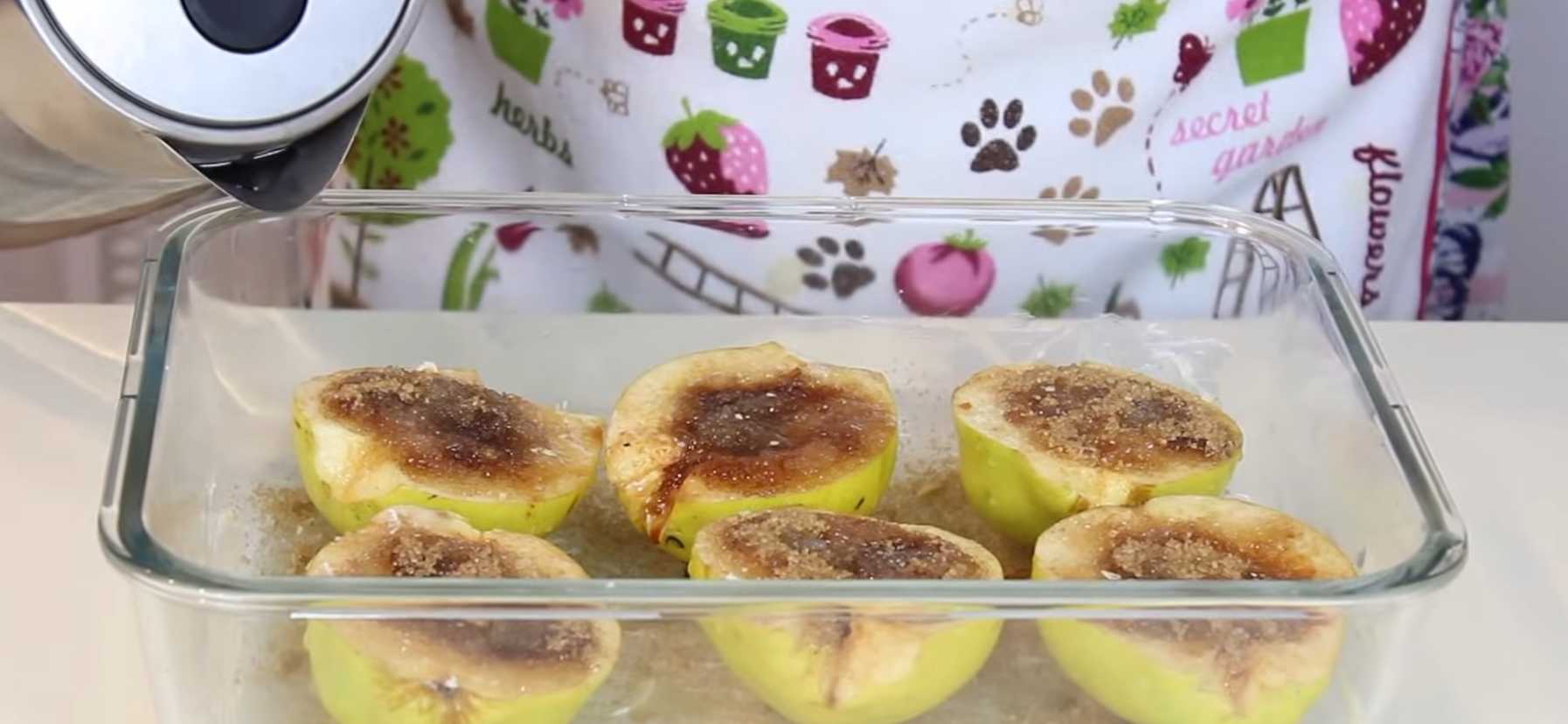 Pour hot water into the pan so that it covers the bottom by 1-2 cm, creating a steam bath.
Step 9:
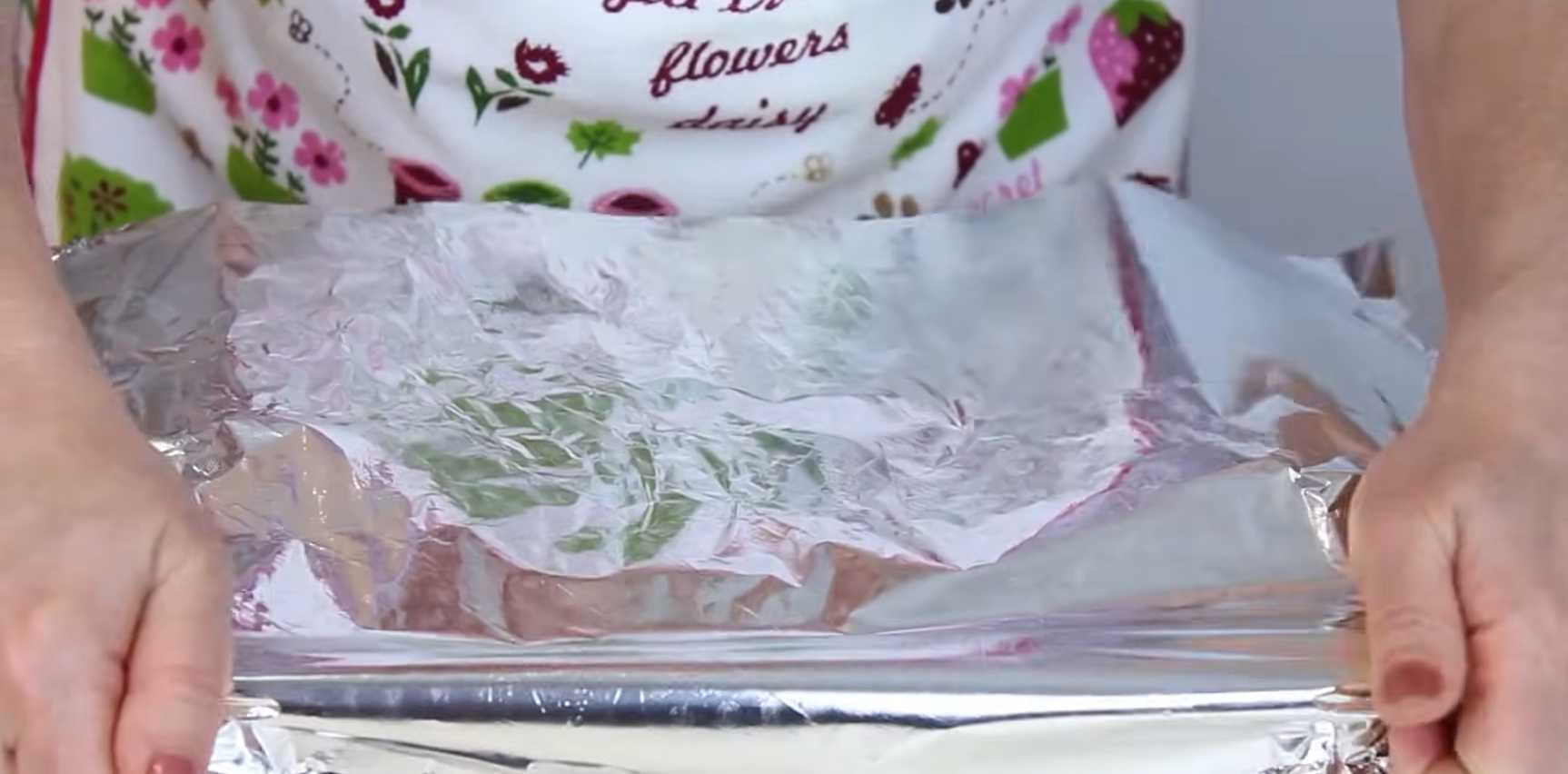 Cover the pan tightly with foil, securing it well around the edges to prevent steam from escaping.
Place the pan in a preheated oven at 180°C and bake for 20 minutes until the quince is soft and golden.
Step 10:
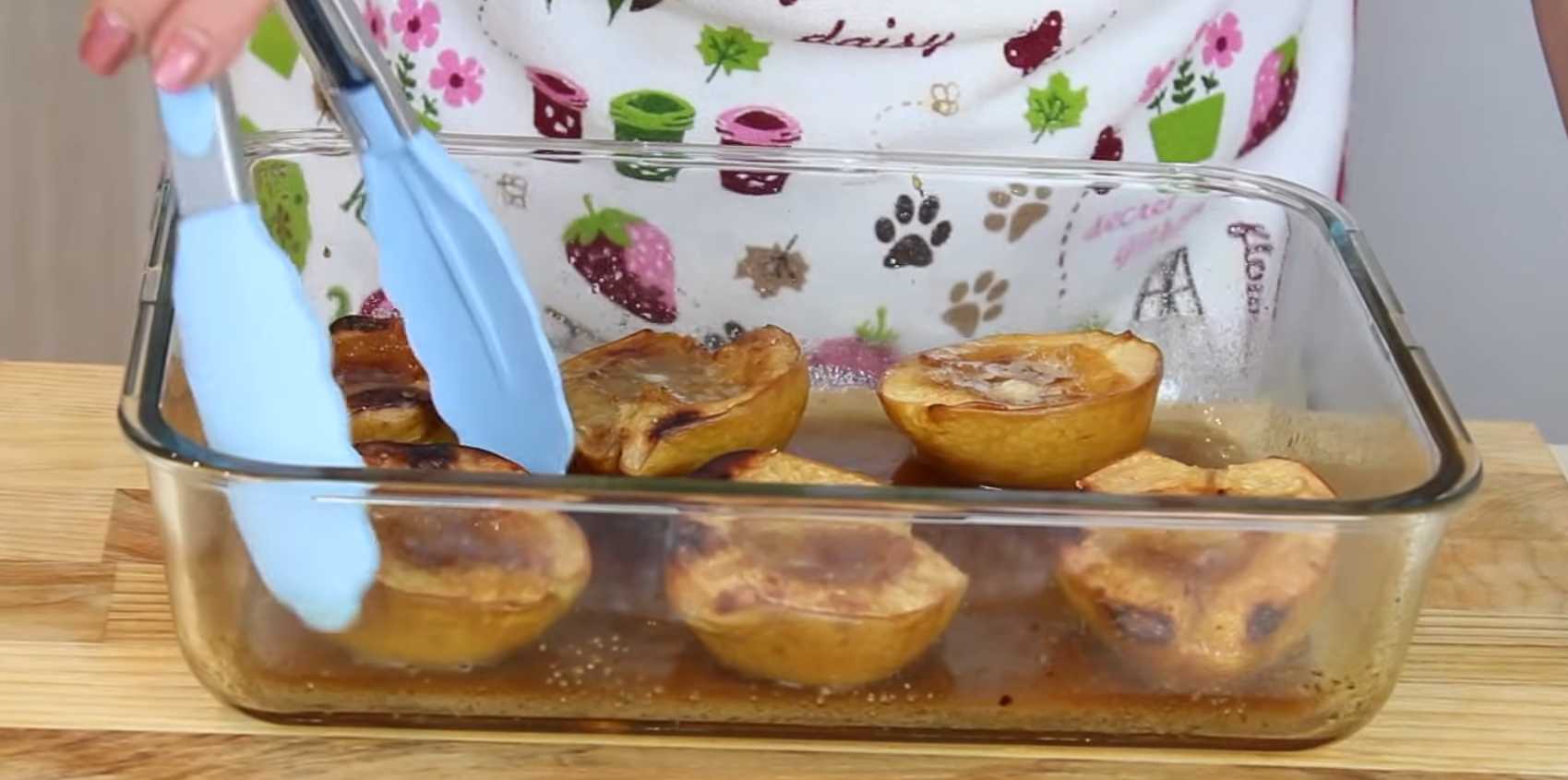 Remove the pan from the oven, carefully remove the foil, and bake for another 20 minutes. Then remove from the oven.
Step 11:
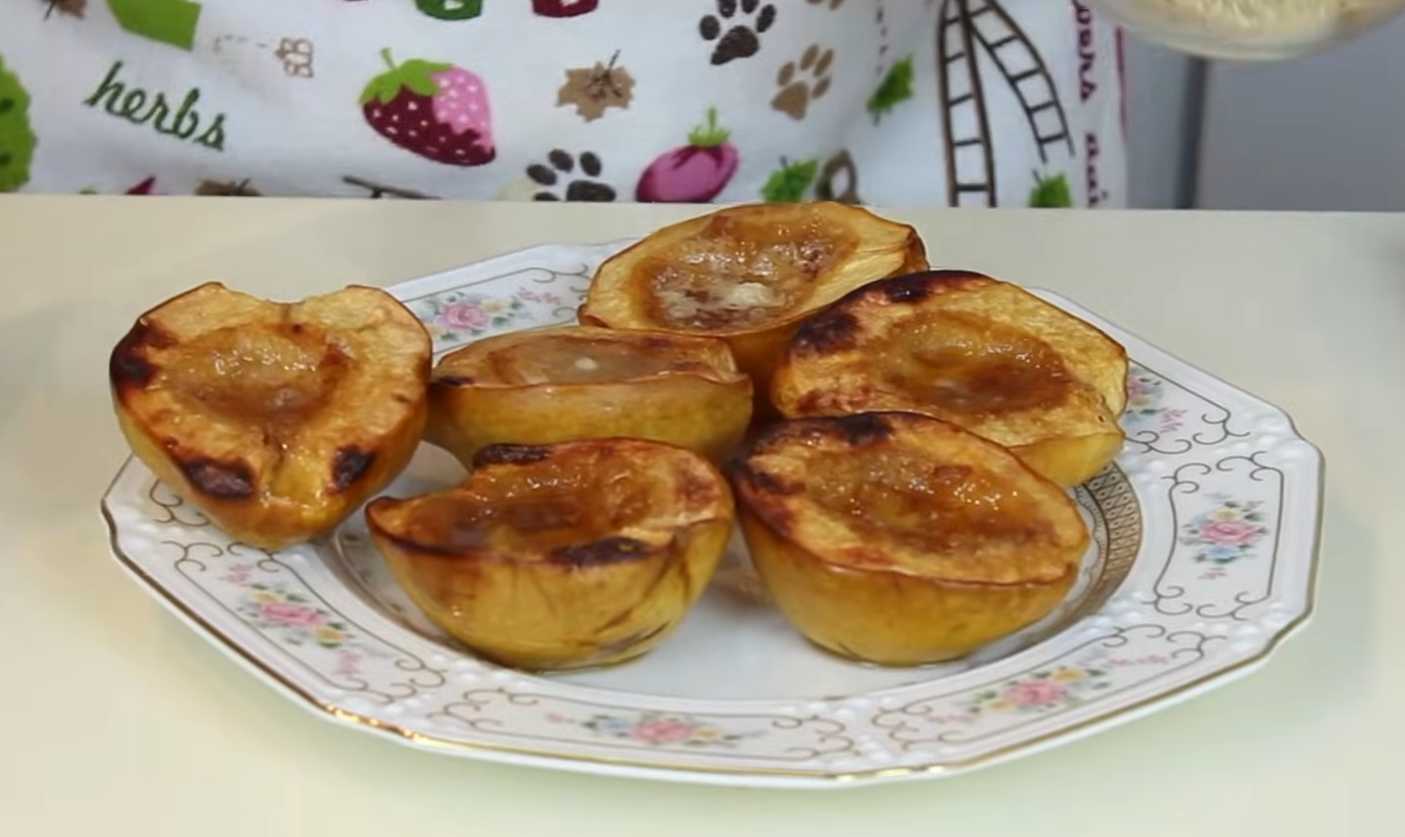 Carefully transfer the baked quince to a plate using tongs.
Step 12:
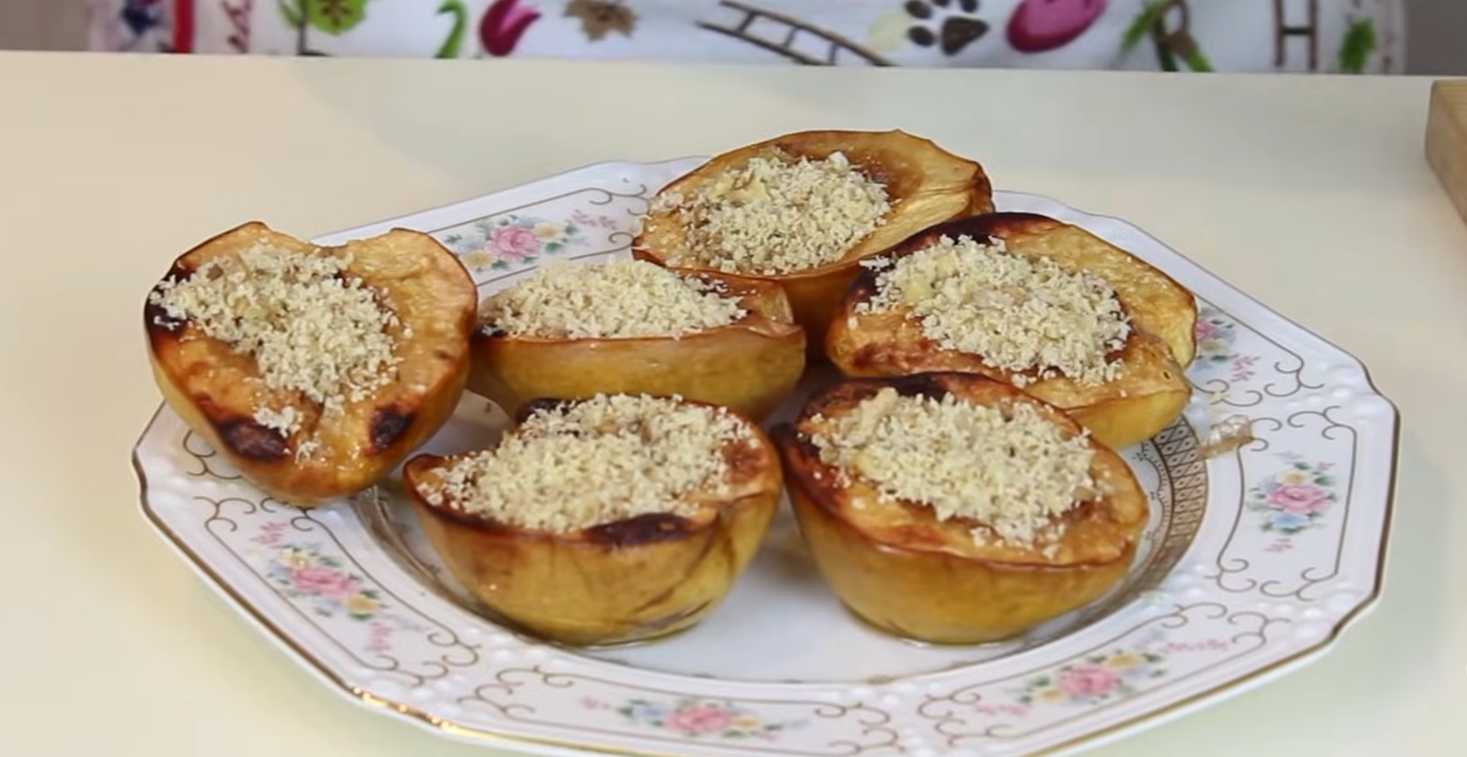 Sprinkle each half with chopped walnuts.
Step 13:
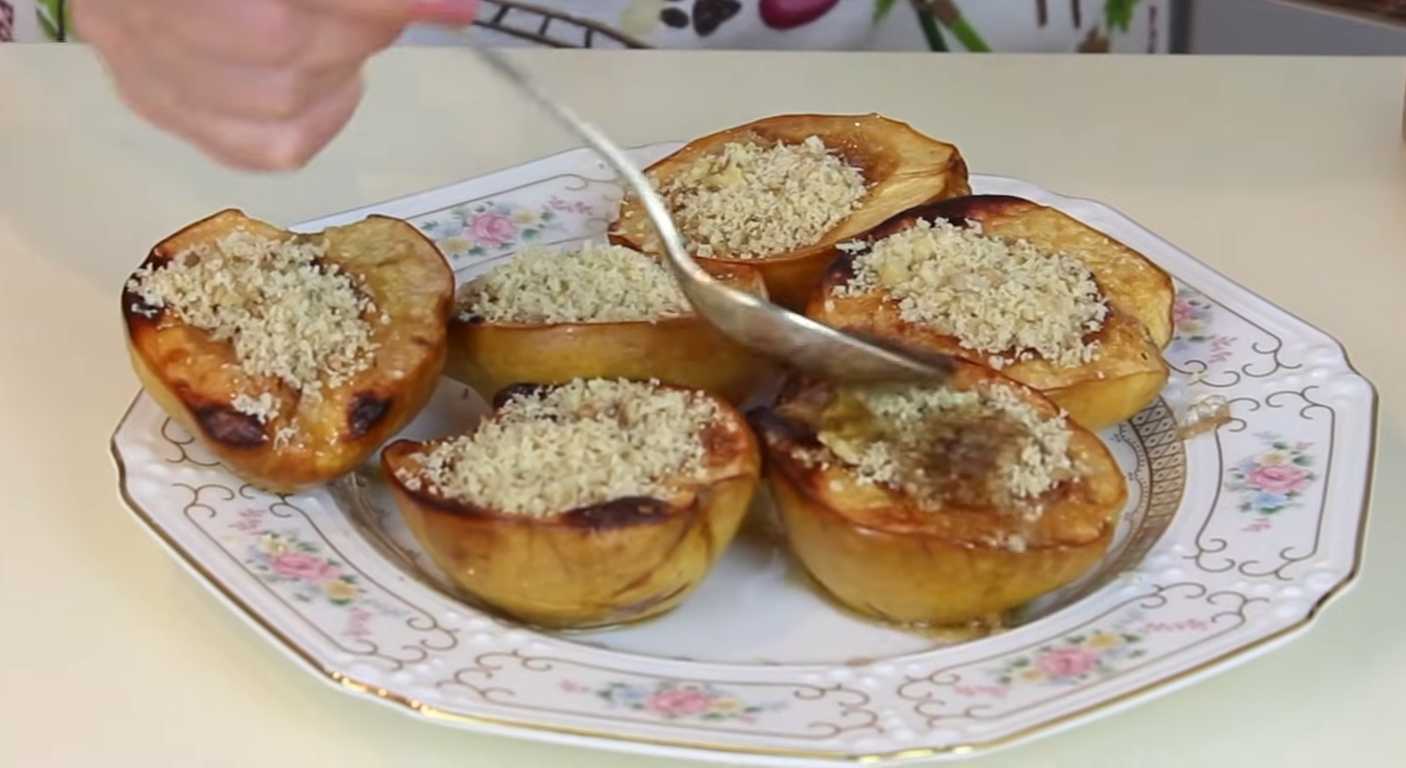 Pour the syrup that has formed in the pan during baking over the finished dish.
Cooking tips:
Choose ripe but firm quince—overripe ones may fall apart, while unripe ones will remain too tough even after baking.
Be sure to peel the skin—it's rough and waxy, which can ruin the texture of the finished dish (unless you're using the very thin, edible skins from certain varieties).
Remove the core and seeds - this is easiest to do with a teaspoon or a special apple corer.
Sprinkle the quince with lemon juice—this will prevent oxidation and add a slight tartness that will balance the sweetness of the honey.
Use fresh nuts—walnuts, almonds, or hazelnuts pair particularly well with quince; lightly toast them in a frying pan without oil for a richer flavor.
Add a little water or juice to the bottom of the pan – this will create a steam effect, helping the quince to bake evenly and prevent burning.
Drizzle with honey twice: partly before baking (for caramelization), and partly immediately after baking (for a fresh aroma and shine).
Let the dish sit for 10–15 minutes before serving – this will allow the quince to soften and the syrup to be better absorbed, revealing the full flavor.