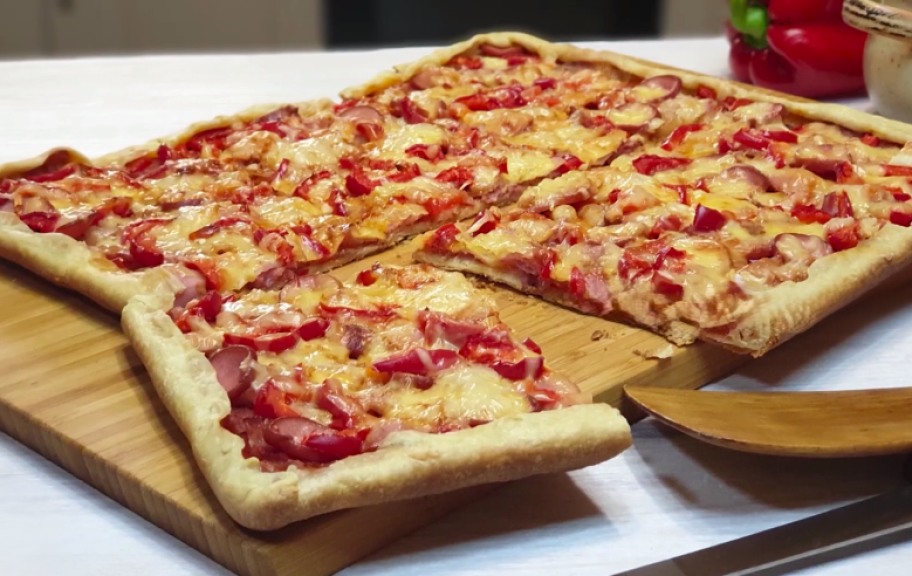
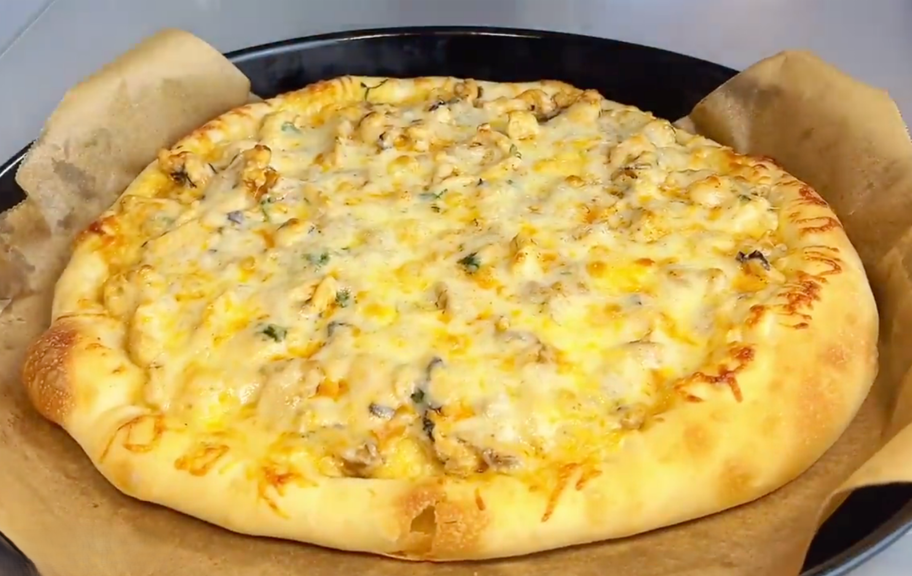
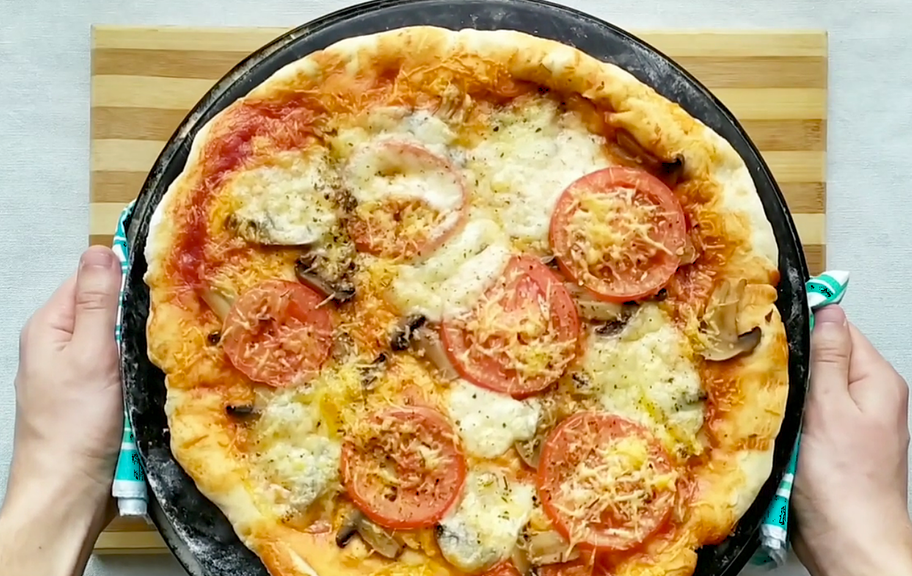
Yeast pizza dough
Origin of the recipe
Classic pizza dough originates from Naples, Italy, where bakers were already making thin sourdough crusts as early as the 18th century. The modern version, made with dry yeast and olive oil, is an adaptation for home cooking that maintains its airiness and elasticity. This approach results in a pizza crust that doesn't tear when rolled out and holds its toppings even with a generous amount of sauce.
What do you need for cooking?
Ingredients
-
Flour, premium grade
-
Warm water
-
Dry yeast
-
Salt
-
Sugar
-
Olive oil
Kitchen utensils
- Knife
- Board
- Spoon
- Cup
- Cling film
- deep bowl
- Glass form
- Planetary mixer
- Kitchen mixer with hook (optional)
Step-by-step recipe
Step 1:
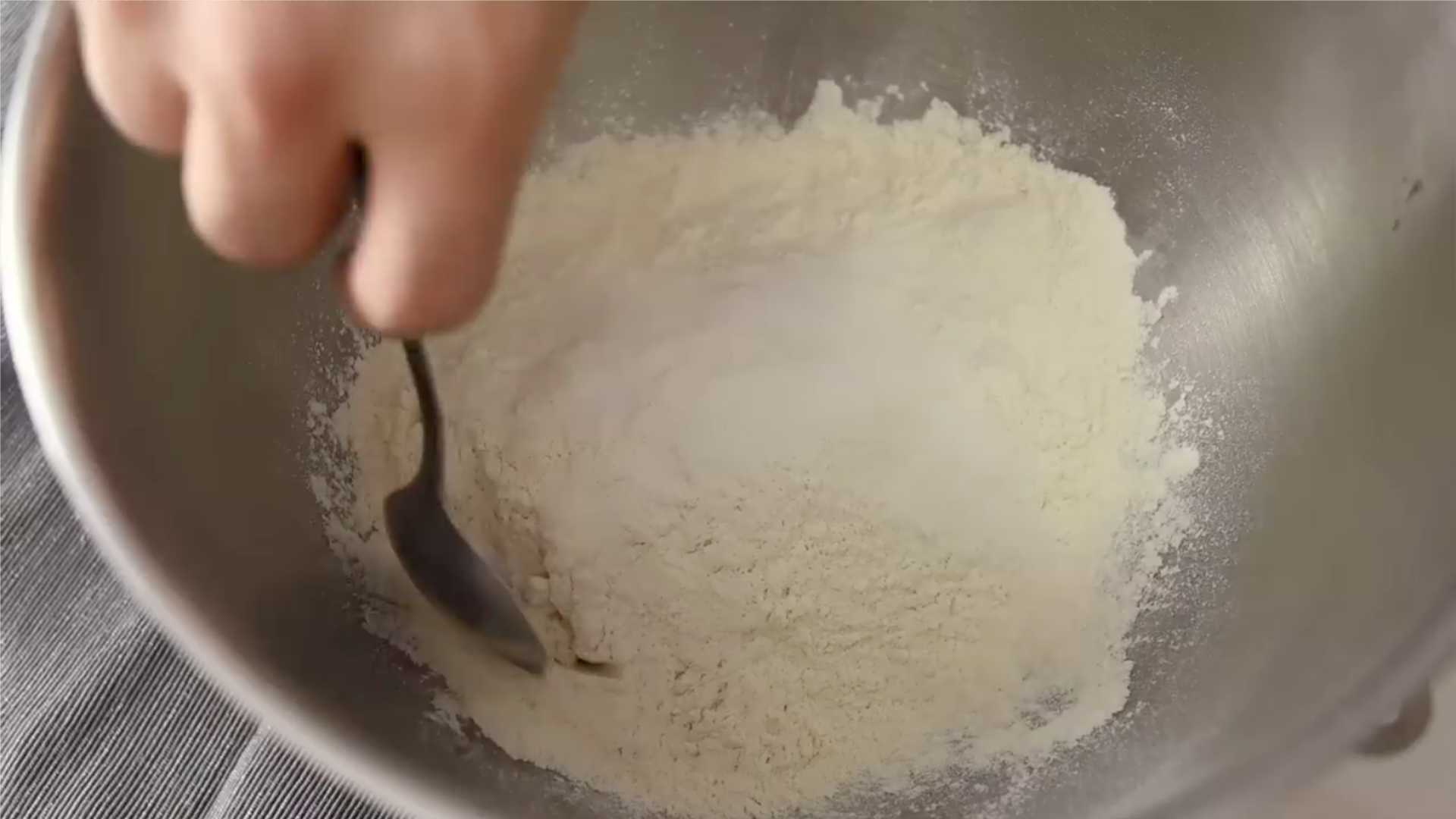 Pour 3 cups of 250 ml sifted flour into a bowl, add 1 teaspoon of salt, mix with a spoon.
Step 2:
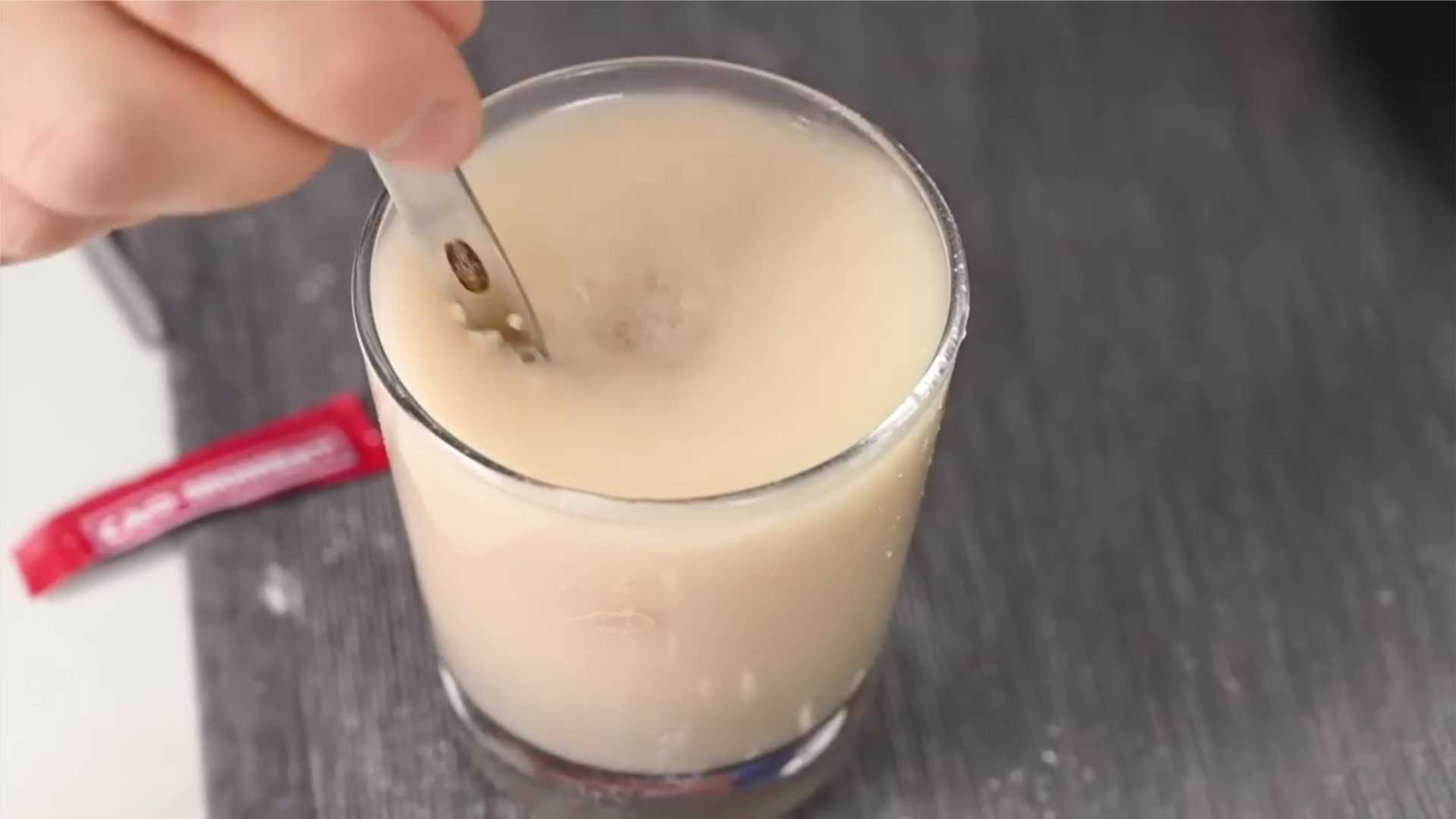 Pour 230 ml of warm water (temperature ~35–37°C) into a glass, add 1 teaspoon of sugar and 2 teaspoons of dry yeast, and stir until smooth. After 5–7 minutes, foam should appear—this indicates the yeast is active.
Step 3:
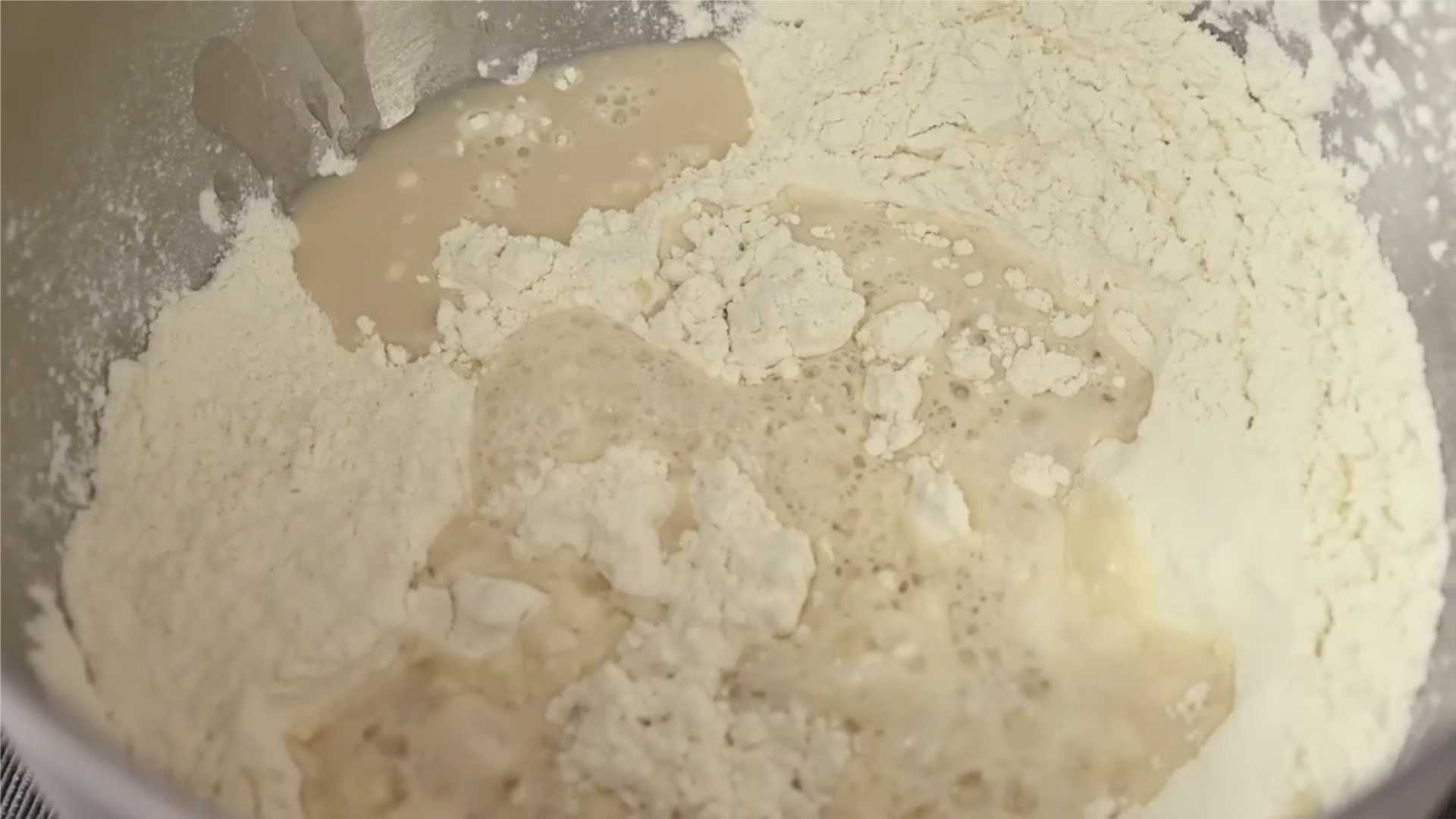 Combine the ingredients: pour the yeast mixture into the flour.
Step 4:
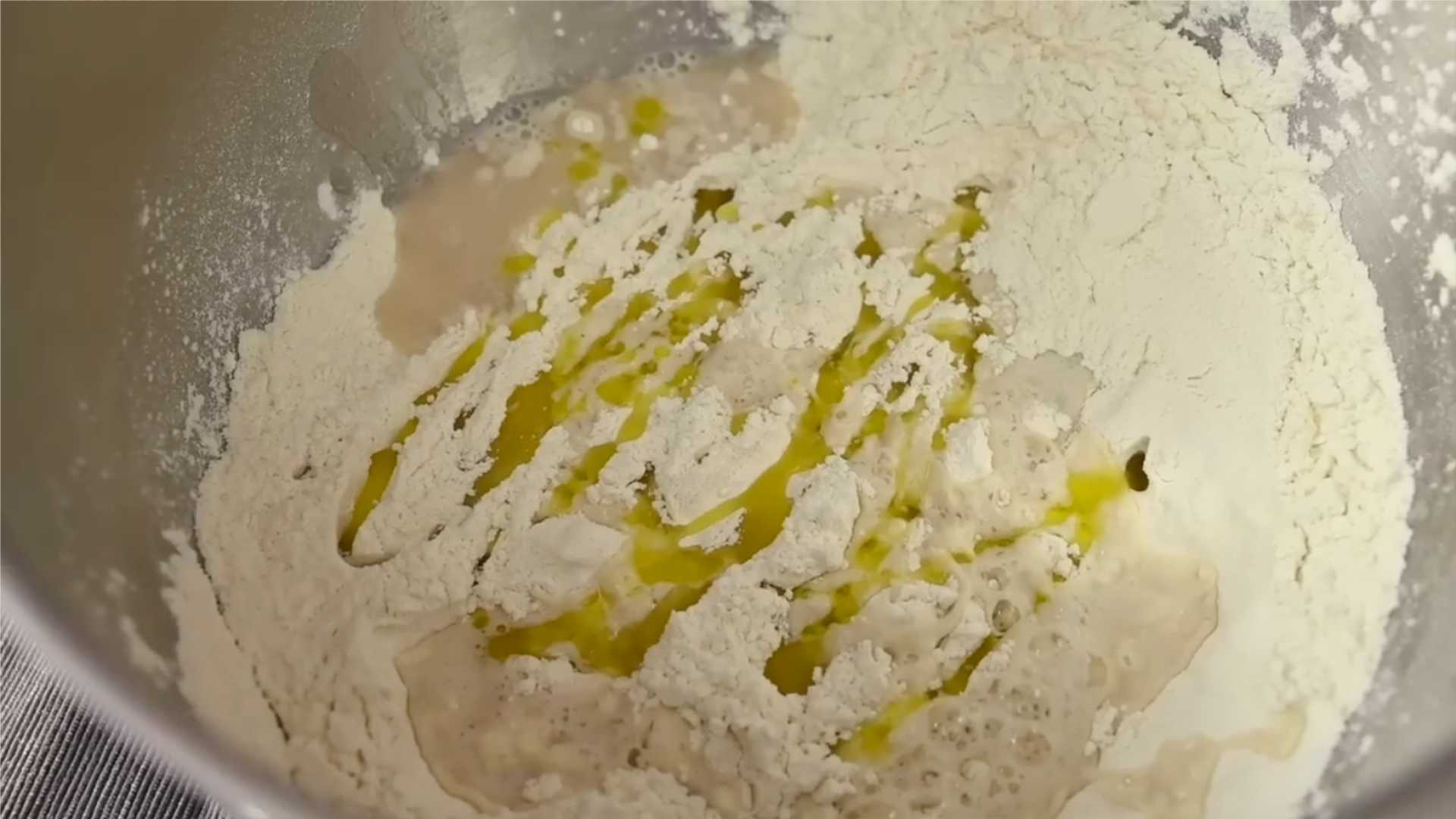 Then add 2 tablespoons of olive oil.
Step 5:
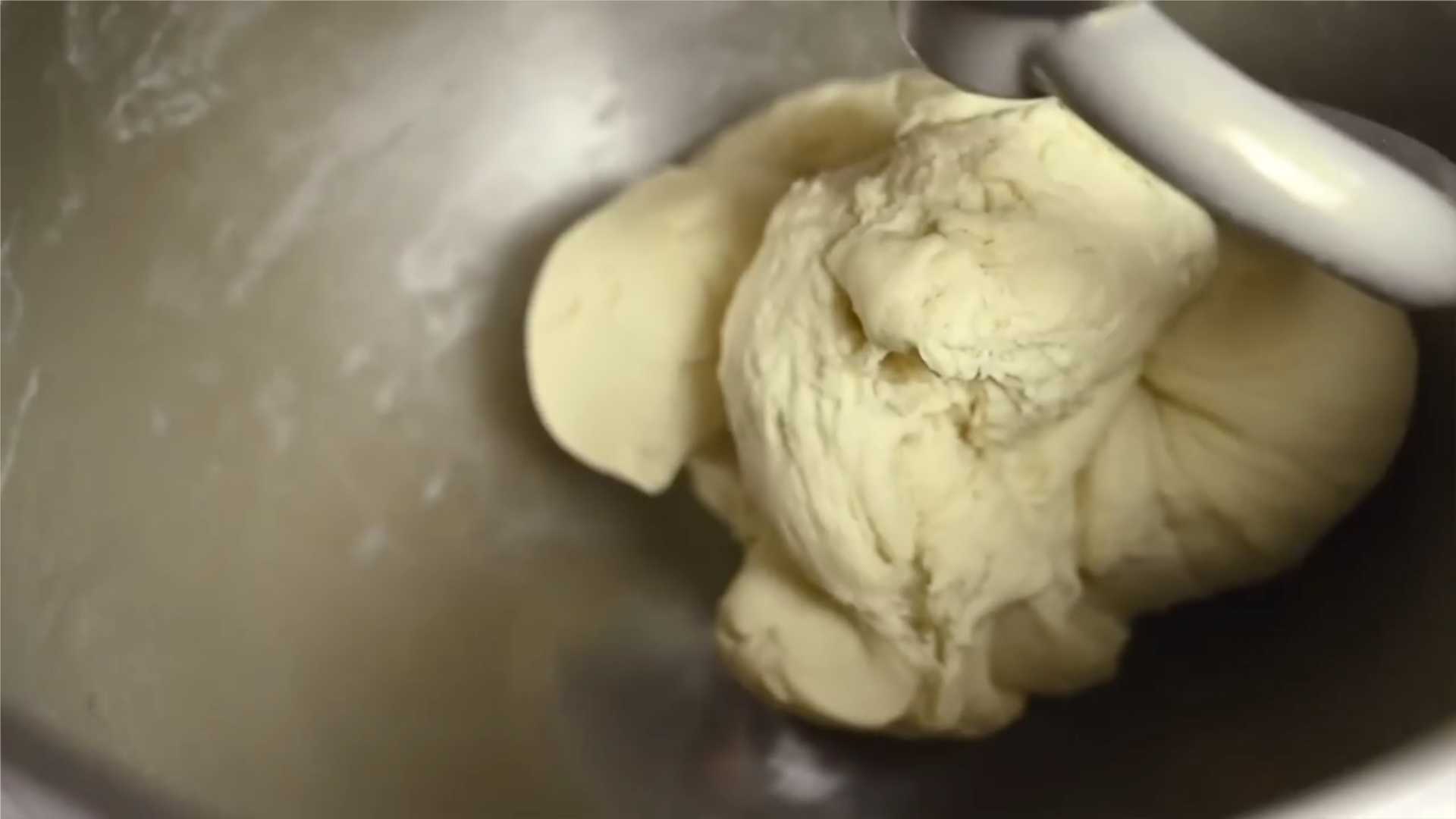 Knead the dough: first with a spoon, then with your hands or a mixer with a hook - until a homogeneous, slightly sticky mass is formed (~5–7 minutes).
NOTE: Knead until the dough is elastic and comes away from the sides of the bowl. If the dough is too sticky, add 10–15 g of flour, but no more.
Step 6:
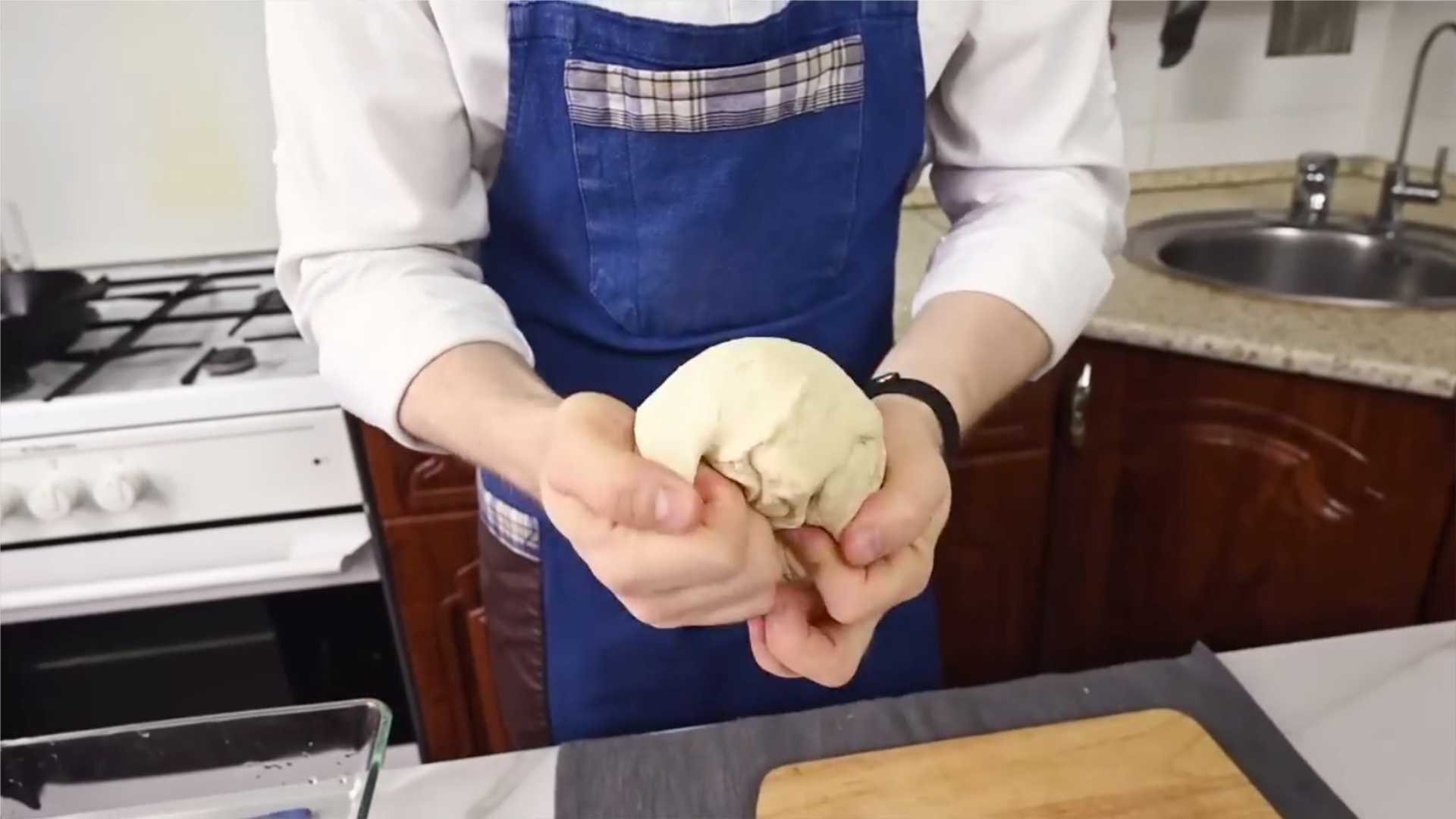 Form a ball: fold the edges of the dough inward, slightly stretching the surface.
Step 7:
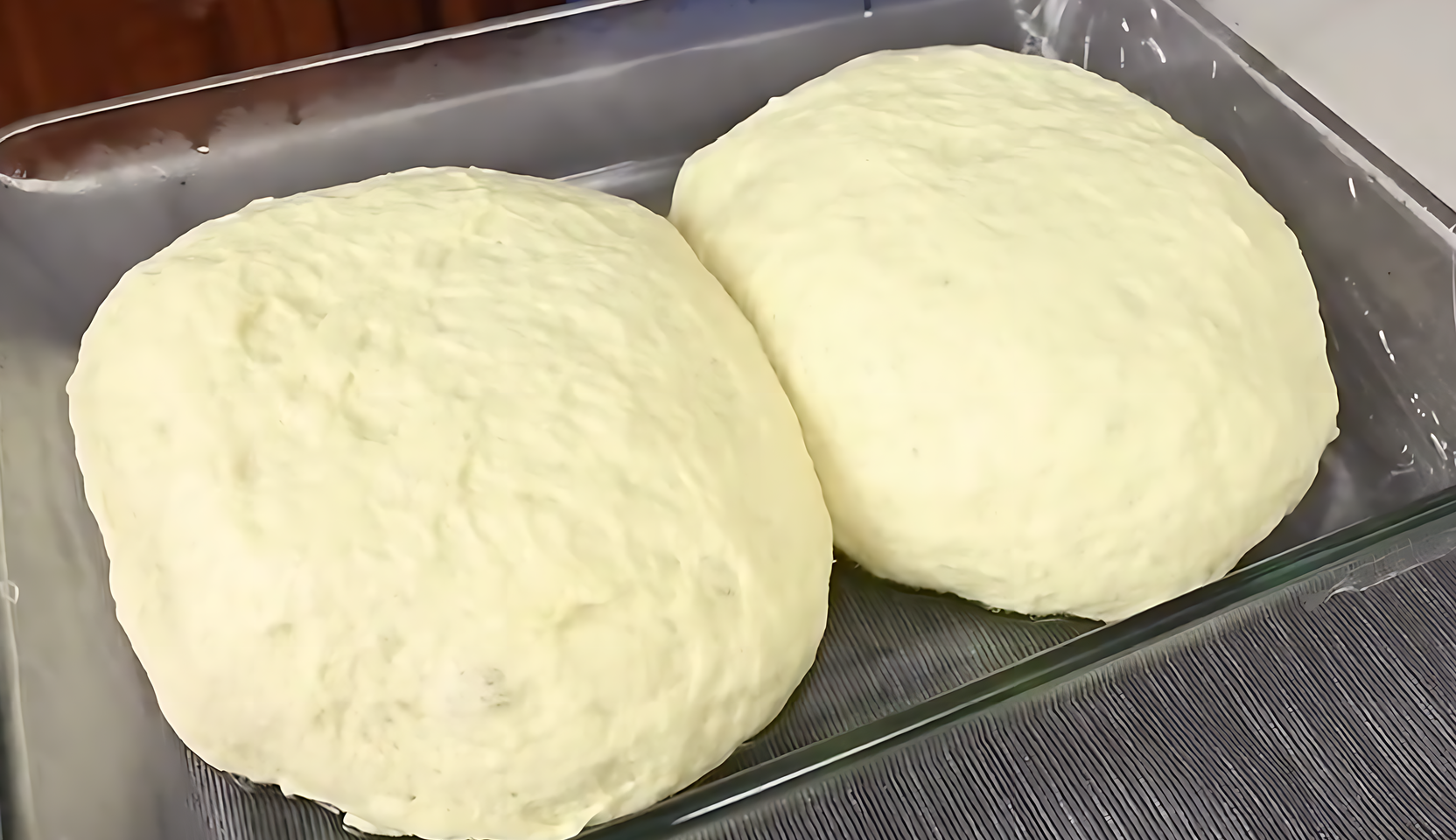
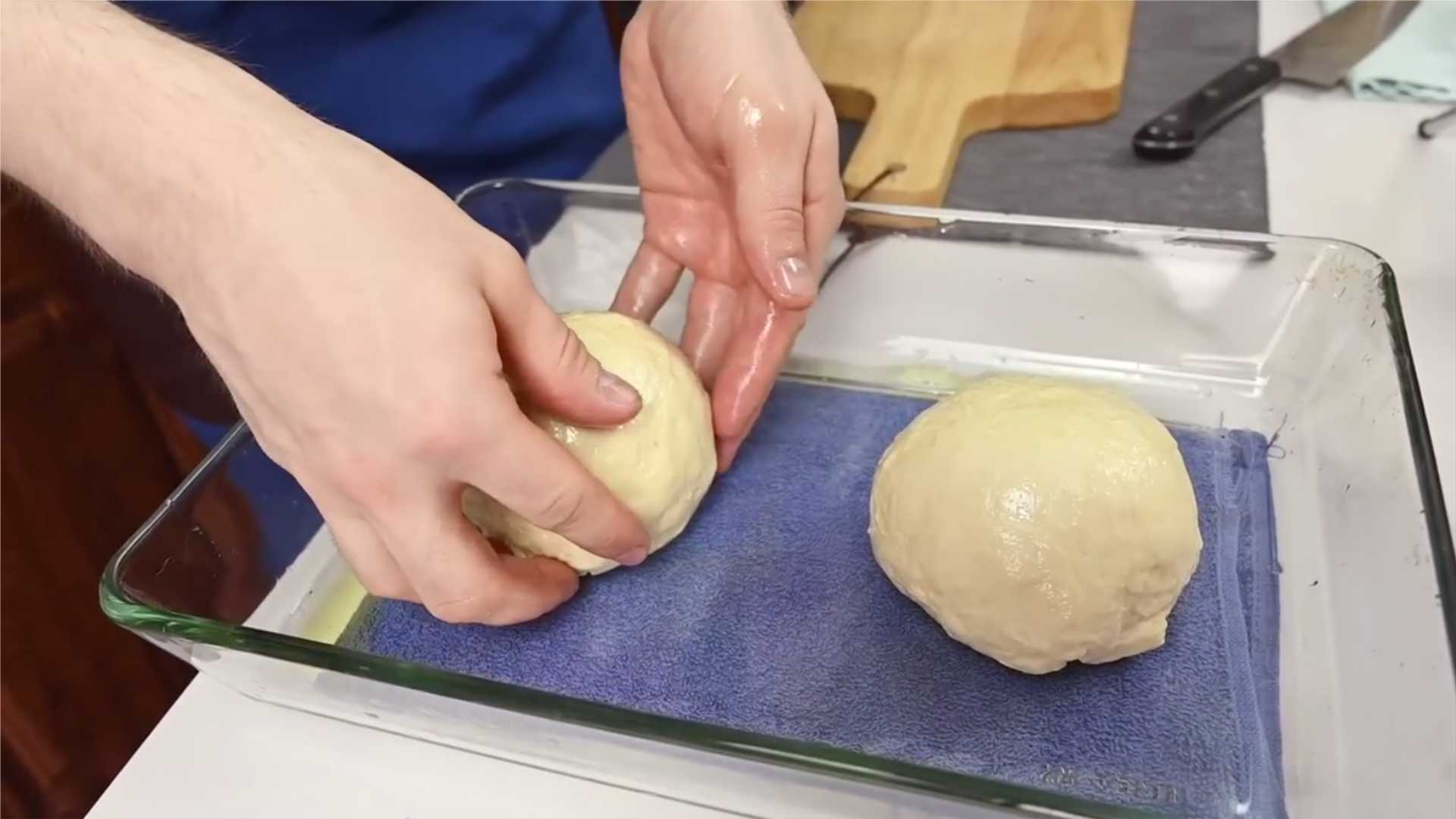 Divide the dough in half to make two pizzas. Roll each half into a neat ball and place in a greased pan.
Step 8:
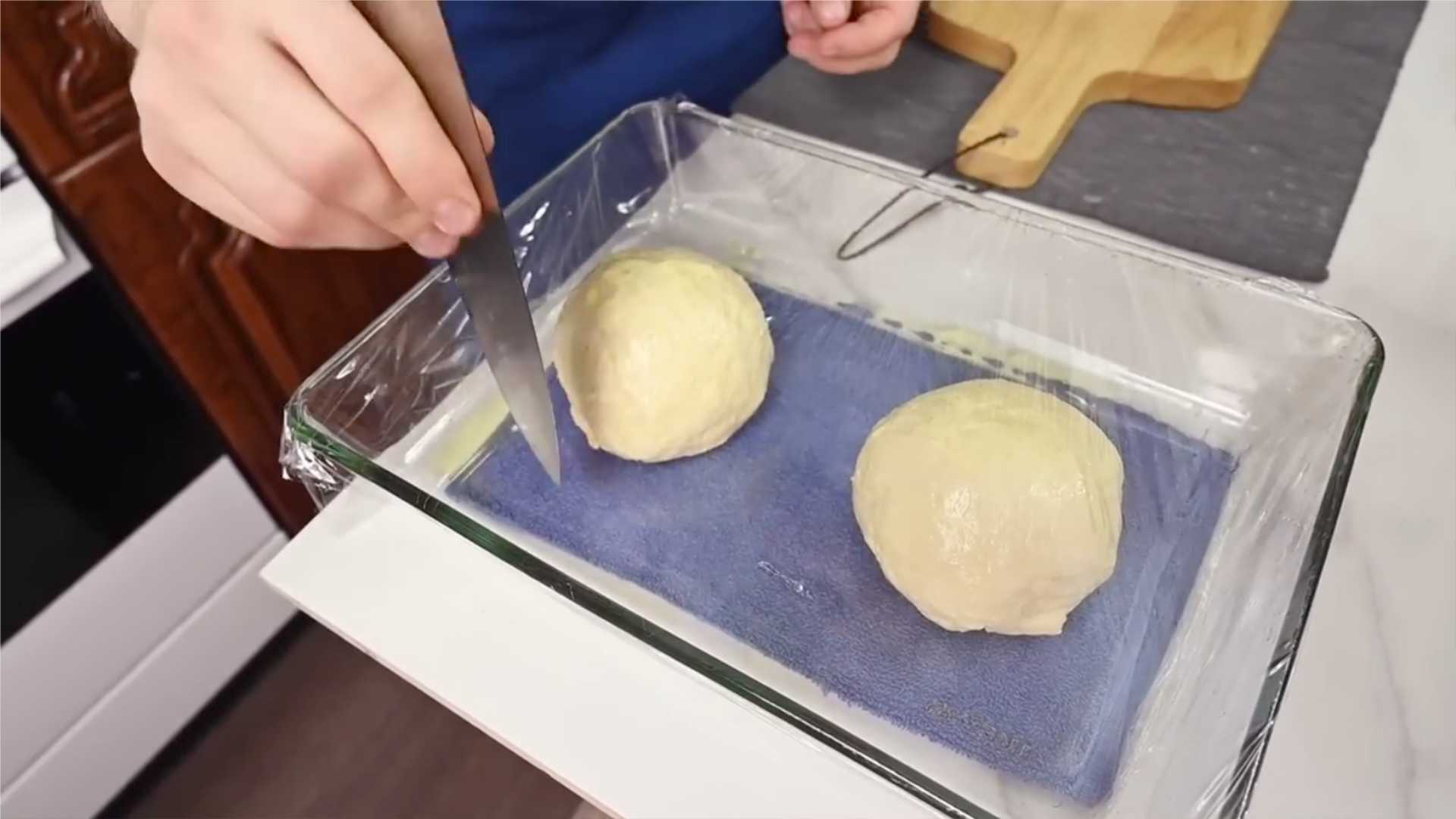 Cover the mold with cling film and make several holes.
Step 9:
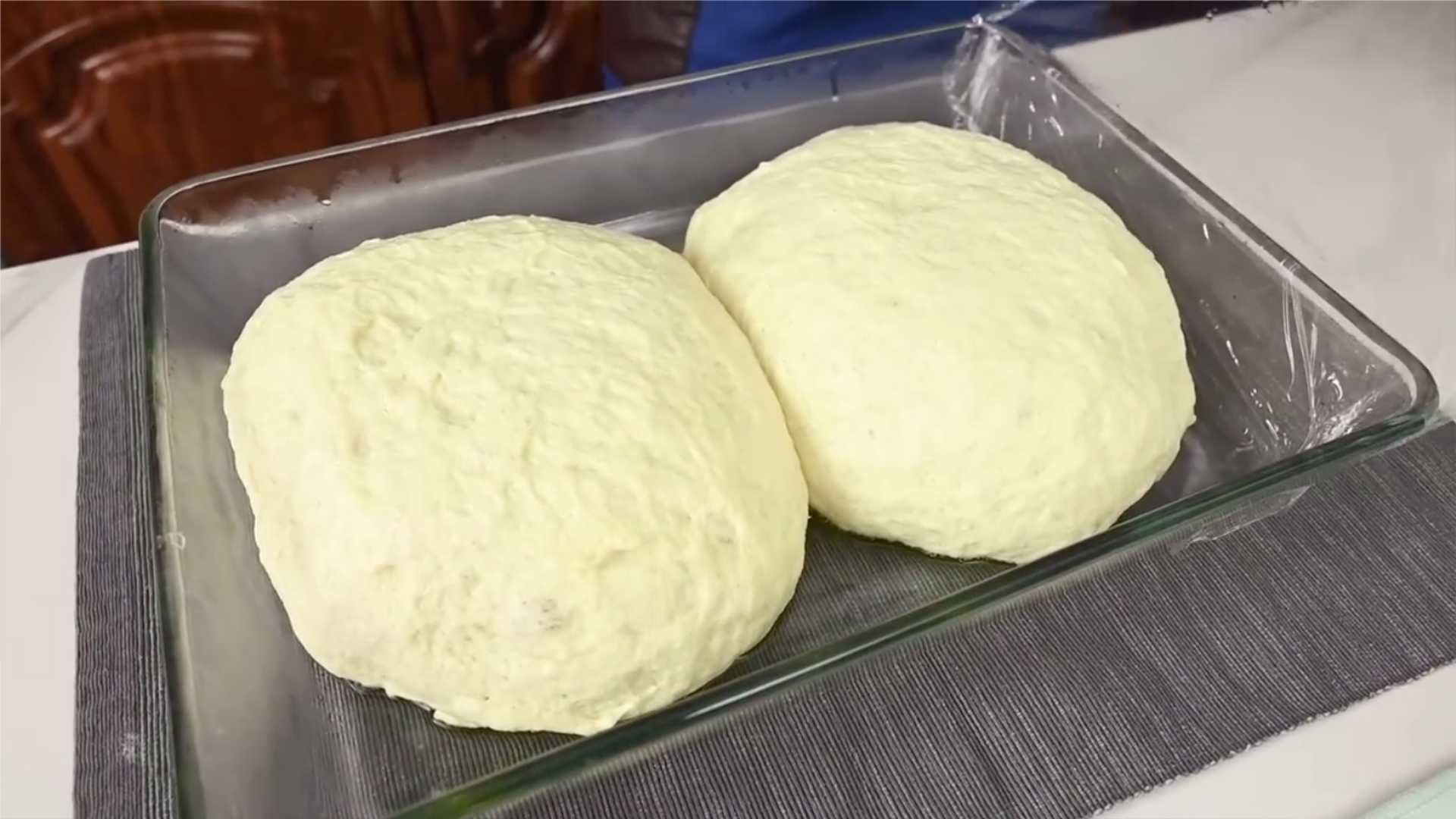 Leave at room temperature for 60–120 minutes, until the dough has increased in size by 1.5–2 times.
Cooking tips
Don't use hot water—it will kill the yeast. The optimal temperature is that of warm tea (35–37°C).
Check the yeast activity before mixing: if there is no foam after 5 minutes, the yeast is spoiled, use fresh ones.
Don't overdo it with flour when kneading: too much will make the dough tough and dry. It's better to leave it slightly sticky—it will "ripen" as it rises.
Use a mixer with a hook – it will replace 10 minutes of hand kneading and ensure an even texture.
Grease the pan with oil - this will prevent sticking and help the dough rise evenly.
Do not open the mold during rising - a sudden change in temperature can “hit” the dough and stop fermentation.
Before rolling out, let the dough rest for 10 minutes - this will make it easier to stretch and will not “shrink” back.