French cuisine is a paradise for the stomach.
French cuisine has long been synonymous with refined taste and culinary sophistication. Even the word "gourmet" is French. Indeed, of all European countries, it is in France that cooking has been elevated to the level of an art, and the quality of this art is closely monitored by restaurant critics.
But beyond so-called "haute cuisine," France boasts many dishes that have long been prepared and eaten by ordinary people, each province having its own distinctive flavor, becoming a kind of calling card for its region. Of course, over time, this peasant fare has been refined, and now it can be enjoyed in upscale restaurants with renowned names. This is precisely what we see in the famous animated film "Ratatouille." So what do French gourmets, "gastronomic tourists," and ordinary French people eat?
At the heights of pleasure
Haute aristocratic cuisine began to develop in the 16th and 17th centuries under the reign of the Bourbon dynasty, which made Paris the capital of fashion not only in clothing but also in everything related to luxury, comfort, and pleasure. The first cookbooks were written, and rules for preparing dishes and serving them were developed.
France is famous, first and foremost, for its wines and cheeses. The most famous French wines are Bordeaux and Burgundy, both red, and, of course, Champagne. There are rules governing which wines go with which dishes. Listing all the varieties of French cheeses, even briefly describing them, would require an entire book, as there are over 500 of them, but everyone is familiar with the names Roquefort, Brie, Camembert, and Emmental.
At a classic French meal, appetizers are served first, followed by soup, then the main course, salad, and cheese, followed by dessert or fruit. This order of courses at dinner is now common almost everywhere in the world.
As for more complex dishes, rather than appetizers and drinks, the most famous, distinctive calling cards of French cuisine are onion soup and coq au vin.
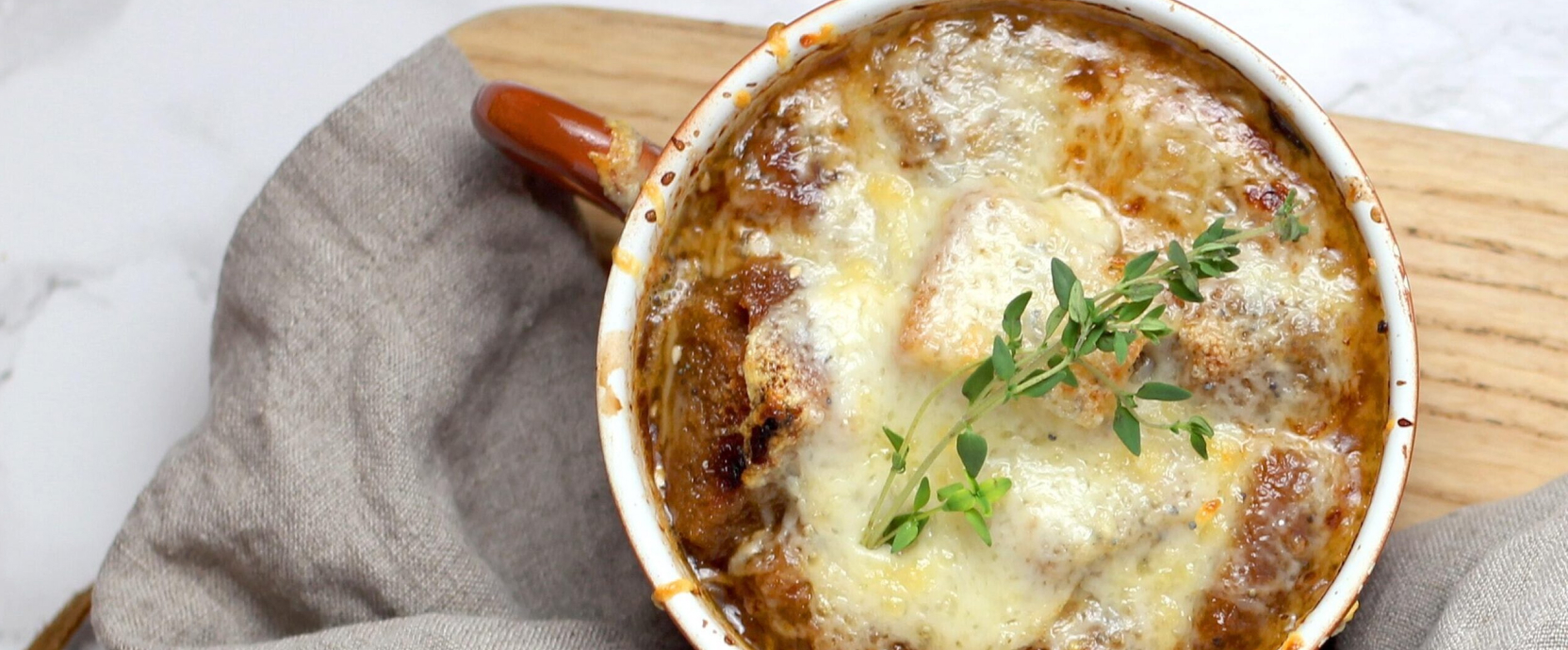
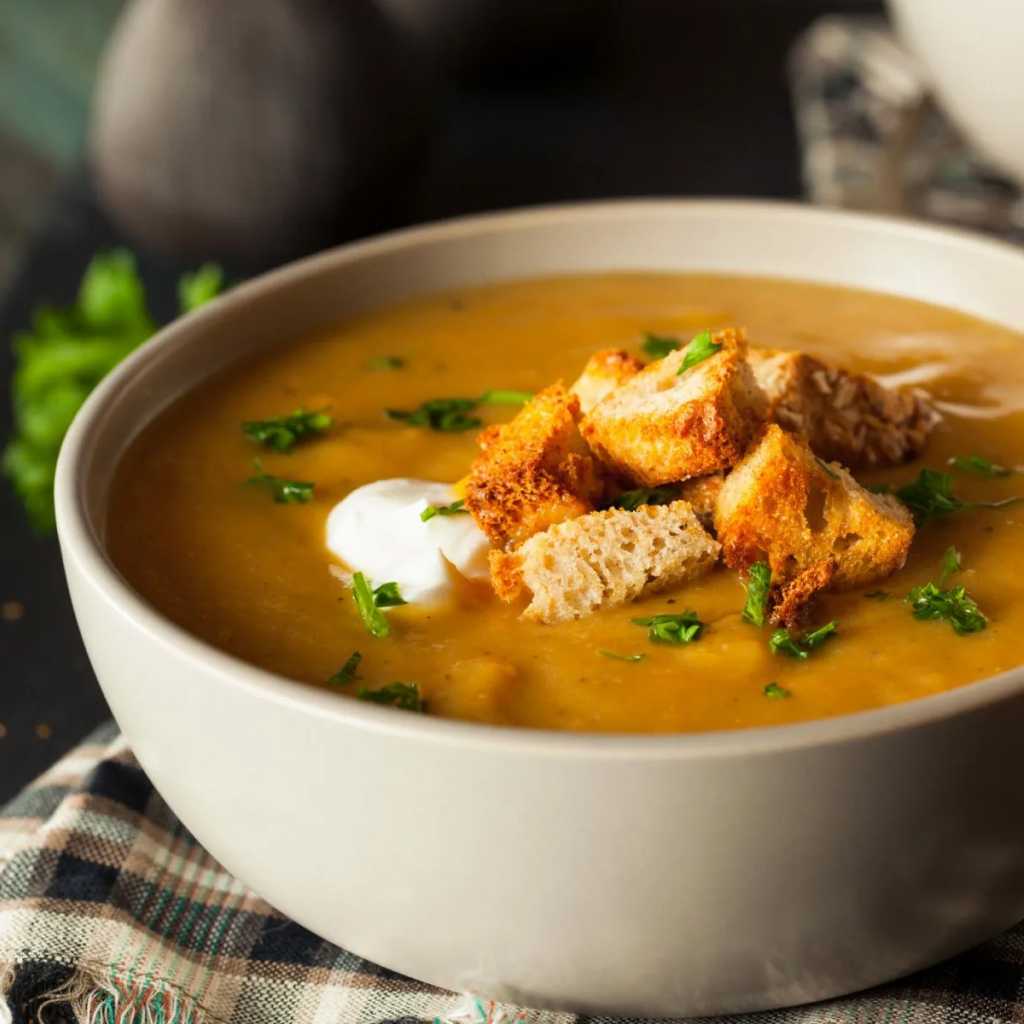
Once upon a time onion soup Originally the food of the village poor, this unusual dish was refined over time and became worthy of the finest Parisian restaurants. As the name suggests, the main ingredient is onions, fried and braised in butter, flour, and white wine, then simmered in vegetable broth. This dish is prepared individually for each eater, topped with garlic croutons and grated cheese baked on top.
If you strictly follow the traditions, then for "rooster in wine" "Cock-au-Vin" requires a whole rooster. This wasn't a problem in the old days, but nowadays, roosters are rarely seen for sale, and even in villages, they aren't kept for food, so the whole rooster is increasingly being replaced with simple chicken legs. The wine in which the chicken and other ingredients are stewed must be truly good and expensive, ideally the same one that will be served. Burgundy is considered ideal.
France is also famous for such unusual delicacies as snails and frogs' legs, but not every foreigner, and perhaps not every Frenchman, would dare to try these.
Provincial doesn't mean primitive!
If you take a culinary tour from Paris through the regions of France, you'll be able to sample a variety of dishes that aren't considered haute cuisine, but are still quite famous and delicious. Each province has its own favorite dishes and local specialties.
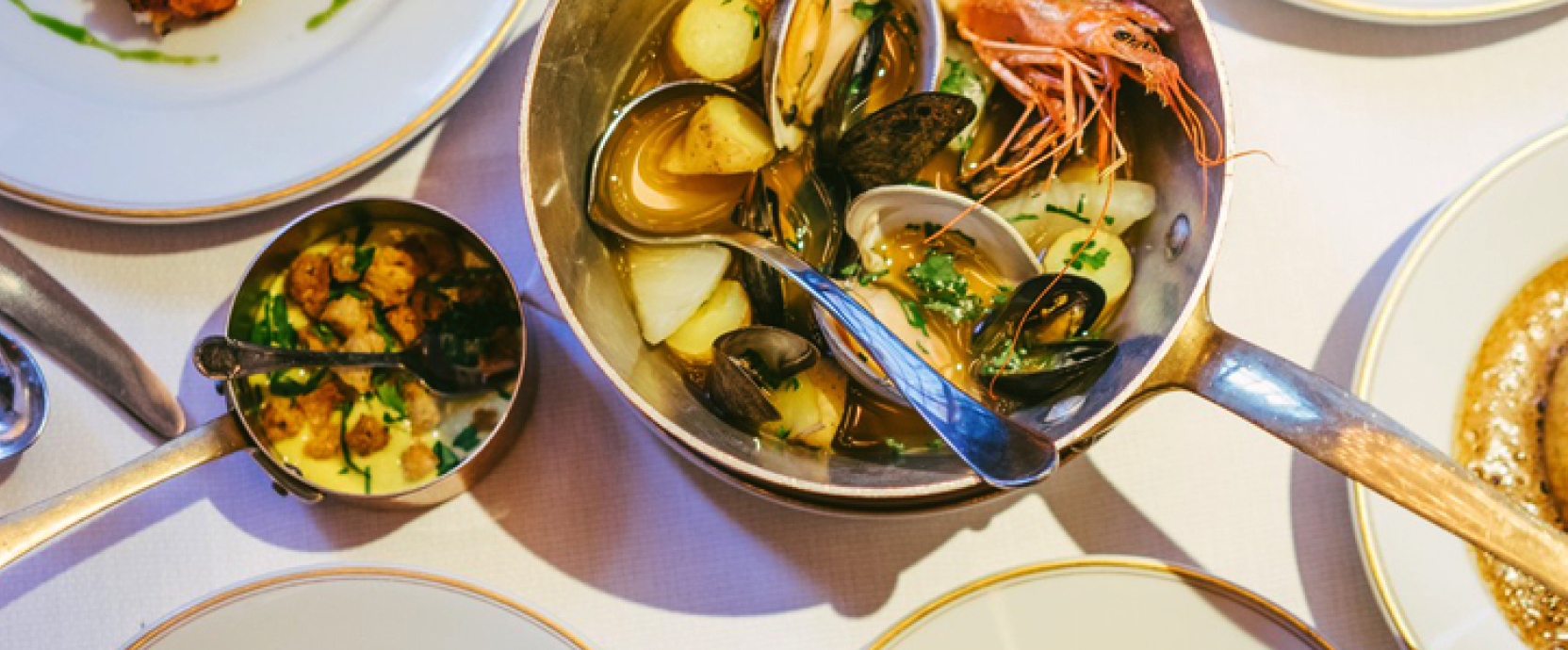
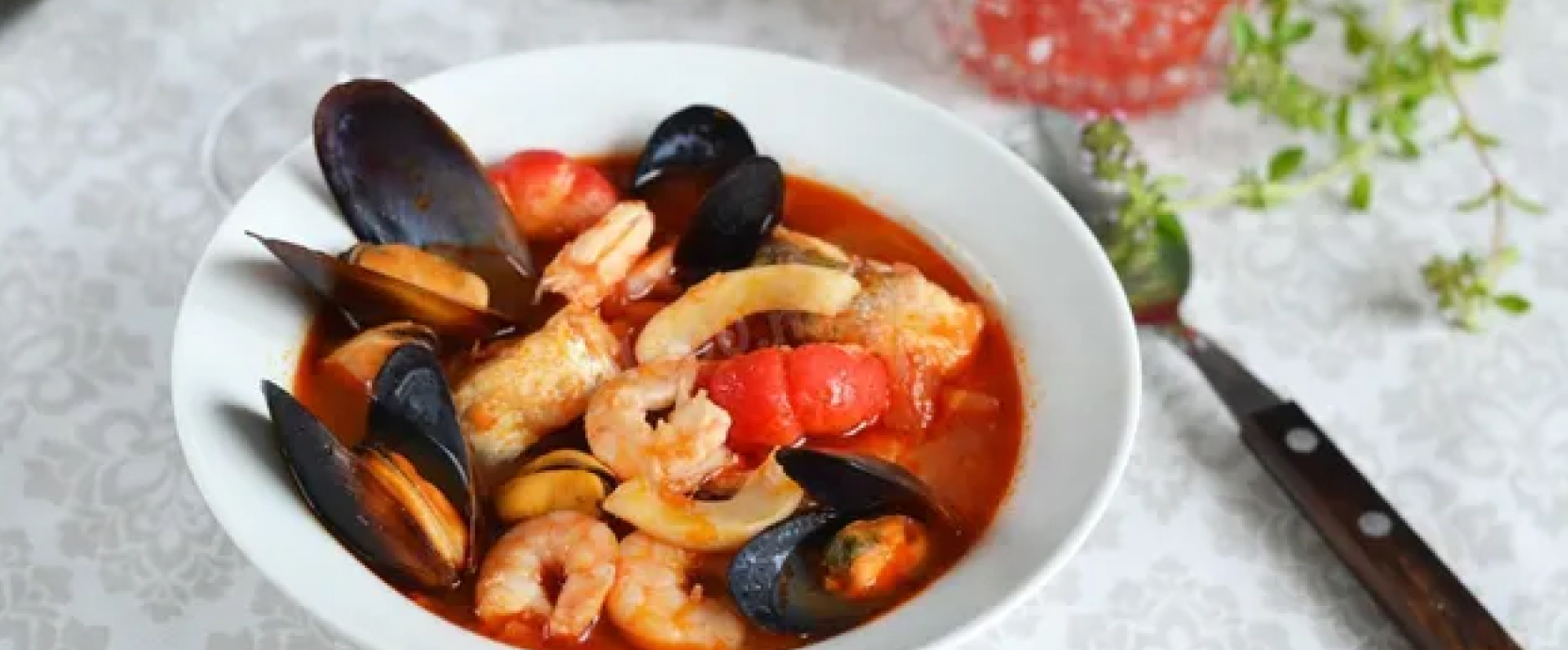
Sunny seaside Marseille, the capital of fishermen and sailors, is rightly proud of its fish dishes. For example, fish soup Bouillabaisse, which is made from a variety of seafood. Initially, fishermen used a mixture of various fish pieces that they couldn't sell out of during the day to make this soup, but later, flavorful shellfish—mussels, squid, and others—were added to the fish.
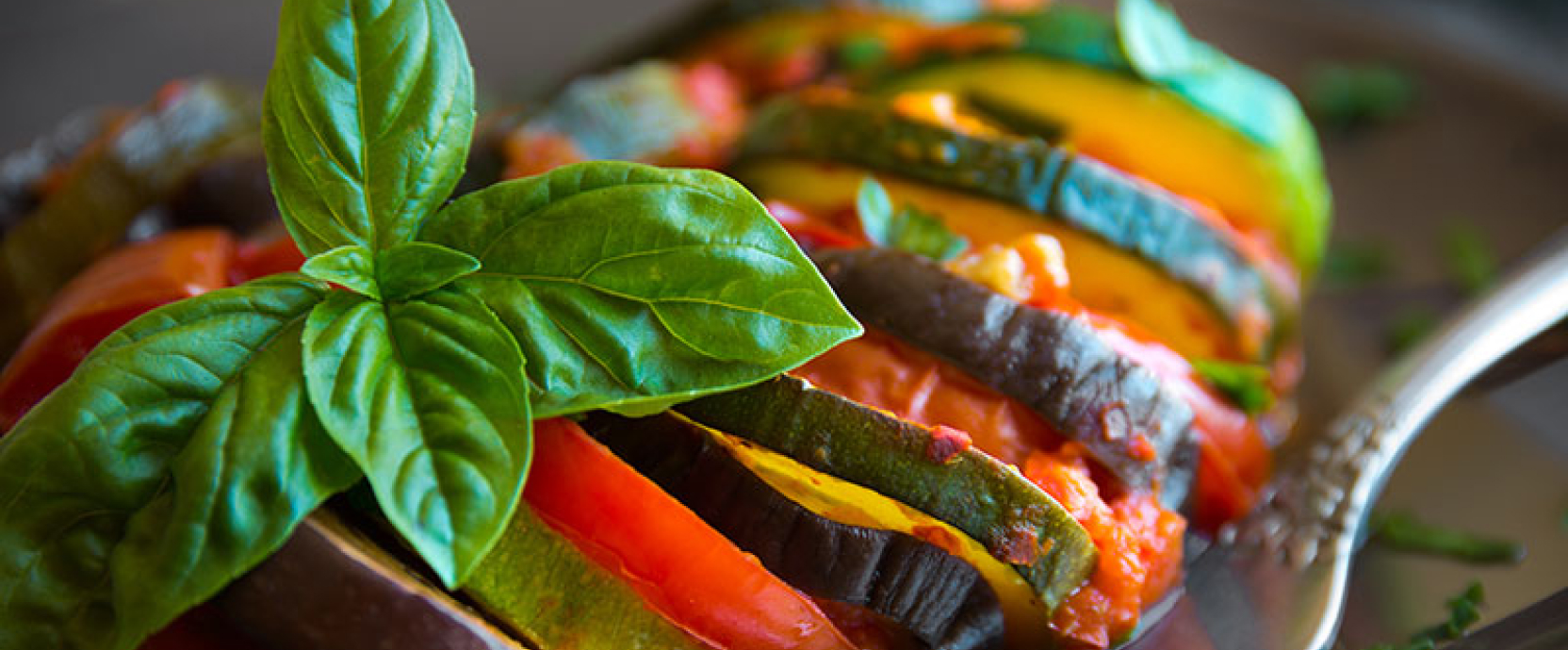
Vegetable stew Ratatouille Ratatouille became truly famous after a charming cartoon, which some might have considered shocking ("Rats? In the kitchen?! Horrible!"). But rats and cartoons have nothing to do with it—this summer vegetarian dish from Provençal cuisine was widely known before, including in Russia. It's somewhat reminiscent of Hungarian lecho, and in its simplest form, it even looks similar. But ratatouille can also look very beautiful and festive if it features alternating multicolored slices of various roasted vegetables. Traditional herbs—thyme, rosemary, and basil—impart a sophisticated flavor to the most ordinary vegetables.
The Languedoc region offers a true delight for meat lovers: the incredibly hearty meat stew called Cassoulet, perfect for colder months. There are at least three main variations of this dish, but each village has its own unique take on it. Some villages use different types of pork in this thick bean soup, while others use pork and lamb. In Toulouse, it's a true meaty cocktail of pork, duck, and smoked sausages in chicken broth.
Lorraine, once a "disputed" region with a partially German population, gave French cuisine such a hearty and delicious dish as the open jellied pie. Quiche Lorraine Everyone knows the savory pastry known as quiche. These pies and pastries are baked with a wide variety of fillings, but the ancestor of all quiches is the "Pie Lorraine," filled with fried bacon or pork belly and a creamy egg mixture.
Under what sauce?
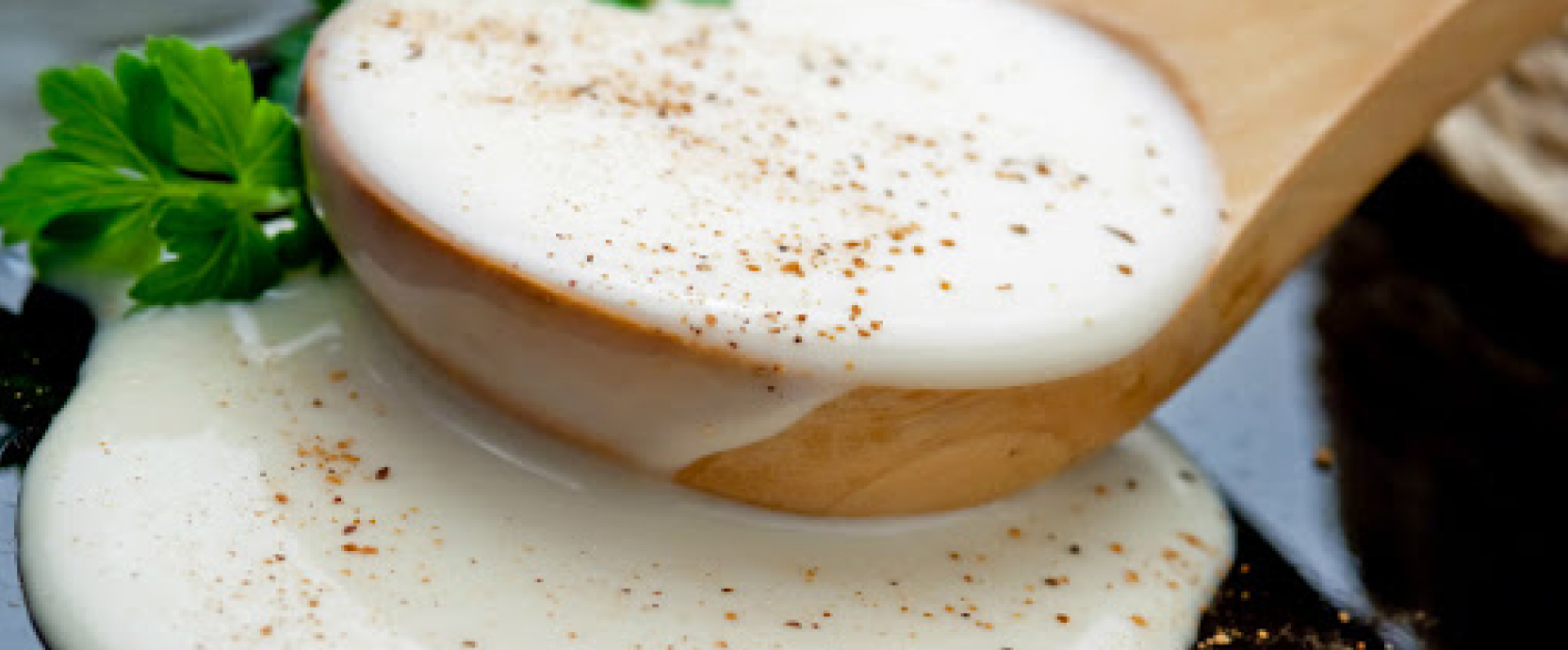
Complex sauces are another "hallmark" of French chefs, who consider a simple gravy too common. There are a great many sauces, but for a long time, only four were considered basic, "mother sauces"—béchamel, veloute , Spanish Spaniard and tomato. The first three use a roux as a thickener—a mixture of butter and flour fried until light, golden, or brown. Later, a fifth sauce, mayonnaise-based—an emulsion of egg yolk, vegetable oil, and lemon juice—was added to these four. As for the "daughter" or "junior" sauces, which are based on the "mother" ones, there are a great many of them. Most sauces contain pureed vegetables, herbs, and various broths, which are gradually reduced. Some of these sauces are best served with meat, while others—usually lighter ones—are best served with poultry and fish.
No lunch is a lunch without dessert.
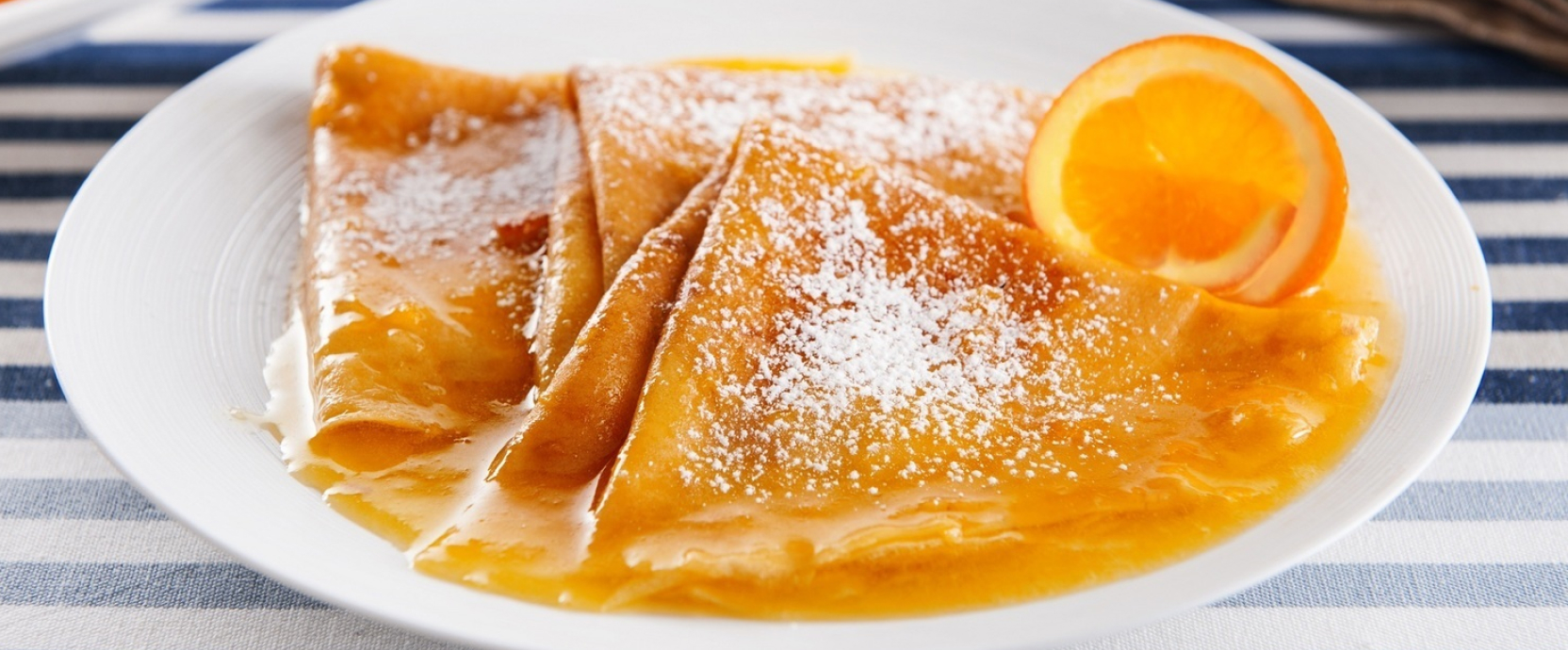
French desserts are usually flavorful and very delicate. They range from ice cream to sweet open quiches and pastries, to thin pancakes in a sweet sauce.
Crustless Fruit Pie Clafoutis It's very easy to make—the fruit is simply placed in the bottom of a quiche pan and then filled, not quite to the top, with a thin batter similar to pancake batter. Clafoutis can be made with apple, pear, or peach pieces, but the classic version is clafoutis with cherries.
They say that pancakes Crepe Suzette (Crepes are thin pancakes) originated from the mistake of a young man serving in the kitchen of a luxurious Parisian restaurant during an aristocratic dinner. While fussing over the stove, he accidentally set fire to some liqueur-drenched crepes in an orange-caramel sauce and was sure everything was ruined. But upon tasting the "spoiled" dish, he discovered it had acquired a magnificent new flavor. His noble guests also appreciated it. This process is called flambéing (heat treatment) and is known in various cuisines around the world. The strong alcohol burns brightly, but not long enough to burn the dish, making its flavor more intense and its aroma and appearance more appetizing. Legends differ as to which lady named Suzanne this dessert was named after.