Homemade cheese – delicious, healthy and very simple
From ancient times to the present day
It's unknown exactly when and in what part of the world people first learned to make cheese, but it certainly happened in ancient times. Archaeologists discovered sieves during excavations in Poland through which, according to chemical analysis, whey was strained—this find dates back to 5500 BC. Cheesemaking most likely originated around 8,000 years ago, when humans domesticated sheep, and the first cheese was something like bryndza.
Scientists suggest that, like other processes based on fermentation or any other "spoilage" of simple foods that improves their flavor, cheesemaking was discovered accidentally when underprocessed cattle stomachs were used as skins to store milk. Digestive enzymes remaining on the stomach walls curdled the milk, separating it into curds (soft cheese) and whey.
Cheesemaking reached its peak in Ancient Greece. Homer mentioned cheeses made from sheep's and goat's milk, and Aristotle dedicated an entire treatise to cheesemaking. The ancient Romans first imported cheeses from Greek and other provinces, and then learned to make their own, so cheese was always on the tables of patricians, and later, of commoners. To this day, Italy is famous for such cheeses as Parmesan, Caciocavallo, Provolone, Gorgonzola, soft mozzarella, and creamy mascarpone. Italians eat cheese for breakfast, lunch, and dinner, and it pairs beautifully with local wines.
In Europe, hard cheeses began to be made in the mountains of what would become Switzerland. Milk from cows grazing on alpine meadows was heated in huge cauldrons and fermented, and then heavy stones were placed on the pressed curds. The resulting wheels of cheese sometimes weighed up to 60 kilograms. In France, however, soft cheeses were preferred. Initially, there were only a few varieties of both. But everything changed with the rise of Christianity in Europe. Numerous wealthy monasteries emerged, owning, among other assets, pastures and dairy cattle. The monks engaged in a wide variety of crafts, including cheesemaking. They readily experimented with flavors, additives, and production subtleties and achieved great success in this area, as in winemaking.
Cheese production became possible on an industrial scale after the pasteurization process was invented, which allowed milk to be stored for much longer and transported over long distances – from farms to factories.
In Rus', cheese was made for centuries using the ancient "raw" method—that is, by fermenting milk without cooking it, hence the name. It was only under Peter the Great, who brought master craftsmen from Holland, including cheesemakers, that Russians became familiar with hundreds of types of cheese and even began producing local, original varieties. Unfortunately, during Soviet times, cheese production became too standardized, and the selection was limited. Recently, especially with the transition to domestic production of most popular European cheeses, the situation has improved significantly.
What are the benefits of cheese?
During the Renaissance, cheese was considered a harmful product. The learned men of the time claimed that it was made from "dirty," "spoiled" milk and therefore could not offer any health benefits. Fortunately, however, this misconception has long since been dispelled. In fact, cheese—in moderation, of course—is quite beneficial.
Doctors claim that hard cheeses protect the liver from many serious ailments, including one common type of cancer. Parmesan is especially valuable in this regard.
Cheese is also an excellent source of calcium for bones and teeth, protein for muscles, including the heart, and essential vitamins A, B, and D. Statistically, those who eat 50 grams of cheese daily reduce their risk of heart attack and stroke by 3%, as cheese, in addition to other beneficial elements, contains potassium and magnesium.
Although hard cheese is quite high in calories, it's ideal for those looking to lose weight in small quantities. Its calories come primarily from fat, which is the foundation of the so-called keto diet. However, of course, overindulging in cheese is not recommended.
A cheese factory in your kitchen
These days, homemade cheesemaking is gaining popularity alongside home baking. Of course, making real hard cheese at home is beyond the reach of a few enthusiasts, although rennet is readily available. However, soft cheeses—creamy and curd cheeses—can be made quickly and easily, without much expense or fuss. To make this type of cheese, diluted acids are added to heated milk while constantly stirring: citric acid (a natural source of lemon juice), acetic acid, and lactic acid (fermented milk products such as sour milk, kefir, and sour cream are added to the milk). The latter method is familiar to anyone who has made homemade cottage cheese.
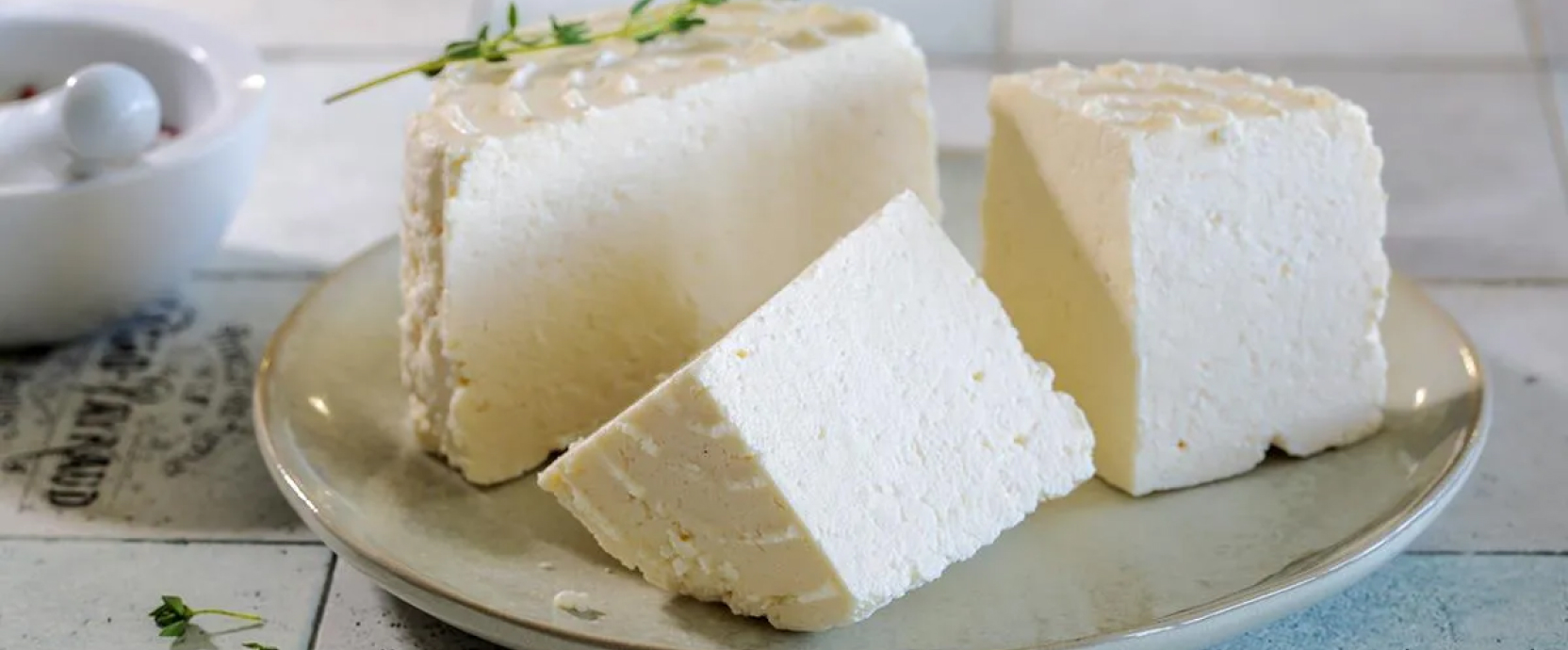
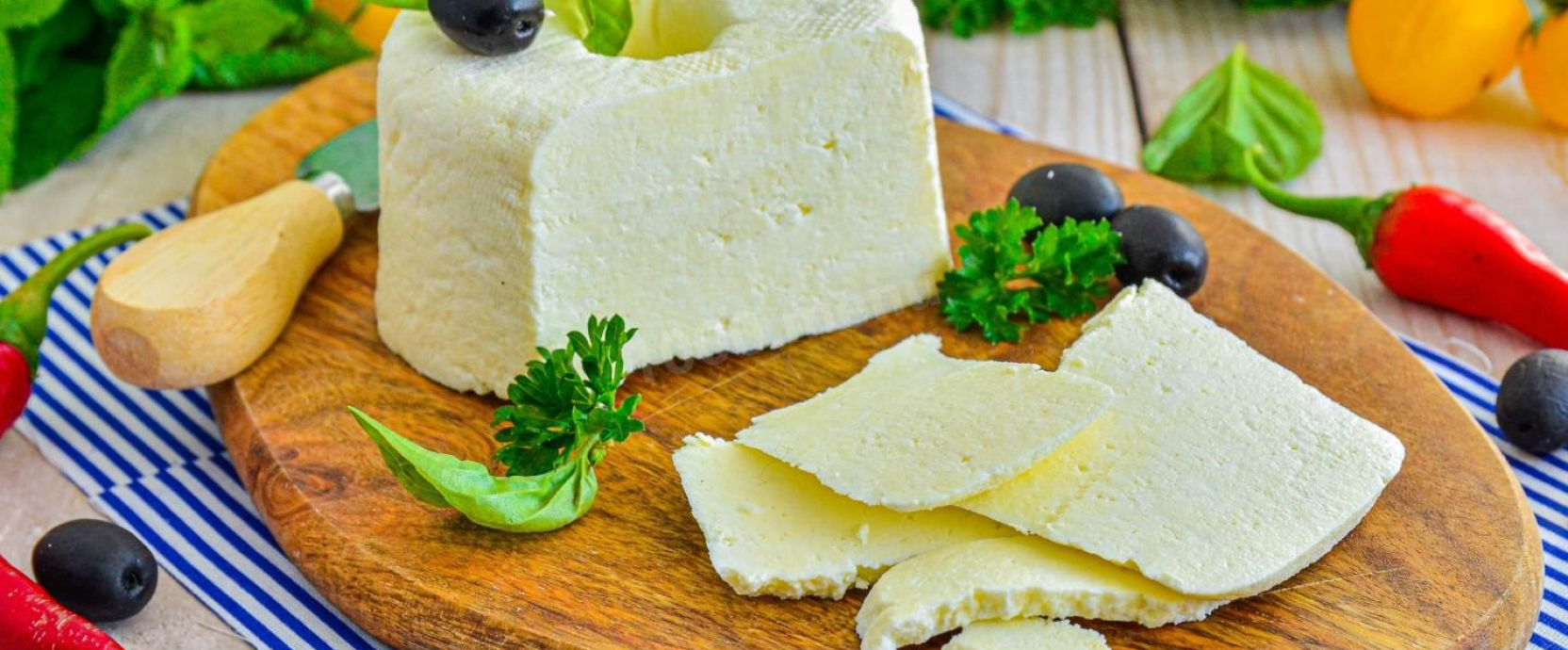
In fact, curds and cheese curds are not much different (cottage cheese is called "village cheese" in English). The difference is that the whey isn't removed as thoroughly from cottage cheese, leaving it moist, whereas homemade soft cheese is carefully pressed and placed under a press until the whey stops separating. As a result, homemade cheese becomes firm and can be cut with a knife. This is how paneer, a very popular cheese in India, is made; it's not only used on sandwiches but also in many main courses and even soups. Every Indian housewife knows how to make this cheese—it's not at all difficult. This cheese is made not only from cow's milk but also from buffalo milk. Its taste and consistency are similar to Adyghe cheese, although the milk for Adyghe cheese is fermented by adding sour whey, while paneer uses lemon juice.
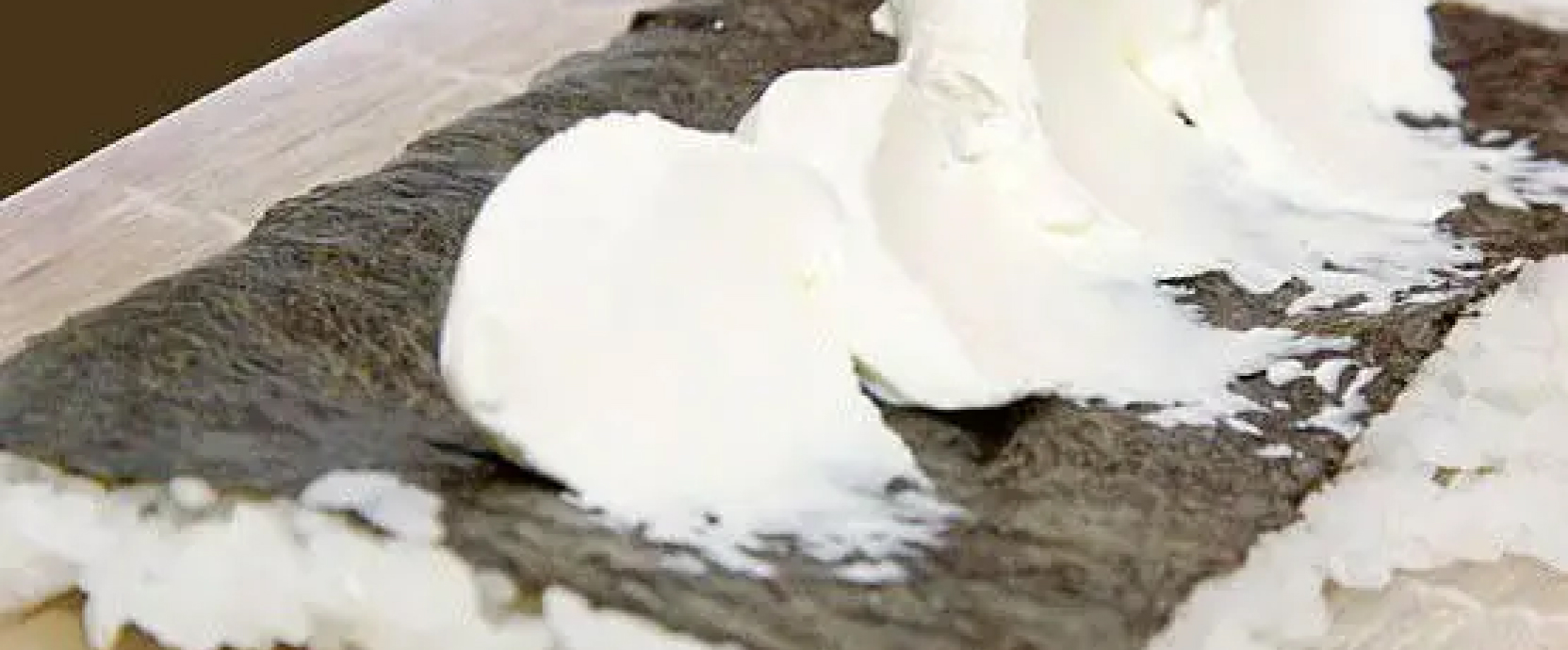
For those who enjoy making homemade rolls, eating sandwiches with a creamy spread for breakfast, or making cheesecakes for tea, it's a joy to make the famous Philadelphia cream cheese at home. The full-fat milk used for this cheese is soured by adding sour milk (the milk must not simply be heated, as with most soft cheeses, but brought to a boil). The cheese mixture is then whipped in a food processor or blender with cream and butter until smooth and creamy.
A delicious and nutritious soft egg cheese in the Scandinavian style. Initially, it might be mistaken for an omelet, but in fact, its production process is quite simple: hot milk is curdled with an egg-sour cream mixture. The egg makes the cheese denser (and richer in protein), but because of its presence in the curd, it must be boiled, then kept warm under a lid before straining. This cheese is tender, yet quite dense, and, contrary to expectations, doesn't smell of eggs at all.
All of the cheeses listed are called "brine cheeses" because they lack a rind and were originally intended to be stored in brine. However, these days, these cheeses store well when tightly wrapped in plastic wrap or placed in an airtight container with a plastic liner underneath the lid.
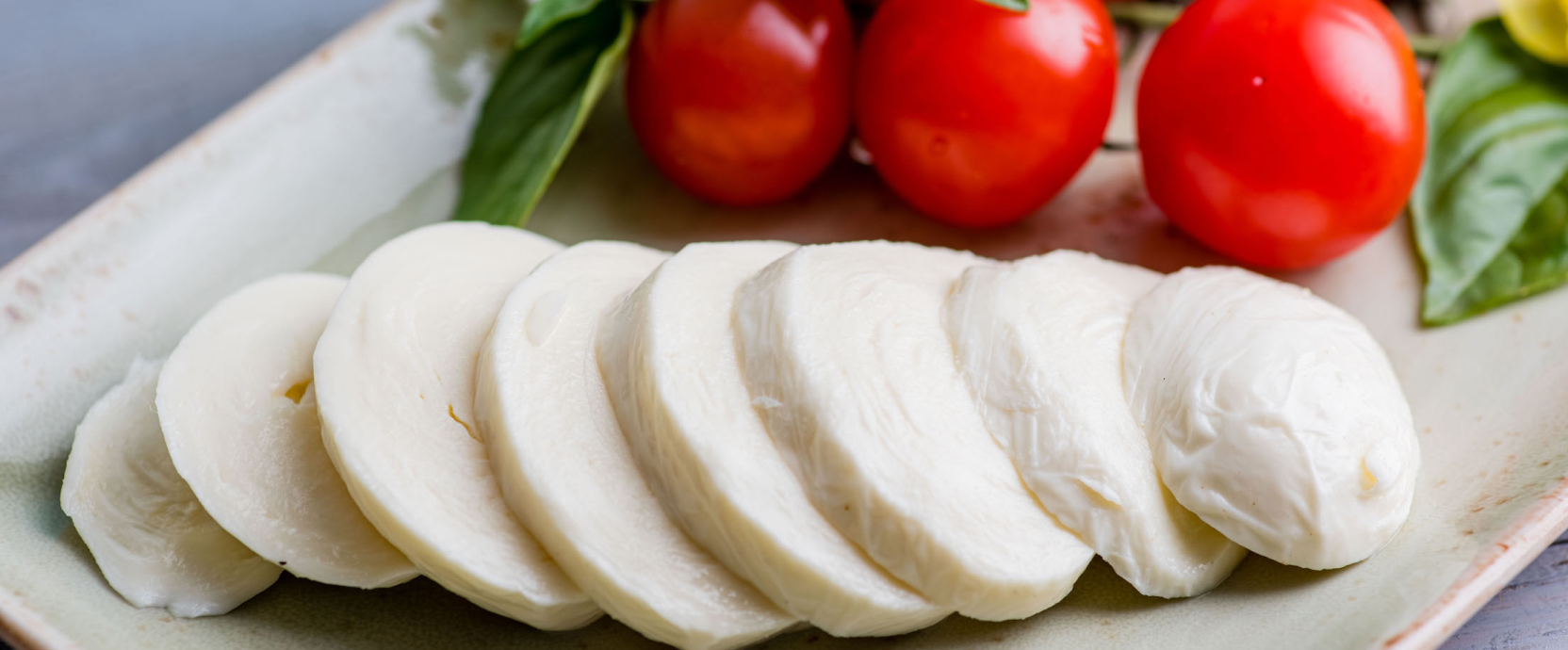
Making authentic mozzarella cheese at home is easy. It requires only two ingredients: unpasteurized milk and vinegar. The secret is to thoroughly knead the pressed cheese in warm whey or hot water, which gives it a special elasticity. Because of this process, called "pulling," mozzarella is considered a "stretched cheese," along with caciocavallo and provolone. Mozzarella is great for homemade pizzas and casseroles—for easier grating, you can freeze it.
Making processed cheese at home is also quite easy. The only unusual ingredient is sodium citrate, which is produced by reacting baking soda with a citric acid solution. This substance is a type of "melting salt" that partially dissolves proteins and fats and distributes them evenly throughout the cheese mass. First, prepare a regular soft cheese like paneer, then blend it with milk, butter, and sodium citrate, and then cook for 10-15 minutes in a double boiler. After setting in the refrigerator, this processed cheese will be just as good as store-bought.
It sometimes happens that a novice home cheesemaker encounters a fiasco: heated milk refuses to curdle, despite adding lemon juice, vinegar, or a fermented milk product and stirring constantly. This can happen for several reasons. First, the milk may be diluted, low in protein, or not fat enough—for cheese, it's best to use milk with at least 3.2% fat. Second, the milk may be ultra-pasteurized—with prolonged and excessive heating, protein molecules irreversibly lose their properties and can no longer form curds. Carefully read the labels on the packaging and buy milk from brands with which you haven't had any unpleasant surprises. Finally, you may have overboiled the milk—most recipes call for heating it to a maximum of 93-96 degrees Celsius, not boiling. With time, you'll gain enough experience, and these annoying problems will no longer occur.