Benefits of apples
Almost everyone loves apples—both children and adults. This juicy fruit ripens in abundance in late summer and early fall in our central climate. It's rare to find a garden plot without at least a couple of apple trees; their fragrant fruit is a cut above store-bought apples, which are often like those fake Christmas tree ornaments from a joke—just like the real thing, but not quite as delightful.
So different and so useful
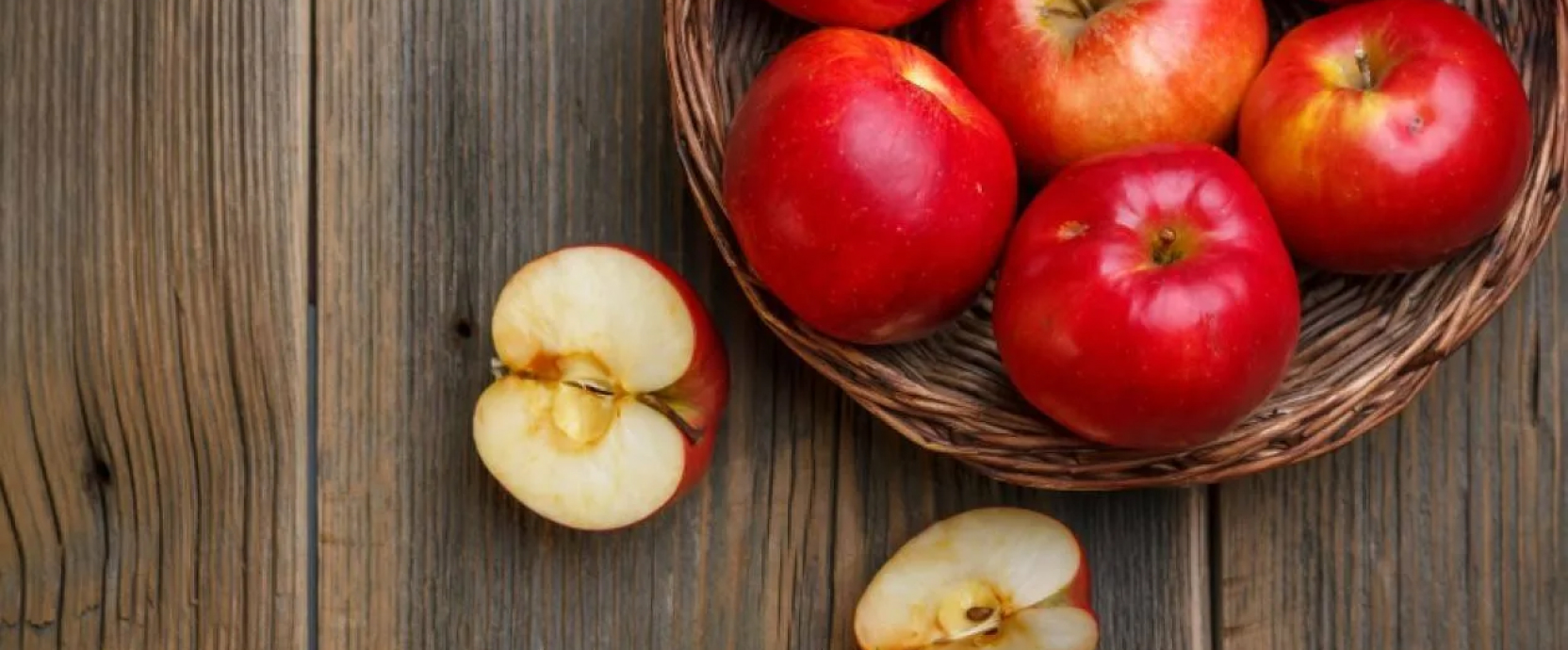
Everyone knows that apples are delicious, but what are their health benefits? Firstly, they're a juicy fruit that can satisfy not only hunger but also thirst. Secondly, 20 percent of their nutritional value is fiber, which is beneficial for digestion, as well as valuable micronutrients and vitamins. Apples contain vitamins A, B1, B2, B3, C, E, P, PP, and K, as well as iron, potassium, magnesium, phosphorus, and zinc, which are beneficial for the brain, blood vessels, and blood, and reduce the risk of atherosclerosis and gallstones.
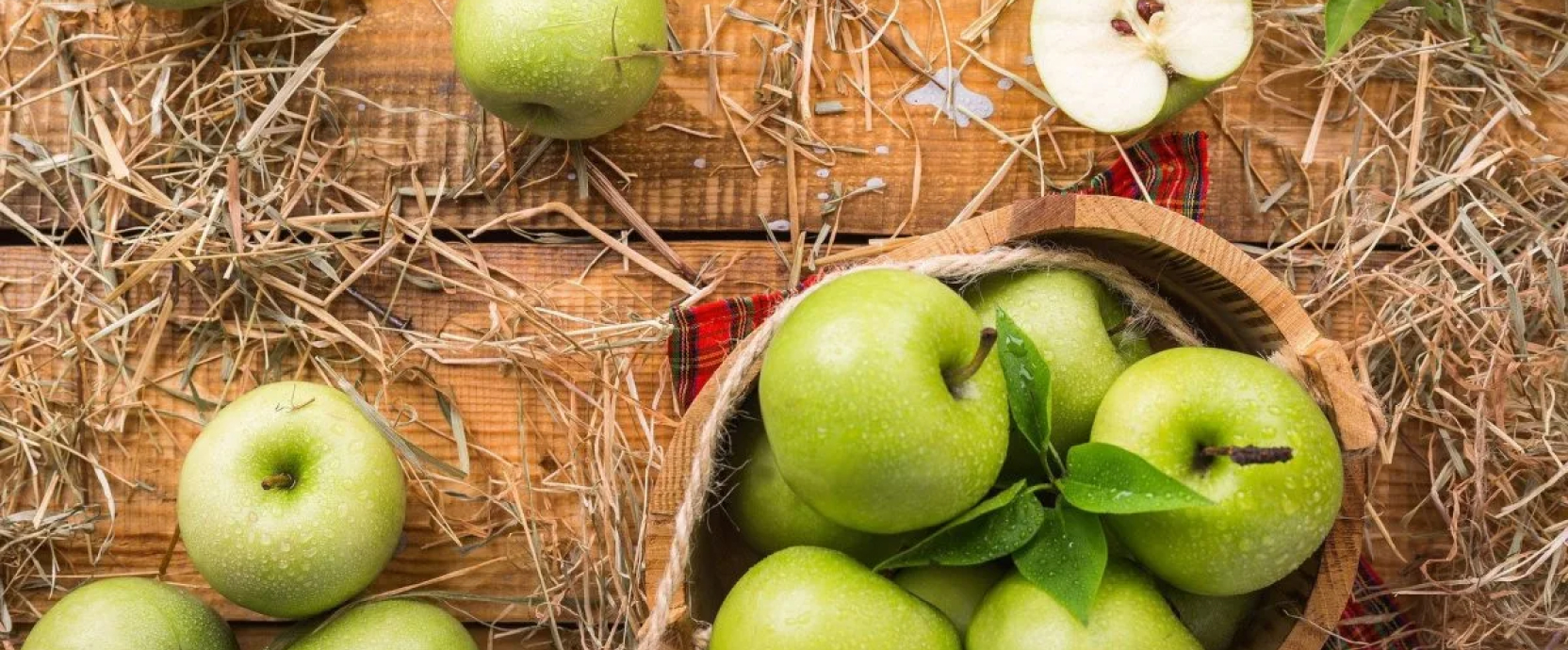
There are many varieties of apples, but their diversity ultimately boils down to three traffic light colors: red, yellow, and green. Red apples are typically sweeter, meaning they contain more energy-producing carbohydrates in the form of fructose. However, those prone to allergies should exercise caution with red apples. Yellow apples contain more pectin, which is beneficial for the liver and gallbladder. Green apples provide less energy and are more acidic, which can be harmful to those with gastritis and ulcers.
You can just gnaw on it. What else?
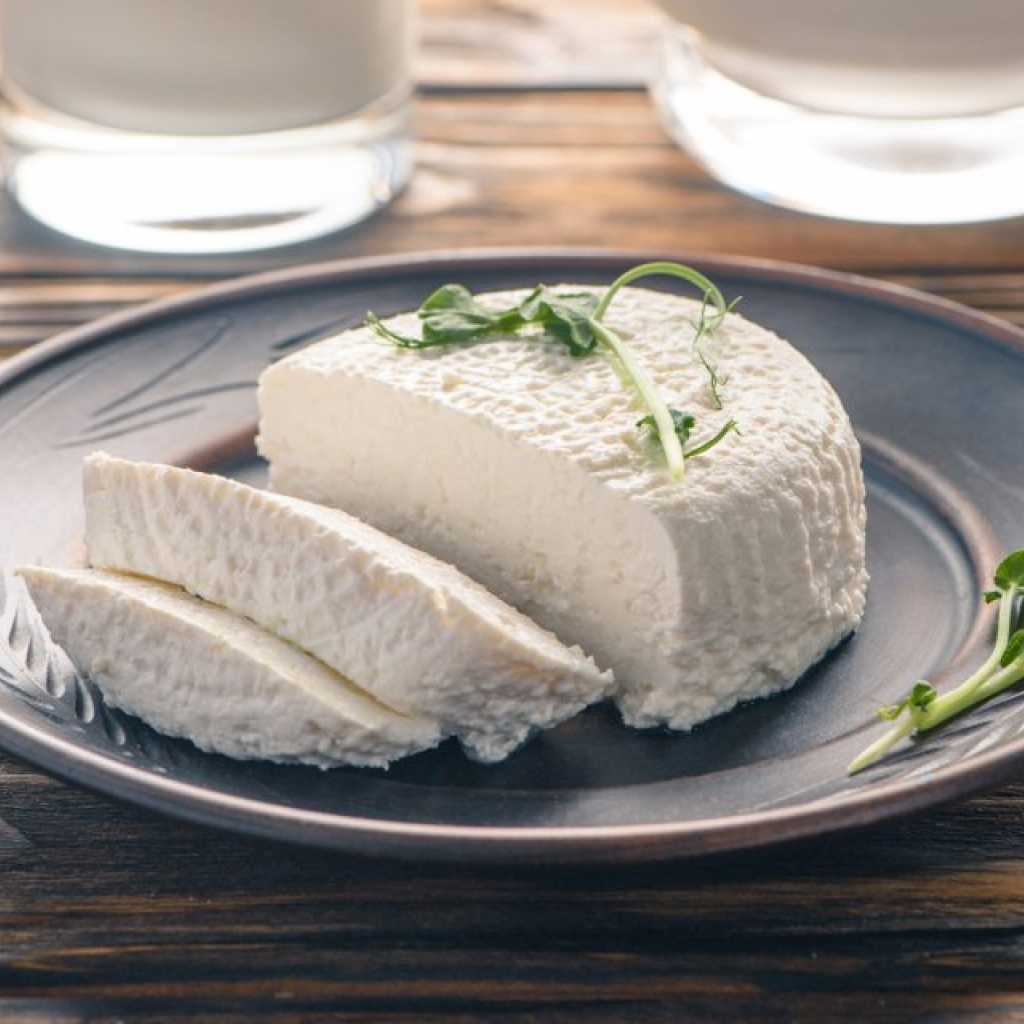
Of course, apples are healthiest when eaten fresh. They can be nibbled, eaten in fruit and vegetable salads, or juiced. Fresh apples can be added to cottage cheese, porridge, or cereal. However, fresh apples don't last long, and processed apples can be eaten by some, who may find fresh apples both beneficial and harmful.
Apples are very tasty when baked. Baked apple – a favorite children's treat. Apples are baked in caramel, served in chocolate glaze, and apple slices are used in sweet fondue. They are also delicious in a variety of casseroles, pancakes, and fritters.
Apple pies – is almost the first baked good that comes to mind. These can be open pies, closed pies, pies like charlotte, where apple pieces are mixed into dough or poured over it, pies, muffins, and cookies. Apples are used to make pastila, marmalade, and homemade candies.

Aroma and benefits all year round
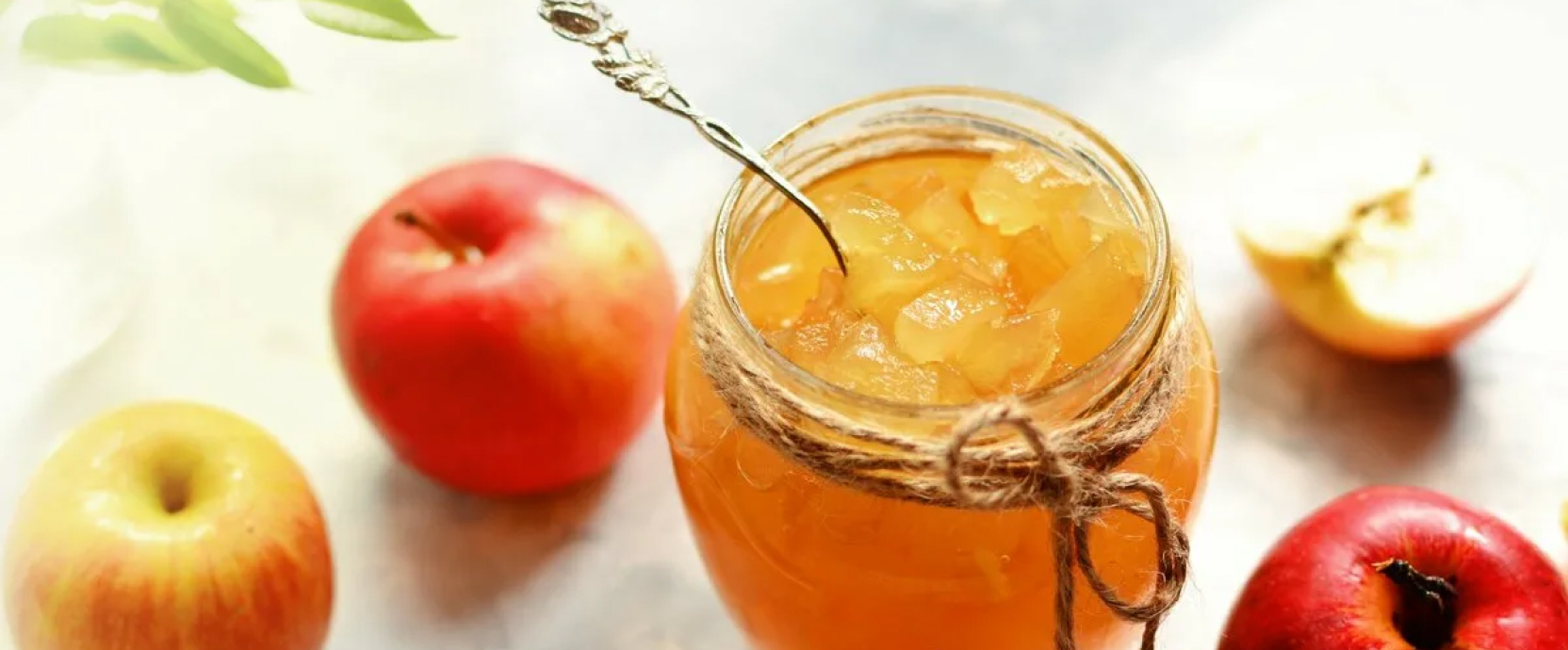
Compotes are made from apples and jam, which can be drunk and eaten immediately, or stored for the winter. Apple juice and puree are also canned. Drying is a very popular way to preserve apples. They are used to make regular dried fruit for compote mixes, as well as crispy ones. apple chips – a very popular type of healthy snack. The easiest way to dry apples is to slowly dry them in the oven at a low temperature. Apples for compote are dried in chunks and thick slices, while for chips, thin, flat slices are suitable, which are laid out in a single layer on a parchment-lined baking sheet.
A classic Russian recipe is pickled apples. These are apples preserved through lactic acid and alcoholic fermentation. Late-season, autumn-winter apple varieties are best for pickling. The fruit is poured in a brine of salt, sugar, and a decoction of cherry or currant leaves, layered with the same leaves, and left in a warm place under pressure for 3-5 days, then kept in a cool place for several weeks to two to three months.
For lovers of homemade alcohol, apples are an extremely valuable resource. They are used to make homemade wine, strong liqueurs, cordials, and, of course, cider, which is very easy to make without adding dry yeast, simply by natural fermentation with wild yeast. The difference between apple wine and cider is that natural cider is made from pure juice, while wine is made from a mixture of juice and pulp, to which sugar and sometimes yeast are added. Wine is usually stronger.