Lent is not a hunger strike! Let's fast deliciously.
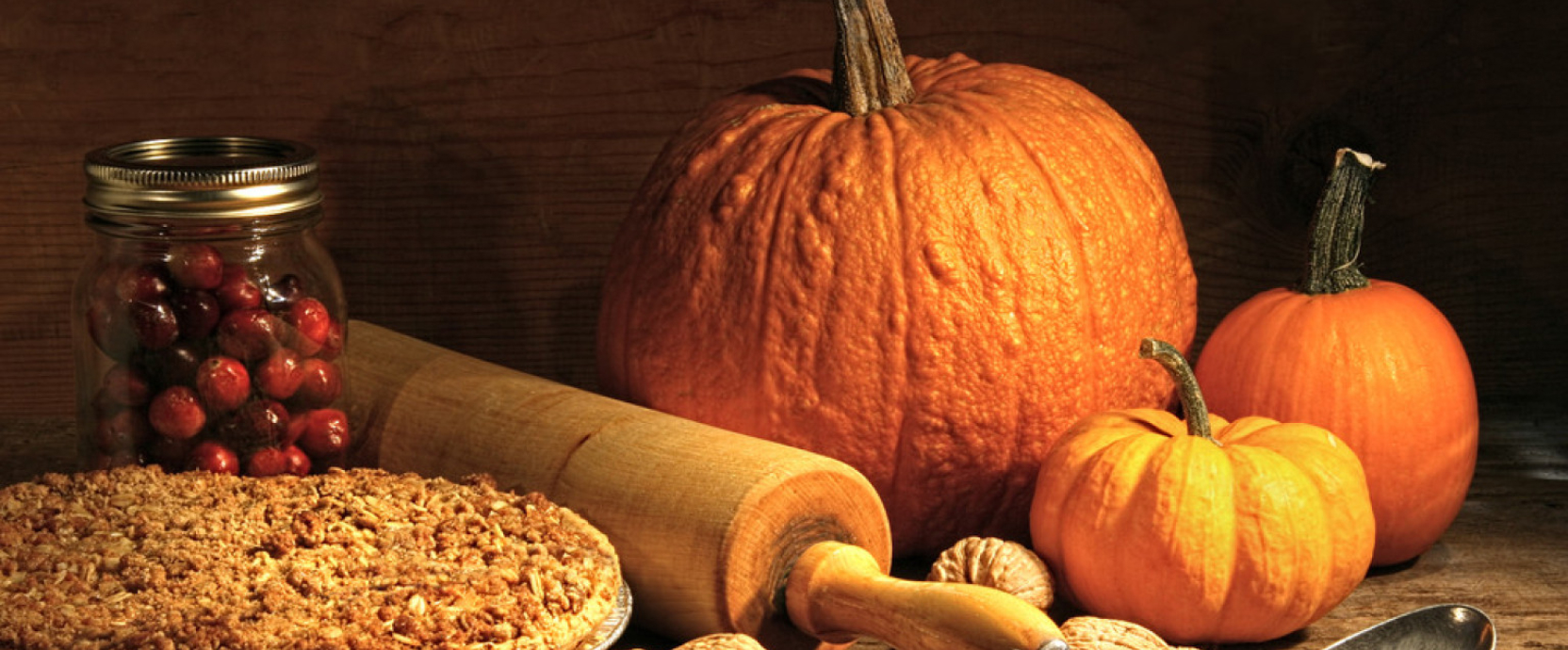
In ancient Rus', not observing the fast at the appointed time was considered not only sinful but also indecent and even suspicious, marking one as either a freethinker, an atheist, or a "basurman." This was because such behavior was difficult to explain as mere gluttony—Lenten cuisine was quite varied, and there was no prohibition against eating well during Lent, unless the fasting person was an ascetic monk who had taken the appropriate vows. Moreover, the timing of the fasts was coordinated with the natural and agricultural cycles, and forbidden items were too expensive at that time of year. It was considered pious to spend any "extra" money during Lent on charity rather than on indulging one's stomach with hard-to-find foods. Of course, plant foods in the winter before Christmas and early spring during Lent were not as varied, but vegetables that could be stored for a long time in the cellar and numerous preserves, especially sauerkraut, dried mushrooms and berries, as well as honey collected in the summer, were enough to ensure that the Lenten meal was not monotonous and dull.
These days, even among those who consider themselves Orthodox, not all strictly observe all church rules, but many fast. While less strict fasts and holidays that fall during Lenten periods allow for dairy products and even fish, Lenten cuisine resembles veganism—except that honey is not considered a "fast food" and is not prohibited. Therefore, it can be said that fasting is quite modern! Lenten cuisine also includes a full range of familiar dishes.
Appetizers and salads
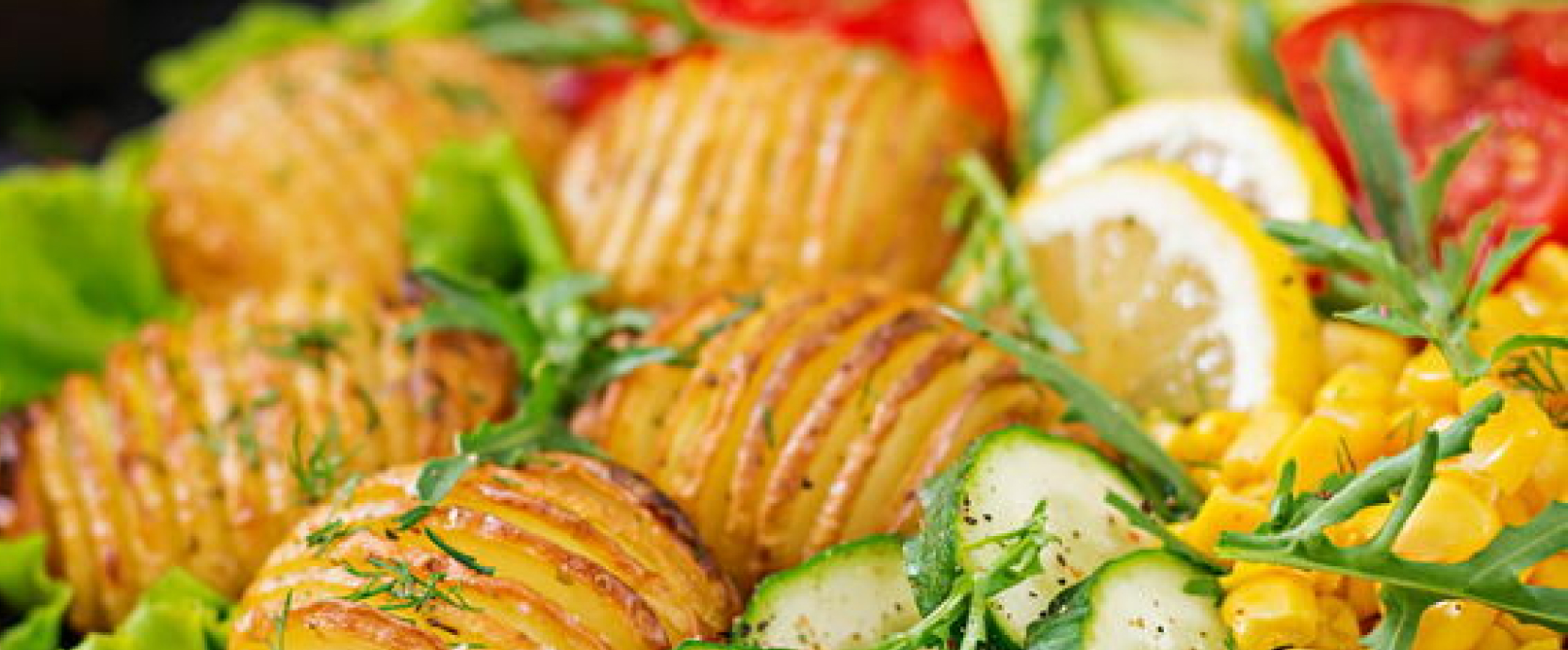
It's not simple here, it's very simple. Salads and appetizers containing meat, poultry, fish, eggs, butter, and other dairy products are eliminated from the menu. That means no mayonnaise or similar sauces, nor sour cream. Vegetable oil (aka "lean"), vinegar, and lemon juice remain as salad dressings. Any condiments can be used.
In hearty salads, meat and fish ingredients can be replaced with other sources of protein, such as legumes (lentils, chickpeas, beans) and mushrooms, such as readily available champignons and oyster mushrooms, or dried and frozen wild mushrooms.
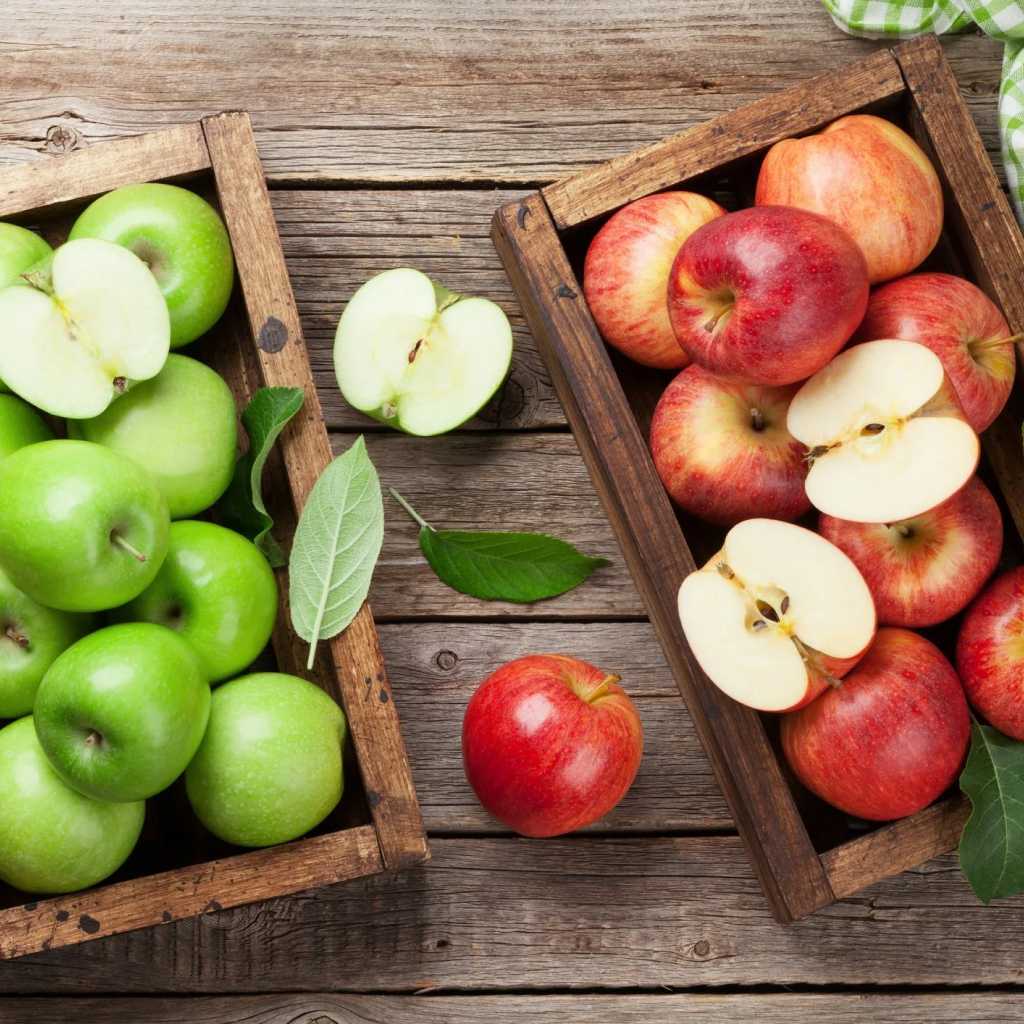
Salads made from fresh seasonal fruits and vegetables, readily available at any grocery store, are an excellent source of vitamins – cabbage, beets, carrots, and grated apples. An example is the "Brush" salad with a lemon juice and vegetable oil dressing.
A great savory appetizer can be made from the most ordinary mashed potatoes by adding some unusual ingredients – a great example is the national Greek dish Skordalia – mashed potatoes with garlic-almond paste.
First
Of course, when thinking of Lenten soups, the first thing that comes to mind is "empty" shchi, the quintessential Russian first course. And the closest southern Russian (Ukrainian) version is, of course, Lenten borscht. In both cases, pickled cabbage for the winter is very useful.
Any other vegetable, mushroom, and grain/bean soups are also suitable for Lent. The only thing you should avoid is adding smoked meats and sour cream to them, and they should be cooked strictly in water or vegetable broth.
Second
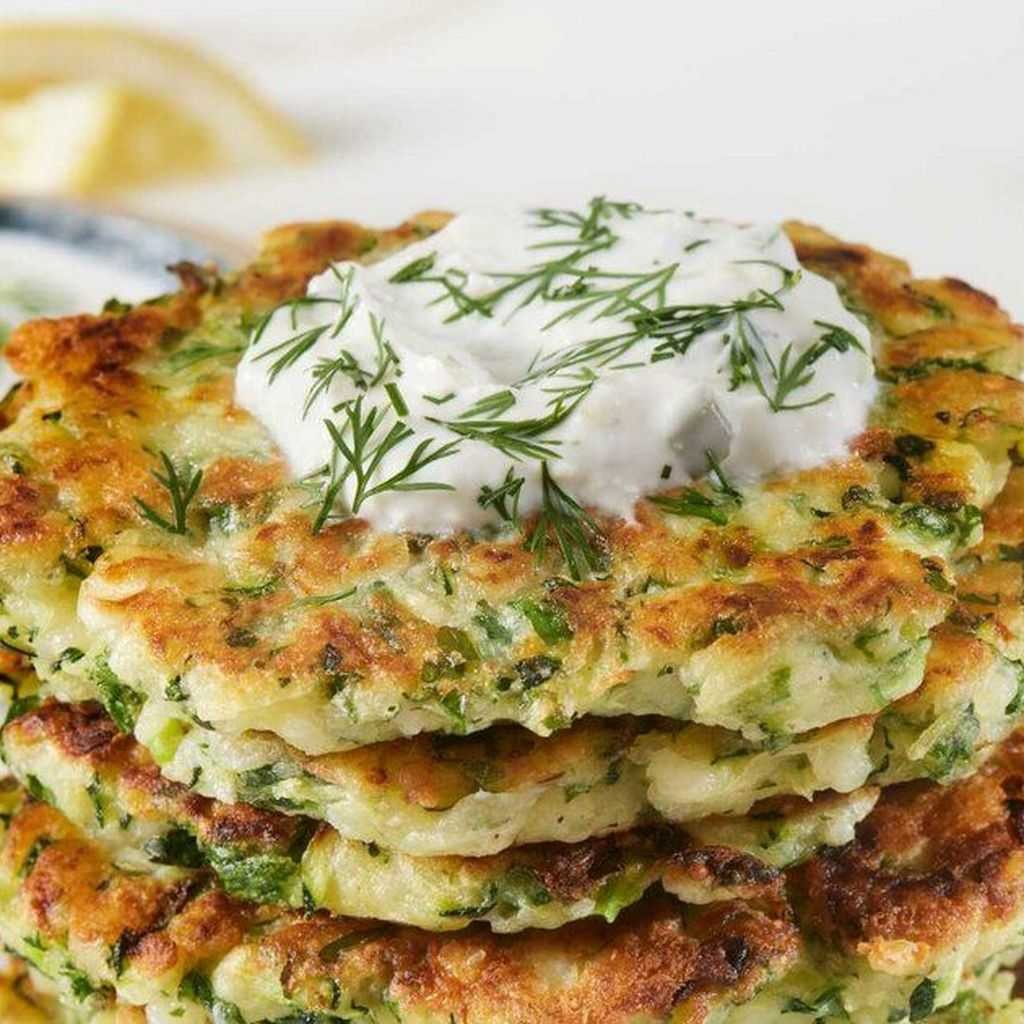
During Lent, you don't necessarily have to give up cutlets and meatballs; simply rely on plant-based sources of protein—for example, buckwheat and mushrooms, which make excellent Lenten Belarusian-Ukrainian grechaniki.
Of course, don't forget about water-based porridges—they come in a variety of flavors and with various plant-based ingredients. Buckwheat with mushrooms is also delicious in this form.
Besides cereals and potatoes, stewed cabbage is very good during Lent, and if you add rice, as in another Greek Lenten dish – Lachanorizo, it will turn out much tastier and more filling.
Desserts and pastries
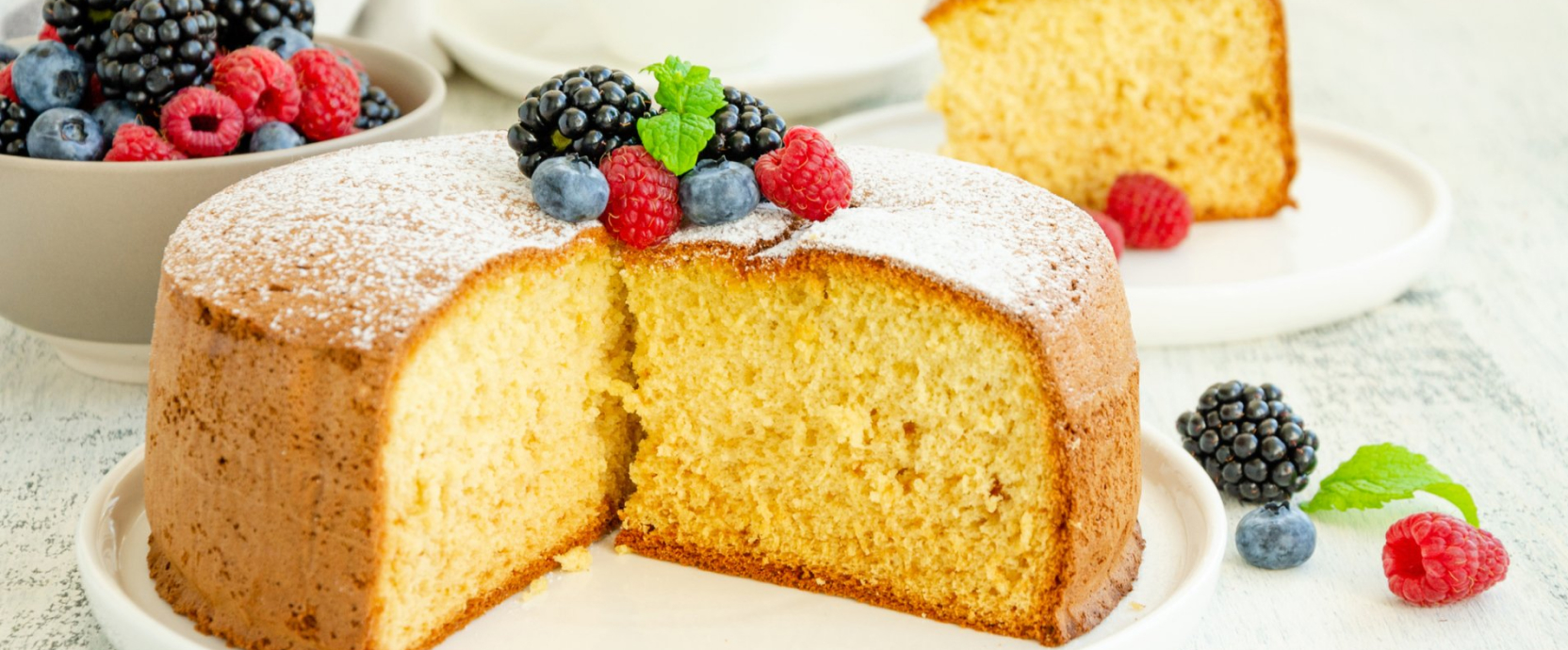
Lent isn't a reason to forget about sweets and baked goods! The rules remain the same: no milk, kefir, sour cream, and, of course, no eggs. Inexpensive and delicious desserts can be made from dried fruits—for example, figs can be used to make delicious, crispy Lenten tea sausages, similar to salami, and carrots and walnuts can be used to make candy balls.
Throughout Lent you can bake pies – of course, with vegetable and mushroom fillings or with porridge, open and closed, and sometimes even such exquisite ones as the famous chocolate-vanilla pie “Zebra”,
And throughout Lent, not just during Maslenitsa, which precedes it, you can have golden-brown pancakes for breakfast—also Lenten, of course. To make the pancakes light and fluffy, use sparkling water. It can also be used in other Lenten baked goods to make them fluffier. Pancakes can be wrapped with any vegetable, mushroom, or fruit filling, and eaten with honey or jam. And on Lazarus Saturday, you can even eat them with caviar! Incidentally, on major holidays like the Annunciation and Palm Sunday, you can indulge in your favorite fish dishes!
Finally, it can be said that no matter how delicious and varied Lenten food may be, moderation in eating is essential. Otherwise, the fast will be merely a nominal observance of tradition, and the body will continue to dominate the spirit. Well, then there's little point in bothering with Lenten dishes...