Scrambled eggs – is it that easy?
Humans are known to have domesticated chickens approximately 8,000 years ago. However, initially, chickens were bred not for their eggs, but for their tender and nutritious meat. In ancient times, people were unable to create the conditions necessary for poultry to lay eggs regularly and in large quantities, and the eggs of meat-producing chickens were small. Eggs were either an occasional supplement to food, as in the days of foragers, when primitive humans, like wild animals, raided birds' nests, or a delicacy. In ancient Rome, eggs were served with honey as a dessert.
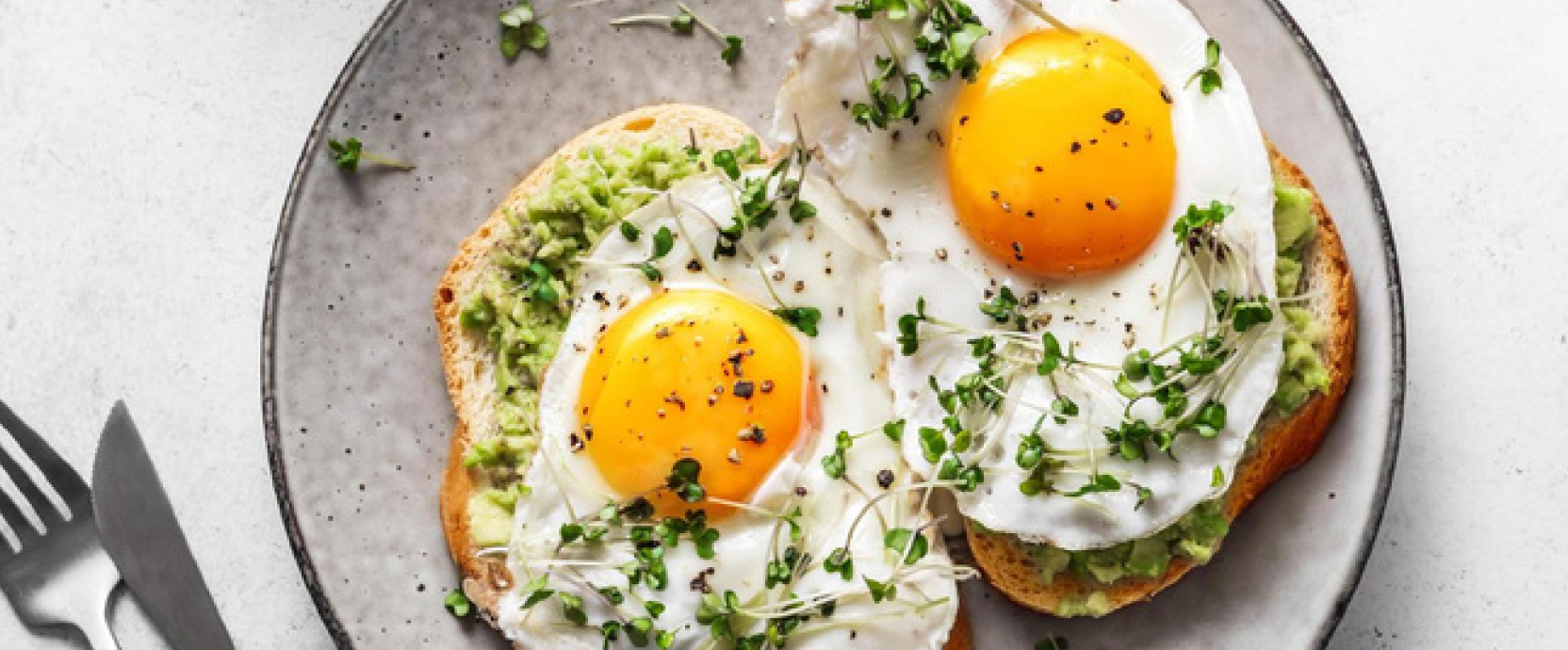
In Europe, the true egg boom only began in the 17th century. Naturally, the French were culinary innovators here too, inventing the omelet—an egg mixed with milk and various seasonings and fried over a fire. A little later, the classic fried egg, which, paired with fried bacon, became a quintessential English breakfast, was invented in England, as was the equally popular scrambled egg.
Eggs began to be widely used in Russia in the 19th century, when, after the victory over Napoleon, even ordinary soldiers became familiar with the local cuisine in France. Egg dishes ceased to be the preserve of aristocrats or vagabonds (the latter ate eggs for lack of better options, stealing them from birds' nests or from other people's chickens). Eggs began to be added to pie and pancake batter and, of course, fried eggs, which were initially served in taverns as an appetizer.
It wasn't until the late 19th and early 20th centuries, when poultry farming finally became industrialized and even in village homes, chickens increasingly played the role of laying hens, that every home became home to a dozen fresh eggs. And it wasn't just wealthy aristocratic households that began experimenting with good old scrambled eggs.
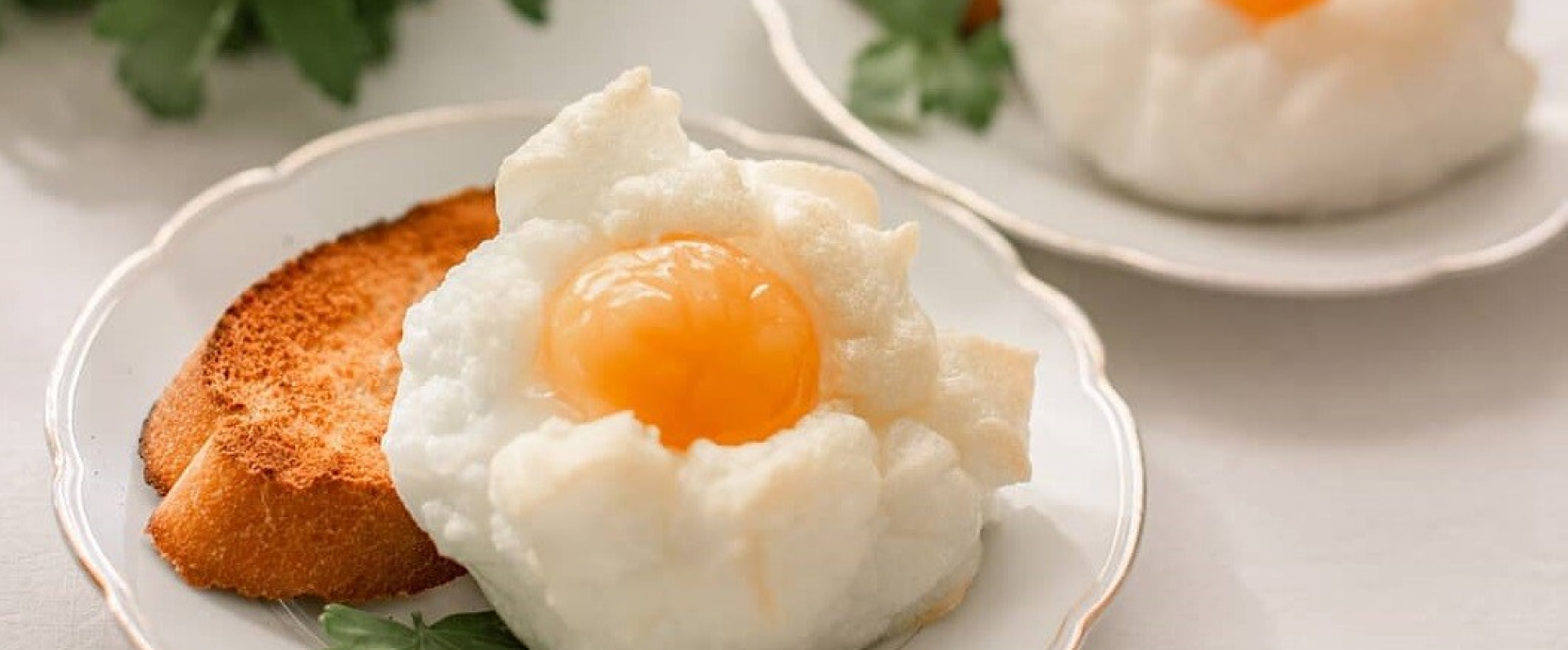
Speaking of aristocrats, one unusual variation of the common fried egg—Orsini eggs—is named after an Italian count who shared his family recipe with the great French Impressionist artist Claude Monet. The secret to this dish is that the whites are whipped and baked separately, and then the yolks are added to these beautiful "rosettes" and baked in the same manner.
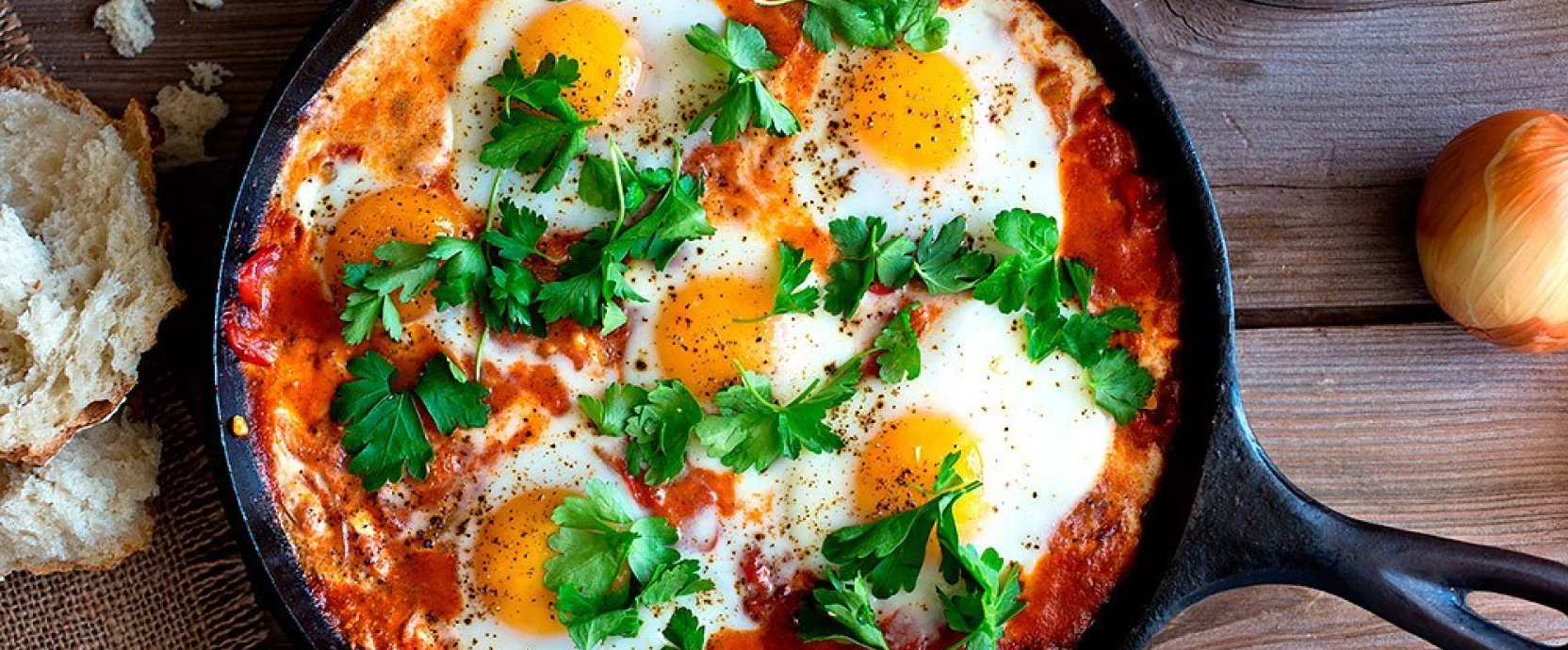
In different countries and among different peoples, fried eggs have their own local flavor and distinctive features. The hearty and flavorful dish shakshuka originated in North Africa and was adopted by local Jews. Here, fried eggs are immersed in a thick, spicy sauce of tomatoes, bell peppers, and onions. A similar dish, called chirbuli, is also prepared in Georgia. The recipe is enhanced with walnuts and local spices.
In sunny Bulgaria, where there's also no shortage of vegetables, a common breakfast dish is the amusingly named mish mash, meaning "mess," or "bizarre mixture." Besides sweet peppers and tomatoes, it also includes feta cheese, hot peppers, and fresh herbs. The eggs aren't added whole, but rather mixed with the other ingredients.
In India, they also "like it hot." An Indian omelet is cooked in a frying pan as a folded pancake, topped with the same selection of vegetables and a blend of herbs.
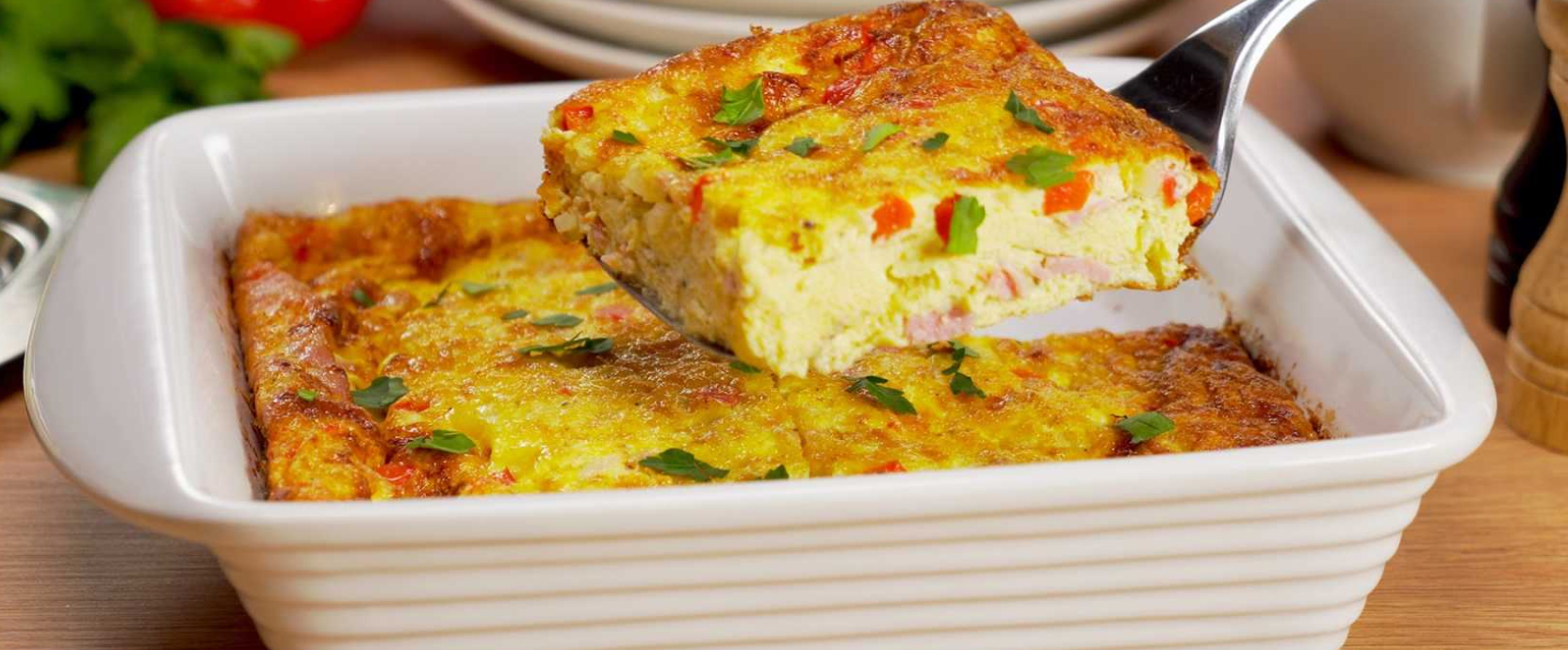
Spain has its own version of scrambled eggs—huevos rotos, or "broken eggs." This dish harmoniously balances the proteins and fats of chicken eggs with the carbohydrates of new stewed potatoes. Italy also appreciates this combination, making a frittata, an egg and potato casserole. Potatoes are cut into small cubes or thin slices and lightly boiled, then sautéed with onions in a pan. The potatoes are then topped with a seasoned omelet mixture and cooked first in the pan, then lightly baked in the oven.
Americans, like Russians, love a hearty and substantial meal. Legends trace the Denver omelet, a popular American diner dish, back to the days of the Wild West and the Gold Rush. Cowboys, prospectors, and soldiers valued a quick and filling meal. A Denver omelet is made with ham, cheese, vegetables, and cream, and requires at least eight eggs. It's not just breakfast, but a full-fledged lunch.
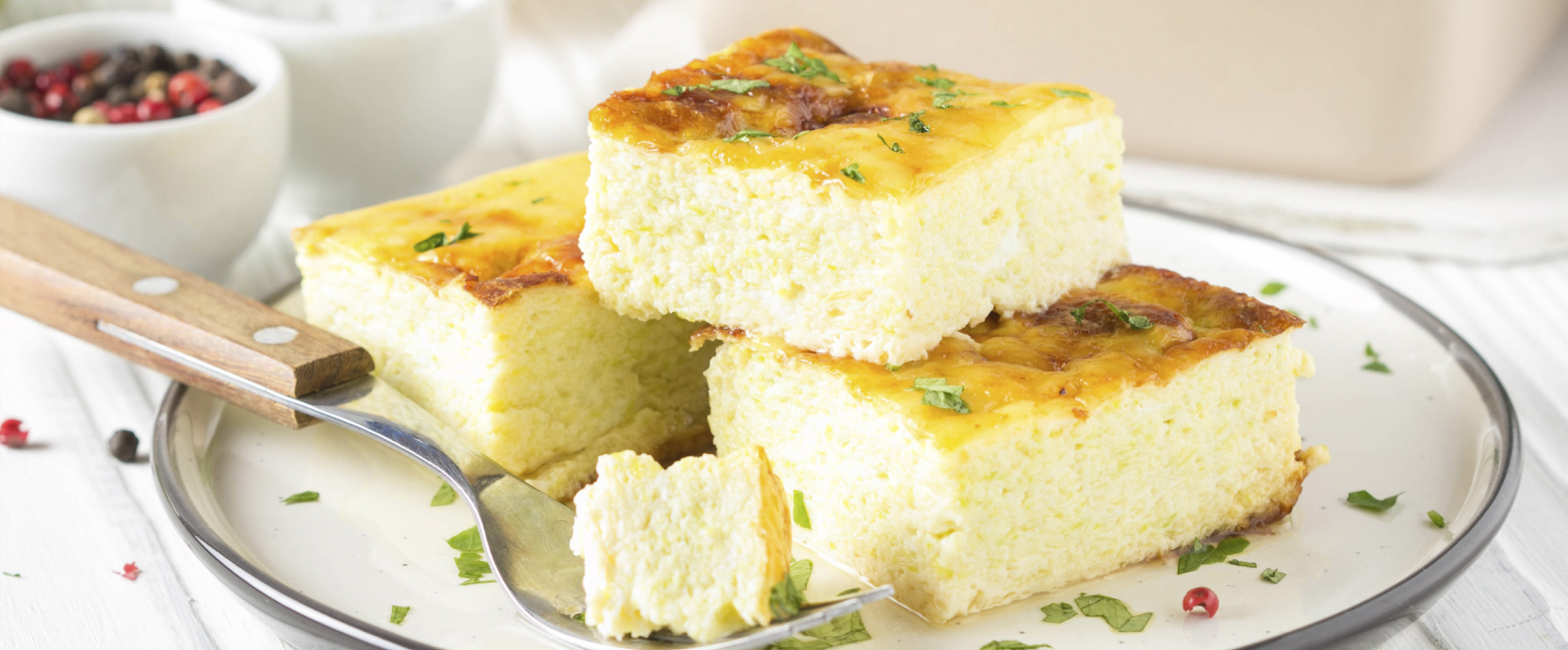
Returning to the simplest omelet without additives, it's an excellent baby food, light and healthy. The egg yolk contains almost all the nutrients a growing body needs, and the egg white is very easily digestible and contains important antioxidants. Those who attended kindergarten will remember the delicate omelet cooked in the oven. If you want to make a fluffy, firm omelet in a frying pan, it's best to use a thick-walled cast-iron pan. Mix the eggs and milk in a 50/50 ratio (6 eggs to 300 ml of milk), and stir gently with a whisk, without over-beating. Cook the omelet under a lid, preferably a transparent one, so you can check its doneness without opening it—if you open the lid during cooking, the omelet will immediately collapse.