Home Canning: Preserving Your Harvest for Winter
Harvest time at the garden plot is both a pleasant and challenging time. If your cucumbers, tomatoes, fruits, and berries have produced a splendid harvest, it's a source of legitimate pride for the gardener, and a guarantee that the winter will be filling, delicious, and vitamin-rich—if you manage to preserve all this splendor. And just like growing a good harvest, there are secrets. Preserving is a rather delicate matter. If you didn't care for your plants properly in the spring and summer, you might simply be left without cucumbers and tomatoes. If you violate the rules of preservation and storage, you can not only waste everything you've painstakingly grown and harvested but also seriously harm your health. However, avoiding these unpleasant consequences isn't all that difficult.
What and how do we save?
A wide variety of foods can be preserved for the winter. Primarily, these include, of course, vegetables, fruits, berries, and mushrooms. But some people also preserve homemade stews, sauces, appetizers, and compotes. Just remember that canned meat and fish are subject to particularly strict safety requirements, so it's important to strictly follow the recipes and container handling instructions to avoid serious poisoning.
The most popular methods of preserving vegetables are pickling, salting, and marinating. Fermented foods—especially cabbage—don't require any special storage conditions because the salt and sugar they contain reliably protect them from spoilage, and the fermentation process itself is the result of beneficial lactic acid bacteria. The only requirement is that the product be covered in brine. Fermented foods should be stored in a cool place with a temperature of up to 10 degrees Celsius and away from light. A village cellar or an unheated city loggia is suitable for this purpose.
Pickled cucumbers and tomatoes also keep well, but the jars should still be sterilized. If the brine is hot, the jars should be tightly sealed with lids, then turned upside down and allowed to cool. If the brine is cold, the sealed jars should be re-sterilized, but not for too long, to avoid destroying the vitamins. This is necessary to kill any bacteria that entered the jar when the lid was sealed. To extend the shelf life of pickles, add dill, garlic, and horseradish—it's best to place a layer of horseradish on top. These additives act as natural preservatives.
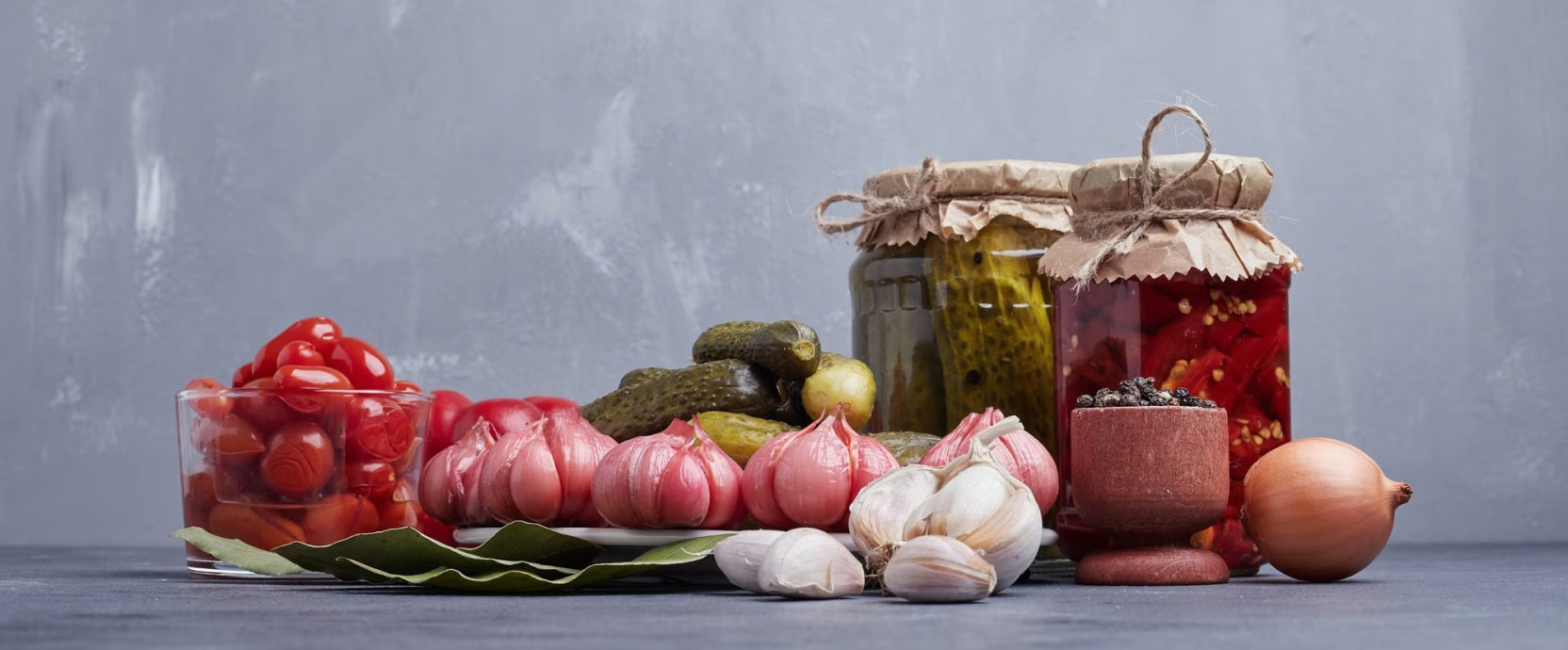
Vinegar is most often used for pickling at home. The exact amount to add is usually specified in recipes. Substituting apple cider vinegar for regular vinegar can produce a more interesting flavor, but again, it's important to maintain the correct proportions, as apple cider vinegar typically contains a lower percentage of acetic acid.
If you're marinating mushrooms, you should first boil them in water, then in the boiling marinade, and then place them in jars while still hot – that's when they'll be truly delicious.
To ensure that your bright, beautiful cucumbers retain their color even when pickled, and don't look like they were pulled out of a swamp, pour boiling water over them in the jar before adding the marinade, let them sit for a bit, and then drain the water.
To prevent tomatoes from bursting in the marinade, puncture each tomato near the stem. It can also help to pour the marinade in three batches, so that each batch is hotter – this will ensure even heating. You can also add a little oak bark infusion to the jars.
Berries and fruits are most often preserved for the winter as jam. Cooking with a large amount of sugar preserves the flavor and allows the jam to be stored for a very long time. However, unfortunately, this process destroys most of the vitamins. Therefore, many prefer to preserve berries pureed with sugar. However, this is not considered canned food, and such preserves should be stored in the refrigerator.
Tasty and safe
There are a few basic rules for long-term preservation, regardless of the recipes you've learned from your grandmother or found online. Whatever marinade you use for your vegetables or mushrooms, whatever jam, salad, or compote you're preserving, you'll first need jars and lids. Glass jars used for home canning vary only in capacity, but lids are a more complex and important issue. After all, preventing germs from penetrating your preserves from the walls of poorly sterilized jars isn't enough; you also need to prevent them from entering from the air. Plastic lids are the weakest link here—they're only worth using for jam. Metal lids with threads are slightly better, provided you screw them on tightly enough. But even this isn't a guarantee against invisible airborne pests. So, the best option is a time-tested method: flat metal lids and a special machine. If your preserves are truly large, the effort is definitely worth it, as these lids seal the jars truly hermetically.
Once you've selected both lids and jars of the desired capacity, you need to thoroughly sterilize both. First, wipe the lids and jars on all sides with a baking soda solution—about a tablespoon of baking soda per liter of water. Then, boil both thoroughly—scalding them with boiling water isn't enough—and then dry them. Boil the jars in a large saucepan with the necks up, filling them and the saucepan with cold water so that it covers the necks, or laying them on their sides if they're too tall. Place the lids in the same saucepan. Bring the water to a boil and boil for about 20 minutes. Afterward, dry the jars by placing them upside down on a clean towel to prevent airborne bacteria from entering.
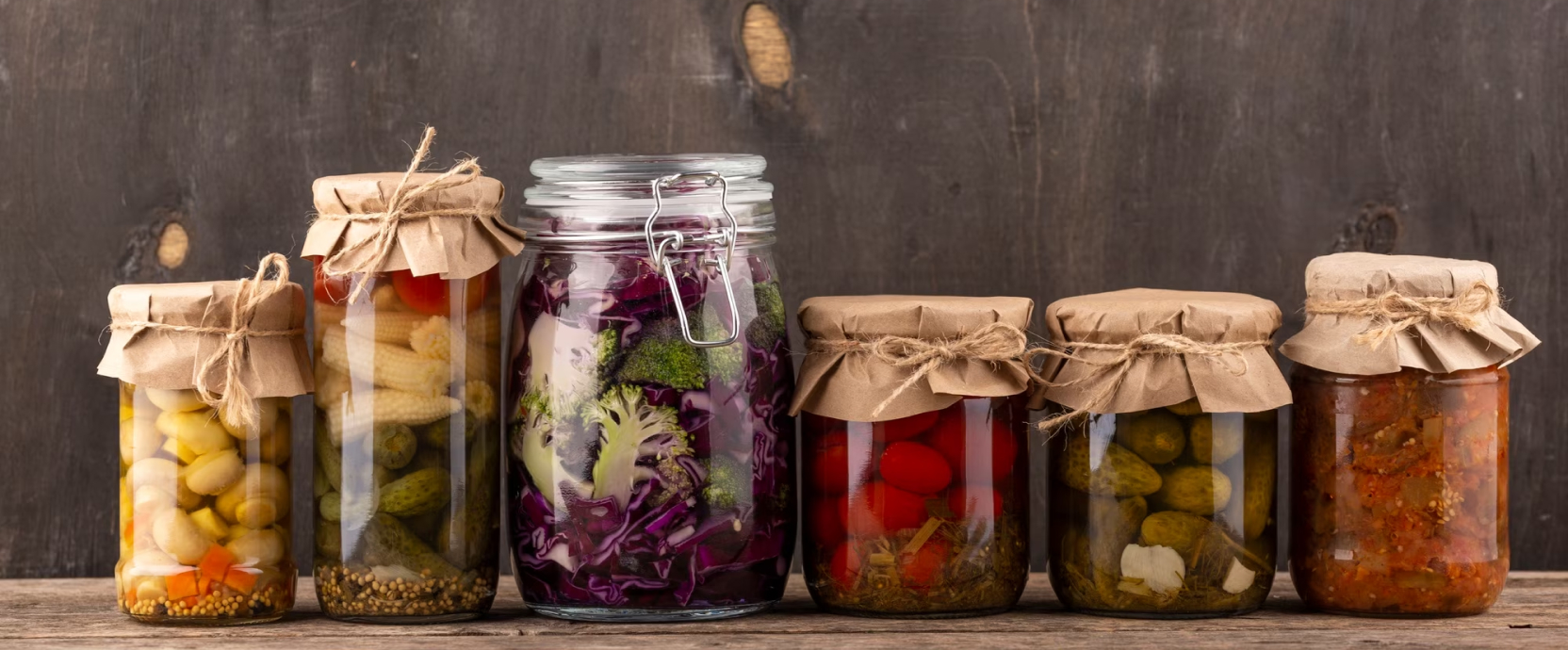
Jars can also be sterilized by placing them upside down in a colander or on a rack over a pan of simmering water, or by inserting the jar upside down into the opening of a boiling kettle. Many people use the microwave to sterilize jars, adding about 2 cm of water to each jar—just remember that the microwave is not suitable for sterilizing lids. Finally, the oven is a great option, as even the largest jars will fit in it. Place the jars in a cold oven, along with metal lids without rubber seals. Seal the lids, set the oven temperature to 100-110 degrees Celsius, and sterilize for 20 minutes. Then turn off the oven and let the jars cool slightly.
Pour the marinade or fill the jars with the finished product up to the neck, leaving as little air as possible. Then, seal the lids tightly and turn them upside down to sterilize the inside of the lid with the hot marinade. The longer the jars sit upside down, the better.
To prevent a "badabum" from happening
Everyone knows that glass is a fragile material and is prone to cracking not only from impact but also from sudden temperature changes. Therefore, if you're pouring hot marinade into jars, you should place something under the bottom to absorb excess heat—for example, a knife, a metal plate, or a folded dry towel. When you turn the jars upside down, it's also a good idea to wrap them in towels—this will ensure they cool more evenly and prevent the lids from leaking. Pour the hot liquid gradually to allow the glass to adjust.
Jars can also explode during storage due to improper sterilization, inadequate washing, or failure to scald vegetables with boiling water before cold marinating. This occurs due to the activity of bacteria, which produce gases. Even well-sterilized jars are at risk if they contain already rotten vegetables, which can harbor bacteria. Therefore, vegetables must be carefully sorted before canning. Trying to salvage the contents of an exploded jar is strictly prohibited – not only is the risk of glass fragments, but the product is already irreparably spoiled and dangerous to your health. Following all canning rules is the key to ensuring your preserves survive both the winter and early spring.
Preserve without water
There are ways to preserve a wide variety of foods for the winter in ways that maximize the preservation of nutrients. These include drying, curing, and freezing. A wide variety of foods can be preserved this way, even meat, although freshly frozen meat can only be stored in a home freezer for a few months, not all year round. The same applies to dried meat and fish, which, even in the refrigerator, have a shelf life of no more than six months.
Dried mushrooms, apples, and other fruits and berries perform much better – they can be stored for a very long time. Before drying, vegetables, fruits, and large mushrooms should be thinly sliced. Dry the food in the oven at a low temperature using convection mode or with the door slightly ajar. The oven temperature should not exceed 80 degrees Celsius (176 degrees Fahrenheit). When drying fruit, start at 80 degrees Celsius (176 degrees Fahrenheit) and then reduce the temperature to 40 degrees Celsius (104 degrees Fahrenheit). For mushrooms, the opposite is true. Watery berries like currants or blueberries should be dried at a low temperature, increased halfway through the drying process, and then reduced again to prevent the berries from bursting and burning. The process takes 5 to 12 hours. Arrange the food on baking sheets in a single layer and not crowded together. Rotate the baking sheets during the drying process to ensure even drying.
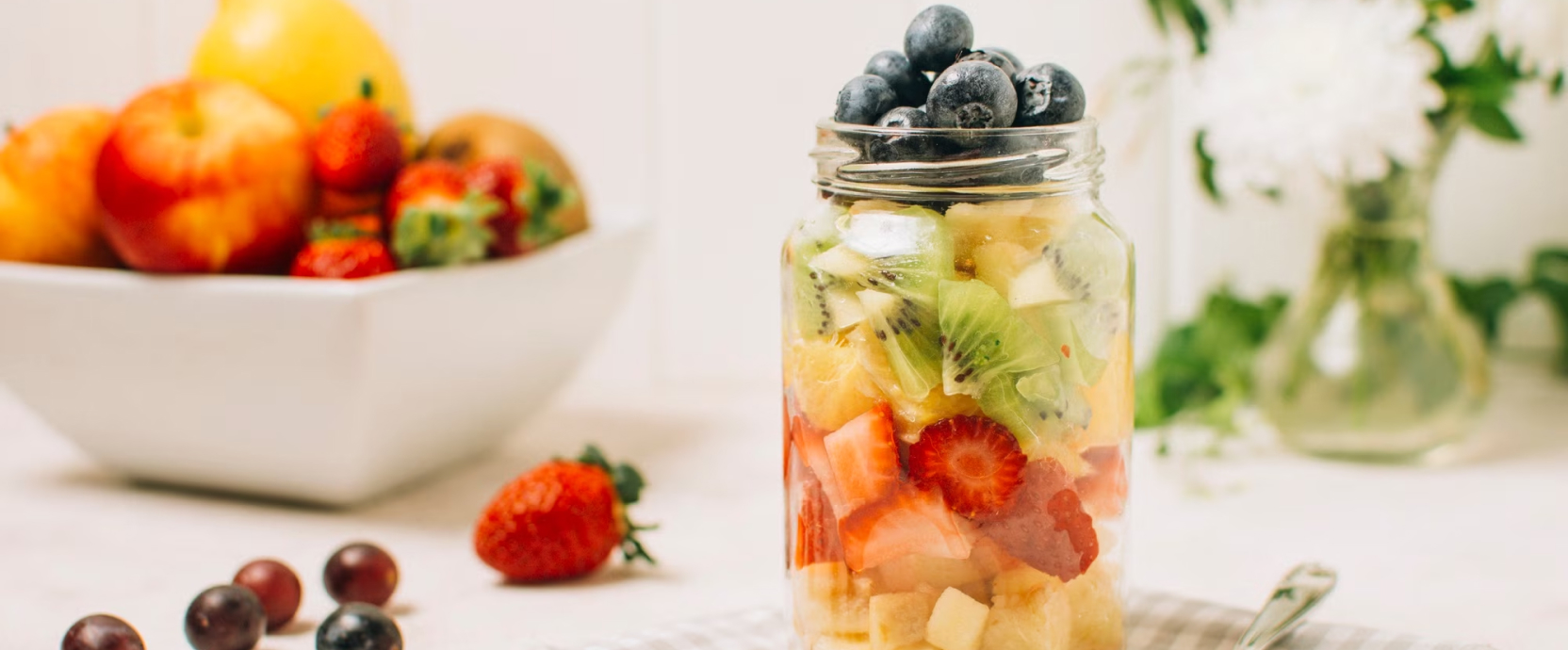
Freezing, for all its simplicity, has its nuances. First, fruits and vegetables must be thoroughly washed and then completely dried before freezing, otherwise they will become coated in a layer of ice. It's best to remove the pits from fruits with seeds, and chop large vegetables. It's best to freeze on a flat surface rather than in bags; otherwise, all the pieces or berries will freeze into a messy lump that will be impossible to separate without completely defrosting, which isn't always practical. Once frozen, package fruits and vegetables into bags, each portion roughly equal to one serving, especially for mixed vegetables for soups and dried fruits.
Even homemade sauces and tomato paste can be frozen—all you need are molds or cups. After freezing, portions can be removed from the molds and stored in bags—this will save a lot of freezer space.
It's important to remember that not everything can be frozen. Watery fruits like watermelon or melon will simply turn to ice, the same goes for cucumbers, while apples and lettuce will be "scorched" by the cold, becoming unsightly and tasteless.