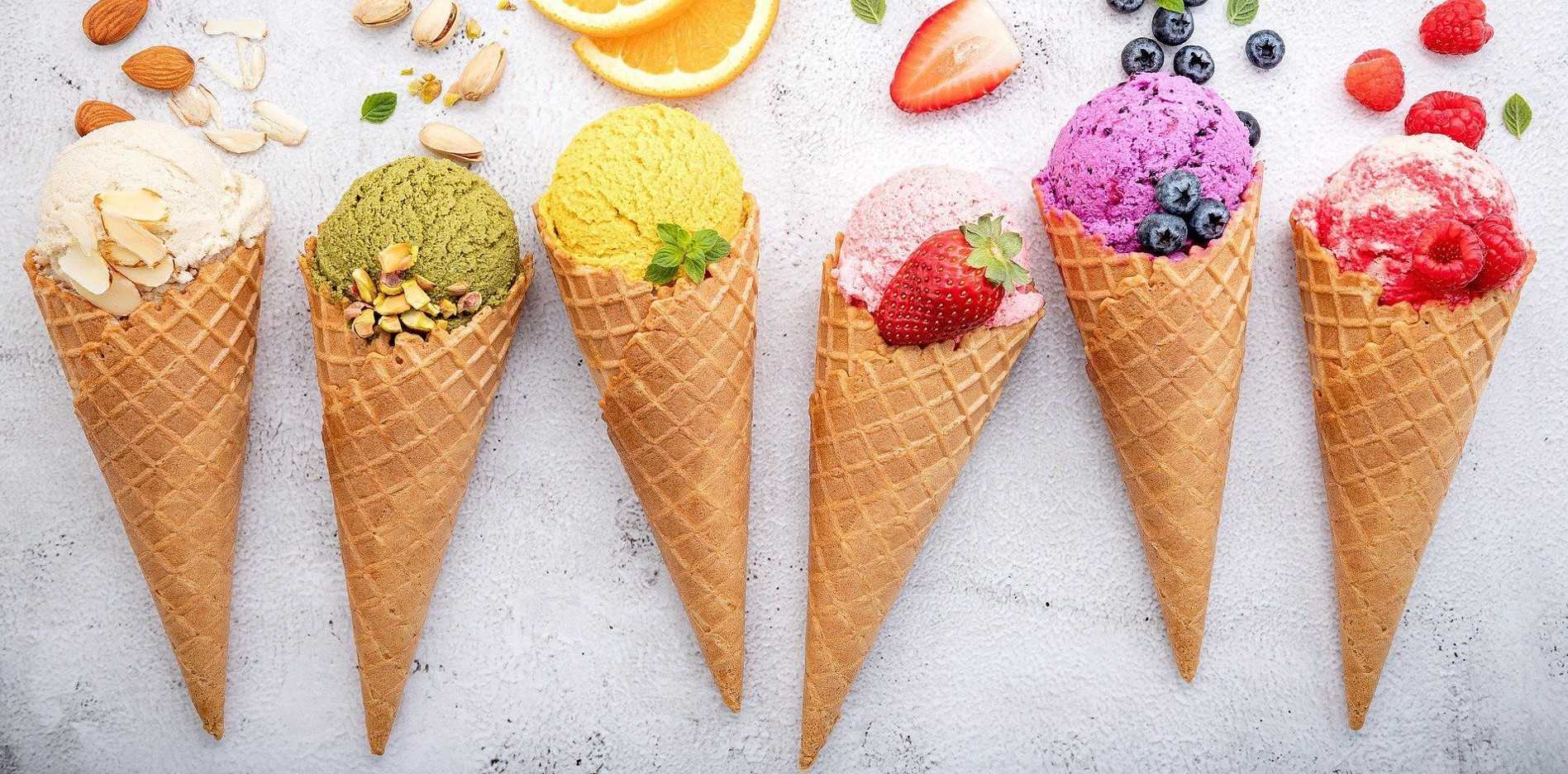
Ice cream is a summer delight for children and adults.
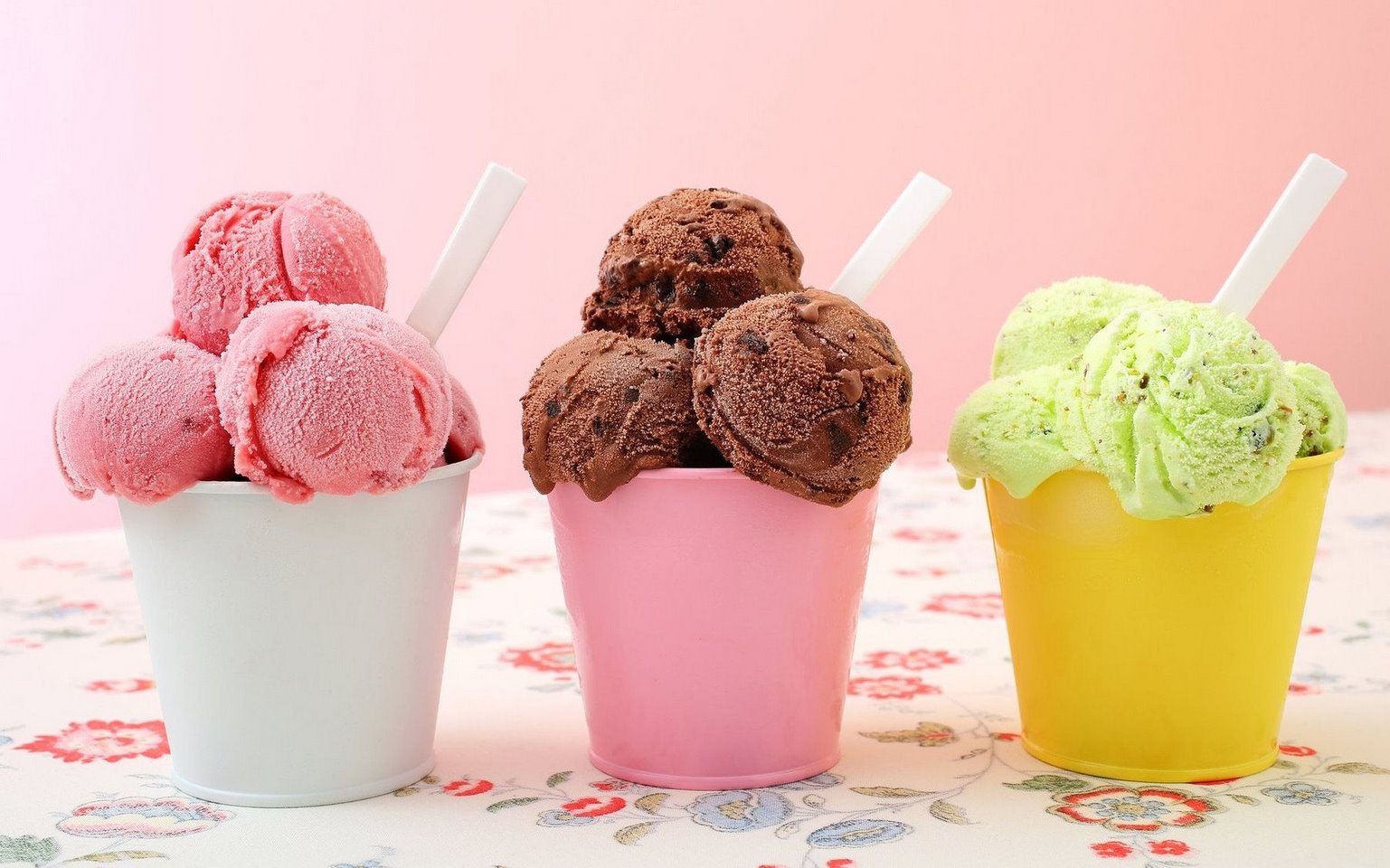
Ice cream is one of the most ancient desserts on Earth. It's logical that it originated in the warm and sunny regions of the East. Specifically, in China, over 4,000 years ago. The ancient ice cream recipe was initially quite simple: snow or shaved ice mixed with pieces of fruit and berries.
In Ancient Rome and Greece, the nobility also indulged in fruit snow, and the famous physician Hippocrates, himself a great fan of it, considered eating "ice cream" to be an excellent means of hardening.
The explorer Marco Polo brought sweet snow to Europe. Italian confectioners quickly realized it was a real gold mine and began working on perfecting the dessert, inventing the idea of adding milk. In the 17th century, the new ice cream recipe, more familiar to us, spread throughout almost all of Europe, and a century later, it reached Russia.
What types of ice cream are there?
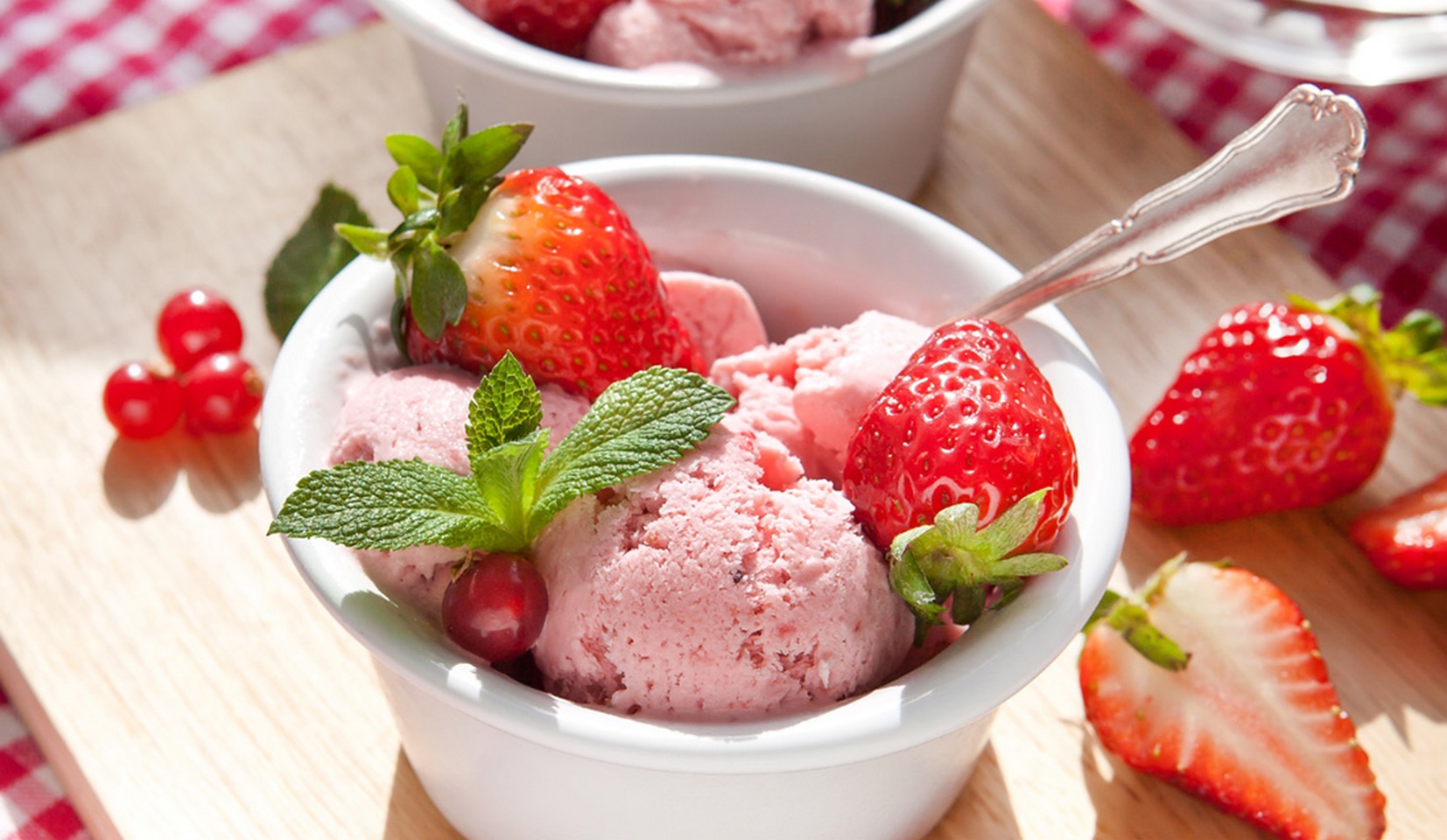
Ice cream recipes vary widely, and each has its own origin story. For example, the beloved plombir (ice cream) originated in the 17th century in Plombières-les-Bains, France. It was there that confectioners discovered the idea of mixing heavy cream with eggs and sugar, then freezing it.
Eskimo ice cream appeared in the United States at the beginning of the 20th century, more precisely on January 24, 1922, when an unknown confectioner from Iowa, Christian Nelson, patented his invention – a recipe for creamy ice cream covered in chocolate. He called the new ice cream "Eskimo Pie," and the wrappers often featured a picture of a happy northerner, although, of course, if Eskimos eat frozen dishes, they don't consist of cream and chocolate, but rather meat and fish. Initially, Eskimo ice cream was produced without a wooden stick; one wasn't added until a decade later, making it an excellent street dessert, very convenient to eat on the go. Lakomka ice cream, which appeared in the USSR in the 1970s, is in some ways a return to its "stickless" origins, although the icing is applied in a slightly different way.
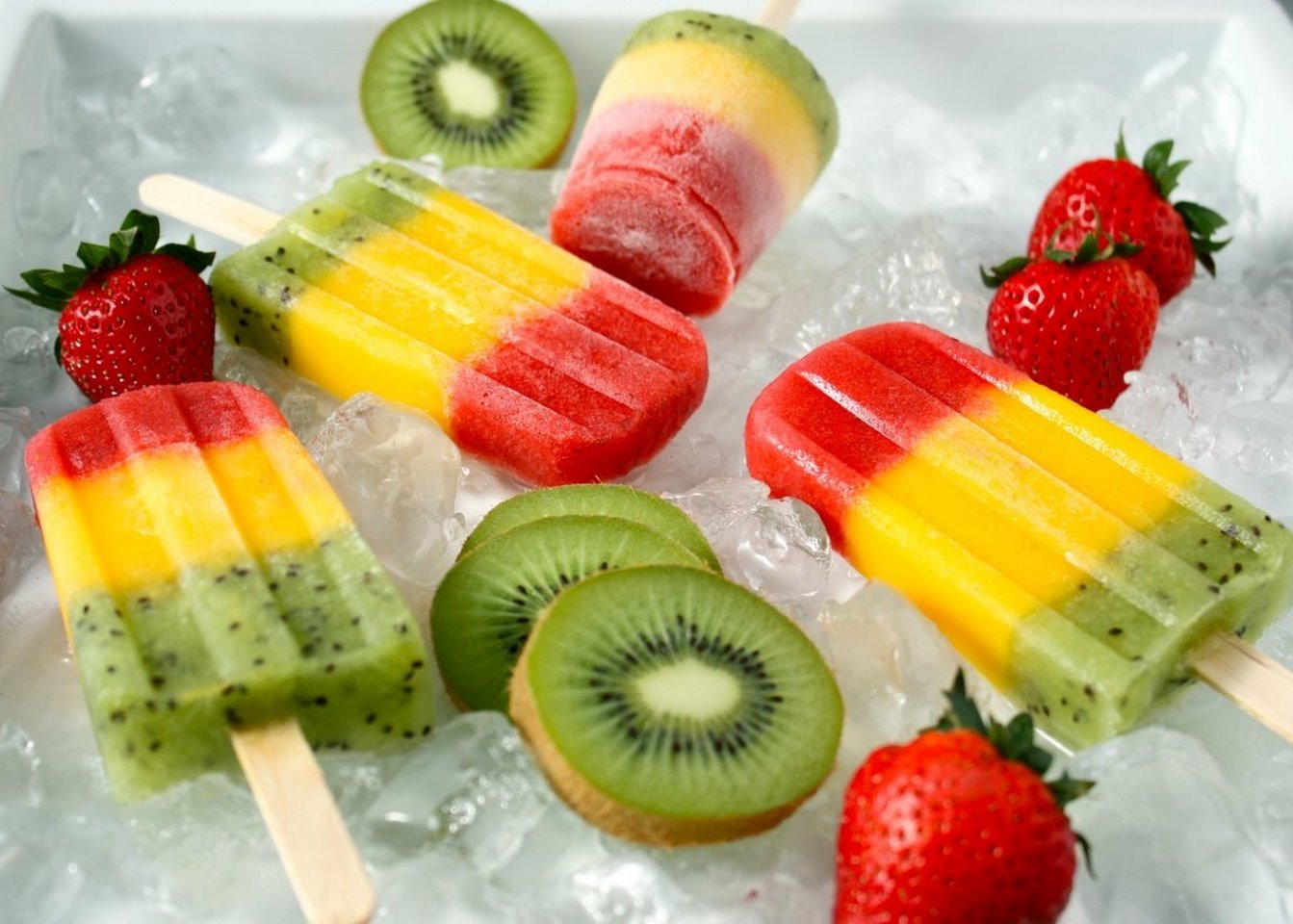
Fruit ice is also a return to its roots, to the frozen fruits of antiquity. Legend has it that the recipe for fruit ice was born by accident when a young American left a glass of compote with a spoon on the veranda during the cold season. In the morning, seeing the drink frozen, he scooped it out of the glass by the spoon and ate it. The boy's enterprising family immediately realized the profit they could make from this opportunity.
Sherbet or sorbet is also a return to a well-forgotten past. Originally, in the East, it was a chilled sweet fruit drink served between courses to refresh the palate. In 17th-century France, a little milk was added to the fruit puree and lightly frozen. There is a recipe for sorbet completely without milk and using sweeteners, popular among those who count calories or suffer from lactose intolerance.
Ice cream in Russia
Ice cream, as mentioned above, first appeared in Russia in the 18th century, in St. Petersburg, during the reign of Catherine the Great. Johann Isler, the owner of a pastry shop on Nevsky Prospekt, installed an ice cream machine. This hand-cranked ice cream maker allowed the creamy mixture to freeze while churning, preventing the formation of ice crystals and making the refreshing dessert more delicate. Of course, this dessert was initially enjoyed by the nobility, but within a century, street stalls selling inexpensive ice cream had become commonplace in both capitals.
After the Revolution, ice cream production initially declined, but was later industrialized thanks to the efforts of People's Commissar of the Food Industry Anastas Mikoyan. After visiting the United States with a delegation of party officials, he decided to acquire modern equipment and make ice cream a truly mass-market delicacy in the USSR, not only nutritious but also healthy, especially for children. Strict quality standards were developed, which is precisely why Soviet ice cream was so delicious. The first Soviet ice cream factory was built in Fili, near Moscow, and to this day, Fili ice cream is considered the highest quality.
Homemade ice cream is tasty and healthy.
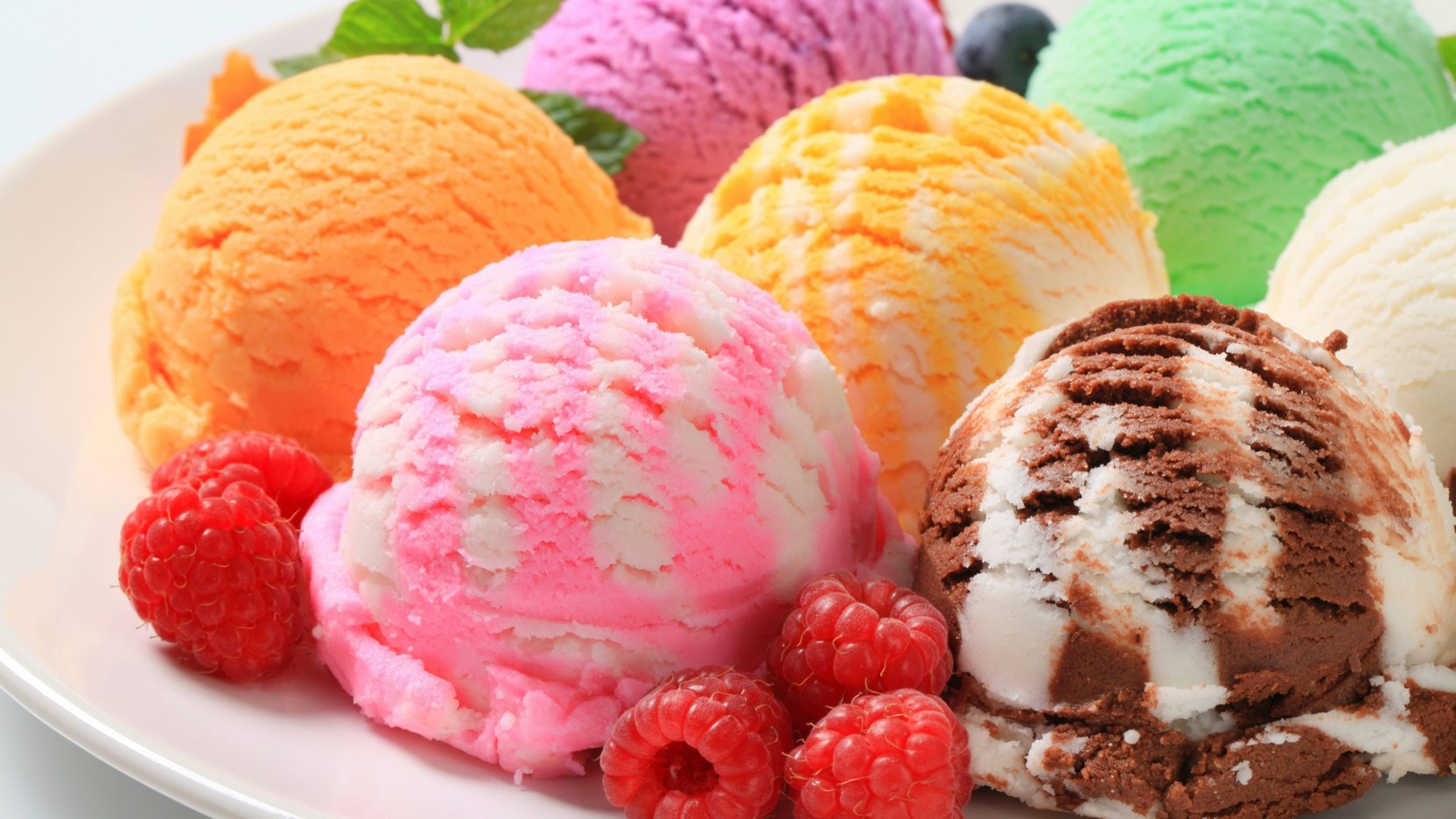
Unfortunately, store-bought ice cream these days can hardly be called healthy, or even particularly tasty. To cut costs, many manufacturers add too many artificial additives and sugar. But the fact is, you don't have to buy ice cream. There are excellent, simple homemade ice cream recipes, and anyone can buy an inexpensive ice cream maker for their kitchen. But even that isn't necessary to make ice cream at home. Homemade ice cream allows for free experimentation – you can add vanilla, cocoa, fruit, and nuts to your homemade sundae, and replace sugar with erythritol or stevia. Even a beginner or child can make fruit ice cream from a variety of juices.
Those who have embraced the popular keto diet for weight loss often wonder what kind of ice cream is keto-friendly. Naturally, only homemade ice cream, especially with a higher fat content and almost no carbs. There are a variety of keto ice cream recipes using heavy cream, and there's even keto cheese ice cream. In short, everyone, young and old, can enjoy this refreshing treat in the summer heat. Ice cream originated in hotter climates, but, oddly enough, has become one of the most "Russian" desserts! Enjoy!