Zucchini Fritters: Recipe, Calorie Content, and Health Benefits
Introduction
Zucchini Pancakes have long been a favorite among home cooks as a simple, tasty, and relatively healthy dish. They are especially popular in the summer and early fall, when zucchini is available in abundance. This product is low in calories and rich in fiber and water, making it ideal for healthy cooking.
Pancakes can be made with various additions—flour, eggs, herbs, spices—or none at all, achieving a crispy texture and minimal calorie content.
Zucchini pancakes are becoming increasingly popular among those watching their figure, following a healthy diet, or simply looking to add variety to their daily diet. They're easily adapted to individual preferences and dietary restrictions: they can be made without eggs, with butter, or even baked in the oven, which significantly reduces the calorie content.
The purpose of this article is to help the reader prepare delicious and healthy zucchini pancakes, explain how to reduce their calorie content, and explain the vitamins and minerals contained in this simple yet nutritious dish.
Conclusions: Important facts about zucchini pancakes
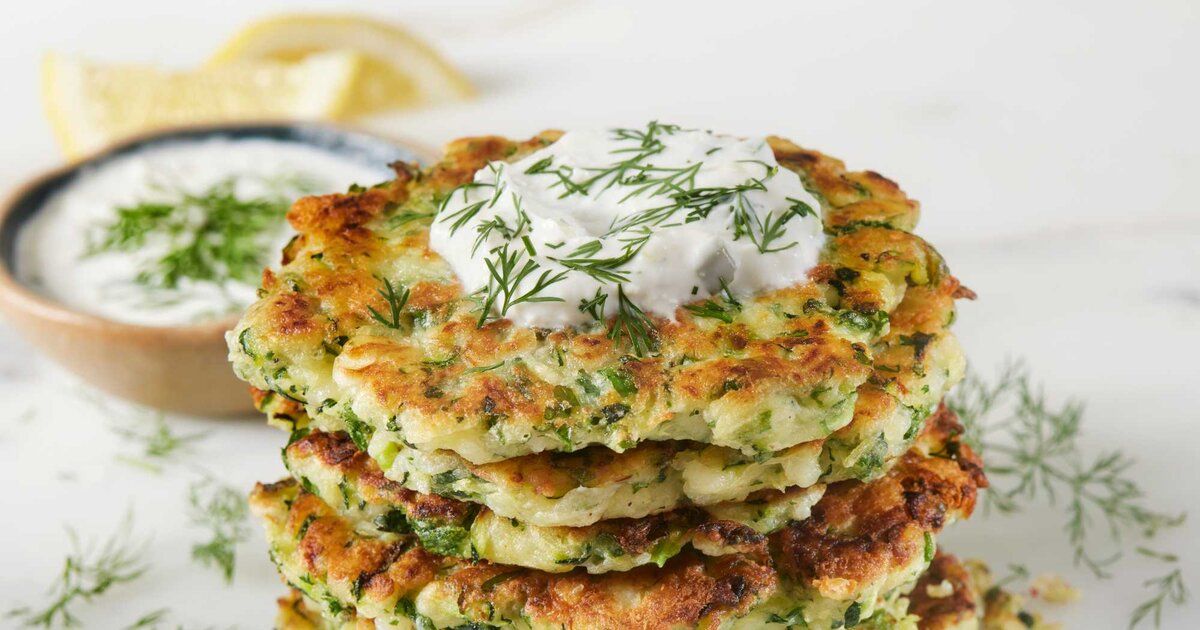
Zucchini pancakes are a simple and versatile dish that can be easily adapted to suit a variety of purposes and preferences:
- A simple and dietary recipe: the base is grated zucchini, flour, and spices. Eggs and butter can be replaced with plant-based alternatives for a vegan diet, or used to reduce calories.
- Caloric content: ranges from 98 to 120 kcal per 100 grams, depending on the ingredients and cooking method (frying or baking).
- Rich in vitamins and minerals: vitamins A, C, E, as well as potassium and iron - useful substances necessary for immunity, skin health and overall development of the body.
- Adaptability: Ideal for both healthy eating and low-calorie diets - just minimize or completely reduce oil consumption.
- Health benefits: Thanks to their high fiber content, they promote healthy bowel function, as well as potassium and antioxidants, which promote cardiovascular health and aid weight management. This combination of affordability, flavor, and convenience makes zucchini pancakes a great choice for any meal.
Conclusions: Important facts about zucchini pancakes
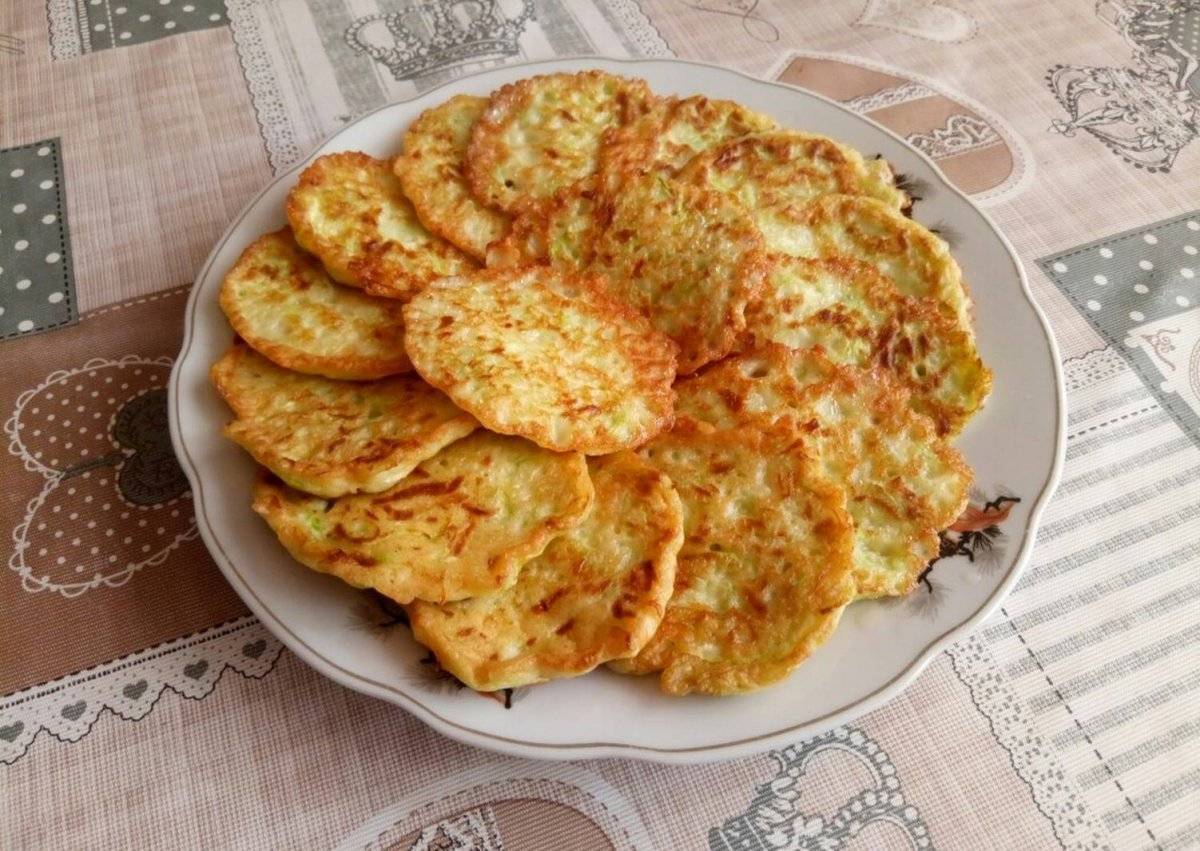
Zucchini Fritters Recipe
Ingredients for the classic recipe
To prepare delicious and filling zucchini pancakes, use the following ingredients:
- Zucchini – 500 g
- Chicken eggs – 2 pcs.
- Wheat flour – 65 g
- Salt – 2 g
- Ground black pepper – 2 g
- Fresh dill – 20 g
- Sunflower oil – 20 g. This combination of ingredients was chosen deliberately: zucchini provides juiciness and low calories, eggs help bind the mixture, flour adds density, and herbs and spices add flavor. This recipe strikes a balance between flavor and nutrition.
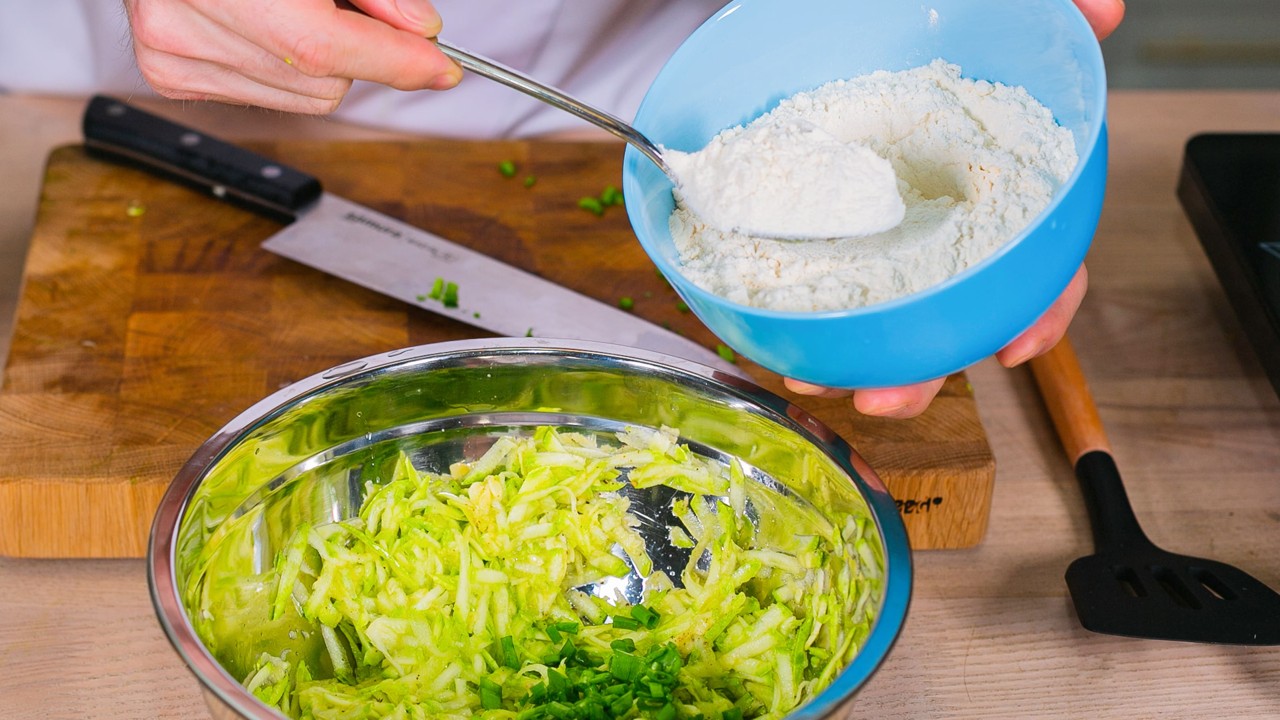
Step-by-step cooking instructions
- Grating the zucchini: Cut the zucchini lengthwise, remove the ends, and grate on a coarse grater. Young zucchini can be used with the skin on—it's soft and not bitter, and it also has fewer seeds.
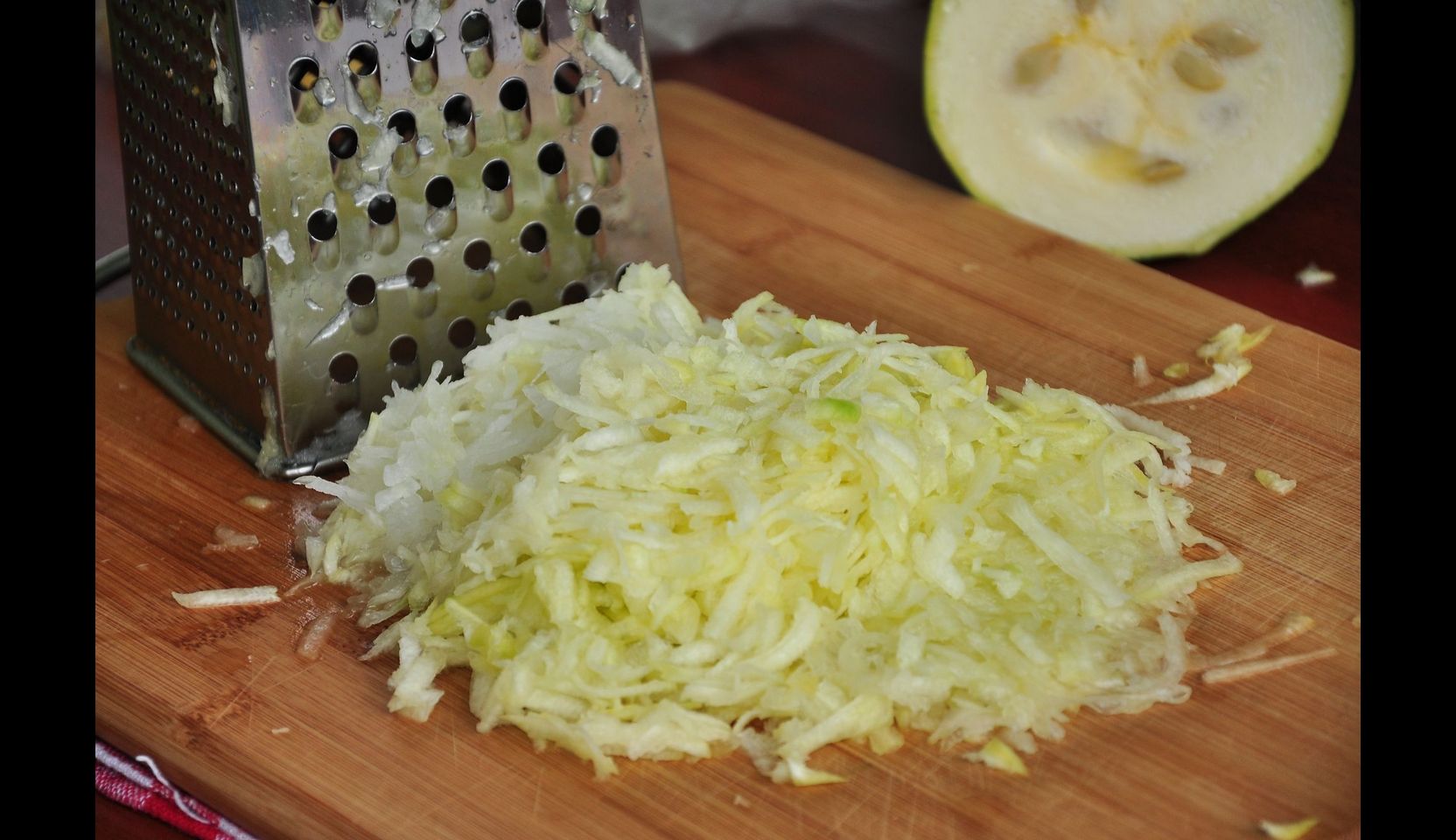
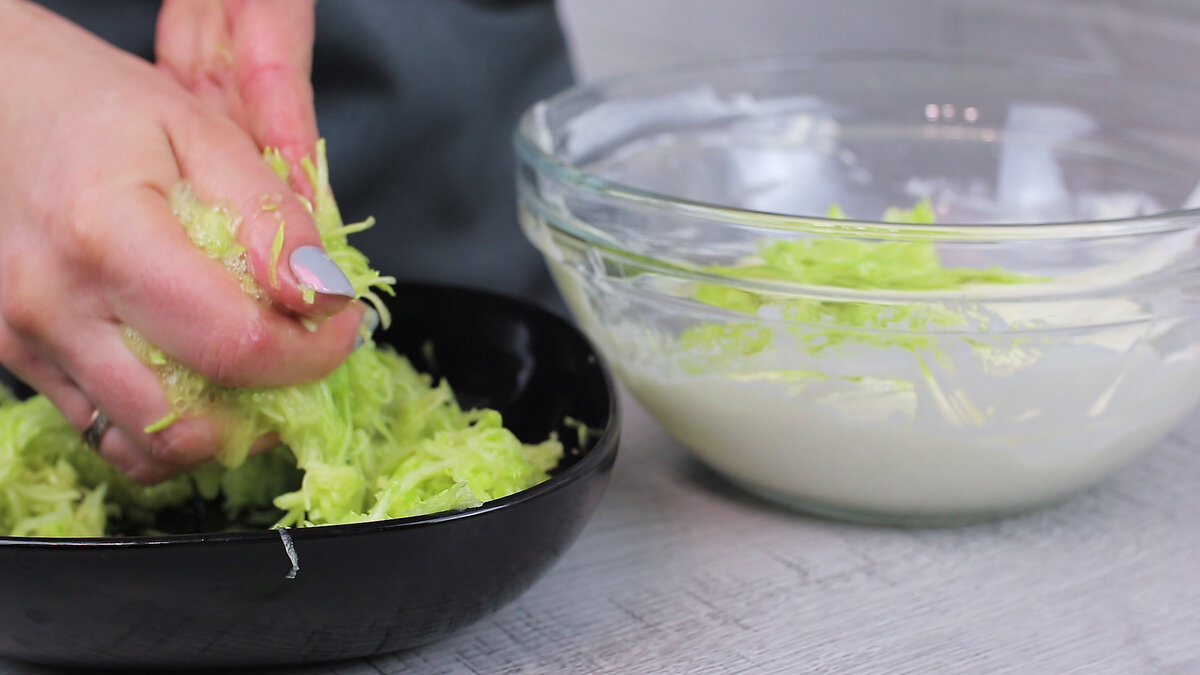
- Juicing: Place the grated zucchini in a colander or sieve, sprinkle with salt, and let sit for 10–15 minutes to release excess juice. Then, gently squeeze the mixture with your hands to prevent moisture from entering the dough.
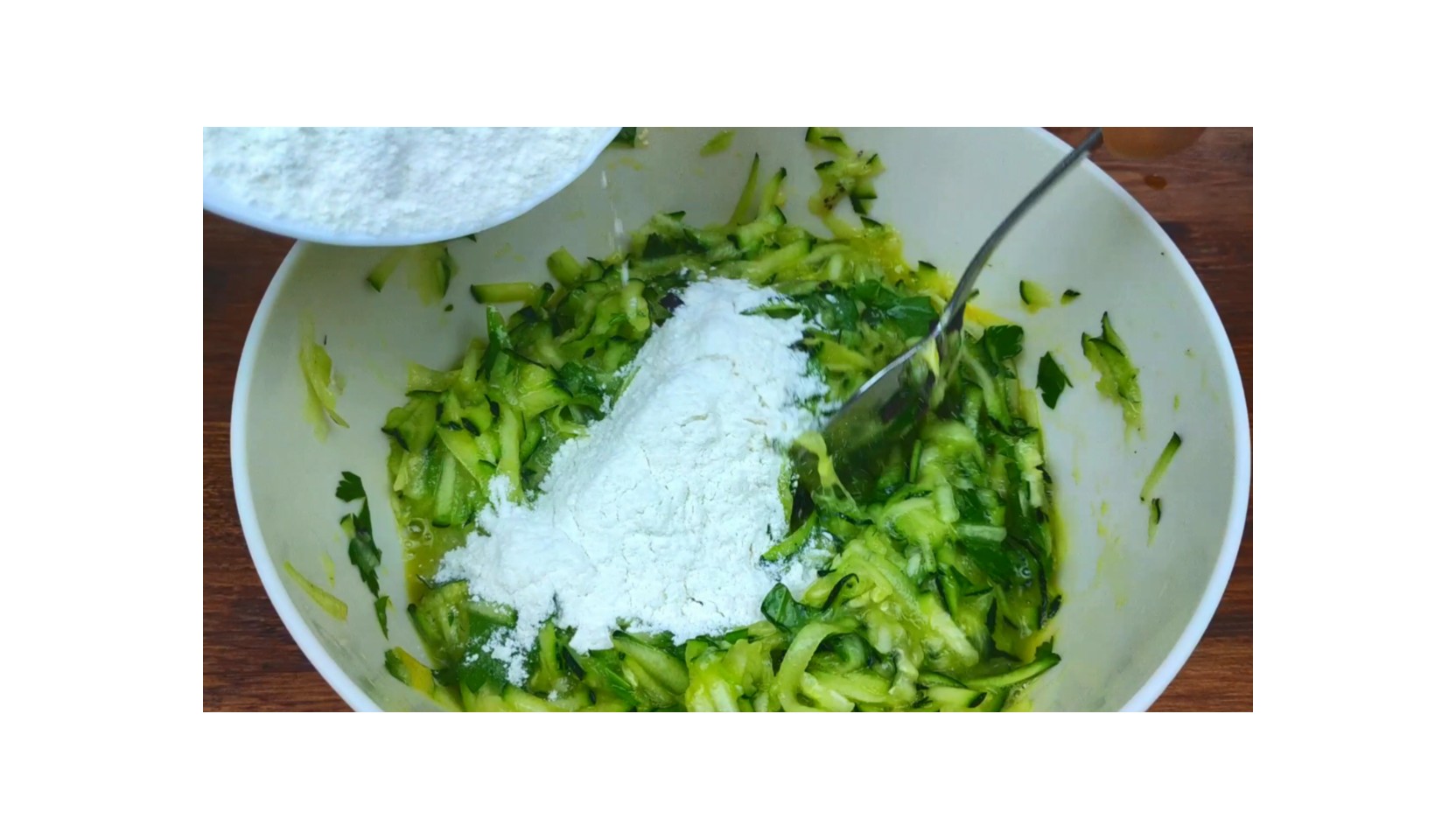
- Adding ingredients: In a bowl with zucchini, eggs, flour, chopped dill, salt, and pepper. Mix thoroughly until the ingredients form a thick paste.
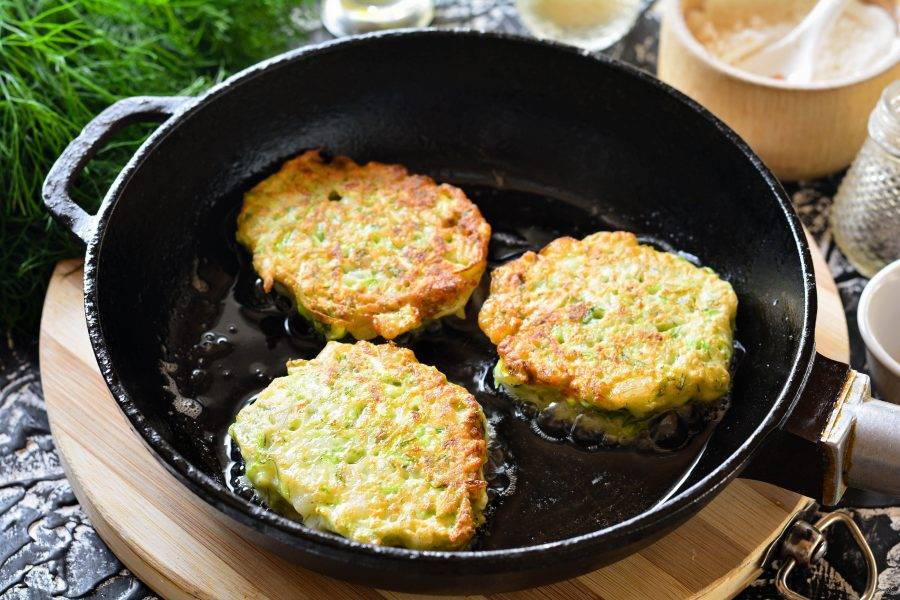
- Baking: Heat a frying pan with a little vegetable oil. Drop the batter by the tablespoonful, forming round pancakes. Fry over medium heat until golden brown on each side—about 3-4 minutes per side. Tip: To ensure a crispy crust, leave the pancakes in the pan until they're golden brown. You can also lightly dust each portion with flour before baking—this will further help create a crispy crust.
How to make pancakes less caloric
If you want to reduce the calorie content of a dish, use simple substitutions:
- Oil-free cooking: use a non-stick frying pan. You can use a small amount of water or skip the fat altogether when frying pancakes.
- Egg Substitutions: Instead of whole eggs, you can use just egg whites, banana puree (½ a ripe banana), or a “flax egg” (1 tablespoon ground flax + 3 tablespoons water).
- Alternative flours: Instead of wheat flour, you can use oat, almond, buckwheat, or even chickpea flour. This increases the nutritional value of the dish and makes it healthier. These changes reduce the calorie content to 98–100 kcal per 100 g and are even suitable for a vegan diet.
Tips for choosing zucchini and reducing moisture in dough
To ensure the pancakes are firm and don't fall apart, it's important to choose the right zucchini and prepare them correctly:
- Choosing zucchini: Young zucchini have thin skin, few seeds, and low moisture content. They are ideal for pancakes. Avoid overripe zucchini—they are too juicy and can make the batter runny.
- Reduce moisture: After grating the zucchini, salt it and let it sit for 10-15 minutes. Then, gently squeeze the mixture out with your hands or through cheesecloth. You can place the zucchini in a colander with a weight on top, such as a plate of water. These simple tips will help prevent the mixture from becoming too runny and ensure well-formed, evenly fried pancakes.
Calorie content of zucchini pancakes
Comparison of calorie content of different versions
Zucchini pancakes can be either a low-calorie diet dish or a higher-calorie snack—it all depends on the recipe.
- Classic pancakes contain about 118–120 kcal per 100 g if cooked with eggs, wheat flour and sunflower oil.
- Low-fat (diet) pancakes have a caloric content of 98 to 105 kcal per 100 g, especially if you use a minimal amount of oil, little flour, or replace the eggs with plant-based alternatives.
- Compared to other popular dishes, such as potato pancakes (about 170–180 kcal/100 g), zucchini pancakes seem more dietary.
Calories per 100 grams and per serving
It's important to understand not only the calorie count but also how many calories are in a single serving. Typically, one pancake weighs between 70 and 100 grams, depending on the thickness and size.
| Weight (g) | Classic recipe (kcal) | Low-fat recipe (kcal) |
|---|---|---|
| 100 g | ~118–120 kcal | ~98–105 kcal |
| 90 g | ~106–108 kcal | ~88–95 kcal |
| 70 g | ~83–84 kcal | ~69–74 kcal |
These numbers make zucchini pancakes an excellent choice for those who are concerned about nutrition, especially in the summer when zucchini is available in large quantities.
Calorie content of flour, eggs and butter
The main contribution to the caloric content of the dish should not come from the zucchini, but from the additional ingredients:
- Flour is the main source of calories and the main "bulking" component of the dough. Wheat flour contains approximately 320–340 kcal per 100 g, so even 1–2 tablespoons (about 20–30 g) significantly increases the energy value of each pancake.
- Eggs contain protein and fat. One medium egg contains approximately 70 kcal, which also affects the calorie content of dishes.
- Frying oil is one of the most calorific ingredients. Even a small amount of oil can increase the energy value of a food.
Where "extra" calories hide: frying oil and additives
When calculating on your own, it is important to consider not only the composition of the dough, but also the additional source of calories:
- A teaspoon of oil (about 5 g) contains approximately 45 kcal. If you fry pancakes in oil every time, the calorie difference between the diet and traditional cooking methods becomes equal.
- Additions to ready-made pancakes—such as cheese, mayonnaise, sour cream, and sauces—also affect the nutritional value of the dish. For example, 1 teaspoon of mayonnaise (~20 g) adds approximately 70 kcal. To ensure a calorie-dense dish, it's recommended to use a non-stick frying pan without oil, choose light sauces (such as Greek yogurt with herbs), and control the amount of flour and eggs in the batter.
Nutritional value and BJU
Zucchini pancakes are a light yet nutritious dish that combines low calories with a balanced ratio of nutrient density, stability, and resilience. The main ingredient—zucchini—is naturally low in calories and rich in water, fiber, and certain vitamins. However, the addition of flour, eggs, and butter transforms it into a more filling and calorie-dense dish while maintaining its beneficial properties.
Proteins, fats, and carbohydrates in zucchini pancakes
Depending on the cooking method and ingredients used, the nutritional value may decrease slightly. However, the average values for 100 grams of classic zucchini pancakes are as follows:
-
Protein: about 3 g. Chicken eggs are the primary source of protein. They bind the dough, improve its consistency, and increase the nutritional value of dishes.
-
Fat: 4.8 to 7.3 g. The main fat comes from the sunflower oil used for frying. The type of flour also plays a role: wheat flour contains less fat than almond or oat flour.
-
Carbohydrates: approximately 10–12 g. The main source is flour. Using carbohydrate-free or whole-grain alternatives (buckwheat, almond) can significantly reduce this figure.
This is what makes zucchini pancakes a versatile dish—from a snack to a full breakfast or lunch.
The share of proteins, fats, and carbohydrates in the total energy balance
The energy value of zucchini pancakes is determined by the main macronutrients. The average value is as follows:
- Carbohydrates make up 45–55%. They provide the energy density of dishes. The main source is flour, which provides the majority of calories. Substituting regular flour with other types (such as oat, almond, or wheat bran) allows you to control the content.
- Protein – 10–15%. Despite the relatively low content, these ingredients are important for the flavor and texture of pancakes. Adding cottage cheese, yogurt, eggs, or other protein-rich ingredients helps increase their content.
- Fats make up 30–40%. The amount depends on the cooking method: fried pancakes contain more fat than baked ones. The oil used for frying or baking plays a key role in this balance. This flexibility makes the dish versatile: it can be adapted for sports nutrition, a diet menu, or simply included as part of a healthy diet.
Use pancakes in the diet of athletes or those losing weight
For athletes:
Zucchini pancakes are a great base for breakfast or a second dinner. For a protein boost, serve them with Greek yogurt, cottage cheese soufflé, or protein sauce. This will help rebuild muscle after exercise and maintain a slim figure.
For those who are losing weight:
Zucchini pancakes are a great alternative to potato pancakes or other high-calorie dishes. To make them even more diet-friendly:
- Cook in a non-stick frying pan without adding oil;
- Egg whites instead of whole eggs;
- Serve with vegetables—tomatoes, fresh cucumber, and herbs. This will add volume and nutrients without adding extra calories. These simple tips will help you feel full and enjoy your meal even while restricting calories.