Chinese New Year
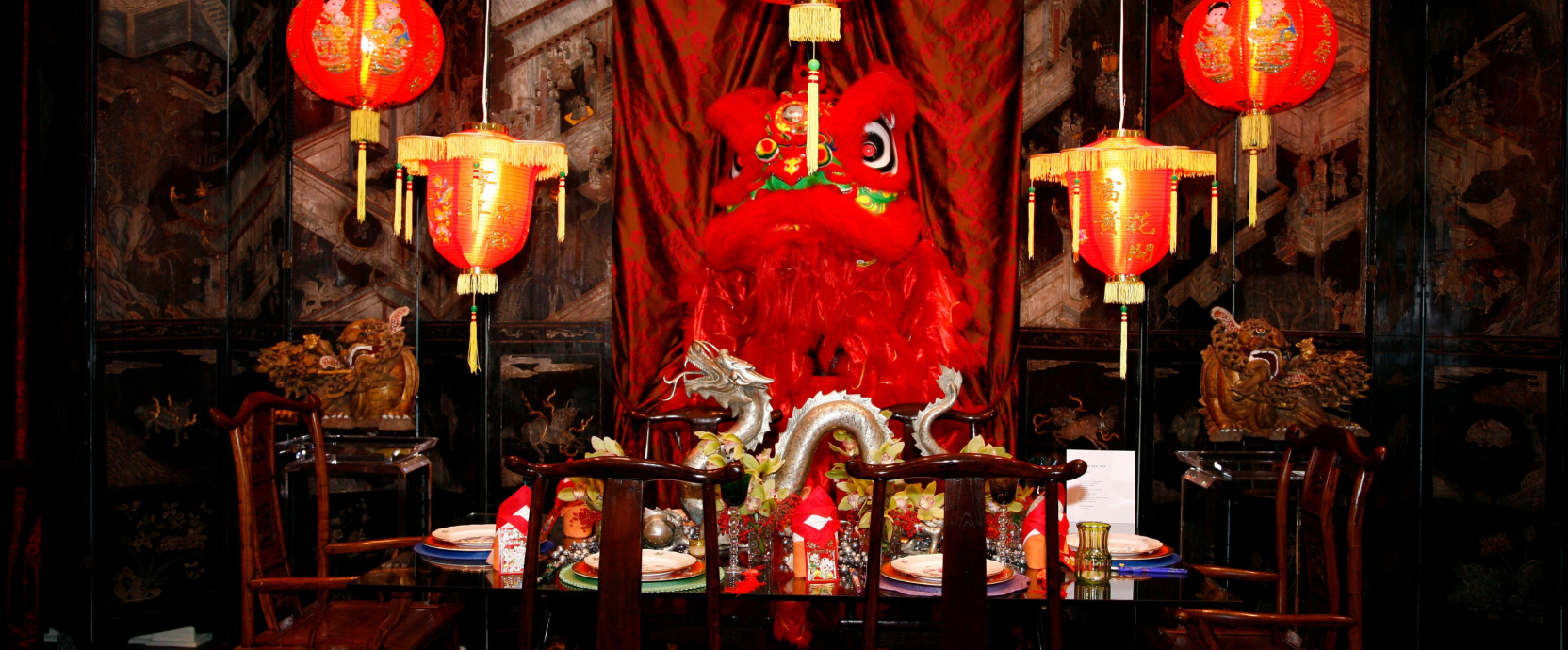
In China, New Year is celebrated according to the lunar calendar and most often falls in February. But in Russia, the celebration is either prepared in advance or even combined with regular New Year's celebrations. If you're a fan of Asian cuisine and want to create a New Year's feast menu like the Chinese, rather than just arranging a salad on a dragon-shaped plate, then perhaps this story will be helpful.
Traditional holiday dishes in China are often prepared not simply to please the eye and the palate, but with meaning. The shape, ingredients, and names of dishes typically convey good wishes for wealth, prosperity, good health, and longevity—all the things people wish for themselves and their loved ones in the coming year. Eating some dishes is almost a magical ritual. So, what is essential on the Chinese New Year's table?
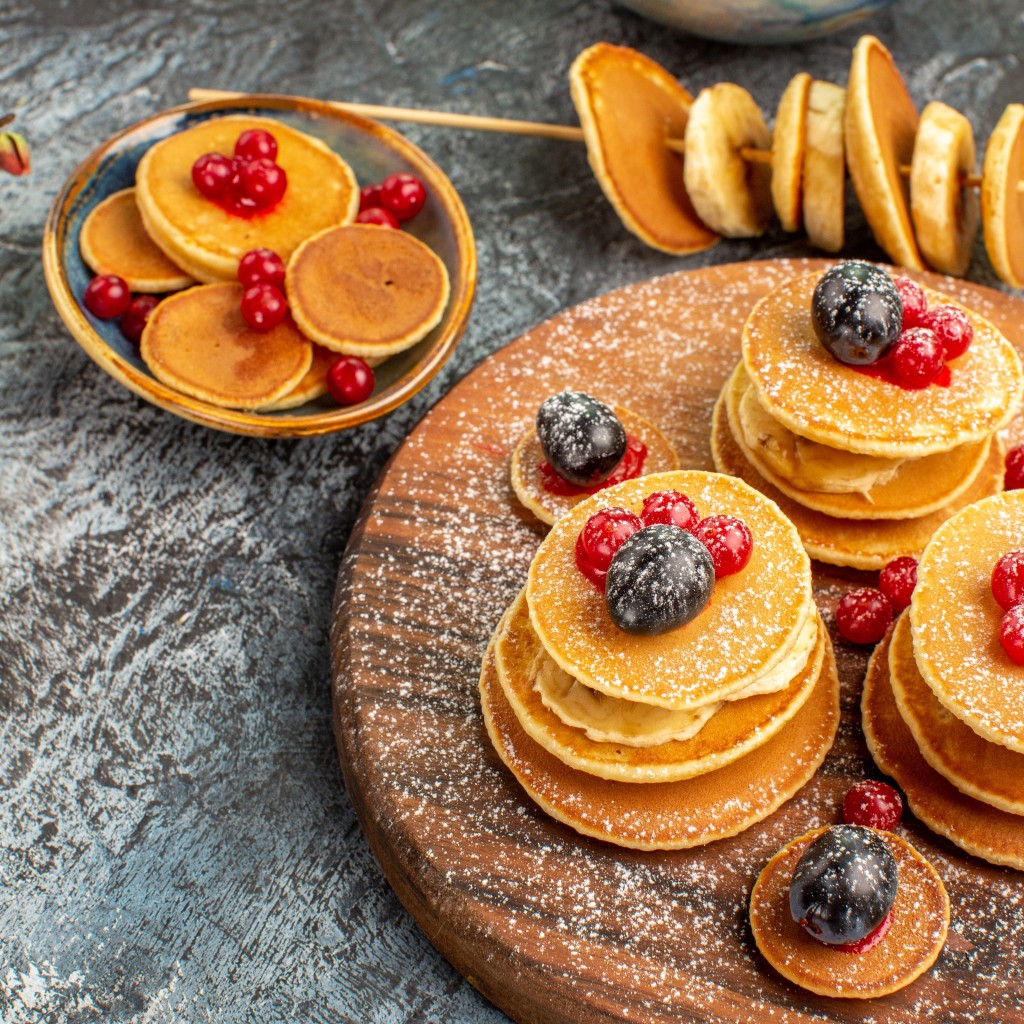
A round pie means good luck all year round.
The rice cake, Nian Gao ("New Year's cookie"), wishes everyone a better New Year. Its name sounds similar to the words "high year," though it's written with slightly different characters. This play on words is the basis for many holiday dishes. This rice flour cake is round, symbolizing a house—a full cup. Traditionally, it's baked in a banana leaf-wrapped pan, but this exotic element can be omitted. This cake is usually sweet, made with glutinous rice flour and sugar syrup, sometimes with the addition of milk and eggs, and sometimes with a vegetable or meat filling—the sweet version is more common. The popularity of this dessert is evidenced by a folk tale, somewhat reminiscent of "Kolobok" (Gingerbread Man), about a Nian Gao that rolled away from a poor house. True, instead of the fox, the rice "ball" was eaten by a hungry beggar, and the family, left without a treat, was glad that they were able to feed someone whose life was even more difficult.
Fish for luck
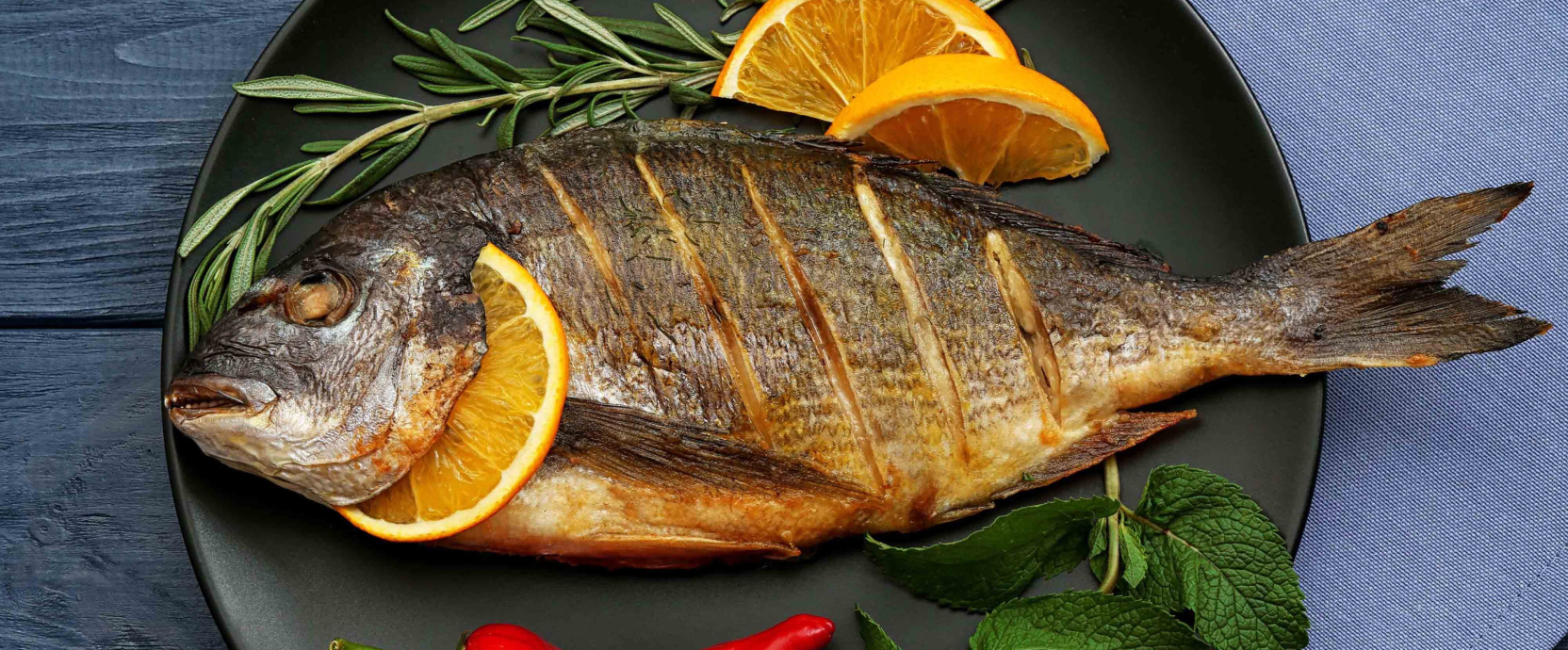
As in some European countries at Christmas, it's customary in China to serve whole fried fish at New Year's. The word "fish" in Chinese sounds similar to the word for "abundance," so a New Year's feast is usually incomplete without it. Typically, it's a whole fried crucian carp, carp, or catfish. Fried fish is served whole and not cut with a knife at the table—its integrity signifies a strong family. The platter containing the fish is not moved or rotated; its head should point toward the most respected family member or the most honored guest, and that person should drink to good luck at the same time as the person the tail points toward.
Long noodles for a long life.
Noodles are a dish enjoyed year-round in China, with a variety of toppings and in various forms, both as a main course and in soups, both long and short. But the New Year's table must feature long rice noodles, known as "longevity noodles," symbolizing a long and prosperous life. Hand-pulled noodles are ideal—in China, competitions are held for this unique "sport."
New Year's chicken
As in Russia, in China, a whole chicken is roasted for New Year's—usually one of the local breeds. Traditionally, meat and chicken are cooked in a honey glaze and with traditional hot and spicy seasonings, with garlic and green onions added for added flavor.
Spring rolls - spring pancakes
This English name originated in Hong Kong cuisine; the more traditional name is Chen Gyun. Since the Chinese New Year is just around the corner from spring, these thin pastry rolls with vegetarian and meat fillings are part of the New Year celebration. They come in two varieties: small ones, wrapped in raw dough and fried, and larger ones, with cooked fillings wrapped in pre-baked pancakes.
Jiaozi Dumplings and Dim Sum
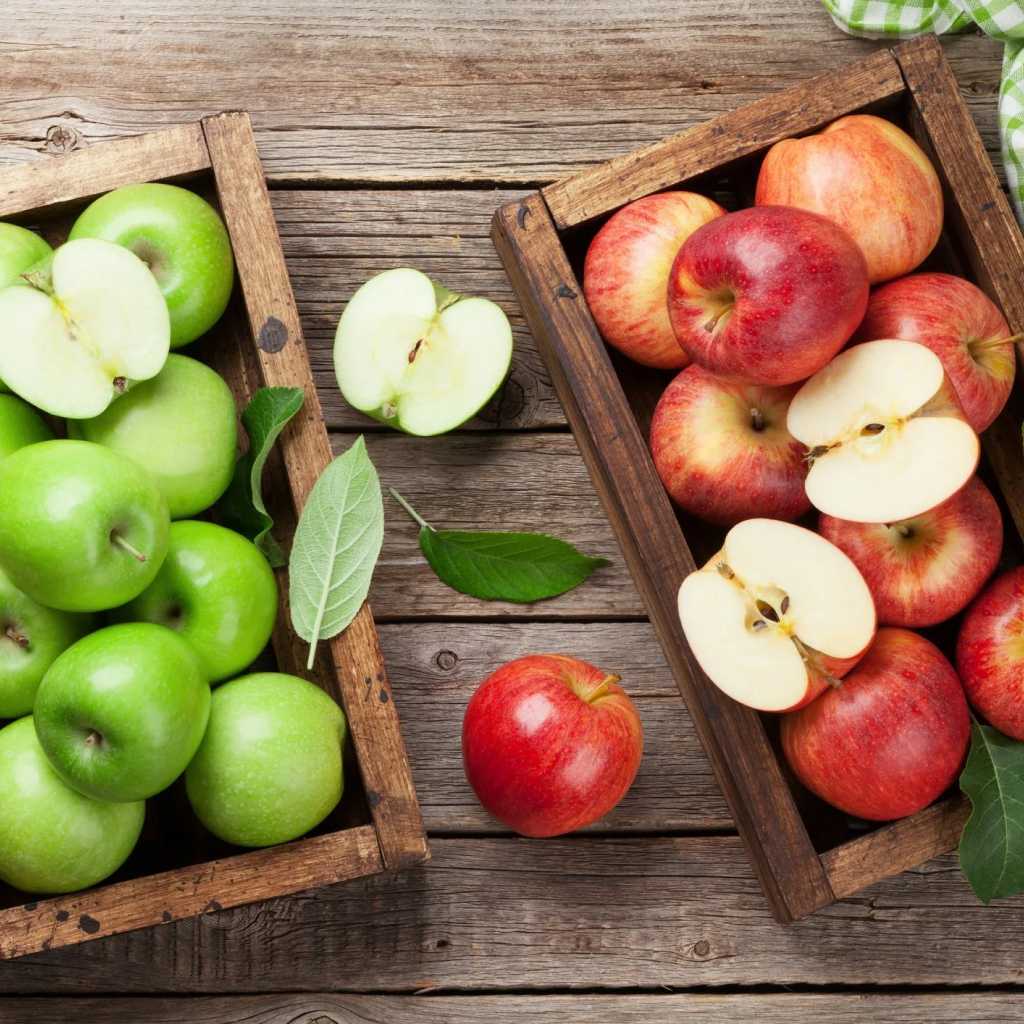
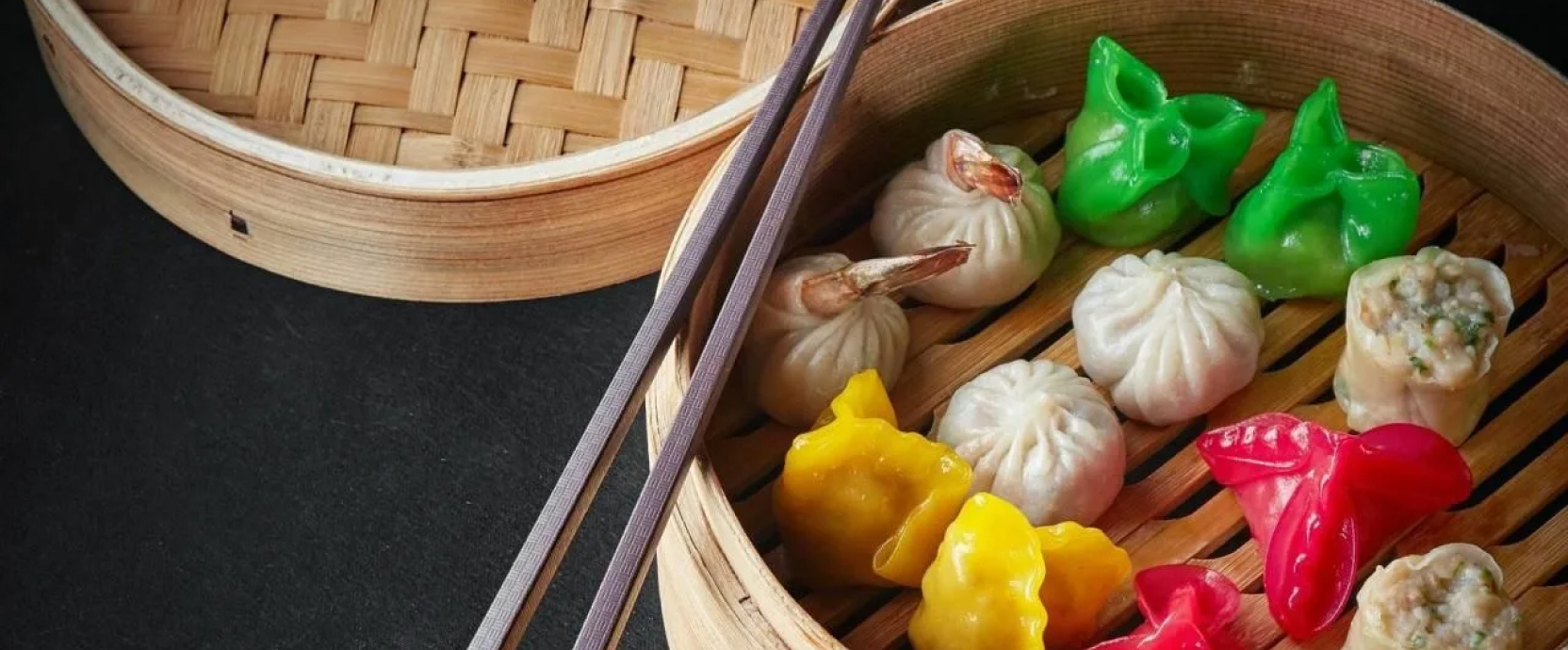
Another dish eaten not only on New Year's Day is Jiaozi dumplings, which are most often made from rice dough with a variety of fillings. Jiaozi with a sweet filling, such as apple and cinnamon, may be served with New Year's tea. These dumplings, steamed or fried, are also included in dim sum, a snack served with Pu'er tea.
Hearty and sweet pork
The famous sweet and sour pork is also served at the New Year's table. Pork is one of the most beloved meats in East Asia. For the New Year's feast, pork is often prepared with fruits such as oranges, tangerines, and pineapples.
Magical Salad of Abundance
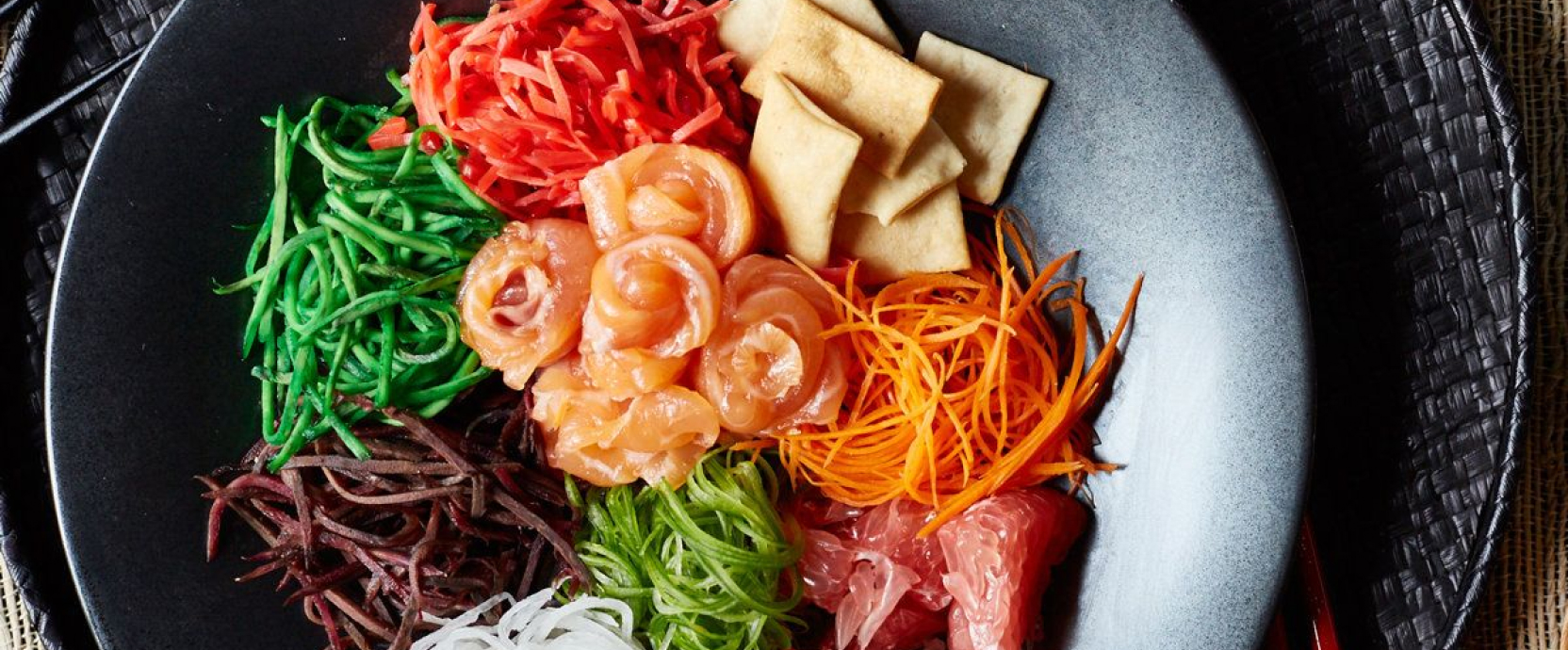
Yu Shen salad is served and eaten specifically on New Year's Eve to attract happiness, prosperity, and abundance. This salad is quite simple to prepare: chopped ingredients of various kinds are simply arranged around the edge of a large round dish, with pieces of raw red fish placed in the center. The result is a colorful and picturesque picture. After the salad is served, the main act begins: stirring it with chopsticks. Everyone at the table participates in this magical ritual, designed to attract wealth, after which they each fill their own plates. It is believed that the more vigorously the guests stir the salad, the greater their good fortune in the new year.
Radish pies – that happens too
Another "lucky" New Year's dish is daikon radish pies with rice flour, mushrooms, and vegetables. These aren't really pies, but rather small, sweet and savory pastries that are lightly fried on both sides before serving. The choice of radish as the main ingredient is no coincidence—the vegetable's name sounds similar to the word "happiness."
Eggplant with hot sauce
No Chinese feast is complete without a light, aromatic appetizer made with eggplant, another very popular vegetable. Baked slices of Asian eggplant—longer and thinner than our usual kind—served with a dollop of traditional sauce, despite their modest appearance, can be a true feast for the palate.
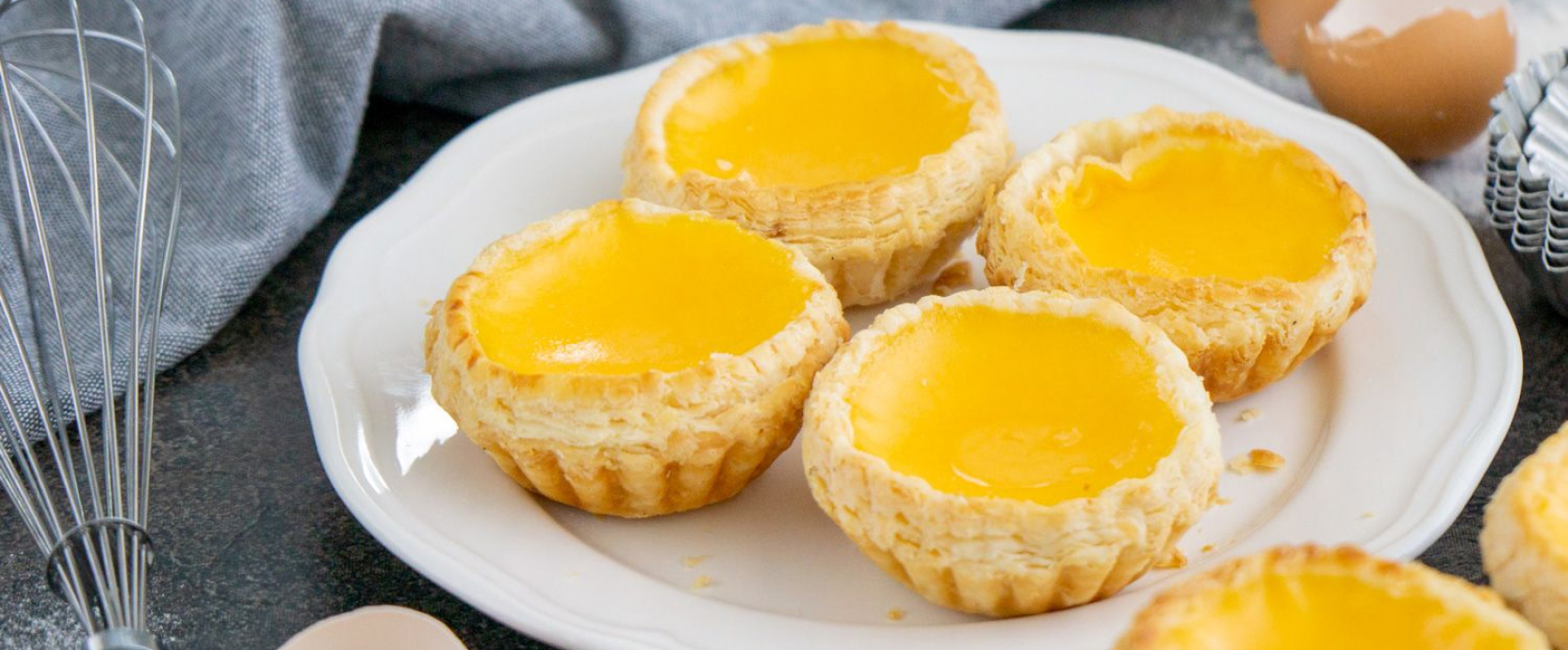
Egg tarts – greetings from Hong Kong.
These sweet and nutritious puff pastry tartlets with an egg-and-milk filling will brighten up your holiday table and set a wonderful mood with their sunny appearance and exquisite taste. They are most often prepared in Hong Kong, where residents have adopted some Portuguese recipes. They make a perfect ending to a New Year's tea party.
Red napkins and lanterns, decorations woven from red cord, and red fabric hanging on the walls will further create an authentic festive atmosphere. And, of course, dragon figurines and salads decorated in the shape of this fantastic creature, considered wise and kind in China, as the coming year is the Year of the Green Wooden Dragon!