Unusual coffee – in a cup and beyond
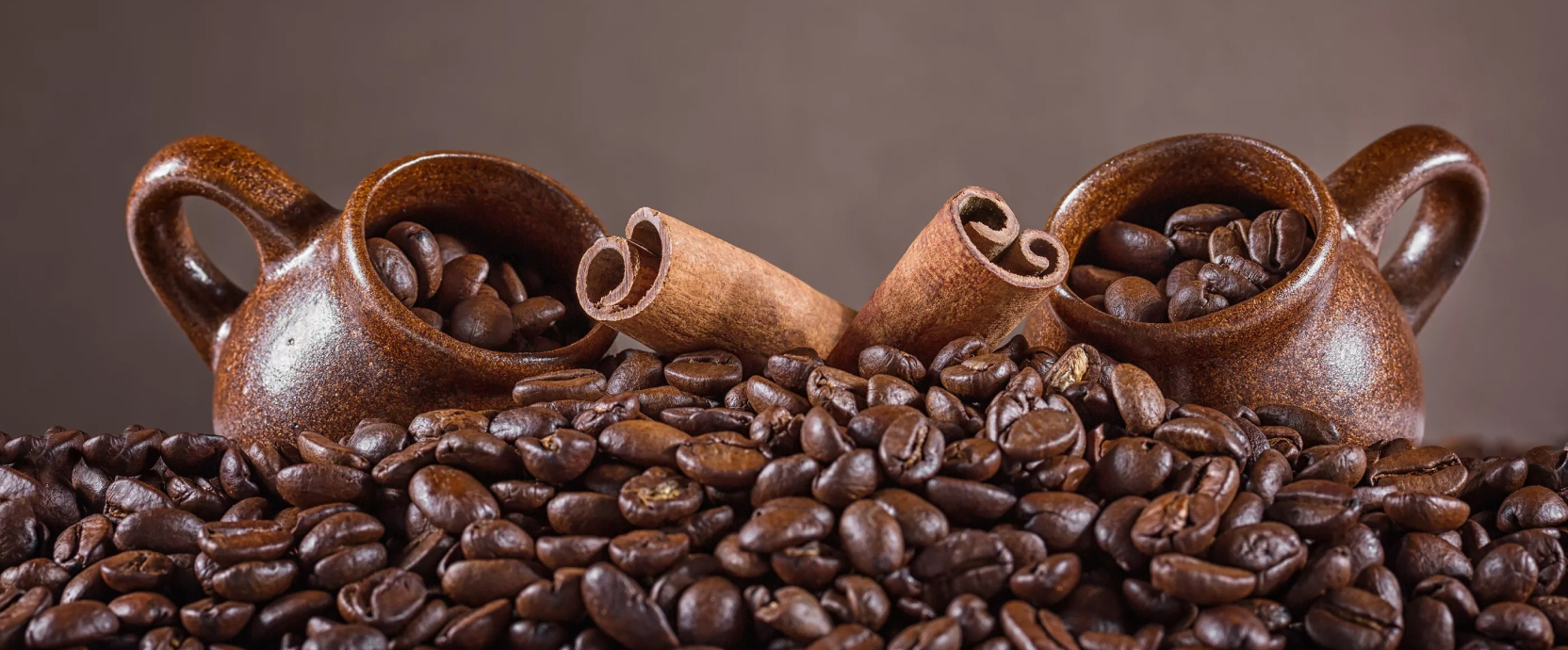
For most modern city dwellers, the morning begins with a cup of coffee. Of course, there are those who avoid large amounts of caffeine, as well as die-hard tea lovers. However, coffee and its various coffee-based drinks have become an integral part of urban culture, even spawning memes like "lavender raf." Nowadays, visiting coffee shops in America, Europe, and Russia is as common and beloved a pastime as it once was in the languid East, where this drink originated. Moreover, coffee has long since transformed from a beverage into a confectionery flavor and has become an ingredient in a wide variety of desserts.
How did it all begin?
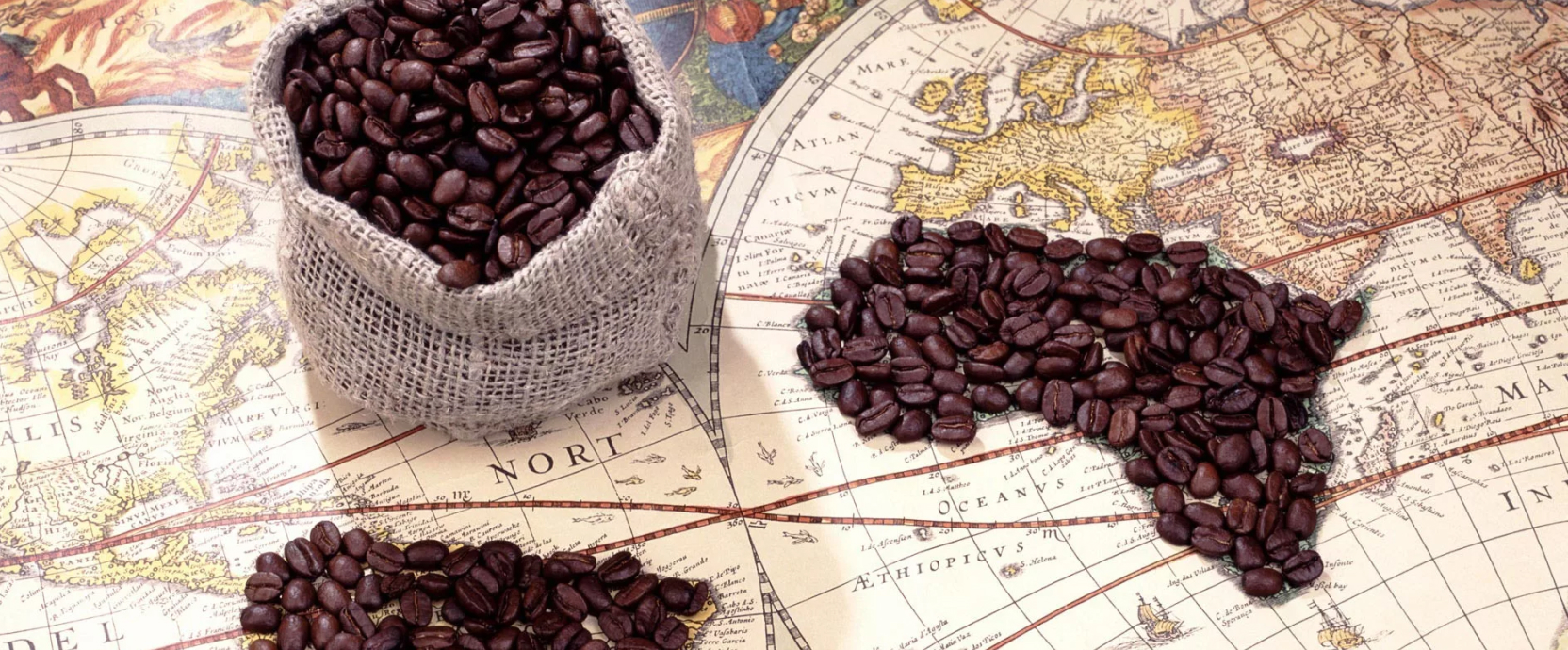
Coffee—a drink made from roasted and ground coffee beans that had conquered the Middle East since the early Middle Ages—came to Europe in the 16th century. Coffeehouses opened one after another in European capitals and major cities. But not everyone immediately embraced the unusual dark drink. Some doctors feared the health risks of coffee (and not without reason, as it is not beneficial for everyone), while fanatical religious figures considered coffee a Muslim and even pagan "sabotage" against Christian piety. Interestingly, in Ethiopia, considered by many to be the birthplace of coffee, the drink remained religiously taboo until the 19th century.
In Russia, drinking coffee (and tea, too), like many other European innovations, was introduced as abruptly as European fashion, beard shaving, and tobacco smoking. Not surprisingly, this gave rise to resistance and various superstitions. "He who drinks tea despairs, he who drinks coffee curses Christ," whispered the Old Believers. But progress was unstoppable. Today, in our country, people drink both brewed and instant coffee of all sorts. Even vending machines offer several types of coffee, and if you add your favorite syrup, the options are endless. In good cafes, you can try classic Turkish coffee, brewed on heated sand, which makes it richer and more aromatic, and coffee shops offer a wide variety of coffee cocktails, with and without alcohol. Some people who enjoy this drink at home buy coffee machines, while others prefer to meditatively grind coffee by hand, brew it in copper or even silver Turkish coffee pots, and drink it with a carefully selected set of spices.
Coffee classics
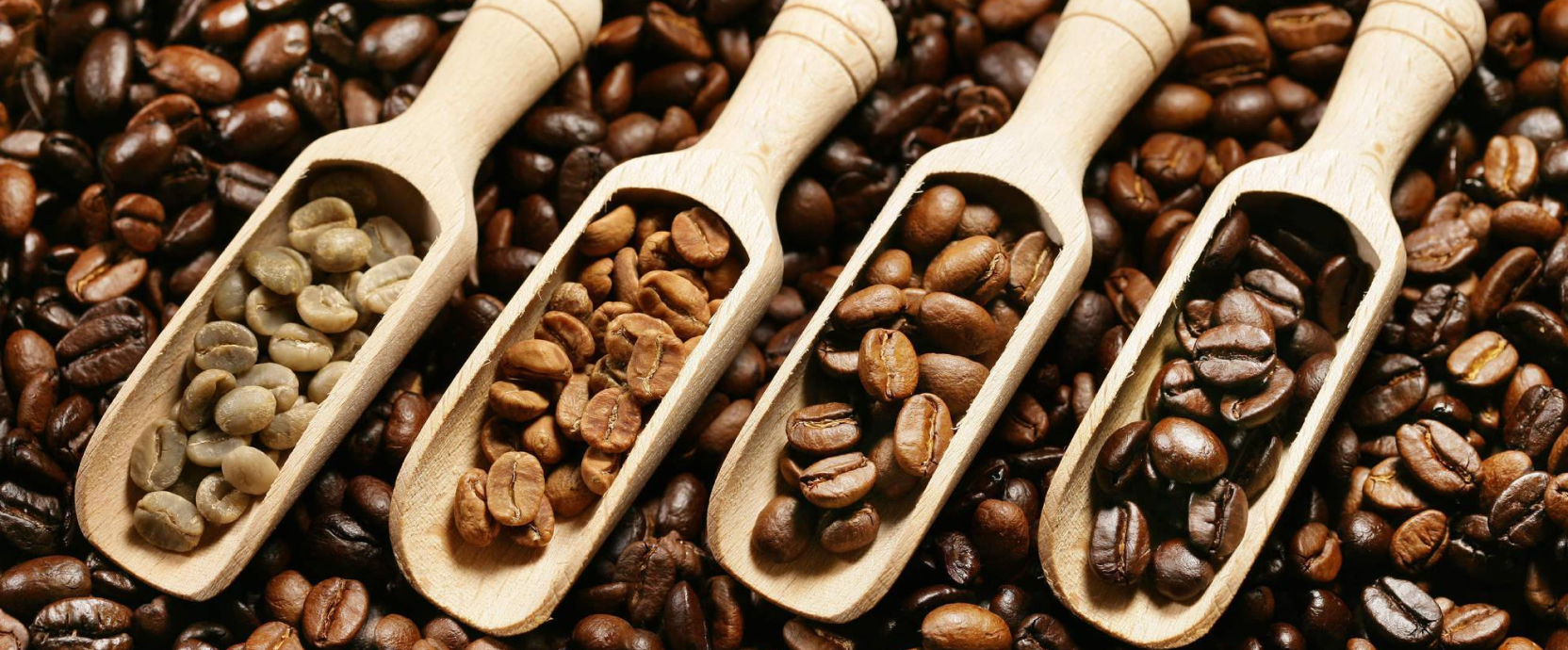
There are several basic varieties of coffee. Some differ in concentration—like ristretto, espresso, and Americano—while others differ in additives. Besides regular coffee with milk, cappuccino—coffee with milk foam—and latte, a three-layered drink made from milk, coffee, and milk or cream foam, are very popular.
There are many rules that experts believe will help you brew truly delicious coffee. It's best to choose a copper cezve, as it heats more evenly. The interior surface must be coated with a layer of tin and silver, as copper releases harmful substances when heated. Ideally, a cezve should have a wide base and a narrow neck—this will allow the vessel to heat better and prevent the coffee from evaporating or boiling over. (There's no need to boil the coffee at all, as this won't improve the aroma, but rather "kill" it. Waiting until the foam rises is sufficient.) Before brewing, warm the empty cezve slightly—this will extract the active ingredients from the ground coffee much better (this rule also applies to teapots, which are first steeped in boiling water). It's best to pour the coffee and spices into the cezve first and gently heat them together, being careful not to burn them. Cold water is usually used, since in hot water the coffee will not have time to brew properly before boiling and will turn out too “liquid”.
An endless field for experiments
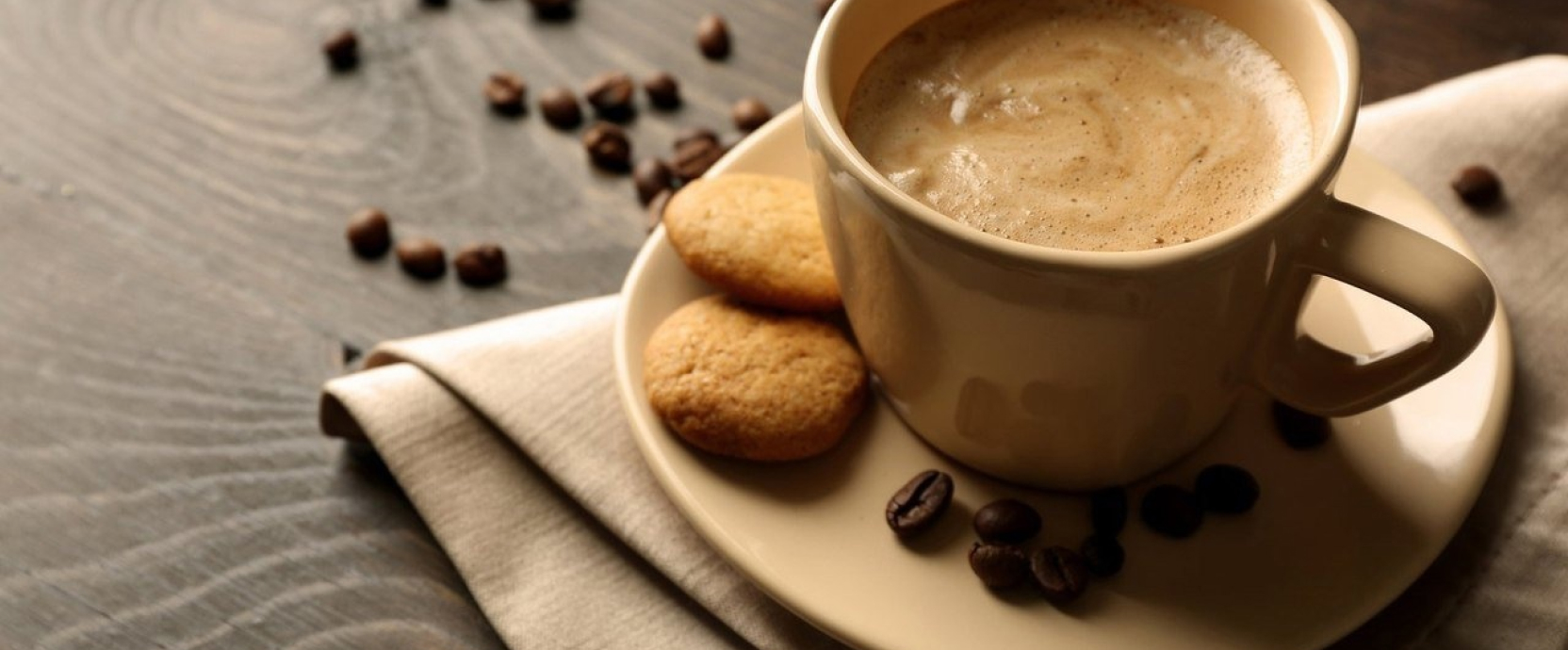
Conservative coffee drinkers never tire of insisting that there's nothing better than ordinary, properly brewed coffee from properly ground, high-quality beans. This may be true, but the inquisitive human mind is prone to experimentation. That's why new coffee and coffee drink recipes are constantly appearing.
Various types of coffee with milk, such as lattes, are especially convenient for this purpose. Besides syrups, a variety of ingredients are added to this coffee, such as fruit and even vegetable purees. In the fall, a latte with pumpkin puree and a special blend of spices—cinnamon, nutmeg, ginger, and cloves—is popular. If you're looking for a tropical twist, mashed banana is a perfect addition.
Those who enjoy more complex drinks can try mixing coffee with the famous eggnog cocktail, made with raw eggs and milk. This cocktail can also be alcoholic, so those looking for a pick-me-up and a little relaxation needn't limit themselves to Irish coffee.
You can argue about which tastes better—coffee or cocoa—or you can combine them to create a new velvety flavor. This is how the mocha was born—coffee with milk and chocolate, first popular in America and then winning over sweet-toothed fans around the world. This drink is delicious both hot and cold. In the summer heat, in addition to cold milk, you can add ice—preferably made from coffee.
Something between a drink and a dessert can be achieved by making… aromatic jelly from coffee! And you can dip these dark brown cubes into a snow-white, sweet mixture of milk and cream – it's not only delicious, but also beautiful!
Coffee that is not drunk, but eaten.
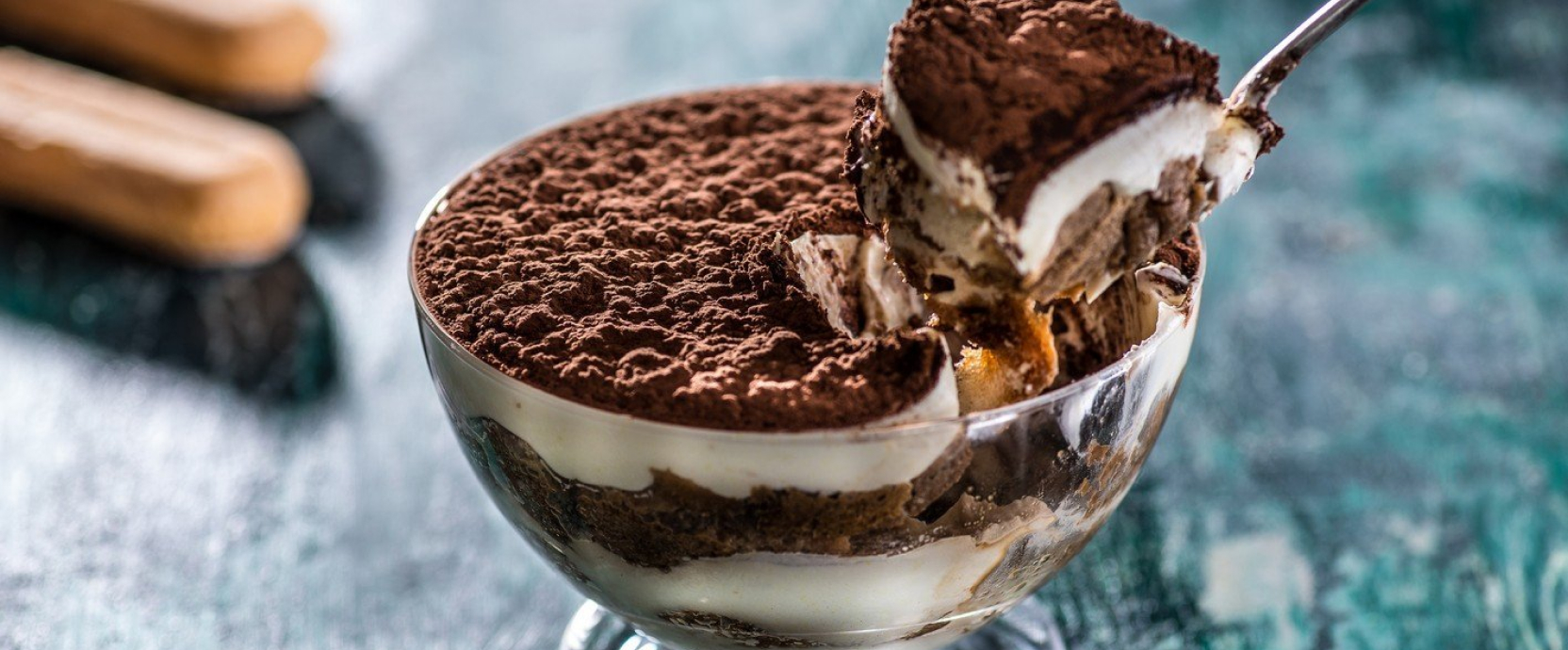
Coffee can also be an excellent flavoring for a wide variety of desserts. First of all, like cocoa, it can be used to make a cream that's perfect for cakes, pastries, buns, and as a standalone treat for dessert.
An interesting innovation has recently emerged: a thick foam made from a mixture of instant coffee, water, and sugar in varying proportions. The coffee must be instant; ground coffee won't work. If you spoon this foam onto milk, you'll get "dalgona coffee," a drink very popular in Korea. It can also be used to garnish a variety of desserts, such as coffee pudding.
In general, coffee is an ideal addition to puddings. Outside of Britain, the classic single-milk pudding with starch isn't appreciated by everyone, and coffee makes this dessert very appetizing. It can enhance both a simple pudding and the most delicate egg-and-milk flan. Even the famous panna cotta, which is more of a creamy jelly than a pudding, benefits from coffee.
The most famous coffee-infused dessert is, of course, tiramisu, but you can experiment endlessly, creating a variety of milky coffee concoctions with biscuits and cookies. So, get creative, invent, experiment. And enjoy coffee in any form!