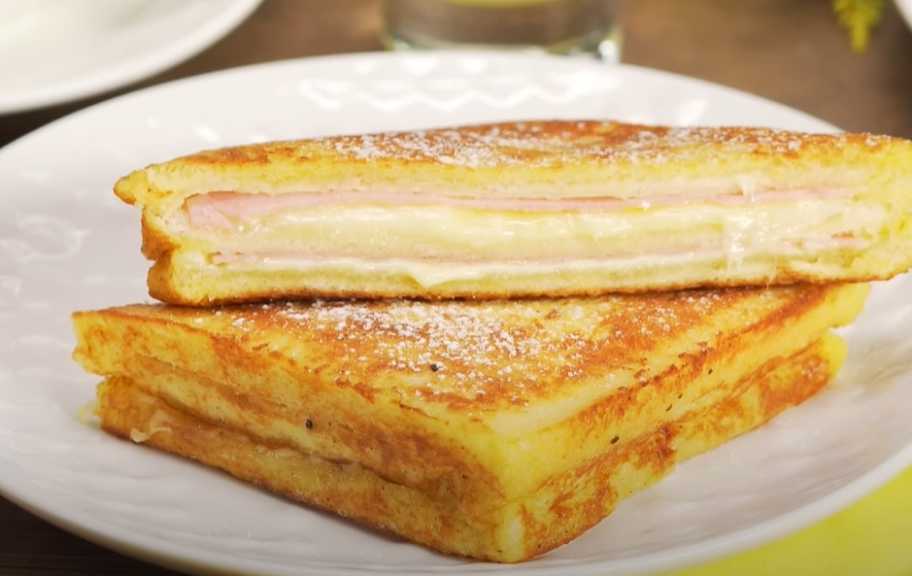
Sandwich in a multi-baker

Origin of the recipe
A sandwich in a multi-baker is a popular dish that combines convenience and flavor. While its precise origins are difficult to pinpoint, sandwiches in general have a long history, dating back to the 18th century, when John Montagu, the 4th Earl of Sandwich, allegedly began ordering meat between two slices of bread to avoid distractions from a card game. As for making sandwiches in a multi-baker, this method has become popular in recent decades with advances in kitchen appliances. Multi-bakers make sandwiches quick and convenient, ensuring even heating and browning of the bread. A variety of fillings can be used inside: from classic cheese and ham to more exotic combinations with vegetables, chicken, and even sweet fillings.
What do you need for cooking?
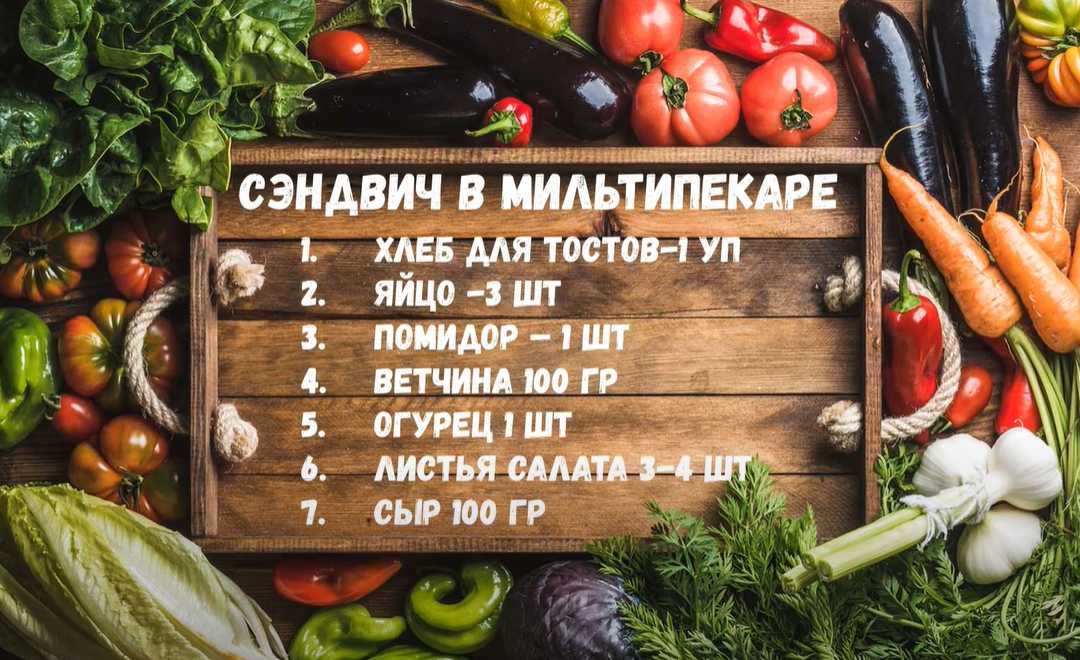
Ingredients
-
Toast bread
-
Egg
-
Tomato
-
Ham
-
Cucumber
-
Lettuce leaves
-
Cheese
-
Pepper
-
Salt, pepper
Kitchen utensils
- Knife
- Board
- Bowl
- Multi-baker
Step-by-step recipe
Step 1:
 Cut the ham, tomato and cucumber into slices.
Step 2:
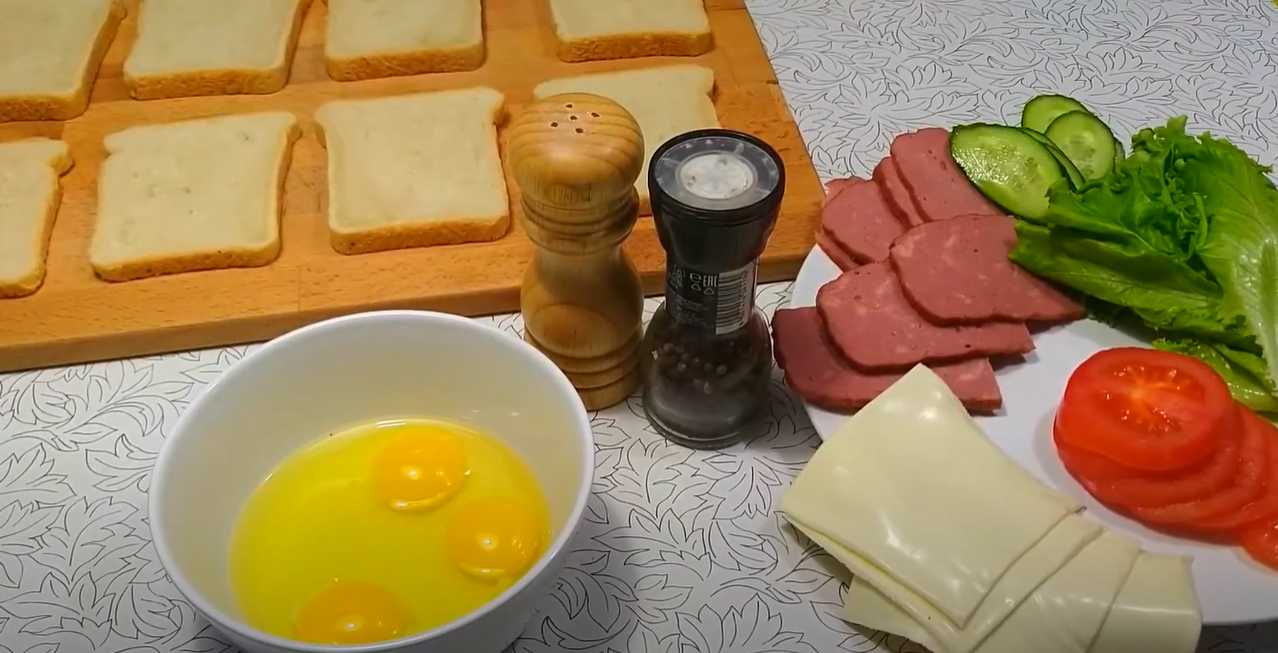 Slice the cheese if it is not pre-sliced.
Step 3:
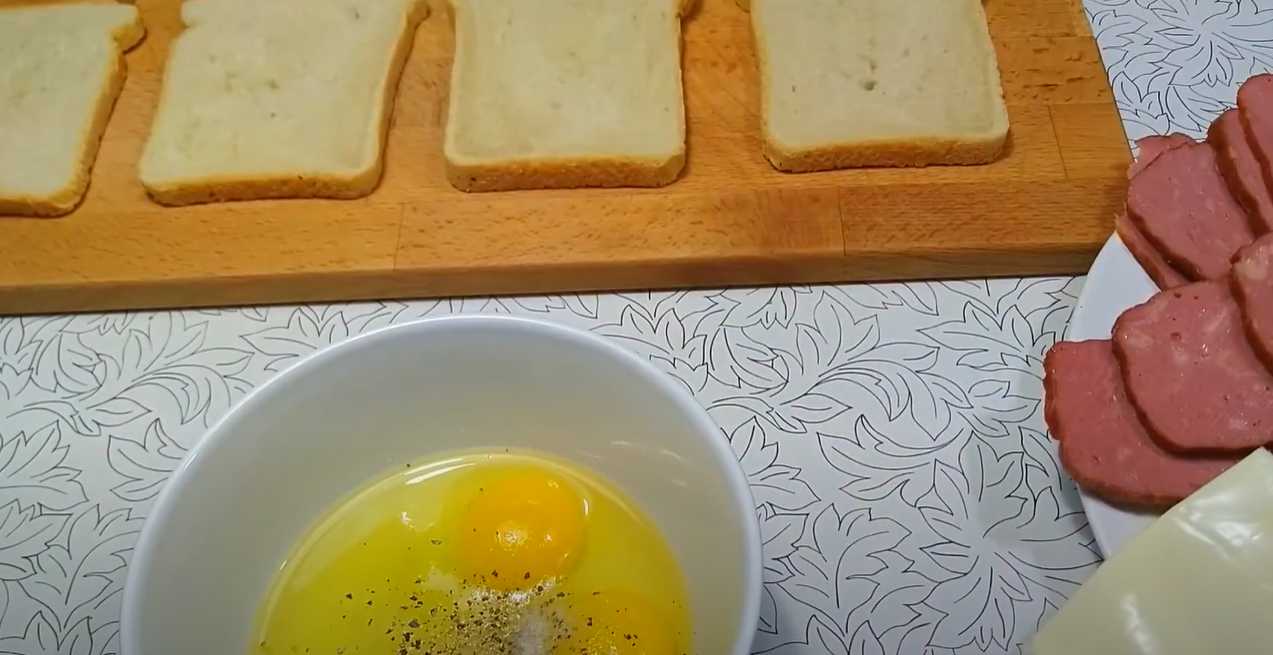 Crack the eggs into a bowl and mix with pepper and salt.
Step 4:
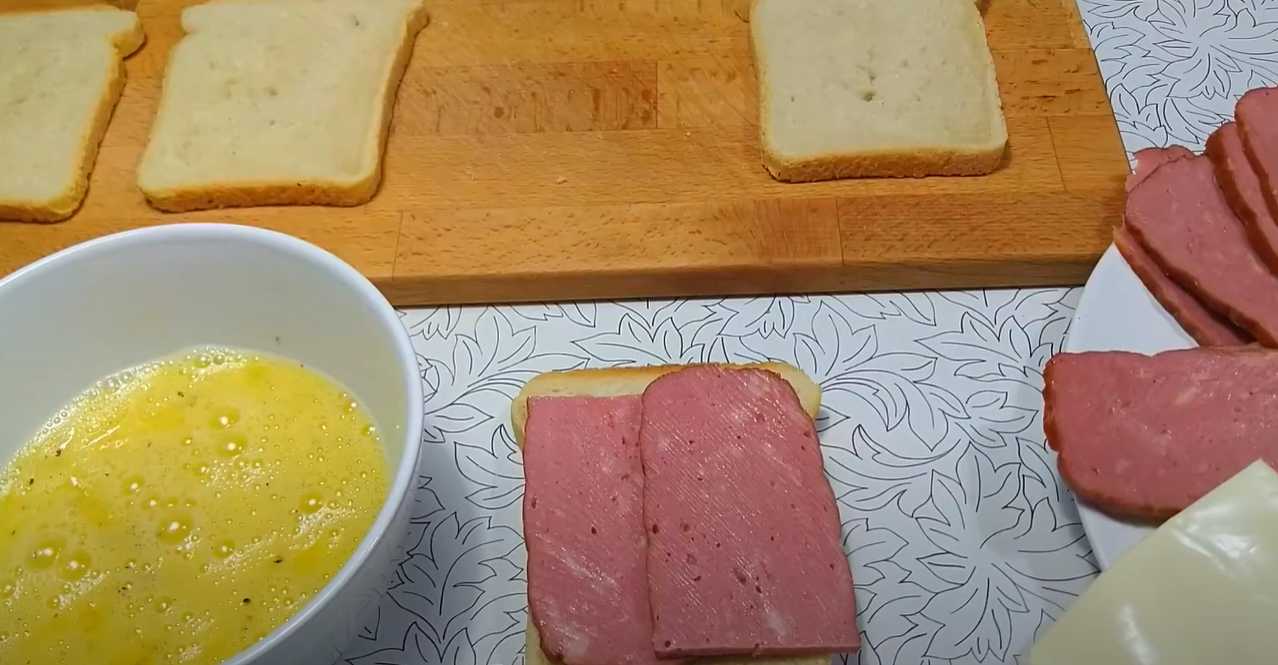 Place 1-2 slices of ham on a piece of bread, covering its entire surface.
Step 5:
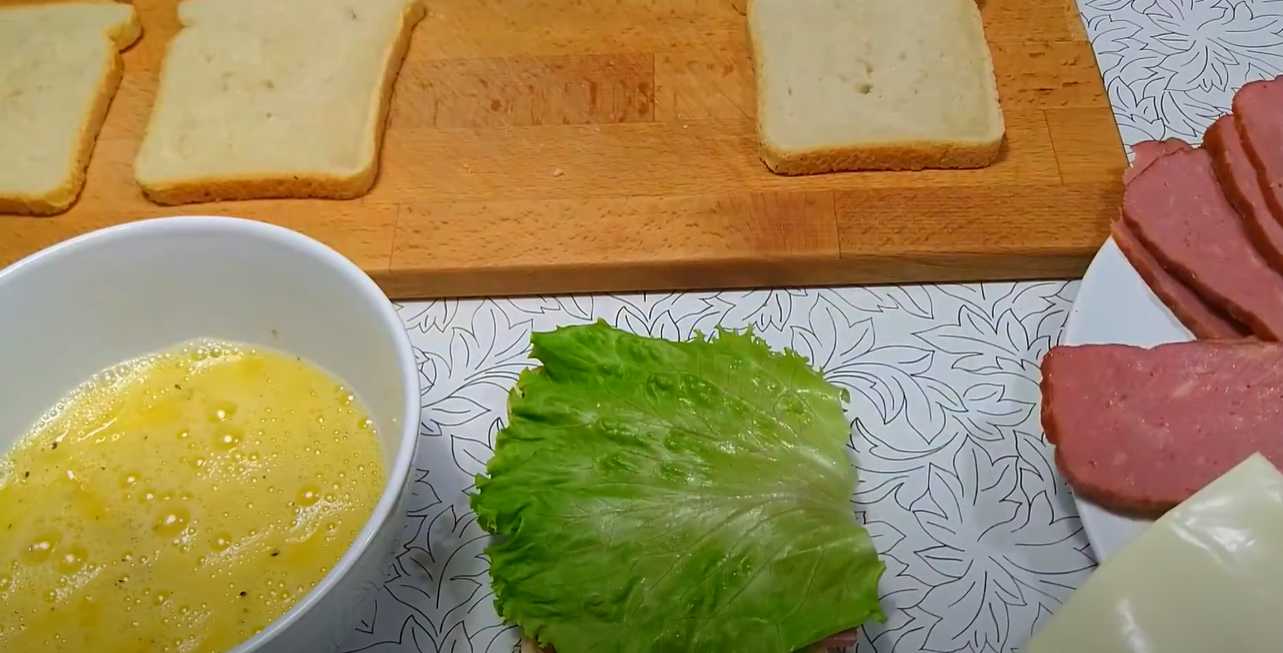 Take a leaf of fresh lettuce and place it on top of the ham.
Step 6:
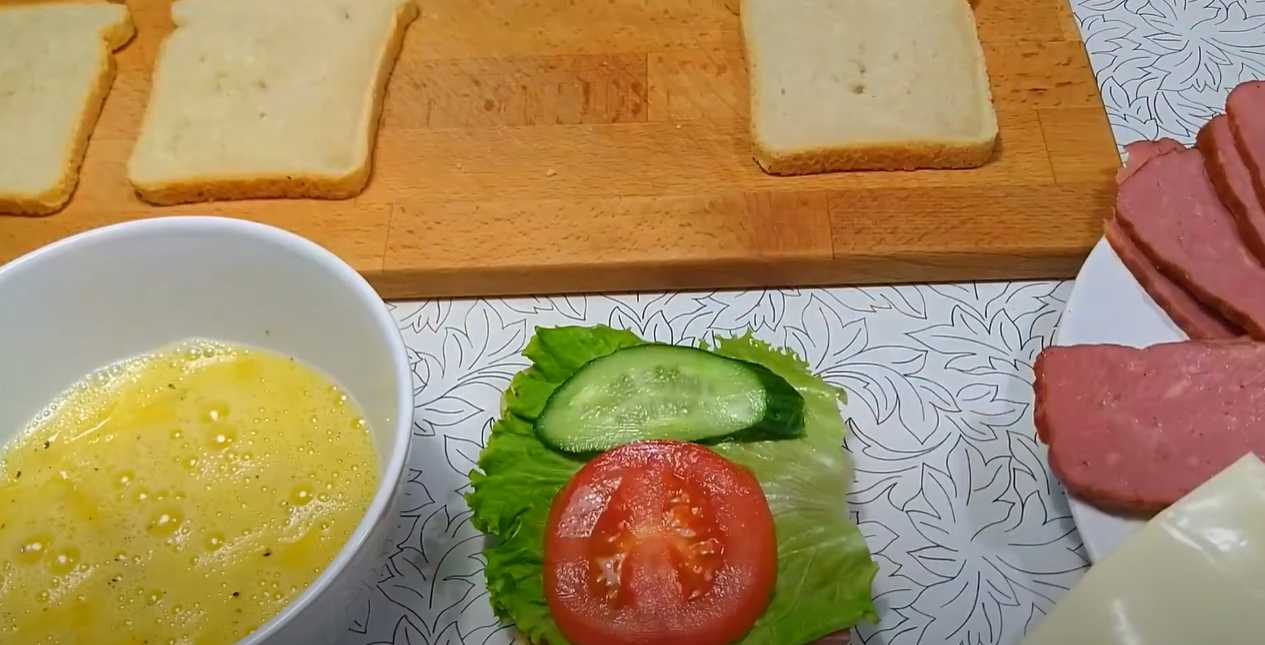 Place a piece of cucumber and a piece of tomato on the salad.
Step 7:
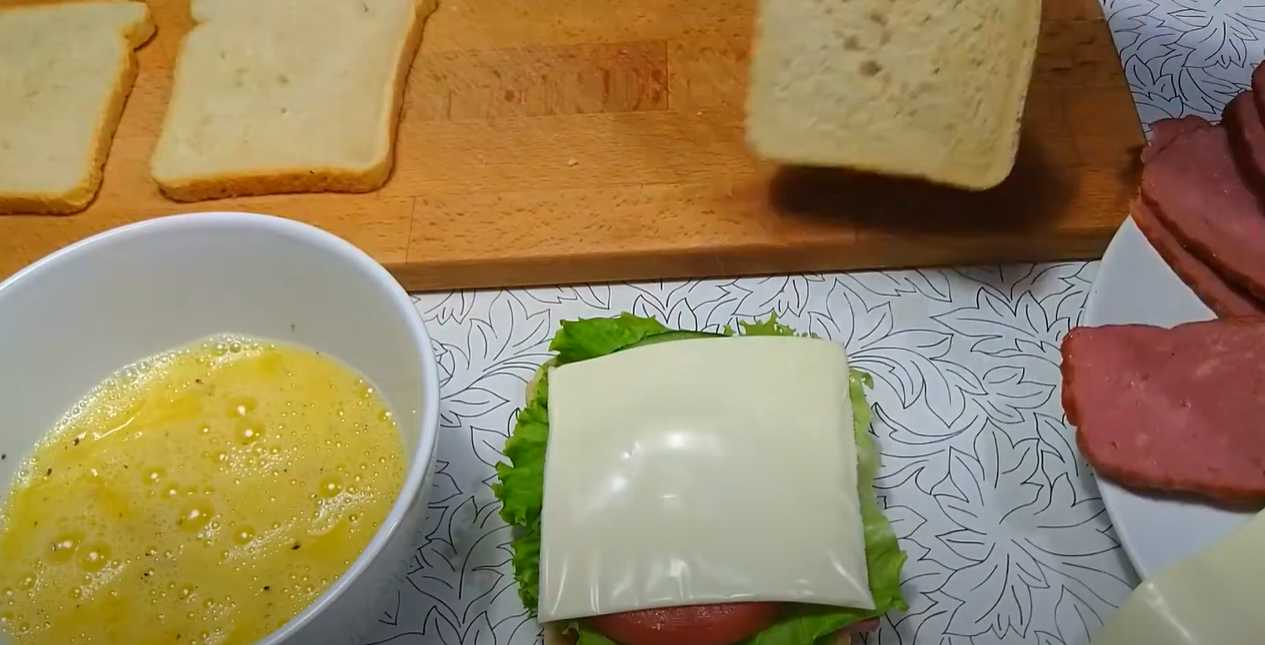 Cover the vegetables with a piece of cheese and place the second piece of bread on top.
Step 8:
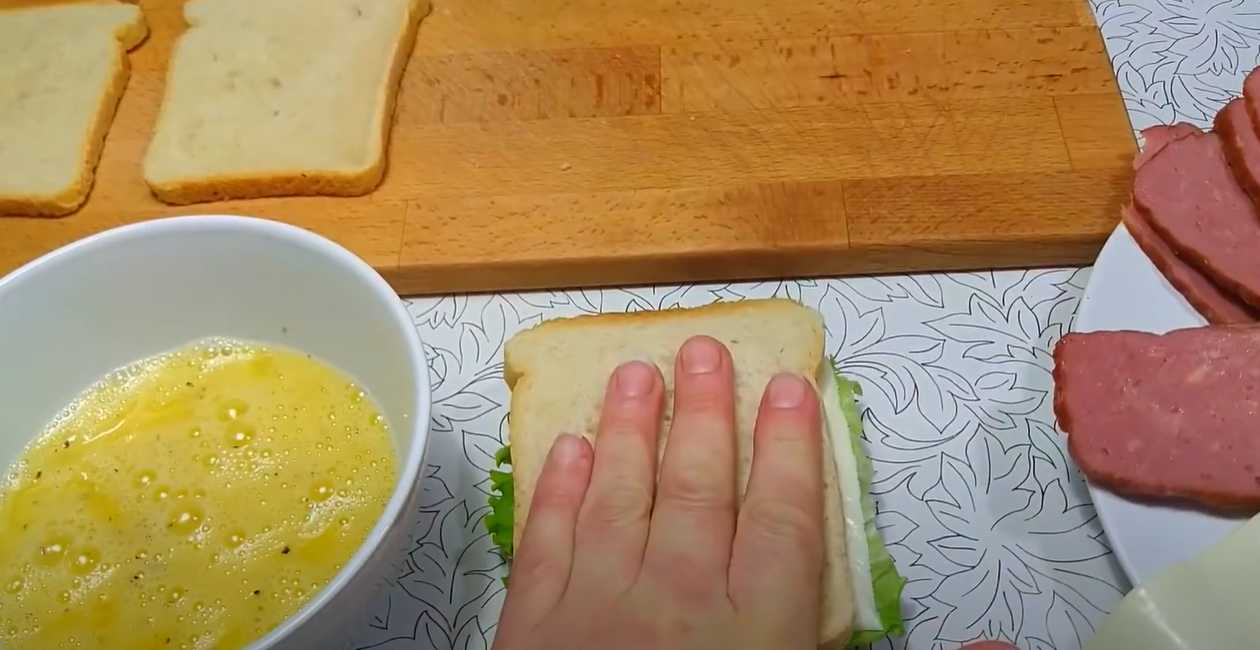 Gently press the sandwich to make it thinner and denser.
Step 9:
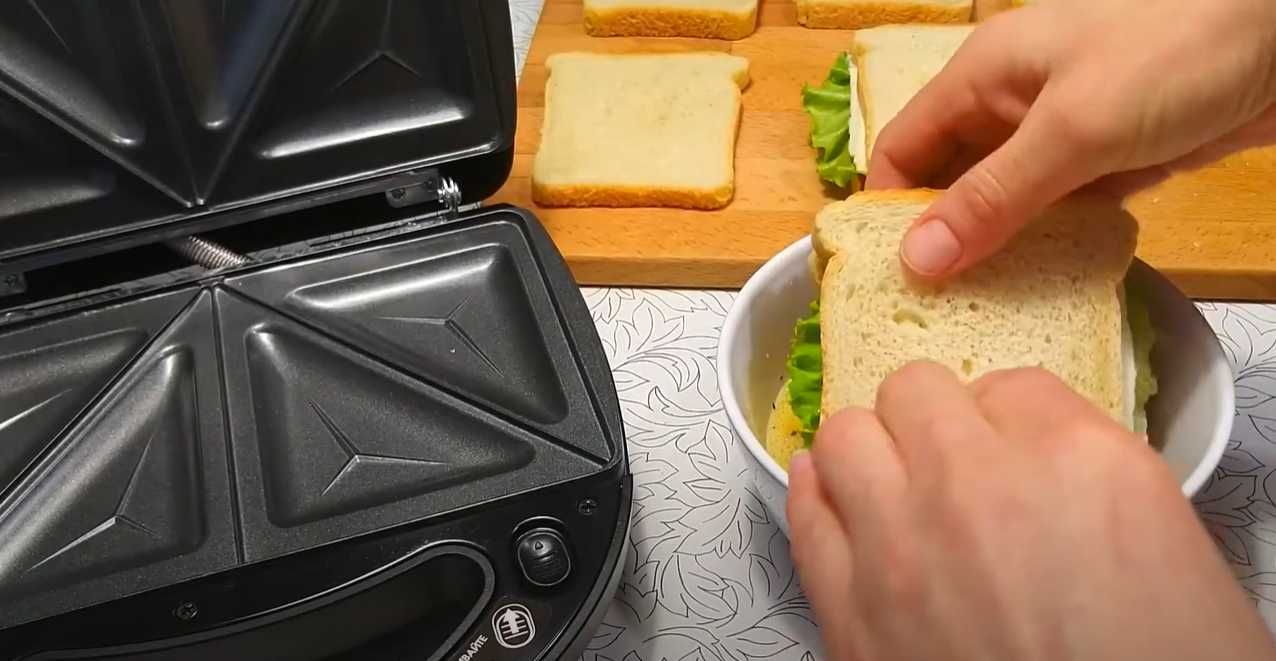 Make the second sandwich by repeating the previous steps.
Step 10:
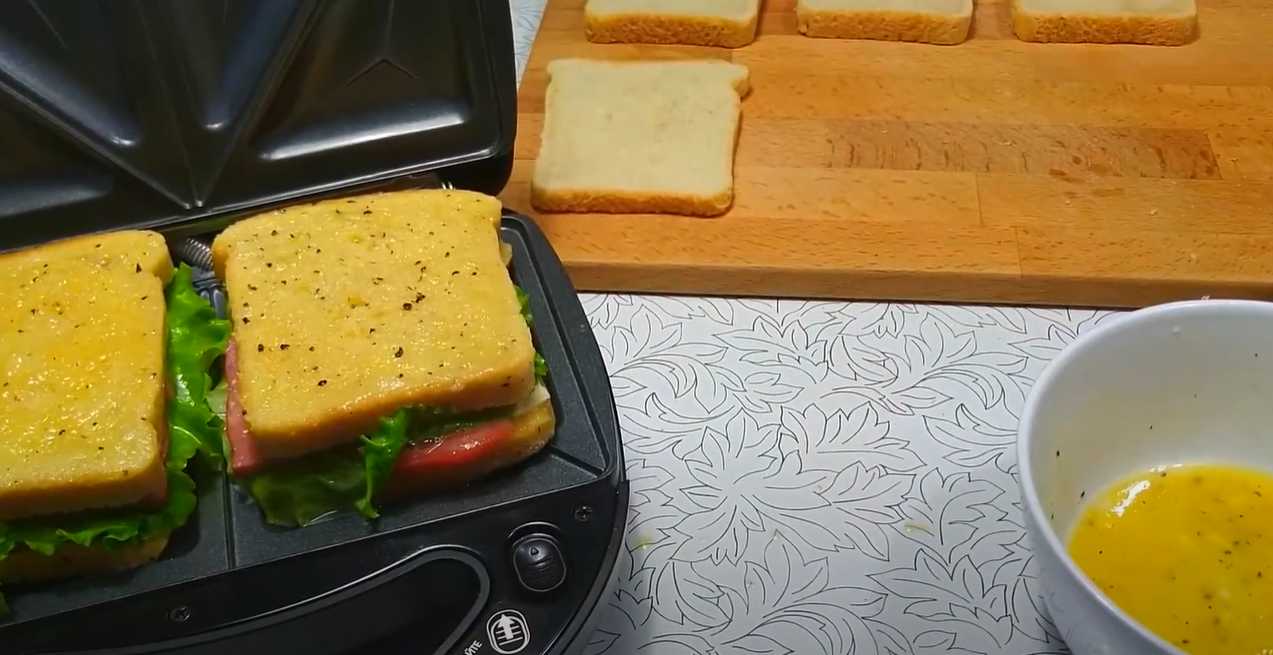 Dip sandwiches in seasoned egg and place in slow cooker.
Step 11:
 Close the multibaker and run the standard program.
Step 12:
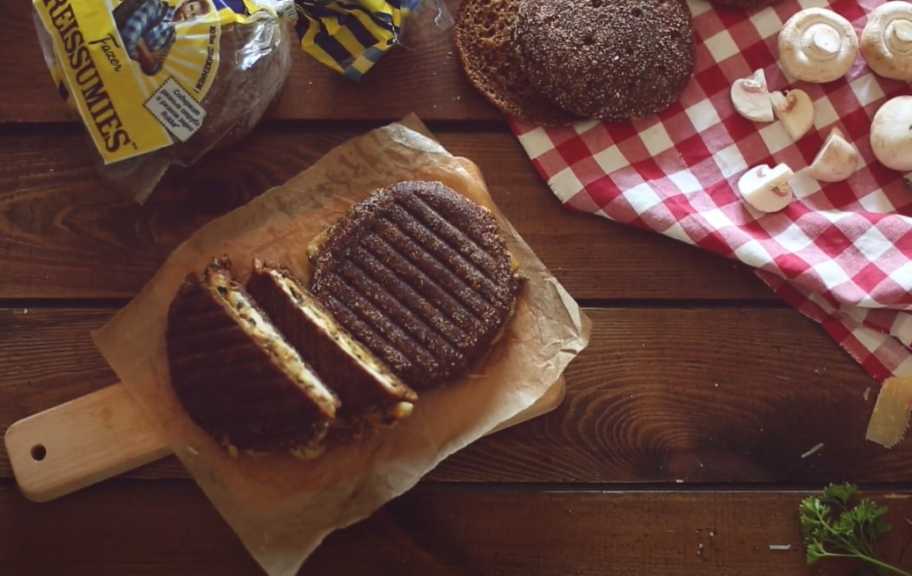
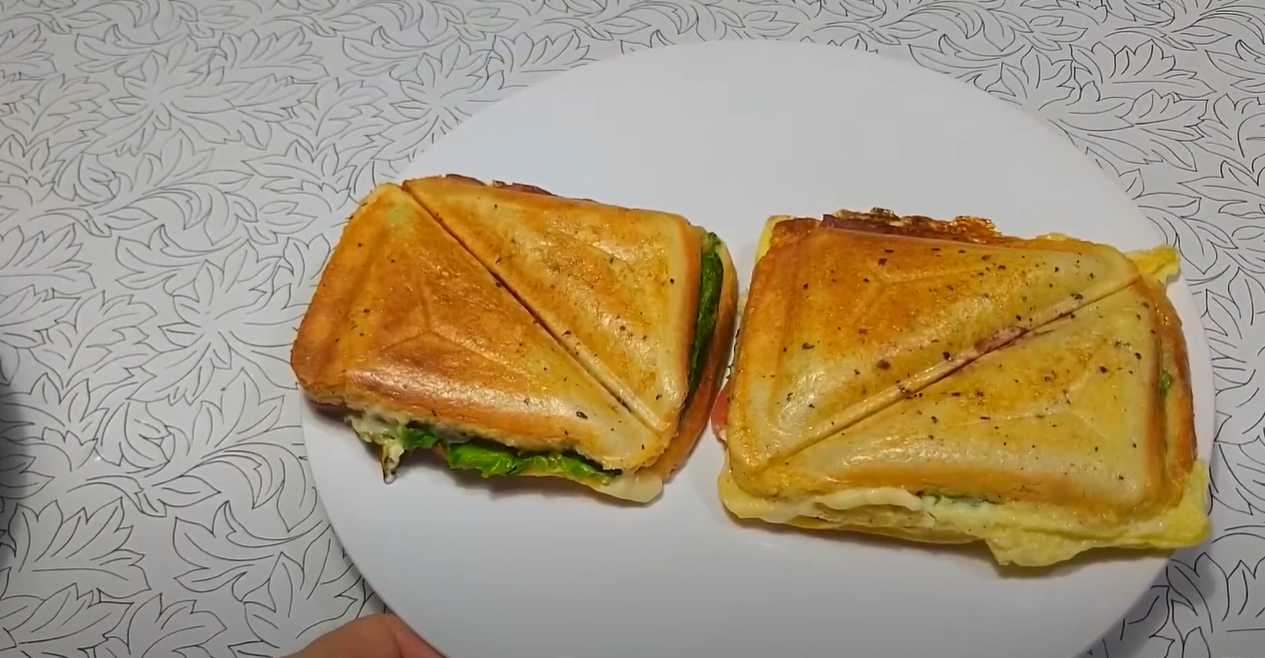 Remove the sandwiches and cut diagonally along the lines created by the multi-baker.
Cooking tips
Use the interchangeable plate you like best in your multi-baker; bread in an egg takes on and holds its shape well, so feel free to experiment.
Avoid brine-based cheeses or cheeses that don't melt. Brine-based cheeses will make the sandwich soggy and lose flavor, while non-melting cheeses will be too textured and interfere with the enjoyment of a soft and delicious sandwich.