Easter treats
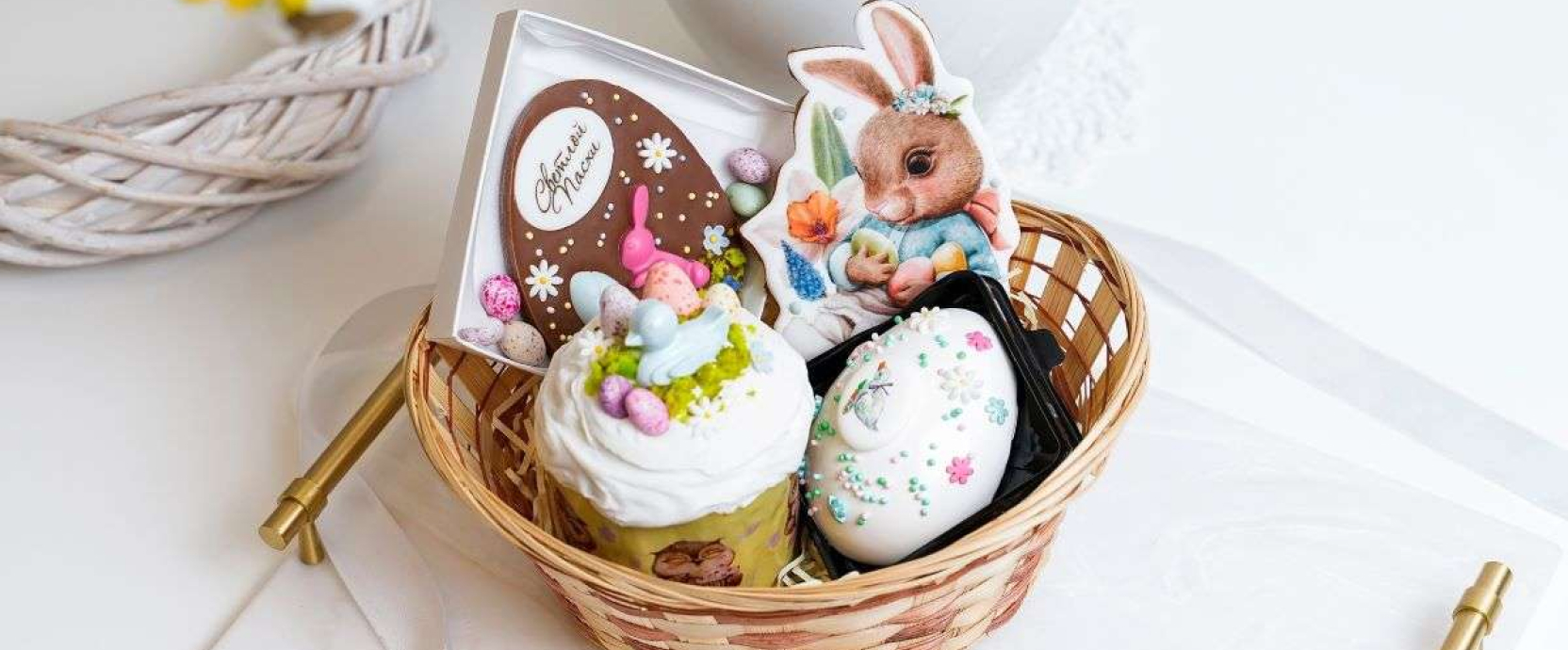
Easter, the Resurrection of Christ, is the most important holiday for Christians of all faiths. Although it is celebrated differently in different countries and even on different dates, many of the holiday traditions, including culinary ones, are similar. For example, dyed eggs are almost universally found on the holiday table. This stems from the legend of the egg in Mary Magdalene's hand, which turned red as a sign that Christ's resurrection had truly occurred. Furthermore, for those who fasted before Easter, eggs, along with meat and milk, were forbidden, but now they can be eaten plain and used in delicious pastries. Therefore, these pastries and sweet curd desserts, which are also often filled with eggs, have become symbols of the holiday.
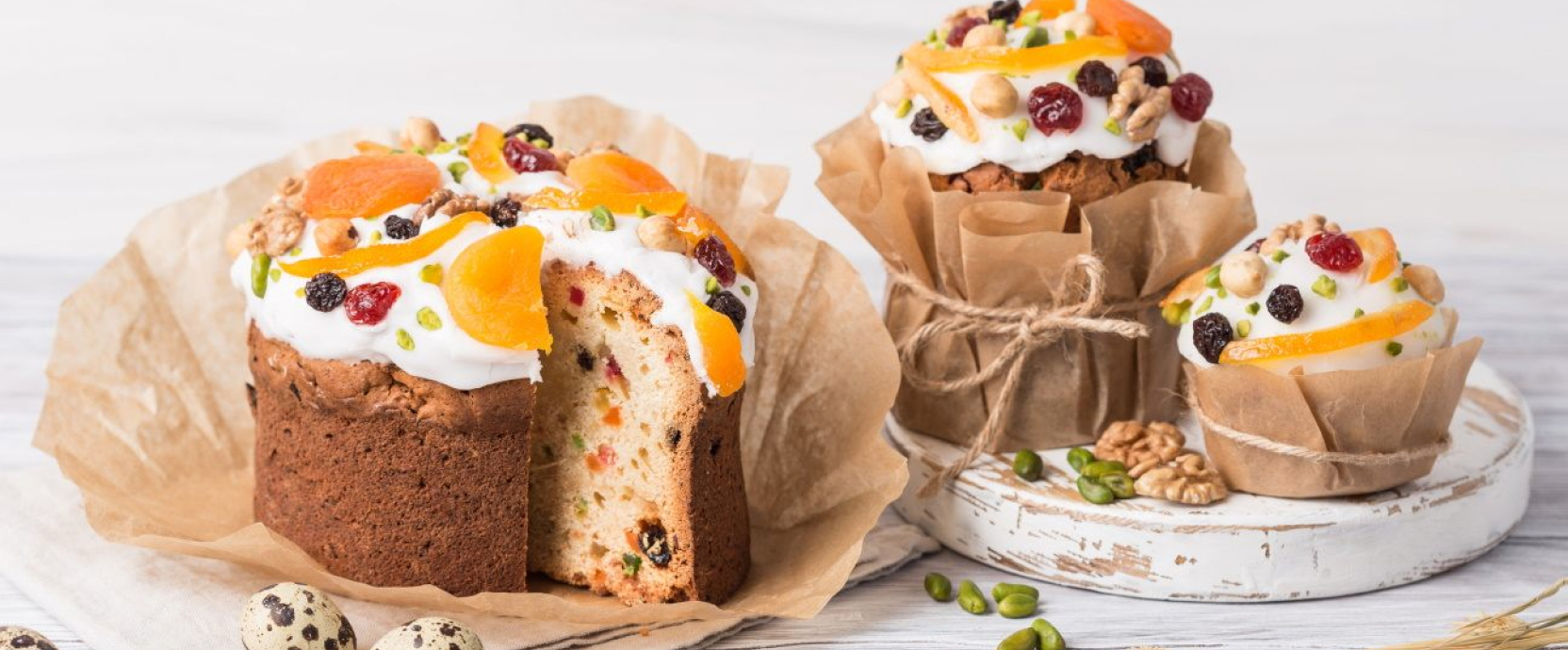
Of course, when the word "Easter" is mentioned, the first thing that comes to mind is Easter kulichi. In southern Russia, these rich cakes or sweet breads are called paska. It is kulichi, like the dyed pysanky eggs, that are taken to church for blessing. The dough for kulichi is made with eggs, butter, and sometimes cottage cheese—something that has been absent from the table throughout Lent. Classic kulichi are baked using a sponge method, like bread: fresh yeast, warm milk, sugar, and a small amount of flour are left to ferment in a warm place, and then this sponge is combined with the other ingredients of the dough. As a result, the dough rises faster, and the kulichi are fluffier and airier. Their cylindrical shape resembles the sacred artos bread, which is baked at church and distributed to believers on the first day of Easter. The rising of the yeast dough is also a symbol of resurrection. The top of the kulichi is covered with a decorative white icing.
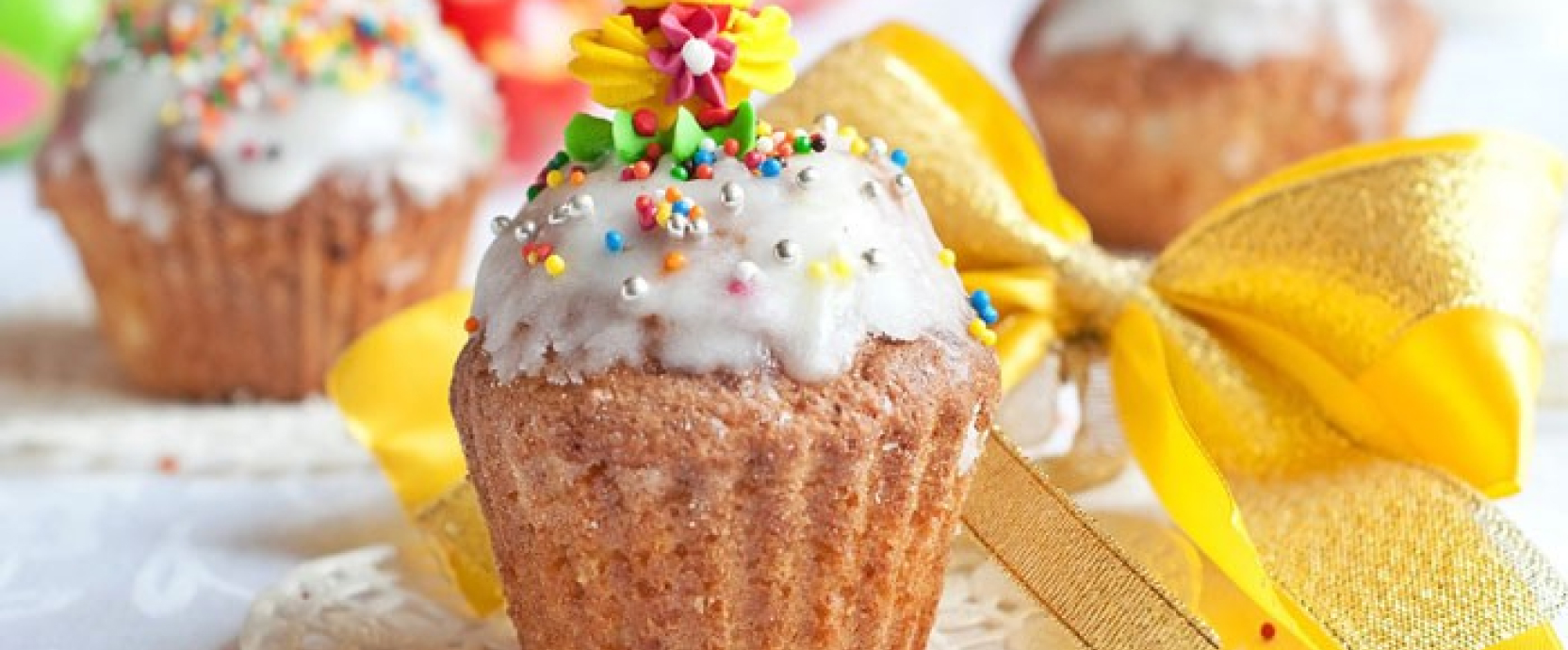
However, these days, you can find not only classic Easter cakes on the holiday table, but also similarly shaped curd cakes. And recently, the intricate Australian craffin cake with its beautiful twisted top has become popular in Russia. And while traditionalists sometimes dismiss these baked goods as Easter cakes, that doesn't make them any less delicious or festive.
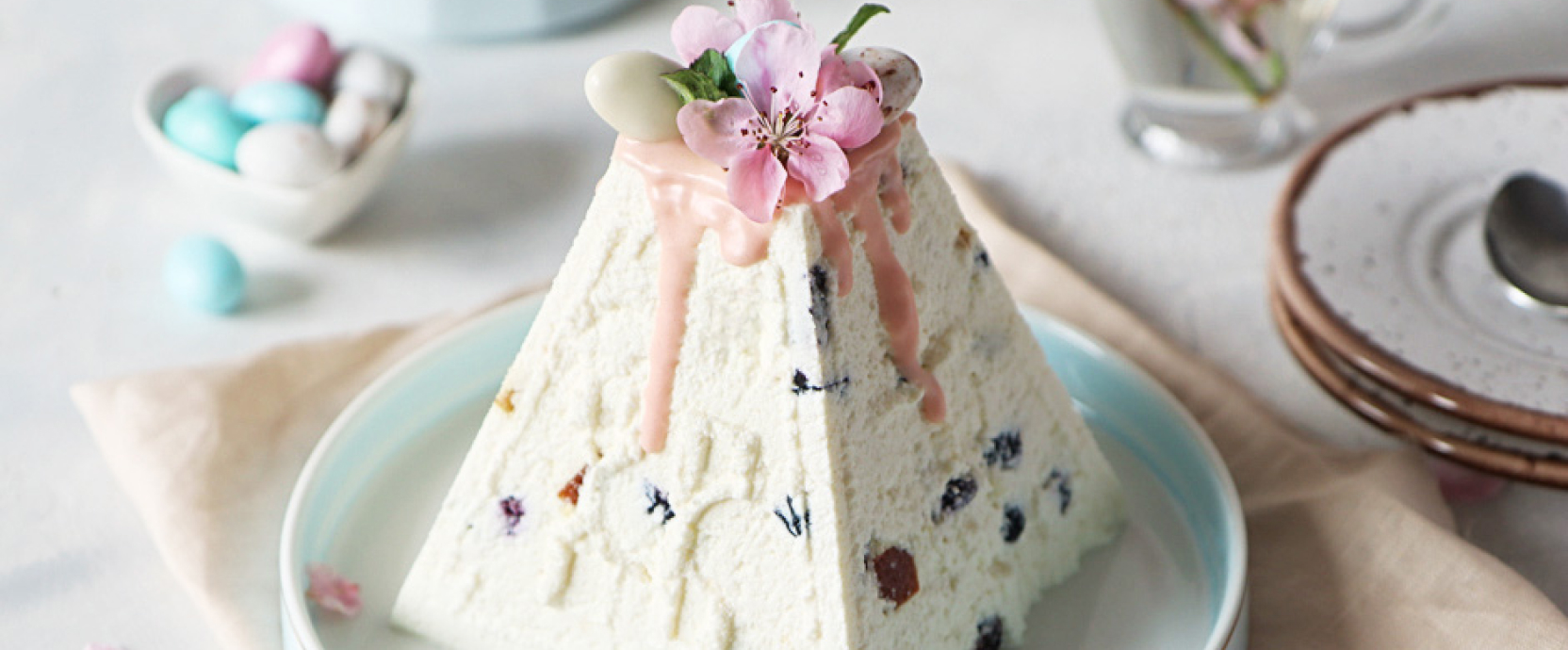
Once upon a time, it was impossible to imagine the Easter table without another symbol of the holiday—cottage cheese paskha. In St. Petersburg, there's a church popularly called "Kulich and Paskha" due to the round shape of the church and its pyramid-shaped bell tower. Nowadays, cottage cheese paskha is made less frequently, although the dessert is quite simple. To achieve a truly beautiful paskha, a special mold is needed. This mold not only gives the sweet cottage cheese the appearance of a pyramid—the "Holy Sepulcher"—but also allows for beautifully embossed inscriptions and designs to appear on its edges. Eggs, raisins, and candied fruit boiled in hot milk are typically added to the cottage cheese for paskha. Those who, for whatever reason, don't eat eggs can add condensed milk to the cottage cheese for a thicker consistency. Besides the classic white paskha, you can make a more interesting version—a three-layer paskha with two types of chocolate.
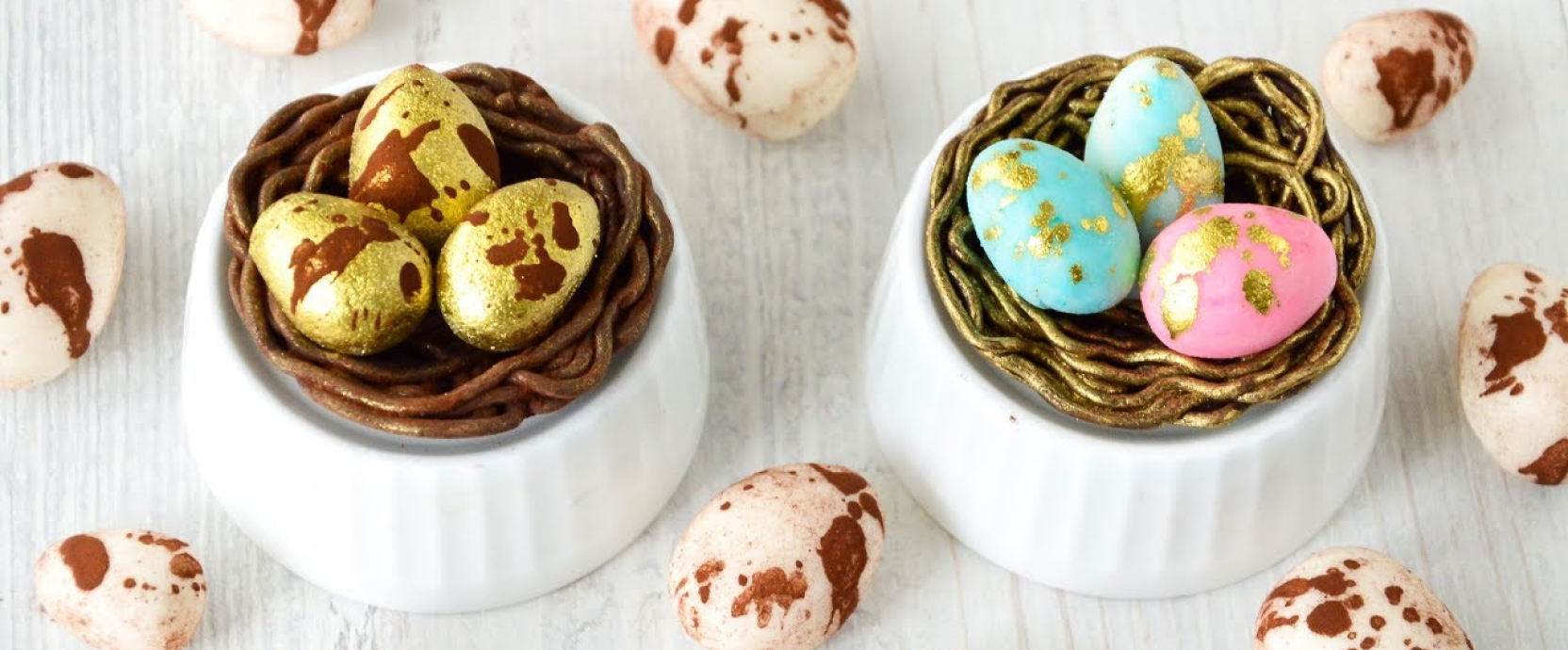
In addition to a platter or basket of dyed or decorated eggs, you can also add miniature nests of coconut dough with white chocolate and miniature colored chocolate dragee eggs (available for purchase online) to your festive Easter table. Or you can dare to try a real culinary experiment and, instead of buying a Kinder Surprise, make your own chocolate eggs with a delicious curd filling. Tempering is a process whereby the chocolate is "hardened" by temperature changes, allowing it to harden into a firm crust. You'll need to use an electronic thermometer and strictly follow the instructions during preparation—but your guests' surprise and admiration are guaranteed!
Other Christian nations have their own sweet Easter traditions. In Poland, instead of kulich, they bake paska baba or babka—a cone-shaped sweet cake, elegantly decorated with icing, raisins, and nuts, and truly resembling a woman in a festive dress.
In Romania, the Easter table is always filled with a festive pie called kozunak, a large, golden-brown cheesecake with a beautiful braided border. This pie is baked for both Easter and Christmas, but while the Christmas pie can have any filling, as long as it's sweet, Easter kozunaks are most often baked with cottage cheese and raisins.
In Greece, a sweet braided bread called tsoureki is baked for Easter, somewhat reminiscent of Jewish challah. The symbolism lies in the very process of making it: two long strands of dough are folded crosswise, and then the four ends are braided.
Hot Cross Buns, an English Easter pastry, are minimalist yet perfectly capture the essence of the holiday—each one is decorated with a cross. These sweet buns are eaten hot, sliced lengthwise and generously buttered.
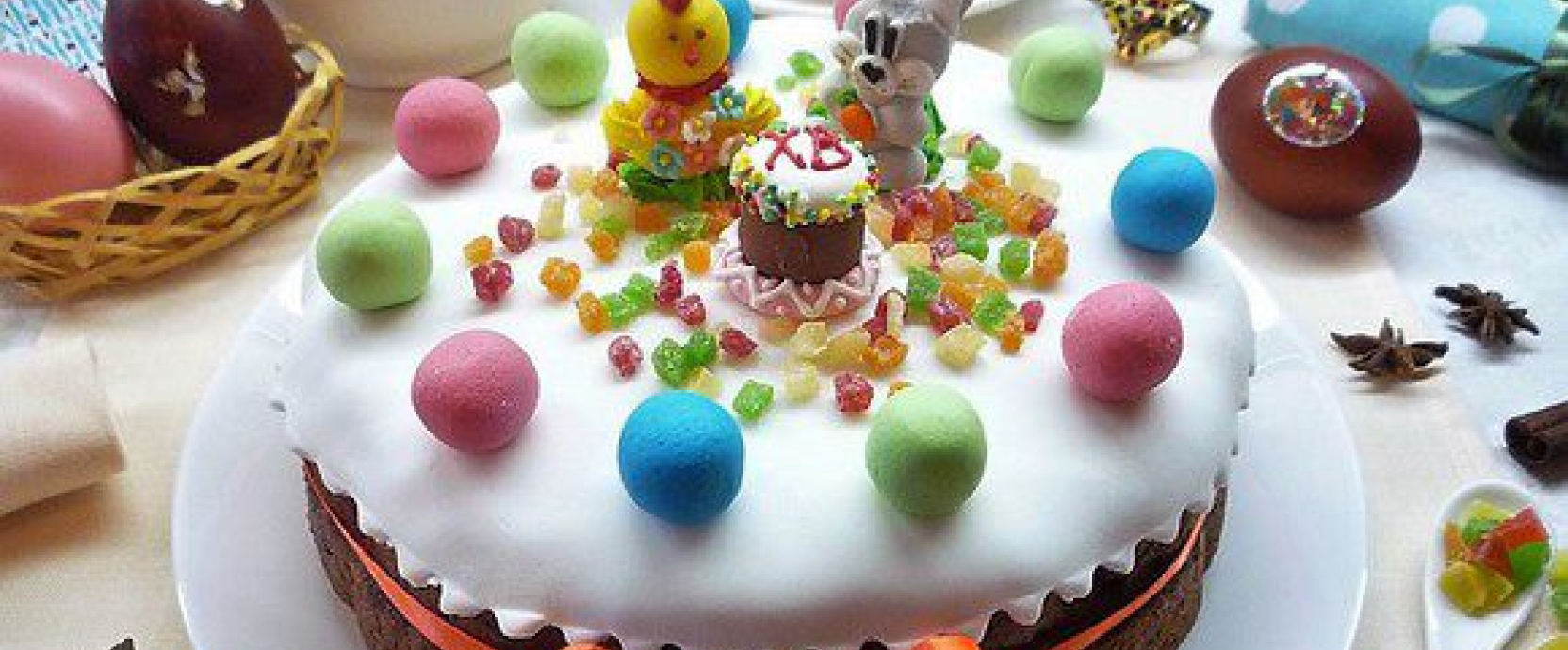
The Irish, England's neighbors, can't imagine Easter without the festive simnel cake, made of gingerbread and marzipan. The top of this cake must be decorated with eleven marzipan balls, representing the number of Christ's disciples, excluding Judas the traitor. Sometimes, an additional decoration is placed in the center, symbolizing Christ himself.
In Germany, a lamb made of dough—a symbol of the sacred sacrifice—is a must-have on the Easter table. It's usually a three-dimensional figure baked in a special springform pan and dusted with powdered sugar. But if you don't have a pan, you can take a much simpler approach and create a flat, curly-haired lamb out of dough—a fun pastry to make with children.
In Italy, the birthplace of pizza, instead of sweet pastries, a meat pie called pizzagaina (or "pizza rustica" – rustic pizza) is served on the Easter table. Its filling is a mixture of soft ricotta cheese, finely chopped pepperoni, and cured pork called cotta. This pie better marks the end of Lent, which is not as strict for Catholics, but meat is definitely considered a fast food.