Korean cuisine – familiar and unfamiliar
What you need to know about Korean cuisine?
It might seem that not even every Russian cook, but even every eater, knows everything about Korean cuisine. The famous "Korean-style carrots" and "Korean-style cabbage" are easily found on store shelves, and recipes for these truly delicious salads are available online. Markets offer a much wider selection of exotic Korean dishes—tender and spicy pickled eggplants, other savory vegetables, and a wide variety of seafood. But here's the problem: while most of these delicacies were indeed invented by Koreans, they bear only a tangential relationship to authentic Korean cuisine.
This is the cuisine of Soviet Koreans, adapted to our reality during the forced migration of Korean settlers to inland and less-rich Central Asian regions, where vegetables were the primary staple. Although seafood eventually returned to the menu, authentic recipes from the Land of the Morning Calm, especially those once prepared at the royal court, have not – a revival that many chefs in Korea are now passionate about.
So what do you need to know about Korean cuisine, which has remained rooted in its ancient native soil for all these years? First of all, like any other cuisine in the world, it features far more than just cold appetizers. There are also starters—hot and cold soups—and main courses, both meat and vegetarian, and a wide variety of desserts. Traditionally, all of these, with the possible exception of desserts, are served together—appetizers, sauces, first course, and second course.
Classic ingredients in Korean cuisine and main dishes
There's a fairly small set of classic ingredients that can be used to prepare almost any Korean dish. First, there's a set of traditional seasonings: fermented soybean paste (doenjang), fish sauce (akjeot), ground hot pepper (gochu-karu), hot pepper paste (gochujang), soy sauce (chin-ganjang), and sesame oil (chham-gireum). kandyai (also known as Tire) The sauce is typically used for dishes such as Pigodi, manti, and similar dumplings. The word "Kandyai" generally refers to varieties prepared with soy sauce.
Most dishes are prepared with them or served as an accompaniment. What are these dishes?
First of all, as with most other Asian cuisines, almost no meal is complete without rice. Korean chefs use short-grain white rice, the same kind used in Japanese sushi; here it's called mepssal. Korean rice is slightly sticky yet fluffy. It's the basis of most dishes, just like potatoes in our country. In Korea, rice is often prepared and served bland, as other ingredients in the dish are quite salty and spicy.
Instead of rice, noodles sometimes appear at the center of a Korean table. The most famous noodle in Asian cuisine, including Korean cuisine, is funchose, or "glass noodles" made from bean starch. They are served with a variety of hot and mild seasonings, vegetables, pieces of meat, or seafood. Besides glass noodles, Koreans also eat more common noodles made from buckwheat and rice flour.
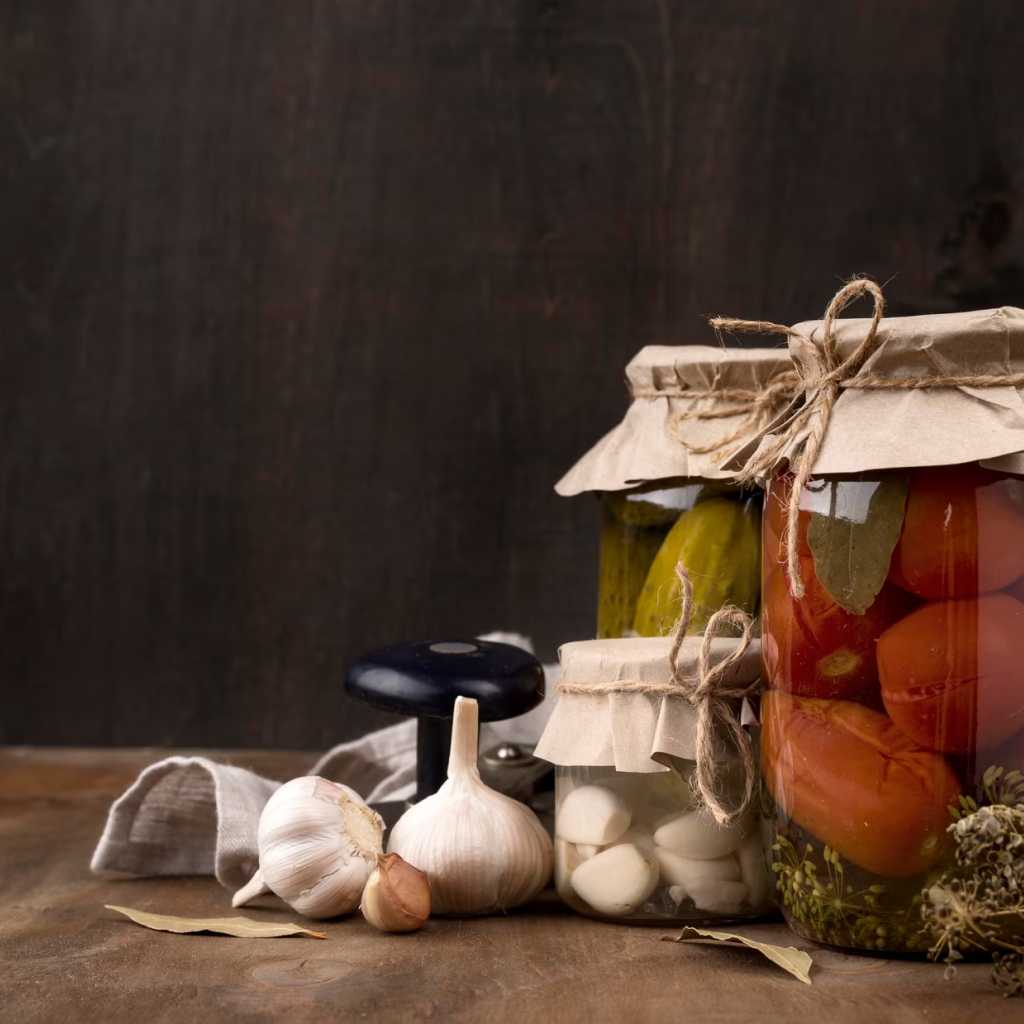
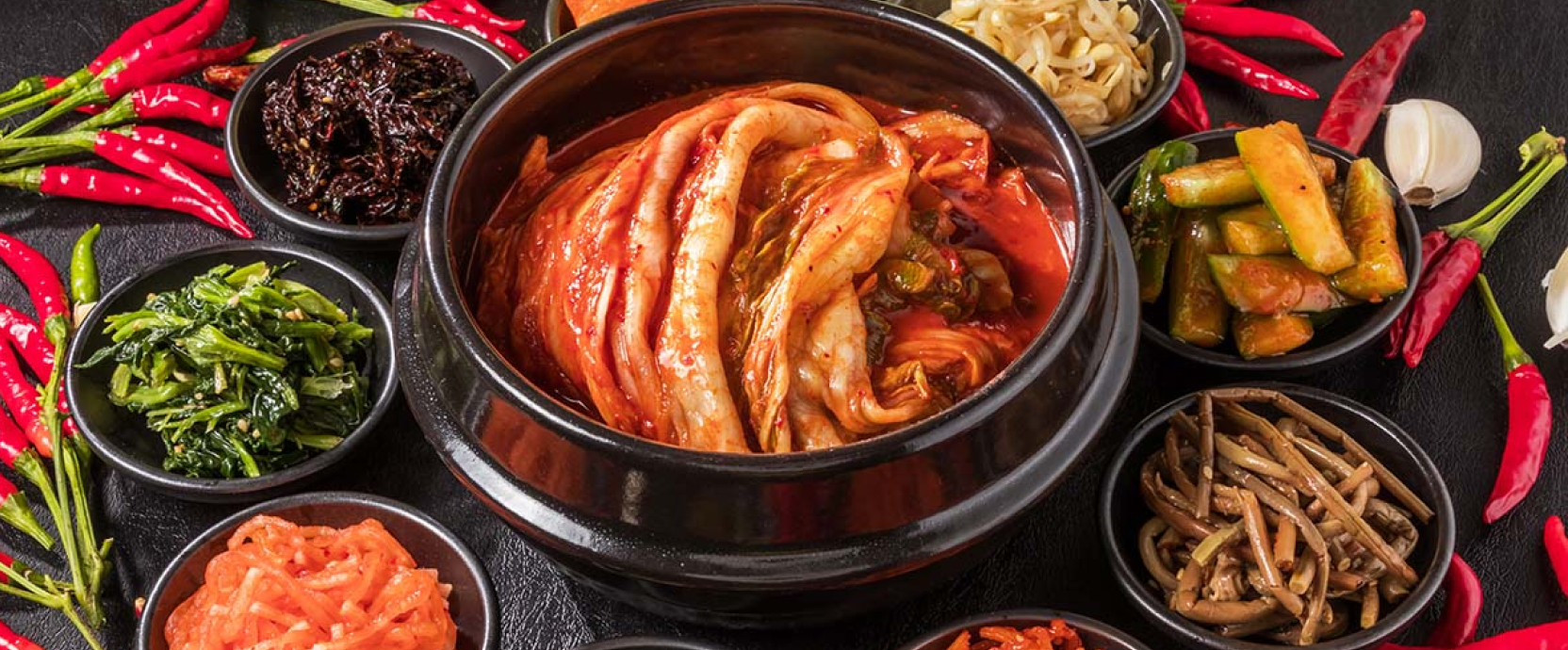
Another dish Koreans can't eat without is kimchi. It's fermented vegetables, primarily napa cabbage, seasoned with red pepper, ginger, and onion juice. Kimchi also sometimes includes fermented radishes, cucumbers, eggplant, and other vegetables. In fact, the "Korean-style" appetizers we know today trace their origins to kimchi, though in Korea, it's not just an appetizer, but a staple of daily meals. Kimchi is also considered a folk remedy for obesity, colds, and hangovers. Koreans are so proud of this dish that there's a Kimchi Museum in Seoul, whose collection boasts 187 unique recipes.
Main dishes in Korean culture
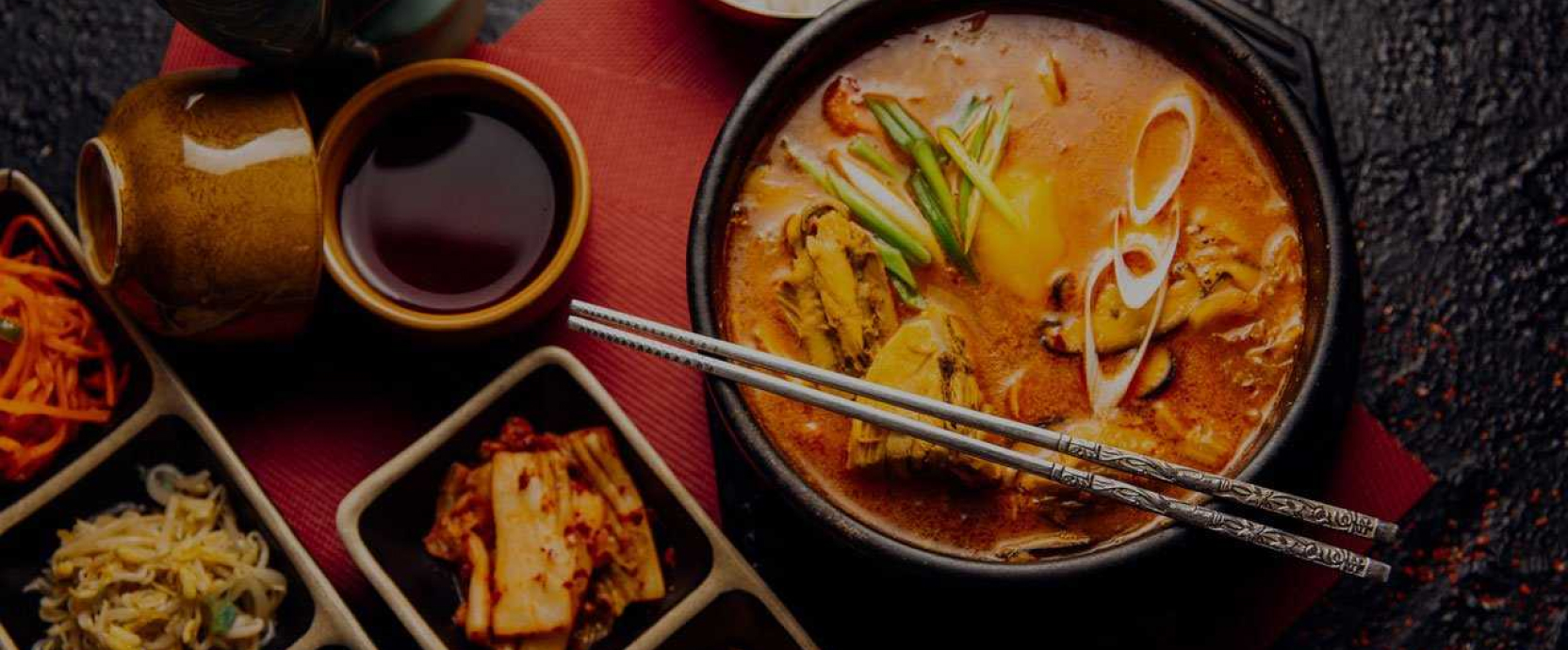
What we consider main courses in Korea are considered appetizers, or banchans, in Korea. These are variously prepared vegetables, meat, fish (both raw and fried), and seafood. Rice and kimchi are usually served with an odd number of banchans—from three to nine; in ancient court cuisine, there were twelve.
Korean soups come in two types: guk and thang. Guk is a thin soup, sometimes served cold, while thang is a thick stew with meat, fish, or seafood, served primarily in restaurants.
A classic Korean meal called sam-cheop papsan includes rice, kimchi, soup, three different types of banchan, and a large bowl of soy sauce. Sometimes, instead of soup, jjigae—a hot pot stew made with meat, seafood, or vegetables in broth—is served.
Another classic dish Chazhangmen with beef. This dish features thin noodles cooked with jangjang paste (from which the dish gets its name), which is made from fermented beans, vegetables, and meat. Jangjangmyeon is often served with various vegetables and sometimes seafood or meat, and is characterized by a rich flavor and aroma. It is a popular dish in Korean cuisine and is widely known outside of Korea.
On the principles of Korean cuisine
It's also worth mentioning the principles by which Korean chefs have traditionally assembled their dishes from various ingredients. These principles were absorbed from ancient Chinese philosophy. First and foremost, this is the concept of the harmony of the elements in the universe and the two primary energetic elements—yin and yang, which in Korea are called "im and yang." The five elements—wood, fire, earth, metal, and water—correspond to the colors and flavors of ingredients. Dishes and ingredients are also assigned "yin" and "yang" properties.
To maintain harmony in the eater's body, the right combination of colors and flavors is essential in each dish, as well as between different dishes during a single meal. However, times are changing, and these days, perpetually rushed housewives not only neglect such lofty matters but often serve only rice, kimchi, and soup, without even soy sauce. The custom of sitting on the floor at a low table is also gradually becoming a thing of the past.