Bread is the head of everything
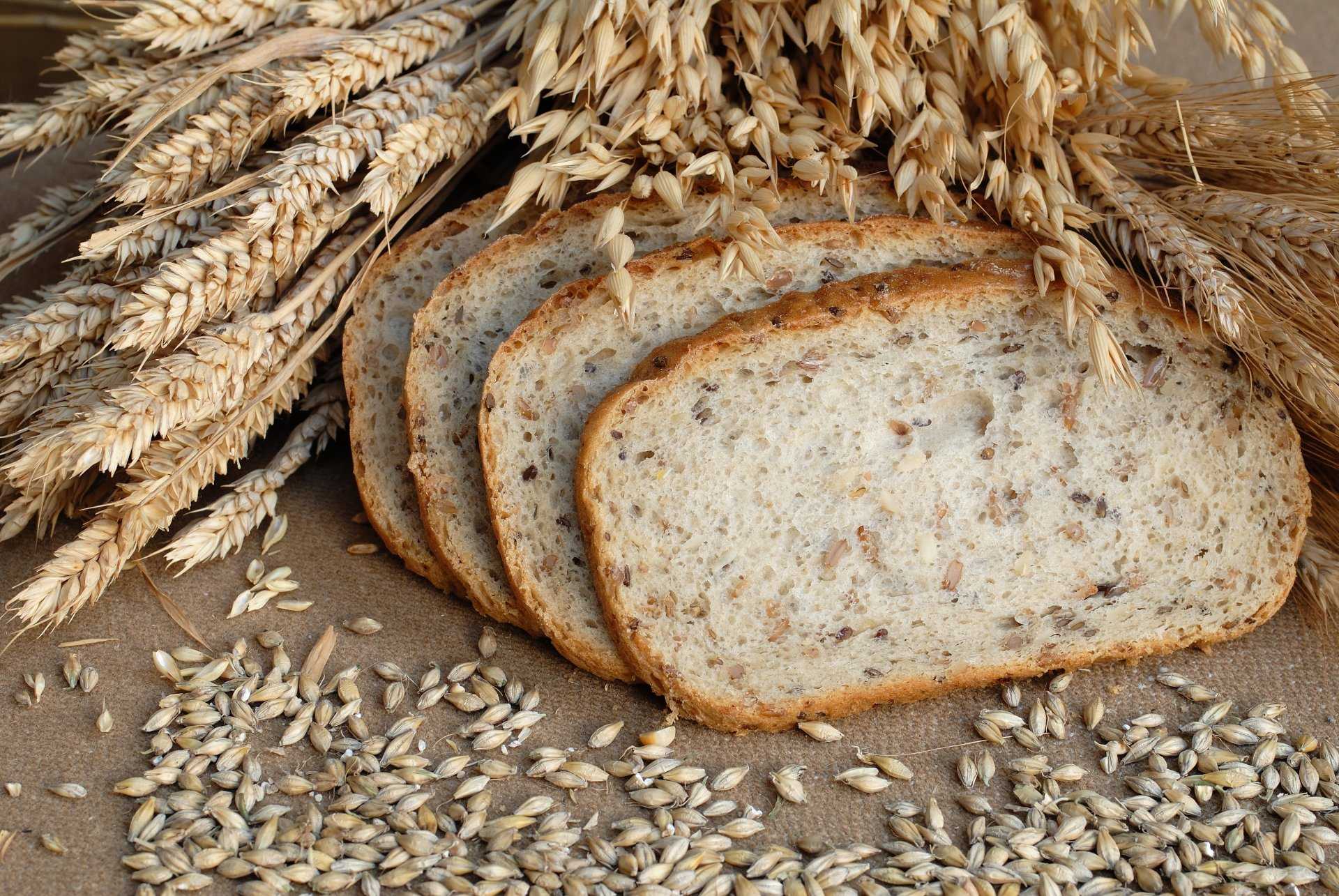
Bread, in one form or another, has been a staple of the human diet since prehistoric times. Its most ancient form was simple unleavened flatbreads made from ground roots, seeds, and grains of wild plants, baked on hot stones over a fire. Archaeological finds suggest that our ancestors were eating these flatbreads over 30,000 years ago. This discovery was likely made by accident—someone spilled a primitive stew onto hot stones. Even hunter-gatherer cultures relished flatbreads, if only because they were convenient to use instead of spoons or even plates, and because they made fatty meat dishes seem less heavy when eaten with them.
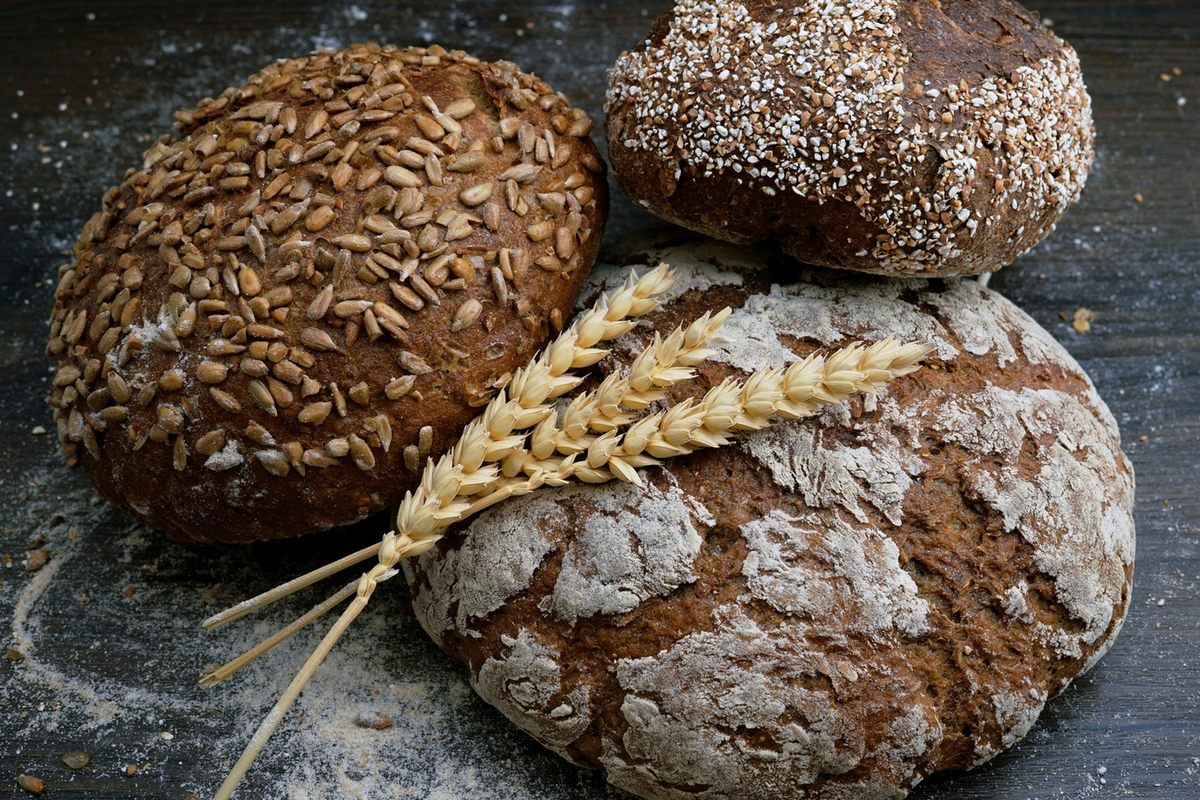
When cultivated agriculture began to develop in the Middle East region known as the Fertile Crescent, bread, much as we know it, appeared on the tables of ancient people. These included not only unleavened flatbreads, but also yeast bread. This was made using "wild" yeast, which was introduced into the starter from the air. This, too, was most likely the result of chance—it was discovered that fermented porridge scraps could be used to make beer, and that mixing them into dough would make it fluffy. Leftover dough or pieces of stale bread mixed with water and sugar were used as bread starter, much like how natural kvass is made today. Beer and grape must mixed with flour, or wheat bran, were also used. In ancient Greece, and later in Rome, no meal was complete without bread. In fact, the Slavic word "bread" derives from the Greek clay pots "klibanos" used for baking dough. In Ancient Rome, where order was valued in everything, including the economy, home baking gradually ceased to be a popular pastime. Bakers emerged as a highly respected profession, and they began to organize into guilds.
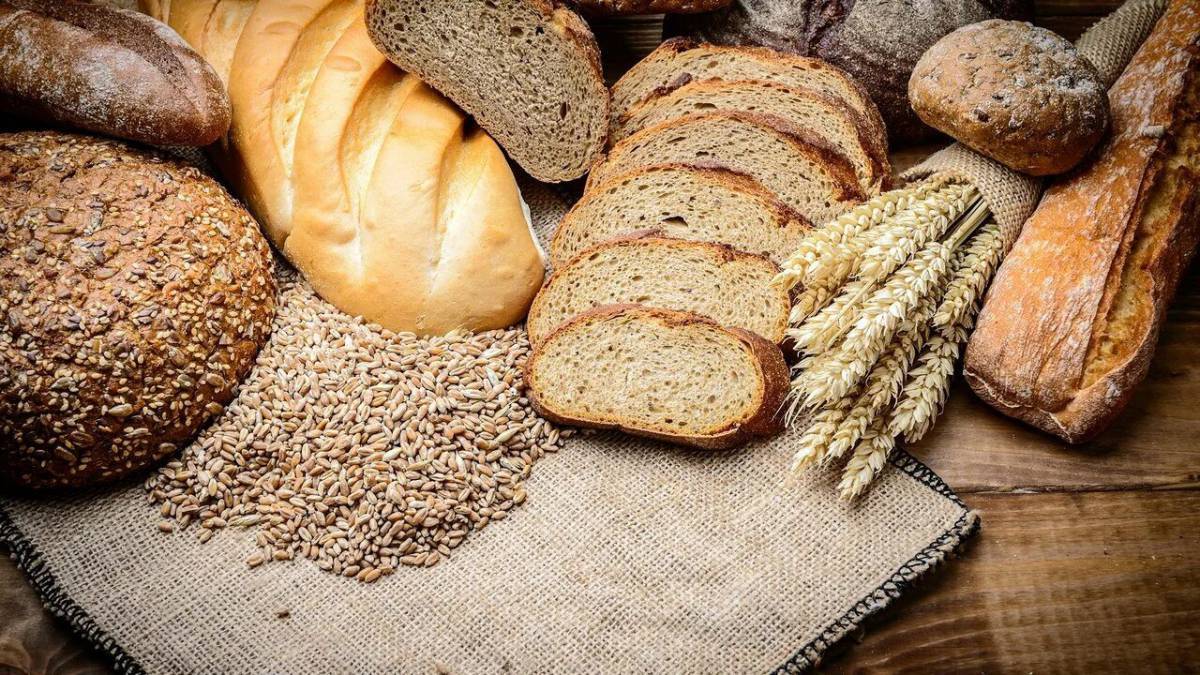
With the advent of Christianity, bread not only became a vital food, accessible even to the poor (sometimes as almost their only food), but also acquired a sacred significance. Bread became the "body of Christ." It began to be treated with great reverence, and throwing away even stale bread became considered bad manners. Stale bread was used to make a soup called tyurya, soaking pieces of it in water, adding onions and a little vegetable oil—this was the food of the poor or those strictly fasting. Kvass, made from bread crusts, became the most beloved and widespread domestic soft drink, even giving rise to the ironic expression "kvass patriotism."
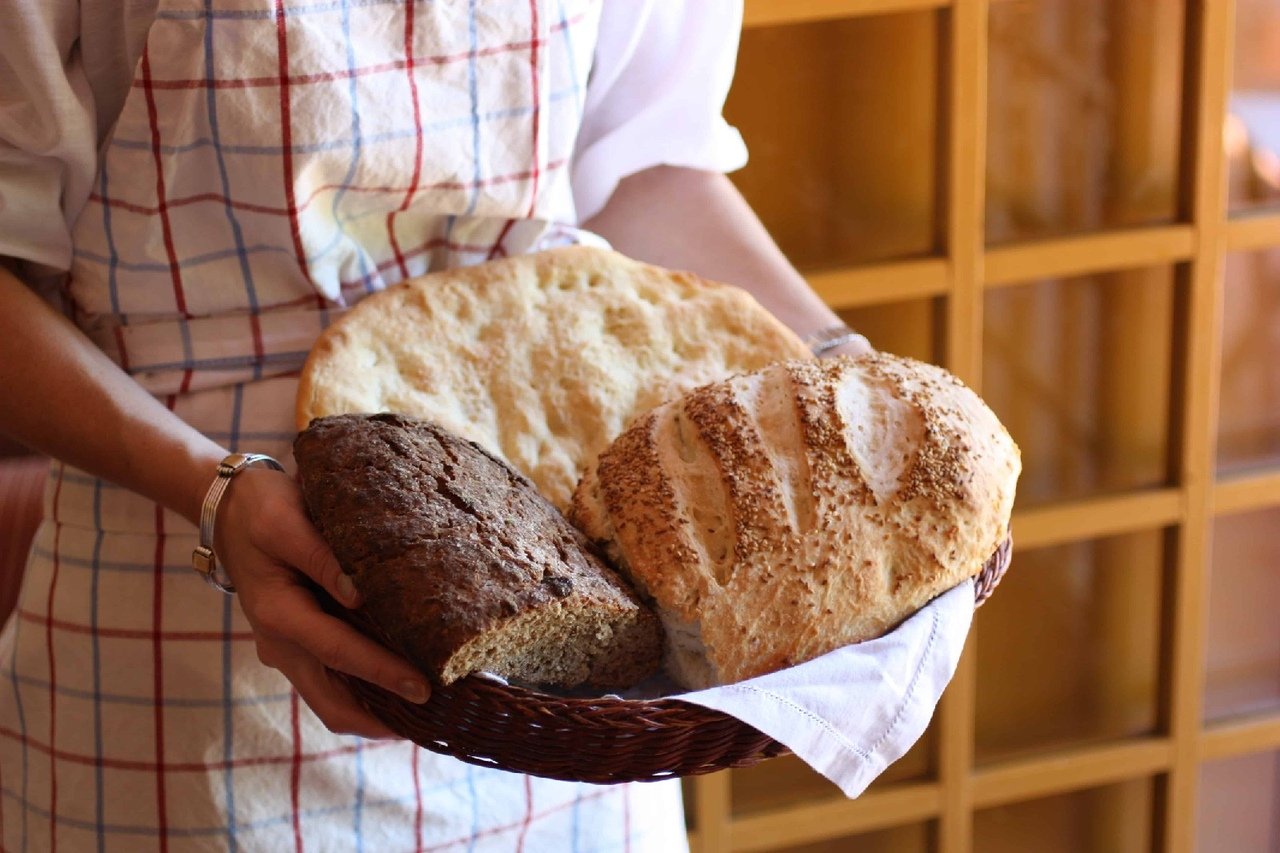
In Rus', as elsewhere in the world, wheat bread was the first to be baked. However, rye proved far more forgiving and the harvest much easier. "Rye feeds all the fools, but wheat—as soon as you move," as the saying went. Rye bread in villages was baked in every home using the simplest traditional recipes, while urban wheat bread and intricate pastries appeared on the table only on holidays. Filled pies, incidentally, also first appeared as a type of bread, or more precisely, as a main course and accompanying bread, prepared together.
These days, bread can be bought in any store, but like any industrially prepared food, respect and trust in it has waned. More and more people are baking fresh, natural bread themselves, purchasing modern bread machines. But in reality, baking bread almost like you'd bake in a village is quite easy in a regular oven. You don't even need to bother with a complicated traditional sourdough starter, which requires care almost like a pet, protecting and feeding it (though some people enjoy such experiments). A much simpler solution is to use instant dry yeast, which allows you to bake even complex breads like Italian ciabatta or French baguette quickly and easily.
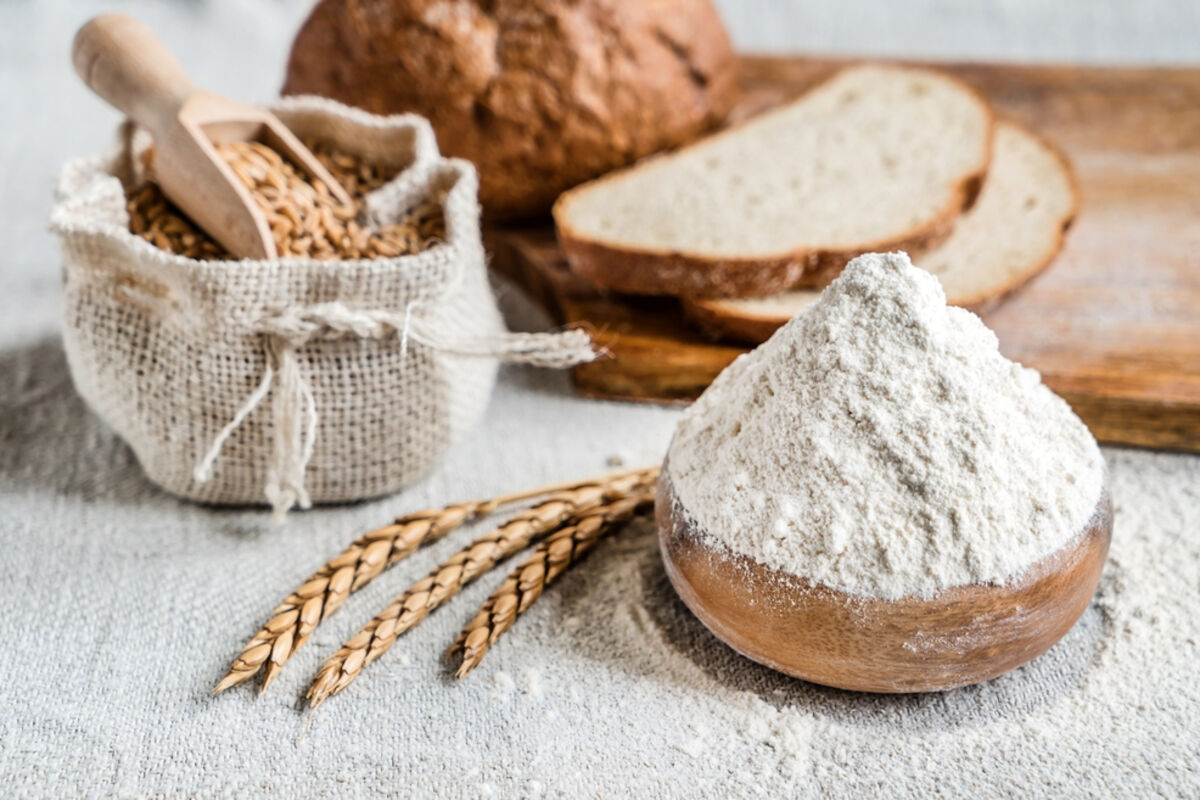
Those who enjoy bread with flavorings like garlic or onion can easily indulge in such baked goods without going to the bakery and overpaying for someone else's labor and fancy signage. It's even easier to provide yourself with the freshest bread for your favorite sandwiches. You can even make your own without yeast, using just baking powder.
Although times of famine are a thing of the past, throwing away stale bread, the product of many people's labors, still feels unseemly. If a loaf of bread isn't moldy, but merely dry, it can easily be given a second life. And this applies not only to crispy croutons with cheese and garlic for beer, but also to homemade pizza with sausage or tomatoes, to the American version of Charlotte (strata), to delicious cottage cheese pancakes for breakfast, and even a real custard tart, which doesn't even require baking, as pressed bread crumbs serve as the base.
It's impossible to list everything you can eat with bread or everything you can make from it. After all, it's not for nothing that they say, "Bread is the head of everything!"