Grilling on the Grill – Secrets to Delicious Shish Kebab for Beginners
It's a matter of technique
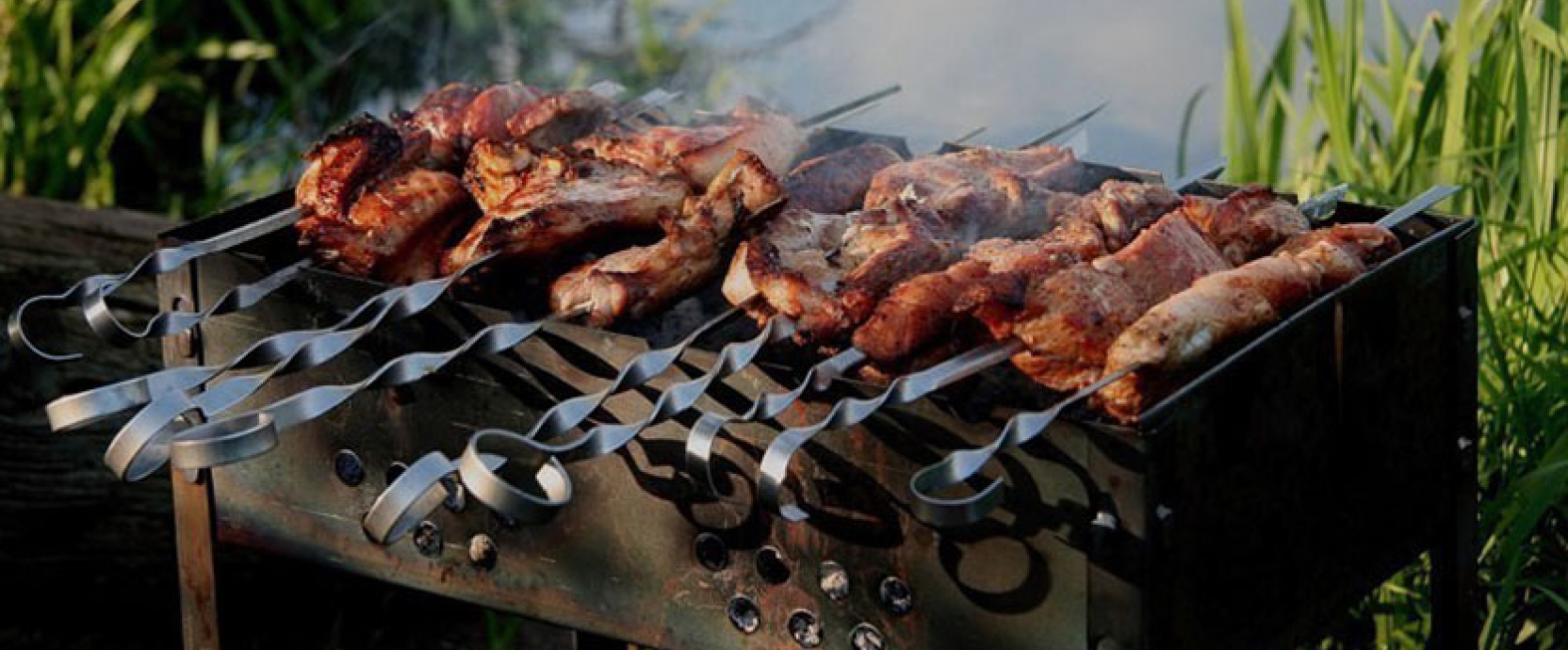
What do you need to make a good shashlik? A grill, of course, is the first thing. If you're heading out into the countryside, your best option is an inexpensive, collapsible grill that fits easily in the trunk of a car. There's no point in even bringing it back to town; it's easier to dispose of it carefully and environmentally friendly with your other trash. At a dacha or country house, however, you'll likely find a more substantial structure made of durable stainless steel or solid cast iron. You can also build a grill out of bricks—it's just as effective as a metal one, and outdoors, stones and logs are also suitable for building a grill if you want to feel a kinship with your ancient ancestors.
Next, of course, you'll need skewers or a barbecue grate, or both. Skewers come in a variety of styles, including flat and triangular skewers, with or without wooden handles. The key to choosing one is simple: they should be long enough and not bend easily. Ideally, the metal should be 4 mm thick, and the skewer length from handle to tip should be 70-75 cm. If you plan to barbecue regularly or cook at your dacha, it's best to invest in a substantial arsenal. Grill grates come in a variety of designs, from the simplest to double-sided with a comfortable handle. Choose the option that suits you best.
Next, you'll need firewood. Don't expect to easily find the "right" kind in the forest—you might be in for an unpleasant surprise. You might simply be unable to find dry deciduous firewood—birch is best—and coniferous wood is unsuitable for grilling. During barbecue season, ready-made firewood is readily available at any supermarket. You can also find ready-made charcoal and lighter fluid there, although experienced grillers prefer to avoid chemicals, opting for paper and kindling. If you choose ready-made charcoal, it's convenient to light it with a special device—a chimney starter, a metal cup that creates a vertical draft, and the aforementioned paper and kindling.
Main ingredient
What's the best meat for shashlik? If you have no religious objections to pork, then by all means, go for it. Pork, especially pork neck, has the perfect ratio of lean meat to fat. While it's tempting to make classic Caucasian shashlik with lamb, keep in mind that this meat is very fatty and has a distinctive flavor that not everyone enjoys. Furthermore, it should be eaten immediately, piping hot, or you won't enjoy it. Many people prefer chicken shashlik—it's tasty, healthy, and inexpensive, and it cooks quickly. Chicken breasts are best.
When cutting meat for shashlik, make sure it's not too small or too large—small pieces will dry out or even burn, while large pieces won't cook through. So, unless you're a virtuoso who can effortlessly cook Kars-style shashlik from huge pieces, it's best to find the happy medium.
Vegetarians won't be disappointed either. You can skewer eggplant, zucchini, onions, tomatoes, and bell peppers – it makes a great main course or side dish for your meat-eating friends.
What and how to marinate?
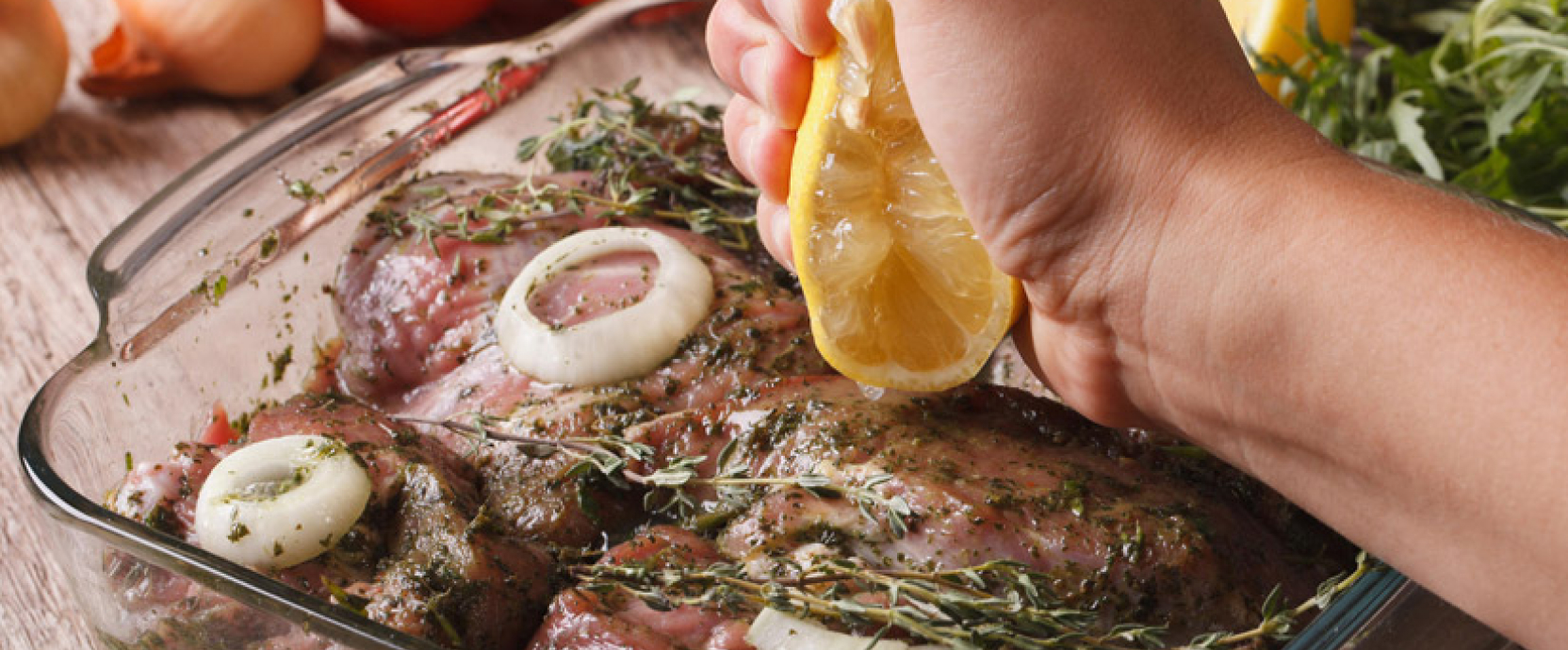
Everyone knows that good meat isn't even half the battle; the secret to a delicious shashlik is the right marinade. The most important thing here is the onion; it should weigh only half as much as the meat. After dicing the meat, thinly slice the onion. Enamel or glassware is suitable for marinating meat; aluminum is a no-no. If you're marinating meat in the city for transport to your dacha or the woods the next day, you can skip the dishes and marinate the shashlik directly in large zip-lock bags—you'll use these for transporting it.
Place a layer of onions at the bottom of the container, then a layer of meat, another layer of onions, and so on. The onions should completely cover the meat. Season each layer with salt and pepper. Salt and pepper are generally enough, but there's plenty of room for experimentation here—you can add cumin, paprika, curry, khmeli-suneli, and even pieces of fruit.
You can use water with lemon juice as a marinade. Vinegar is often added to ready-marinated shashlik meat found in supermarkets to extend its shelf life. It's best to avoid this type of meat and avoid adding vinegar yourself, as it dries out the shashlik and makes it tough. For a softer marinade, some people add vodka—50-100 ml per kilogram of meat—or marinate the shashlik in white wine, mineral water, or even kefir (the latter works best with chicken). Feel free to experiment with this. You can fill the container to the brim, or add the same 50-100 ml of liquid per kilogram, stir, and then add more as needed.
It's best to marinate the meat in the refrigerator overnight, but if you're short on time, 3-4 hours is enough for tender pork, and two hours is enough for chicken. Lamb takes the longest to marinate—at least 6 hours.
The heat is on!
Before placing coals or firewood in the grill, add about 2 cm of clean sand to the bottom – this will absorb dripping fat and prevent it from burning and causing an unpleasant odor.
Grilling should only begin once the coals are covered with white ash, which should be brushed off just before cooking. Skewers should be positioned 10-15 cm from the coals, so the temperature should be checked at this distance. If your hand, carefully placed over them, doesn't hold for even a second, the coals are too hot; if you can hold your hand over them for more than 5 seconds, they've cooled down. The optimal time is 2-3 seconds, until they become too hot.
The meat should be threaded onto skewers ahead of time, after brushing them with vegetable oil. You can leave the onions from the marinade in the bowl, or alternate them with the meat pieces on the skewers. You can also add sliced vegetables, such as tomatoes. Thread all ingredients as tightly as possible.
While grilling, the coals can flare up due to dripping fat, so have a bottle of marinade or water with lemon juice ready to tame the flames and moisten the shashlik, which otherwise can burn or dry out. Don't get distracted and constantly monitor the shashlik's doneness. Turn it at least 2-3 times during grilling. If the meat has developed a golden brown crust, it's probably ready. Remove the skewer from the grill and cut a piece. If it's white inside and the juices run clear, the shashlik is perfectly cooked. If the juices and meat are pinkish, it's too early to remove the skewers.
Some people prefer to serve shashlik directly on skewers, while others remove the meat to a plate or flatbread. It doesn't really matter, as long as you have fresh air, the smoky aroma, the flavor of the aromatic meat, and good friends nearby!